
Bucket Hat Women: Properties, Costs and How to Spec It Right (2026 Update)
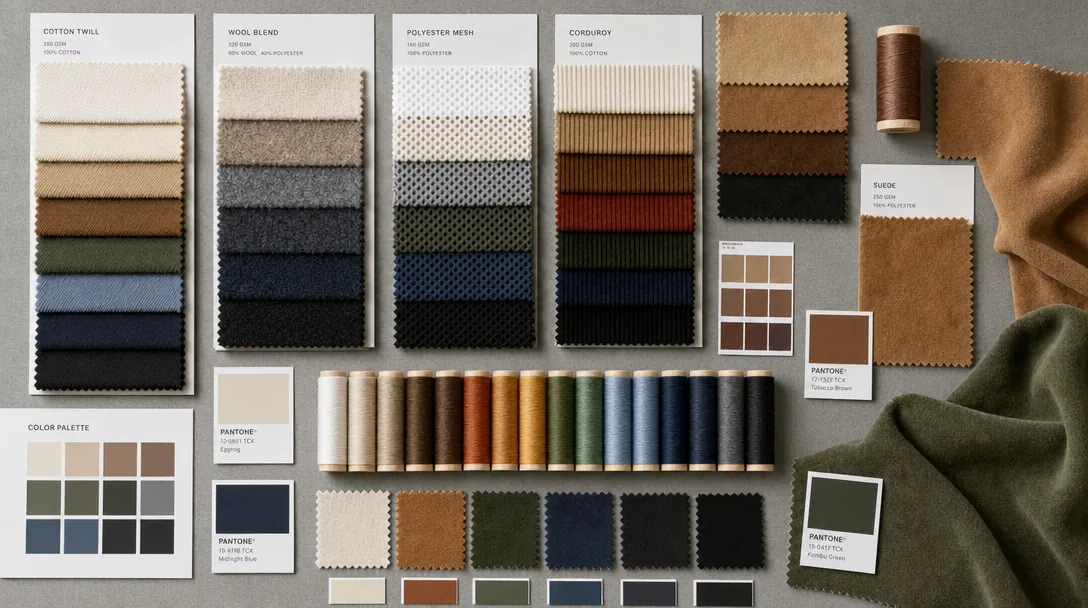
For brand owners, wholesalers and procurement teams entering the custom headwear category, bucket hat women: properties, costs and how to spec it right (2026 update) is one of the highest-leverage decisions you will make. Get it right and your unit economics, retail story and reorder cycle all improve. Get it wrong and you carry the cost for years.
Camouflage Bucket Hat
Camouflage changes how you spec and cut the hat, not just how it looks. The fabric is usually reactive-printed 100% cotton twill at 180-240 gsm, cotton ripstop around 200-220 gsm, or a 65/35 poly-cotton blend when the buyer wants lower crocking and quicker dry time at the expense of hand feel. On camo, print repeat control is non-negotiable: if the crown sidewall, top, and brim are cut without matching the repeat, one panel can skew olive-heavy while the next reads tan-heavy, and the retailer will call it shade mismatch even when the mill is within tolerance. For bucket hat women, I usually bring crown height down to 8.5-9.0 cm and keep brim width at 5.5-6.0 cm; the common unisex build of 9.3-9.8 cm crown and 6.5 cm brim often looks too tall on smaller heads and creates a worse silhouette in PDP photography. Freeze gsm tolerance at +/-5%, specify brim stitch rows, and state whether pattern placement is random or controlled, because that single line in the tech pack decides yield loss and sewing efficiency.
Decoration on camo fails when buyers treat it like solid twill. Dense fill embroidery sinks into 210 gsm twill or ripstop and the edge fuzzes, so a lower stitch-count logo with proper center-walk and edge-run underlay, run on Tajima or Barudan heads, usually reads cleaner. If the logo sits on woodland, desert, or digital camo, a white or black twill patch with a merrowless laser-cut edge and narrow satin attach is the safer spec; it preserves contrast and hides minor registration drift. Backing matters too: 40-60 gsm tear-away is too weak for most camo bases, while a firm cut-away stabilizer reduces tunneling and keeps the front from warping after wash. Most avoidable problems start in sourcing and approval. For custom camouflage, ask for a strike-off, then approve bulk against a signed standard under D65 lighting with a written Delta-E target, ideally <=1.5 to the lab dip and <=2.0 lot-to-lot. If the supplier cannot state repeat dimensions, roll lot control, or whether the print is rotary, flat screen, or digital, they are probably buying through a trader. Inspection should run at least AQL 2.5 for majors, with cartons pulled across production dates to catch lot drift, brim waviness, side-band torque, skipped topstitching, and crocking onto the sweatband. In Zhejiang, stock-fabric cotton camo bucket hat women programs usually land around $2.10-$3.40 FOB China at 500 pieces; custom-printed fabric with embroidery, woven label, and seam taping is more realistically $3.60-$5.20 FOB, with MOQ closer to 800-1,200 pieces per colorway.
Corduroy Hat Men's
Corduroy bucket hats fail more often in fabric selection and cutting than in sewing. For bucket hat women programs, start with wale count, fiber content, and pile direction before you lock color. An 11-wale to 14-wale corduroy at 220–260 gsm usually gives the right mix of drape and structure; 100% cotton looks softer and more vintage, while a 65/35 cotton-poly blend around 240 gsm holds the brim cleaner after packing and light washing. Spec a slightly shorter crown, lighter brim reinforcement, and real size runs such as 56, 57, and 58 cm instead of a lazy one-size 58 cm default. A usable tech pack should call out weight tolerance at ±5%, pre-shrunk finish, sweatband composition, brim width, and whether the underbrim must follow the same nap direction as the crown. If the pile runs the wrong way, the color and hand feel change immediately, even before the hat leaves the sewing line.
Nap direction is the detail that separates clean production from seconds. On corduroy, the same Pantone TCX can read visibly darker or lighter from panel to panel if the crown, side wall, and brim are marker-cut with mixed pile orientation. That is not a dye-lot problem; it is a cutting-room mistake. Heavier 8-wale goods are even less forgiving because seam bulk at the side seam and brim join can distort the silhouette unless seam allowances are trimmed or skived. Embroidery needs its own setup too: a logo digitized for flat twill will sink into the ribs unless density is opened to about 0.35–0.40 mm, with edge-run underlay and often a heavier top thread on Tajima or Barudan heads. In 2026, basic stock-corduroy buckets typically land around $2.40–$3.60 FOB China at 500–1,000 pieces; add front embroidery, custom inner taping, and woven labels, and the realistic range moves to $3.80–$5.20.
Inspection should focus on texture and shape consistency, not just loose threads and skipped stitches. The repeat defects on corduroy buckets are reversed nap across adjacent panels, needle cuts riding along the ribs, eyelet puckering, brim waviness after pressing, and crown asymmetry from uneven topstitch margins. For bucket hat women orders, hold circumference tolerance to ±0.5 cm and check brim roll and drape on at least three samples per size under D65-equivalent lighting. If the buyer is color-sensitive, set an approved bulk standard with a seam-to-seam Delta-E target before production, because pile fabrics can look off-shade even when the lab dip is technically within tolerance. AQL 2.5 is still the right inspection level, but the checkpoints need to reflect corduroy behavior instead of plain twill assumptions. For 100% cotton cord, test shrinkage early; 3–5% after laundering is common if pre-shrink control is weak, and that can turn a good fit into a tight one fast.
Organic Cotton Newborn Hat
For an organic cotton newborn hat, the failure point is rarely the silhouette; it is traceability, residual chemistry, and seam comfort. Write the spec around 100% organic cotton interlock or jersey at 180–220 gsm, and use 1x1 rib at 240–280 gsm for the opening if recovery is critical. If you add 3–5% elastane, confirm the certification scope first, because many buyers assume “organic” applies to the whole garment when the trim blend breaks that claim. Require GOTS or OCS transaction certificates tied to the exact lot, not a generic annual certificate, and back them with OEKO-TEX Standard 100 Class I reports covering formaldehyde, banned azo amines, extractable heavy metals, pH, saliva fastness, and colorfastness to washing. Construction should call for 4-thread overlock with low-lint soft spun polyester thread, or better, flatseam/coverstitch at the crown where newborn skin feels every ridge. Also ban direct-to-skin neck labels, specify nickel-free snaps if any trim is used, and require 100% needle detection before packing. Teams that buy bucket hat women styles from the same factory often underestimate how much tighter infant controls need to be; the tolerance for seam bulk and chemical residue is far lower than on adult fashion headwear.
A workable size matrix starts with head circumference, not age alone: 0–3M at 36–40 cm and 3–6M at 40–44 cm, with finished opening tolerance held to ±0.5 cm after wash. Fabric specs should be measurable: gsm tolerance ±5%, shrinkage under 5% after one 40°C wash, spirality under 3% on single jersey, and colorfastness to laundering at Grade 4 minimum. If printing is involved, use water-based or certified pigment systems and lock shade approval to Delta-E ≤1.5 against the sealed lab dip; pale infant colors expose drift much faster than darker bucket hat women assortments because gift sets are compared side by side under retail lighting. Typical 2026 FOB China pricing is about $0.75–$1.20 for a basic single-layer knot hat, $1.10–$1.80 for printed or gift-set versions, with another $0.08–$0.20 per piece for full GOTS chain-of-custody paperwork, individual barcode labeling, and lot-segregated packing. Claims usually come from quiet defects: rib openings that relax after two wears, puckering from poor differential-feed settings, loose overlock tails, oil marks on ecru fabric, and incomplete metal-detection logs. Inspect at AQL 2.5 major / 4.0 minor, but add infant-specific checkpoints for seam bulk, stretch-and-return, odor, needle damage, and white-light contamination checks on natural shades.
Corduroy Hat Wholesale
Corduroy bucket hats are unforgiving; if the spec is vague, the factory will make decisions that change the entire silhouette. For a bucket hat women program, lock the shell fabric before quoting: 100% cotton corduroy or cotton/spandex, usually 220-320 gsm, with wale count called out explicitly. In practice, 12- to 14-wale reads cleaner and more fashion-forward, while 8-wale looks heavier and can push the style into a more casual, outdoorsy lane unless the crown and brim are trimmed back. I would also spec finished crown height, top diameter, brim width in millimeters, brim angle, stitch-row count, and lining construction rather than leaving “standard shape” on the PO, because there is no real standard across Zhejiang factories. A 5 mm change in brim width or a single extra stitch row is enough to make the hat feel less feminine at retail. Corduroy also needs controls that plain cotton twill does not. Put pile direction on every panel in the tech pack, and require all crown and brim pieces to be cut with the nap running the same way; otherwise the hat can look like a shade mismatch even when the dye lot is within tolerance. I also build in 3-5% wash shrinkage on shell dimensions and call out lining options by end use: self-fabric for a fuller handfeel, 210T polyester for lower cost and cleaner print compatibility, or 108 x 58 cotton twill when breathability matters. If embroidery is involved, note maximum stitch density and placement over wale direction, because fine logos that look acceptable on canvas can collapse into the ridges and lose edge clarity on corduroy.
Color and structure tolerances matter more on corduroy because the ridged surface exaggerates every defect under store lighting. Use Pantone TCX references for shell, sweatband, labels, and embroidery thread, and if the order is for fashion retail rather than promotions, write Delta-E 1.5 max into the bulk standard; Delta-E 2.0-2.5 is often acceptable on promo caps, but it is too loose for tonal women’s assortments. For support, most workable bucket constructions use 40-60 gsm woven fusible in the side wall and brim. Below 40 gsm, the brim tends to torque after steaming or packing; above 60 gsm, the crown can lose drape and start to feel more like a uniform hat than a soft fashion piece. Our standard practice is to test one pre-production sample after steaming and 24-hour rest, because corduroy can relax visibly once the pile settles. On cost, 2026 wholesale numbers in Zhejiang are still driven more by fabric and trim complexity than by sewing time alone. Stock corduroy with basic embroidery usually lands around 300-500 pieces per colorway MOQ, but custom dye, printed lining, enzyme wash, metal eyelets, or multi-position labels pushes the practical MOQ to 800-1,200 pieces. A realistic FOB range at 500 pieces is $2.10-$3.40 for a straightforward style, and $3.80-$5.20 once you add washed effects, all-over embroidery, or branded trims. Inspect at AQL 2.5, but do not treat it like a generic headwear check: focus on seam grin, skipped brim topstitching, crushed wale under embroidery, crown symmetry, and panel shading under angled light. On Tajima or Barudan machines, corduroy logos need proper underlay, pull compensation, and sometimes lower stitch density, or the thread sinks into the pile and the artwork turns muddy.
Wholesale Hat Manufacturers Usa
The practical difference between wholesale hat manufacturers usa and direct factory sourcing is usually not sewing quality; it is how much of the specification they can actually control. Many U.S. suppliers are importers or decorators holding inventory, then adding local embroidery, DTG, or heat-transfer finishing. For bucket hat women programs, that means the cut-and-sew is often still coming from Bangladesh, Vietnam, or China, so the technical package does the heavy lifting. The spec should lock finished circumference by size break, crown height, top diameter, brim width, brim drop angle, panel count, seam allowance, eyelet diameter, sweatband width, and brim SPI. If you leave brim geometry vague, you will get inconsistent silhouettes from lot to lot even when the fabric is correct. Material calls need the same discipline: 180-240 gsm cotton twill for promo or entry retail, 220-280 gsm 8-wale corduroy for softer fashion, 240-300 gsm washed canvas for a sharper brim, and 70D or 210D polyester lining only if you need opacity or cleaner seam coverage. For color-critical bucket hat women assortments, specify Pantone TCX, approve bulk lab dips, and hold bulk shade within Delta-E 1.5 under D65; otherwise black, stone, sage, and dusty pink will drift more than buyers expect.
Cost and MOQ are driven by construction, not by whether a supplier labels itself wholesale. A custom offshore order for bucket hat women is typically workable at 300-500 pieces per colorway if you stay with stock fabric widths, standard metal eyelets, and common sweatband tape; below that, the factory usually compensates with fewer fabric options or a surcharge of $0.25-$0.60 per piece. In today’s market, a plain 100% cotton twill bucket hat is commonly $2.10-$3.40 FOB China at 500 pieces. Add self-fabric underbrim, full lining, seam taping, woven main label, care label, and front embroidery, and you are realistically at $3.80-$6.20 FOB. Corduroy is typically 12-20% higher because nap direction has to be matched panel by panel or the shading looks defective under store lighting. The failures that trigger chargebacks are rarely exotic: brim rows drifting off pitch, crown panels cut off-grain, eyelets set unevenly, sweatband overlap too bulky at center back, and embroidery puckering from bad underlay or thread tension on Tajima, Barudan, or ZSK heads. Our standard practice is AQL 2.5 with carton-sampled circumference checks, D65 shade review, and compliance verification against sedex-audit-cap-supplier-guide.html">BSCI 2.0 or Sedex SMETA 4-Pillar before goods ship, because no U.S. wholesaler can correct factory-side inconsistency once the containers are on the water.
Black Beanie Hat
A black beanie is a knit program, so the spec starts with yarn count, gauge, and finished measurements rather than shell fabric or panel geometry. For an entry retail tier, 100% acrylic 2/26Nm on 7GG or 9GG remains the most stable cost-to-hand-feel option; in Zhejiang, a single-layer cuffed beanie at 500 to 1,000 pcs usually finishes at 65 to 95 g, with ex-factory pricing around $1.10 to $1.85 depending on label and decoration. If you need lower pilling after five home-laundry cycles and better abrasion resistance, a 50/50 recycled polyester-acrylic blend is usually safer than cheap cotton-rich yarns, which commonly shrink 3% to 5%, torque after wash, and drift in shade on sulfur-deep blacks. The approval pack should lock crown height, cuff height, relaxed width, stitch density, stretch recovery, and knit structure—typically 2x2 rib or full cardigan—because “black” without a measurable standard is how shipments fail side-by-side at incoming inspection.
Color control is where black beanies routinely get underestimated. Tie the shade to a Pantone reference, set a Delta-E tolerance—typically 1.0 to 1.5 for core black programs—and review submits under D65 and TL84, because a yarn that reads neutral under daylight can throw brown or blue in retail lighting. Buyers who are used to woven fabric lab dips often miss that knit consistency is controlled at the yarn-dye stage, not just during final audit. That matters even when the wider collection is built around bucket hat women styles: black inconsistency across categories is obvious on a merchandised wall. A proper spec should also call out needle count, top-closing method, linking quality, inside clean finish, label attachment, and cuff decoration area. For embroidery, keep direct logos under roughly 8,000 stitches on 7GG ribs; on Tajima or Barudan flat frames, dense fills crush the rib, cause tunneling, and permanently reduce stretch recovery. If the artwork needs crisp edges, a woven patch or merrowed badge usually outperforms direct embroidery.
QC on black beanies should focus on failures that never show up on a salesman sample: skewed crown seams, visible yarn joins, needle oil contamination, cuff rolling after steaming, and shade mismatch between cuff and body. Use AQL 2.5 as the baseline, then measure total height, cuff depth, and relaxed width after finishing, not straight off the knitting machine. For stretch-and-recovery, I’d test at least 10 pcs per lot with a simple extension set check; if the opening bags out after one try-on, e-commerce return rates climb fast. Black programs also need crocking checks, especially on lower-cost yarns, because dye rub-off can stain care labels, polybags, or adjacent light-color product during humid transit. MOQ is often 300 to 500 pcs per color when the knitter holds stock black yarn, but once you add custom-dyed yarn, PMS-matched trims, or recycled-content certification, 1,000 pcs is the realistic floor. If a supplier cannot hold shade, recovery, and seam cleanliness on a black beanie, I would not trust them with bucket hat women programs, where washed twill color control, topstitch symmetry, and fit grading are less forgiving.
Working with CrownsForge for bucket hat women programs
A dependable bucket hat women program is built on sample control and measurable tolerances, not presentation decks. A realistic factory baseline is 7-10 calendar days for the first proto after approved artwork, BOM, size spec, and construction comments; if crown depth, brim slope, or stitch count changes, add 10-14 days for a salesman sample because those revisions affect pattern balance, not just appearance. For stock 100% cotton twill at 180-220 gsm or washed canvas around 8-10 oz, workable MOQ is usually 300-500 pieces per colorway. Once the buyer moves into custom piece-dyed fabric, AOP, enzyme-washed pigment shades, or fine corduroy under roughly 14 wale, the practical MOQ often rises to 800-1,200 pieces due to dye-house minimums, excess fabric liability, and higher cutting loss on narrow lays. On bucket hat women styles, the first thing I want proven is post-wash behavior: warp and weft shrinkage below 3%, brim interlining that does not bubble after steaming, and a crown that collapses softly without twisting off grain. Most wearable failures show up there, especially when the brief asks for a relaxed silhouette but the brim still has to keep a clean circumference through packing, transit, and retail handling.
Decoration and QC expose weak suppliers faster than price ever will. On bucket hat women orders, logo location should be approved in millimeters from the crown seam, side seam, and brim edge; terms like centered or slightly higher are useless once you are working on a shallow crown where a 5 mm drift is obvious. For embroidery on curved panels, Tajima or Barudan heads are fine if the digitizing is adjusted for fabric weight and panel distortion. I usually see clean results at 0.38-0.42 mm stitch spacing with 40 wt polyester thread matched to Pantone TCX references, and when body color is critical the acceptance range should stay around Delta-E 1.5-2.0 against the approved standard. Compliance needs the same discipline: BSCI 2.0 or Sedex SMETA 4-Pillar as a minimum, transaction-level traceability if the PO claims organic or recycled content, and inline plus final inspection to AQL 2.5 unless the buyer tightens the defect table. At CrownsForge, the defects worth stopping before carton close are brim asymmetry above 3 mm, skipped topstitching, eyelet puckering, seam grin at the side band, and shade banding between panels—those are the issues that turn a clean ex-factory lot into returns and markdowns.
Frequently Asked Questions
Which shipping methods do you support?
We support FOB, CIF and DDP shipping. Air express for samples and small orders, sea LCL for 100 to 500 pieces, sea FCL for 5,000+ pieces. Door-to-door DDP available for US, EU, UK, Canada and Australia.
Can I order a sample before bulk production?
Yes. We strongly recommend approving a pre-production sample before mass production. Samples are charged at 35 to 60 USD each plus express shipping, fully refundable against confirmed bulk orders over 500 pieces.
What logo decoration techniques do you offer?
3D puff embroidery, flat embroidery, woven patch, leather patch, PVC patch, screen printing, sublimation, applique and laser etching, all in-house with no subcontracting.
How long does production take?
Sampling takes 7 to 12 days. Bulk production runs 20 to 30 days depending on quantity, fabric availability and decoration complexity. Inspection and packing adds another 3 to 5 days before shipment.
What file format should I send for my logo?
Vector files (AI, EPS, PDF) are ideal. High-resolution PNG or JPG at 300 dpi on transparent background works as a fallback. Provide Pantone color references for accurate reproduction.
What should buyers know about organic cotton bucket hat?
When evaluating organic cotton bucket hat, the key considerations are construction quality, decoration capability, MOQ flexibility and lead time. Cover everything buyers ask about organic cotton newborn hat: how it's manufactured, what specs to request from a factory, typical MOQ and pricing, common quality issues to inspect for, and how this ties back to the broader bucket hat women sourcing decision. Cover everything buyers ask about camouflage bucket hat: how it's manufactured, what specs to request from a…
What should buyers know about men's corduroy bucket hat?
When evaluating men's corduroy bucket hat, the key considerations are construction quality, decoration capability, MOQ flexibility and lead time. Cover everything buyers ask about corduroy hat men's: how it's manufactured, what specs to request from a factory, typical MOQ and pricing, common quality issues to inspect for, and how this ties back to the broader bucket hat women sourcing decision. Cover everything buyers ask about corduroy hat wholesale: how it's manufactured, what specs to request from a factory,…
What should buyers know about cotton beanie men?
When evaluating cotton beanie men, the key considerations are construction quality, decoration capability, MOQ flexibility and lead time. Cover everything buyers ask about corduroy hat men's: how it's manufactured, what specs to request from a factory, typical MOQ and pricing, common quality issues to inspect for, and how this ties back to the broader bucket hat women sourcing decision. Cover everything buyers ask about organic cotton newborn hat: how it's manufactured, what specs to request from a factory,…
What should buyers know about ralph lauren corduroy bucket hat?
When evaluating ralph lauren corduroy bucket hat, the key considerations are construction quality, decoration capability, MOQ flexibility and lead time. Cover everything buyers ask about corduroy hat men's: how it's manufactured, what specs to request from a factory, typical MOQ and pricing, common quality issues to inspect for, and how this ties back to the broader bucket hat women sourcing decision. Cover everything buyers ask about corduroy hat wholesale: how it's manufactured, what specs to request from a factory,…
Looking for a reliable hat manufacturer in China?
CrownsForge has produced custom hats for 800+ brands across 40 countries. From 100-piece launches to 100,000-piece retail programs, we deliver on time and on spec.
Get in touchRelated guides
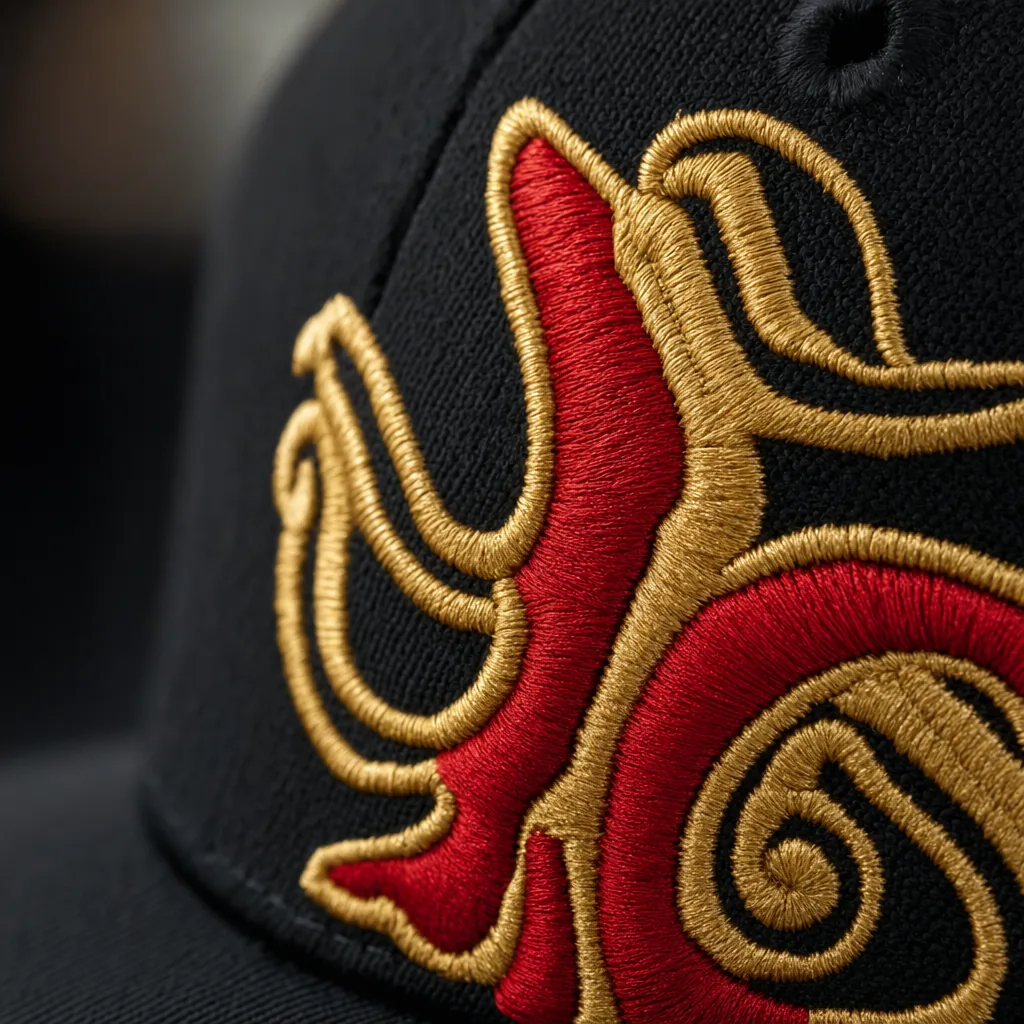
Custom Logo Hats: When to Use It, Costs, and What to Ask Your Factory (2026 Update)
Read article →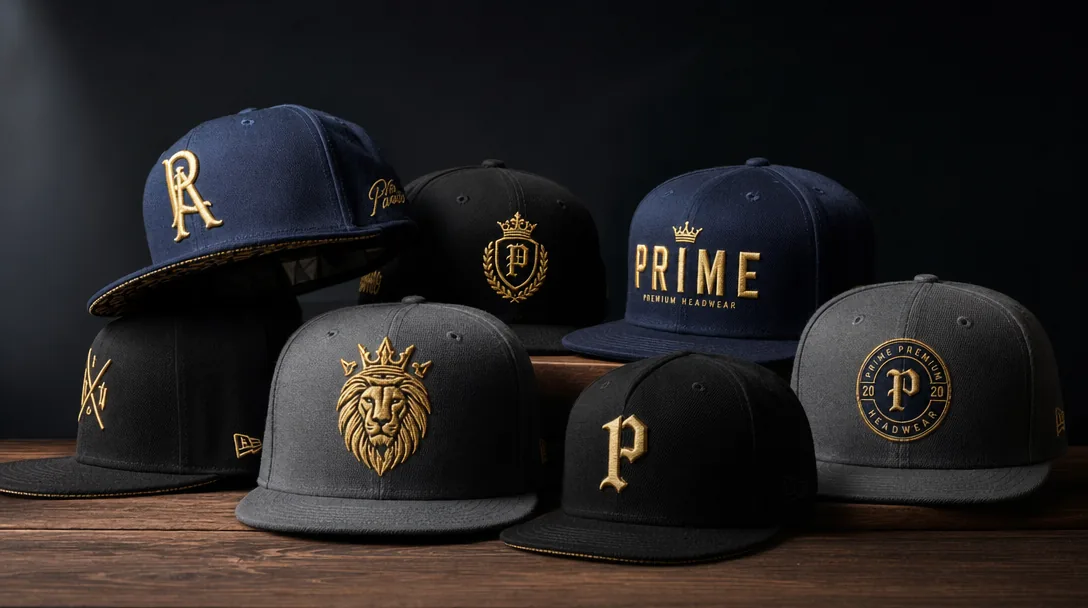
Fisherman Beanie Wholesale Custom: A 2026 B2B Sourcing Guide
Read article →Wholesale Hats Suppliers: Properties, Costs and How to Spec It Right
Read article →Sourcing custom hats does not have to be complicated. With the right manufacturing partner, clear specifications and a small upfront investment in sampling, you can launch a retail-quality product in 30 to 45 days.