
Bucket Hat Corduroy Supplier Audit Checklist for Custom Hat Buyers
Bucket Hat Corduroy Supplier Audit Checklist for Custom Hat Buyers is one of the most-asked questions we receive from international buyers, and for good reason. With dozens of factories competing for your order and an alphabet soup of technical terms in every supplier quote, even experienced importers can feel lost. This guide consolidates what we have learned producing custom hats for clients in 40+ countries.
Why bucket hat corduroy supplier audit checklist needs a separate sourcing plan
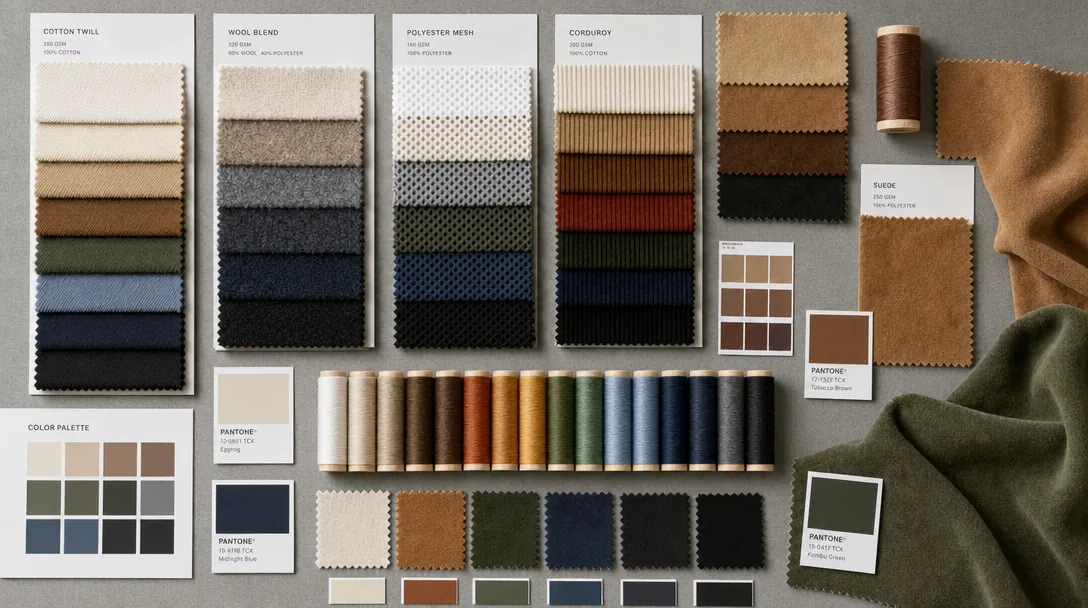
A bucket hat corduroy supplier audit checklist needs its own sourcing plan because corduroy fails differently from twill, canvas, or polyester performance fabric. Buyers searching this term are usually not asking for a pretty product page; they are trying to avoid bulk-production surprises: wale direction shifting panel to panel, pile bruising after pressing, shade variation between roll lots, and brim distortion after enzyme wash. For a corduroy bucket hat, I would audit fabric first, not sewing first. Confirm wale count, usually 8-wale or 11-wale for a heavier streetwear handfeel, fabric weight around 260–340 gsm, and color approval under D65 and TL84 light boxes with Delta-E held under 1.5 for dark colors. A corduroy hat brown is especially risky because reddish, yellowish, and grayish browns can all look acceptable in isolation but fail badly against the approved Pantone TCX chip once stitched into panels.
This differs from generic hat sourcing because bucket hat corduroy construction puts stress on fabric handling, cutting accuracy, and crown shaping. Corduroy has nap, so every panel must be cut in the same direction unless the tech pack intentionally calls for contrast nap; mixed direction can make one side look darker even when the dye lot is correct. The audit should check cutting-room bundling, needle size, seam puckering, brim topstitch spacing, and whether operators use walking-foot machines for thicker fabric. A supplier that makes cotton beanie men styles or basic caps may still struggle with bucket hats because the circular brim and sidewall seam expose small tension errors. If the order includes an organic cotton hat claim, ask for GOTS or OCS transaction certificates and match them to invoice quantity; do not accept a generic mill certificate with no lot traceability.
Cost, lead time, and compliance are decided before the first salesman sample is sewn. Custom-dyed bucket hat corduroy can add 12–18 days versus stock fabric, and lab dips usually cost USD 30–80 per color before bulk dyeing. A simple blank corduroy bucket hat might sit around USD 3.20–5.80 FOB Yiwu at 1,000 pieces, while embroidery, lining, custom sweatband, metal eyelets, and garment washing can push it to USD 6.50–9.50. Our standard practice at CrownsForge is to combine factory social audit review, such as sedex-audit-cap-supplier-guide.html">BSCI 2.0 or Sedex SMETA 4-Pillar, with product-specific QC using AQL 2.5 for major defects and AQL 4.0 for minor defects. That matters because compliance paperwork will not catch crushed pile, weak brim recovery, nickel-risk trims, or AZO dye concerns unless the sourcing plan names those checks upfront.
Factory capability checks before quoting
The first capability check is whether the factory can prove decoration accuracy before it talks price. For a bucket hat corduroy program, I want to see actual Tajima, Barudan, or ZSK embroidery output on 8-wale or 11-wale corduroy, not just flat cotton twill swatches. Corduroy pile eats small lettering, so satin columns under 1.2 mm and fills over 12,000 stitches often look muddy unless the digitizer adds proper underlay and trims jump threads cleanly. If the buyer wants woven patches, chenille, PVC, leather debossing, or merrow-edge badges, the supplier should show pull-test results around 70 N and placement tolerance within ±2 mm after blocking. A serious bucket hat corduroy supplier audit checklist should also ask who does digitizing, whether DST files are edited in-house, and whether the sample room can finish a decorated corduroy bucket hat in 5–7 working days without sending every change to an outside workshop.
Fabric control separates a real hat maker from a trading company. Corduroy hat brown sounds simple until you compare Pantone 18-1027 TCX against three dye lots and see Delta-E drift above 1.5 under D65 light. Ask for fabric specs: cotton/polyester ratio, wale count, weight in gsm, shrinkage after 40°C wash, and whether the mill can supply organic cotton hat fabric with GOTS transaction certificates rather than just a hangtag claim. Panel construction matters just as much: bucket hats need even crown height, brim stitch rows at 6–8 mm spacing, seam allowance locked cleanly, and correct fusing so the brim does not curl after steaming. If the factory also quotes cotton beanie men styles, check whether they are actually knitted in-house or subcontracted, because subcontracted winter items often fail color continuity and packaging consistency with the bucket hat line.
Before quoting, I also check the supplier’s production discipline: pattern CAD, cutting markers, needle policy, inline QC records, and whether they understand AQL 2.5 for major defects and AQL 4.0 for minor defects. Closure options on bucket hats are usually limited, but drawcords, elastic sweatbands, chin cords, snap buttons, and reversible construction all change labor minutes and inspection points. Our standard practice at CrownsForge is to request a pre-quote technical sheet covering material width, estimated consumption, decoration method, packing ratio, carton dimensions, and FOB Ningbo or DDP landed cost assumptions; without that, a low unit price is usually hiding rework. Audit readiness should include BSCI 2.0 or Sedex SMETA 4-Pillar documents, wage records, fire exits, needle logs, and subcontractor declarations. Finally, test communication: a capable merchandiser answers tolerance, Pantone, lead time, and MOQ questions in one email, not five vague replies.
MOQ, pricing and sample approval
MOQ is where a serious bucket hat corduroy supplier audit checklist starts, because many bad quotes hide inside “low MOQ” language. For a corduroy bucket hat, a realistic factory MOQ is 300 pieces per color when using stock 8-wale or 14-wale cotton corduroy, and 500–1,000 pieces per color if the buyer needs custom-dyed fabric to match Pantone TCX. Below 300 pieces, the unit price usually carries cutting-room waste, thread changeover, and trim sourcing penalties. A plain bucket hat corduroy style may quote at USD 3.20–4.80 FOB Ningbo/Shanghai at 500 pieces, while embroidery, woven labels, metal eyelets, and special lining push it toward USD 4.80–7.50. Organic cotton hat programs cost more because GOTS or OCS-certified fabric requires chain-of-custody documents, not just a hangtag claim.
Decoration setup should be separated from unit price, or procurement loses visibility fast. A Tajima, Barudan, or ZSK embroidery setup for a front logo is typically USD 35–80 for digitizing, then USD 0.25–1.20 per hat depending on stitch count; dense satin lettering above 9,000 stitches can distort corduroy ribs if backing and pull compensation are wrong. For puff embroidery on corduroy, I prefer 3 mm foam only on bold shapes, not thin serif text. Pantone matching needs physical swatches, not screen approvals: acceptable bulk tolerance should be Delta-E under 1.5 for fashion colors and under 2.0 for dark shades like a corduroy hat brown. Trims also matter: drawcords, sweatbands, care labels, size stickers, polybags, and master carton markings should all appear on the pre-production sample, not be “confirmed later.”
PPS approval is the buyer’s last clean chance to stop a bad bulk run, so the sample must be made with bulk fabric, bulk thread, bulk trims, and actual packaging. Our standard practice at CrownsForge is to check seam allowance, brim symmetry, crown depth, stitch density, label placement within ±2 mm, and color under D65 lighting before bulk cutting. A practical timeline is 5–7 days for lab dips, 7–10 days for PPS after artwork approval, 18–30 days for bulk production at 500–2,000 pieces, and another 5–12 days for final inspection, carton booking, and FOB handover. For DDP air shipment, add 5–8 days; for sea freight to the U.S. or EU, add 25–40 days. If a supplier also quotes cotton beanie men or other winter accessories, audit those separately because knit MOQ, yarn dyeing, and shrinkage control are completely different from a bucket hat corduroy supplier audit checklist.
Quality inspection and shipping risk
The biggest shipping risk in a bucket hat corduroy order is not the vessel delay; it is approving a weak pre-shipment inspection because the hat looked “close enough” in photos. A proper bucket hat corduroy supplier audit checklist should set AQL 2.5 for major defects and AQL 4.0 for minor defects, with critical defects at zero tolerance. For a 1,200-piece PO, that usually means an 80-piece sample under ANSI/ASQ Z1.4 general level II, not a quick pull from the top carton. Measure crown height, brim width, head circumference, and sweatband length with written tolerances: ±0.5 cm on brim, ±0.7 cm on crown, and ±1.0 cm on circumference after steam finishing. Corduroy pile direction must be checked under consistent light because a corduroy hat brown can shift visibly if panels are cut against nap direction, even when the fabric comes from the same dye lot.
Color and decoration defects need factory-floor judgment, not just a pass/fail table. For bucket hat corduroy, I want Pantone TCX approval on fabric before cutting, then Delta-E under 1.5 for reorder lots and under 2.0 for first orders unless the buyer signs off. Basic colorfastness should include ISO 105-C06 washing at grade 4 minimum, rubbing at grade 3–4 dry and 3 wet, and perspiration testing if the hat uses light lining or a white sweatband. Embroidery must be inspected for thread breaks, registration drift over 1 mm, birdnesting, loose backing, and puckering along the wale; Tajima, Barudan, and ZSK heads all produce clean work if the digitizing density is adjusted for corduroy ribs. The same logic applies when auditing an organic cotton hat or even cotton beanie men programs: decoration approval must be tied to the actual production substrate, not a flat twill swatch.
Carton control decides whether the buyer receives sellable goods or a warehouse problem. Master cartons should show PO number, style code, color, size run, quantity, gross/net weight, carton dimensions, country of origin, and barcode if the buyer’s 3PL requires scanning. Inner polybags need suffocation warnings for U.S. retail and clear carton packing ratios, especially for mixed-color assortments like black, navy, and corduroy hat brown. FOB Ningbo or Shanghai is cleaner when the buyer controls freight and insurance; DDP is useful for smaller promotional resellers, but the supplier must quote duty, last-mile delivery, customs bond cost, and any Amazon FBA carton-label service separately. Our standard practice at CrownsForge is to keep a reorder file with approved fabric cutting, Pantone record, embroidery DST file, trim card, carton mark artwork, QC report, and shipment photos, because six months later nobody remembers which “same as last time” sample was actually approved.
Buyer checklist for the next RFQ
A firm quote starts with a complete RFQ pack, not a mood board. For a bucket hat corduroy supplier audit checklist, I would ask the buyer to send the tech pack, target quantity by color, delivery term, and decoration artwork before discussing price. The tech pack should show crown height, brim width, panel count, circumference grading, stitch count per inch, seam tape width, sweatband material, label placement, and packing method. For bucket hat corduroy, specify wale count clearly: 8-wale looks chunky and retro, 11-wale is the common middle ground, and 16-wale feels cleaner for fashion retail. Also state fabric weight in gsm, usually 260–340 gsm for cotton corduroy, and whether you need 100% cotton, organic cotton hat compliance, or a cotton-spandex blend for softer drape.
Photos matter more than buyers think. Send front, side, top, inside, and brim underside images of your reference corduroy bucket hat, with a ruler in the photo for scale. If you want a corduroy hat brown, do not write “coffee” or “vintage brown” and expect accuracy; provide Pantone TCX, a physical swatch, or an approved lab dip tolerance such as Delta-E under 1.5 for bulk. For embroidery, send vector AI/PDF files plus a PNG mockup, and state whether decoration is flat embroidery, 3D puff, woven patch, rubber patch, or direct screen print. If embroidery is required, include maximum logo width and thread colors; Tajima, Barudan, and ZSK heads all run differently when small letters drop below 4 mm.
The RFQ should also include inspection, compliance, and commercial terms. State AQL level, usually AQL 2.5 for major defects and 4.0 for minor defects, plus whether you require pre-production sample approval, inline inspection photos, and final random inspection before shipment. For social compliance, say upfront if the factory must hold BSCI 2.0, Sedex SMETA 4-Pillar, GRS, OEKO-TEX, or organic cotton transaction certificates. Give your Incoterm—FOB Ningbo/Shanghai, CIF, DDP air, or DDP sea—and carton requirements, barcode format, hangtag files, polybag warning text, and retail packing. A good bucket hat corduroy supplier audit checklist should also ask whether the same factory makes adjacent items like cotton beanie men styles, because shared sewing lines can affect peak-season capacity.
Working with CrownsForge
A serious bucket hat corduroy supplier audit checklist starts before the first sample is cut, because corduroy hides problems that plain twill does not. For bucket hat corduroy programs, our standard practice at CrownsForge is to lock the wale count, fabric weight, shrinkage target, and color tolerance in the tech pack before quoting bulk. Common choices are 8-wale or 11-wale cotton corduroy at 250–320 gsm, with Pantone TCX matching controlled to Delta-E under 1.5 for dark shades and under 2.0 for lighter neutrals. If a buyer asks for a corduroy hat brown, I always ask whether they mean coffee brown, tobacco, camel, or chocolate, because photos from three suppliers will look identical until they are under a D65 light box. For an organic cotton hat claim, we separate normal cotton corduroy from GOTS/OCS-certified yardage and check certificate scope, not just a logo on a mill PDF.
Sampling should prove construction risk, not just appearance. A corduroy bucket hat usually needs two sample rounds: first for pattern, brim droop, lining choice, and crown depth; second for decoration and wash behavior. Embroidery on corduroy needs lower stitch density than canvas, especially on 3D puff or small text, because the ribs distort satin columns. We run digitizing tests on Tajima, Barudan, or ZSK heads depending on the artwork, then check thread pull, registration, and backing visibility after steaming. Patch options need the same discipline: woven labels can sink into the nap, while leather patches require edge paint and heat-press temperature control around 135–150°C to avoid shine marks. Buyers sometimes compare this to cotton beanie men programs, but bucket hats have brim symmetry, binding tension, and top-stitch spacing issues that beanies simply do not.
QC and export coordination need to be built into the audit calendar, not added after production is late. For bulk bucket hat corduroy orders, I recommend inline inspection at 20–30% completion and final inspection to AQL 2.5 major / 4.0 minor, with specific checks for wale direction, panel color shading, seam puckering, brim width tolerance within ±3 mm, sweatband alignment, and carton moisture under 12%. Social compliance should be verified against BSCI 2.0 or Sedex SMETA 4-Pillar if the order is for licensed retail or major promotional channels. Export planning is equally practical: FOB Ningbo/Shanghai works for experienced importers, while DDP to the U.S. or EU needs HS code confirmation, carton CBM control, and decoration declarations for patches or metal trims. A useful bucket hat corduroy supplier audit checklist connects these factory, QC, and logistics points so the buyer is not approving a beautiful sample that cannot ship cleanly at scale.
Frequently Asked Questions
What logo decoration techniques do you offer?
3D puff embroidery, flat embroidery, woven patch, leather patch, PVC patch, screen printing, sublimation, applique and laser etching, all in-house with no subcontracting.
How long does production take?
Sampling takes 7 to 12 days. Bulk production runs 20 to 30 days depending on quantity, fabric availability and decoration complexity. Inspection and packing adds another 3 to 5 days before shipment.
Can I order a sample before bulk production?
Yes. We strongly recommend approving a pre-production sample before mass production. Samples are charged at 35 to 60 USD each plus express shipping, fully refundable against confirmed bulk orders over 500 pieces.
What is the minimum order quantity (MOQ) for custom hats?
Our standard MOQ is 100 pieces per design and color, with sampling available from 1 piece. For complex multi-color logos or premium fabric upgrades, the MOQ can be lowered with a small per-piece surcharge.
Which shipping methods do you support?
We support FOB, CIF and DDP shipping. Air express for samples and small orders, sea LCL for 100 to 500 pieces, sea FCL for 5,000+ pieces. Door-to-door DDP available for US, EU, UK, Canada and Australia.
What should buyers know about organic cotton bucket hat?
When evaluating organic cotton bucket hat, the key considerations are construction quality, decoration capability, MOQ flexibility and lead time. Explain the buyer intent behind bucket hat corduroy supplier audit checklist, when it differs from generic hat sourcing, and what decisions affect cost, lead time and compliance. Describe how CrownsForge manages bucket hat corduroy supplier audit checklist programs with sampling, decoration, QC and export coordination.
What should buyers know about brown corduroy bucket hat?
When evaluating brown corduroy bucket hat, the key considerations are construction quality, decoration capability, MOQ flexibility and lead time. Explain the buyer intent behind bucket hat corduroy supplier audit checklist, when it differs from generic hat sourcing, and what decisions affect cost, lead time and compliance. Describe how CrownsForge manages bucket hat corduroy supplier audit checklist programs with sampling, decoration, QC and export coordination.
What should buyers know about bucket hat men nike?
When evaluating bucket hat men nike, the key considerations are construction quality, decoration capability, MOQ flexibility and lead time. Explain the buyer intent behind bucket hat corduroy supplier audit checklist, when it differs from generic hat sourcing, and what decisions affect cost, lead time and compliance. Describe how CrownsForge manages bucket hat corduroy supplier audit checklist programs with sampling, decoration, QC and export coordination.
What should buyers know about acrylic beanie hat?
When evaluating acrylic beanie hat, the key considerations are construction quality, decoration capability, MOQ flexibility and lead time. Explain the buyer intent behind bucket hat corduroy supplier audit checklist, when it differs from generic hat sourcing, and what decisions affect cost, lead time and compliance. Describe how CrownsForge manages bucket hat corduroy supplier audit checklist programs with sampling, decoration, QC and export coordination.
Need a low-MOQ test order?
We help emerging brands launch with as few as 100 pieces. Premium fabric, in-house embroidery, retail-ready packaging.
Start a small orderRelated guides
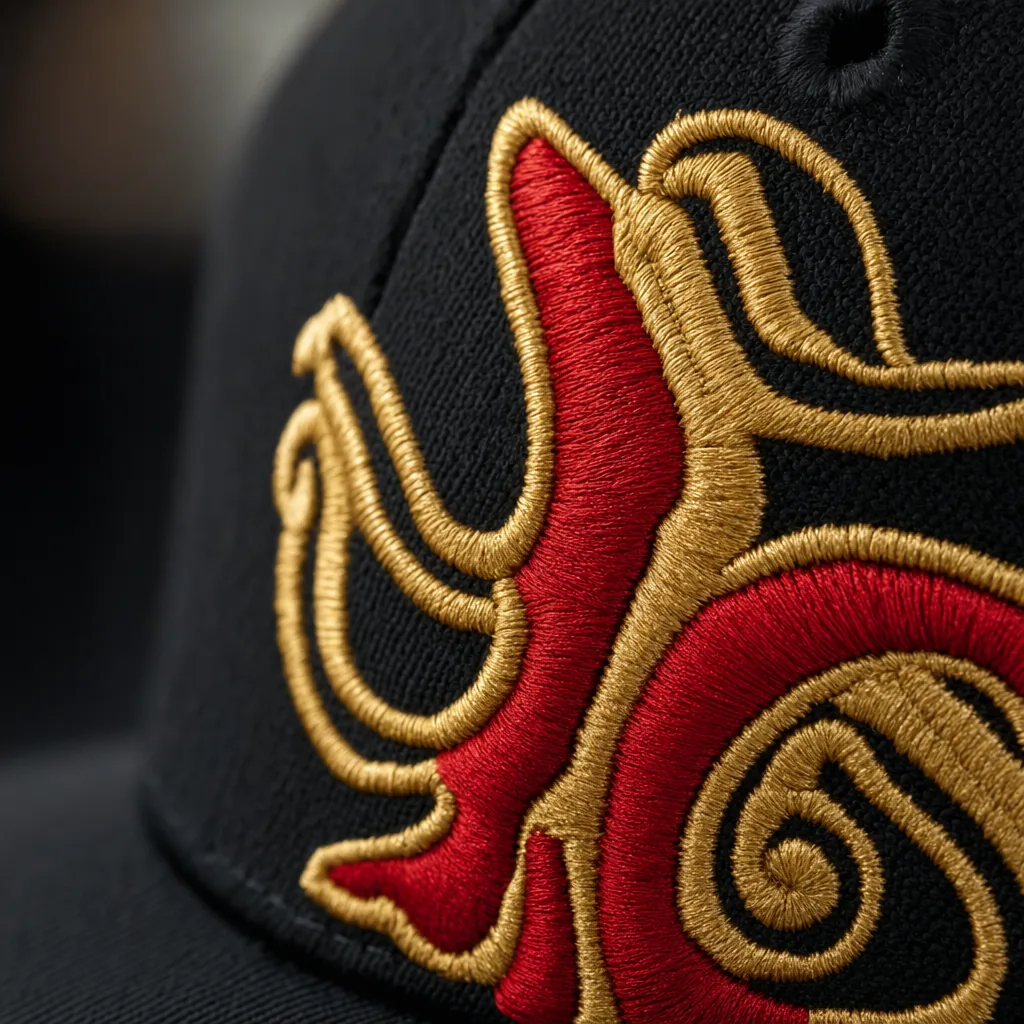
Custom Logo Hats: When to Use It, Costs, and What to Ask Your Factory
Read article →
Golf Hats For Men Sample Approval Process for Custom Hat Buyers
Read article →Hat With Patch Supplier Audit Checklist for Custom Hat Buyers
Read article →If you are ready to take the next step on bucket hat corduroy supplier audit checklist for custom hat buyers, our team can put a tailored quotation and digital mock-up in your inbox within 24 hours. Send the inquiry form on our contact page or message us directly on WhatsApp.