
Beanies for Men: Properties, Costs and How to Spec It Right (2026 Update)
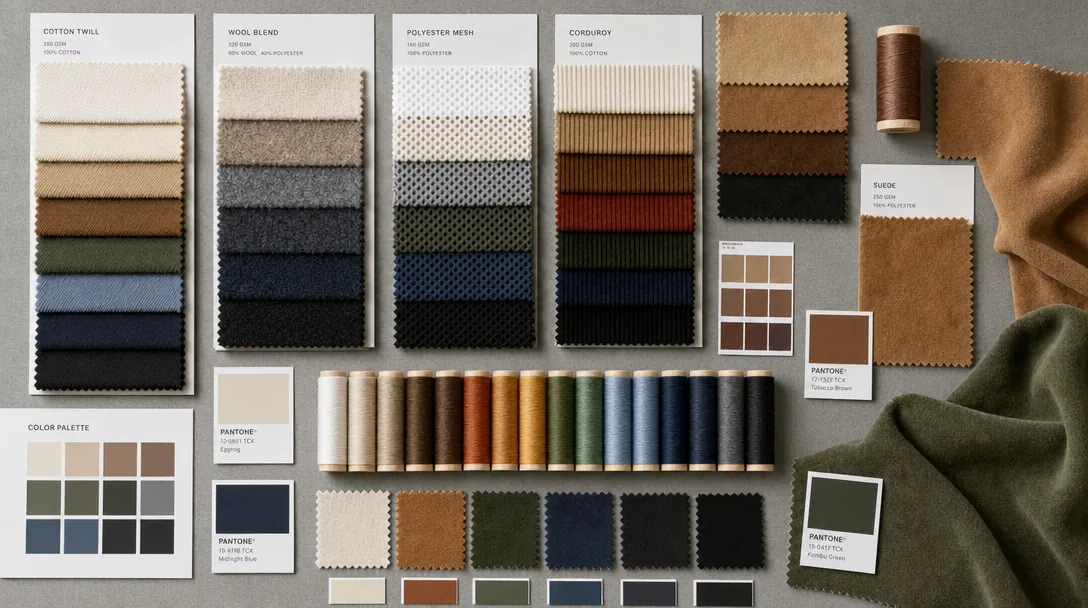
Beanies for Men: Properties, Costs and How to Spec It Right (2026 Update) is one of the most-asked questions we receive from international buyers, and for good reason. With dozens of factories competing for your order and an alphabet soup of technical terms in every supplier quote, even experienced importers can feel lost. This guide consolidates what we have learned producing custom hats for clients in 40+ countries.
Corduroy Hat Men's
Most corduroy programs fail because buyers spec them like brushed twill, then wonder why the panels shade off and the embroidery looks crooked. Real corduroy is a cut-pile woven fabric with a defined wale count; for men’s winter headwear, 11W to 14W at 240 to 300 gsm is the safe working window in 100% cotton or 98/2 cotton-spandex. Below roughly 220 gsm, the crown loses body and the ribs crush flat after carton packing. Above 320 gsm, seam build-up becomes a real problem, especially on 6-panel profiles, and embroidery registration starts drifting because the needle is climbing over the wales instead of a stable surface. Nap direction is the non-negotiable point. If a single front panel is cut upside down, it can read half a shade darker under TL84 or retail LED even when the lab dip passed. On our factory floor, corduroy gets one-way marker cutting, panel bundling by nap arrow, and a relaxation period before cutting; skip any of those and you buy avoidable shade claims.
For buyers searching beanies for men, the first thing to state clearly is that corduroy is usually the wrong substrate if the end use is a true beanie. Corduroy works for sewn silhouettes—unstructured caps, 5-panels, shallow buckets, soft-crown snapbacks—not for close-fitting knit headwear where stretch, thermal recovery, and low bulk matter. A 1x1 acrylic rib, recycled polyester knit, or 50/50 wool-acrylic blend will outperform corduroy on warmth-to-weight ratio and skull fit every time. Corduroy sells on texture, wale definition, and fashion value, not insulation. That distinction needs to be written into the line plan so the product is not benchmarked against knit beanies on the wrong criteria.
A usable spec sheet needs much more than “corduroy hat.” Lock the wale count, fiber content, finished weight tolerance at ±5%, Pantone TCX target, acceptable shade band, and whether the fabric is piece-dyed or yarn-dyed. Then specify crown height in centimeters, visor board type, sweatband material, seam construction, closure hardware finish, and shrinkage limit after steam finishing or wash test. Embroidery also needs its own callout: on Tajima or Barudan heads, fill density usually has to drop 10% to 15% versus chino twill, with heavier underlay and edge-walk to bridge the ribs without tunneling. Cost moves fast once you leave stock fabric. In Zhejiang, stock-color corduroy caps usually run about $2.90 to $4.80 FOB China at 300 to 500 pieces; custom dyeing, branded seam tape, leather patches, or chain stitch can push that to $5.50 to $7.80, with mill MOQs jumping from 144–300 pieces per colorway to 500–1,000. Inspect at AQL 2.5 and watch pile crush, broken ribs at needle penetrations, visor twist, seam slippage, oil marks, and color under both D65 and TL84, with Delta-E kept below 1.5 if apparel matching matters.
Cotton Beanie Men
Construction matters more than fiber content. In factory language, a “cotton beanie” usually falls into three buckets: cut-and-sew single jersey in 180 to 240 gsm combed cotton, often from tubular knit; sweater-knit cotton blends such as 60/40 cotton-acrylic or 70/30 cotton-poly on 7GG to 12GG machines; or premium 1x1 or 2x2 rib using ring-spun or compact-spun cotton with 3% to 8% elastane for recovery. Buyers sourcing beanies for men often assume 100% cotton is the upgrade, but on the production floor it is usually the least forgiving option. Pure cotton absorbs moisture, dries slowly, and loses shape unless yarn twist, stitch density, and compacting are tightly controlled. If you want a close skull fit that still snaps back after repeat wear, a cotton-rich rib with elastane will outperform a cheap 100% cotton tube beanie almost every time.
Black exposes weak specs faster than any other color. For dark cotton programs, lock in reactive dye or yarn-dye approval, require wash fastness minimum grade 4, and set dry and wet crocking standards high enough to prevent collar or skin staining; sulfur black is still used on low-end orders and it drives avoidable claims. A usable spec sheet should list yarn count in Ne or Nm, blend tolerance of plus or minus 3%, machine gauge, finished weight per piece, relaxed and stretched width, crown height, cuff depth, and shrinkage after one home-laundry cycle, ideally under 5% in both width and height. Color approval should be tied to a Pantone TCX reference or signed lab dip with Delta-E no greater than 1.5, because cotton shows lot-to-lot shade swing more clearly than acrylic, especially on black, navy, and washed olive.
Decoration and QC are where cotton beanies for men usually break down. Embroidery files built for structured twill caps will pucker soft rib and jersey unless the digitizer reduces stitch density, opens the underlay, and selects the right topping and backing for Tajima, Barudan, or ZSK heads. Woven labels are generally safer than heat transfers on rib structures, but placement still needs to be engineered: specify center-fold or end-fold, seam insertion method, and exact offset from center front on cuff applications, or 5 to 8 mm drift in bulk is common. Most rejects are predictable: crown seam grin, torque after washing, uneven rib recovery, needle lines from over-tensioned linking, and circumference variance outside tolerance. Final inspection should run at AQL 2.5 and include relaxed measurements, stretch-and-recovery checks, seam strength, crocking on dark shades, and broken-needle records under sedex-audit-cap-supplier-guide.html">BSCI 2.0 or Sedex SMETA 4-Pillar controls. In 2026, realistic MOQs are 300 to 500 pieces per color for stock-yarn cut-and-sew and 800 to 1,200 for custom yarn-dye or fully fashioned knits; FOB China is typically $1.10 to $1.80 for basic jersey, $1.80 to $3.20 for better rib blends, and $3.50 plus once you add jacquard logos, garment wash, or retail packaging.
Cotton Hats for Men
The most expensive mistake in cotton beanies for men is writing “100% cotton” into the brief as if fiber content defines the product. It does not. A fully fashioned rib-knit beanie on a 7-gauge or 12-gauge flat knitting program behaves very differently from a cut-and-sew watch cap made from 180-260 gsm tubular jersey. Those two constructions need different specs, different tolerances, and different QC points. For knit styles, you should call out gauge, yarn count, stitch density, finished height, cuff depth, and wales per inch. For jersey caps, the key controls are fabric weight, spirality, and recovery after washing. In practice, 32s combed cotton is common for cleaner retail programs, but pure 100% cotton still has weak memory: after repeated wear it bags at the crown, relaxes at the cuff, and loses shelf shape faster than most buyers expect. If fit retention matters, especially in black or other dark solids where distortion is obvious, a small blend usually performs better than pure cotton. A 95/5 cotton-spandex jersey or a 60/40 cotton-acrylic knit holds size more consistently, survives e-commerce returns better, and gives fewer complaints about “loose after one wash.” I would cap wash shrinkage at under 5% after one cycle at 30°C, hold finished measurement tolerance to +/-0.5 cm, and require both an unwashed approval sample and a washed approval sample before bulk. On color-critical orders, specify Pantone TCX and keep shade tolerance under Delta-E 1.5 to the approved lab dip under D65 light; deep black is where weak yarn prep and inconsistent dye lots show up first.
Cost on cotton beanies for men moves with yarn quality, machine time, and trim count, not with the word “cotton” itself. At 500-1,000 pieces, a basic single-layer rib-knit beanie in stock black or navy is usually around $1.40-$2.40 FOB China. Shift to combed compact yarn, double-layer construction, contrast tipping, a woven loop label, or front embroidery run on Tajima or Barudan heads, and the real range is closer to $2.80-$4.20 FOB. Sampling is rarely free on custom knitwear because the factory may need to open a fresh knitting program, make a strike-off, and wash-test the sample; $35-$80 per style is normal. MOQ is typically 300-500 pieces per colorway, though stock-yarn programs can sometimes start at 144 pieces if you accept limited shade options. Inspection is where margin is protected. The recurring failures on cotton beanie programs are crown seam torque, uneven cuff depth, yarn contamination, needle oil marks, and shade variation between dye lots. Appearance, measurements, labeling, and packing should be checked to AQL 2.5, with stretch-and-recovery testing and a wash review for skew, pilling, and cuff memory. If the retailer requires it, add metal detection after finishing. Our standard practice is to flag cotton as a comfort-first option for mild weather and indoor wear, not as the default winter material in a broader beanies for men range. For warmth, rebound, and cleaner shelf presentation after handling, wool-acrylic and recycled polyester blends usually outperform cotton.
Acrylic Yarn for Crochet Beanie
Acrylic remains the default yarn for entry-price crochet beanies because it is easier to control than wool on both color and cost. Most Chinese mills supplying beanies for men are running 100% polyacrylonitrile staple in practical counts such as 2/28Nm or 2/32Nm for standard bodies, with 1/10Nm used when the buyer wants a chunkier hand and visibly higher cover. High-bulk acrylic gives more loft after steaming, but it does not behave like premium merino; if the spinner overuses silicone softener, the yarn can feel slick in the sales sample and then lose recovery at the cuff after washing. Color consistency is the real reason acrylic wins commercial programs. For black, navy, and heather gray reorders, I would write shade tolerance directly into the tech pack: Delta-E 1.0 to 1.5 max versus Pantone TCX, checked under D65 lighting, with no carton-to-carton shade banding. If the color must stay tight across multiple POs, specify dope-dyed or tightly controlled package-dyed yarn, because “100% acrylic” alone tells the factory almost nothing about how stable the finished beanie will be.
The spec should lock down yarn count, ply, finished weight, stitch density, crown depth, cuff height, and wash performance before sampling starts. An adult acrylic crochet beanie for men usually lands around 85 to 120 grams per piece, but a double cuff, denser construction, or a 180 to 220 gsm polar fleece lining will push it past 130 grams quickly. Ask for pilling performance at grade 3-4 minimum after 5,000 rubs, colorfastness to crocking and perspiration, and a defined limit on spirality or torque if the body is worked in the round. Decoration method matters more than many buyers expect: direct embroidery, a heat-applied TPU patch, or even a folded woven label can distort open crochet and cause grin-through if the base is too loose. Pricing in Zhejiang for a basic acrylic crochet beanie is typically $1.10 to $2.20 ex-factory at 1,000 pieces using stock yarn shades; custom-dyed yarn usually pushes MOQ closer to 1,000 pieces per color and moves decorated or lined styles into the $2.80 to $4.50 range. For QC, AQL 2.5 is a sensible baseline, but I would weight major defects toward cuff height variance, uneven crown reduction, hard knots, yarn hairiness, and shade inconsistency across cartons rather than only obvious visual defects.
Cotton Beanie for Summer
A summer cotton beanie goes wrong when the mill treats it like a winter cuff style and only changes the fiber. For breathable beanies for men, the safer spec is 100% combed compact-spun cotton or a 95/5 cotton-spandex blend, knitted at 12GG to 16GG in single jersey or fine 1x1 rib. Piece weight should usually land around 45 to 75 g, which typically converts to about 55 to 90 gsm depending on crown depth and finished width. Avoid open-end cotton on retail programs; it is cheaper by a few cents per piece, but it pills fast, loses surface definition, and shows needle lines sooner after washing. A cleaner base is 30s to 40s Ne combed yarn, with finishing instructions written into the tech pack: enzyme wash for surface refinement, silicone softener for hand feel, or both if you can tolerate slightly higher shrinkage and more torque risk. Construction details matter more than buyers expect. Lightweight cotton knit exposes bad linking immediately, especially on black and navy bodies where a sharp six-point crown peak reads like low-end promo stock. Lock down relaxed opening, maximum stretch, body height, crown reduction method, needle gauge, and yarn tolerance at plus or minus 3%, not “similar to sample.” Color should be approved to Pantone TCX and checked under D65 with Delta-E below 1.5 for core shades; otherwise black, olive, and navy lots drift from lab dip to bulk. Decoration also needs to respect the fabric. Dense direct embroidery on a 16GG cotton body will tunnel unless the file is re-digitized at lower stitch density and run with proper backing on Tajima, Barudan, or ZSK heads. For a cleaner hand, woven fold labels or thin heat-transfer patches usually outperform front embroidery on lightweight summer knits.
MOQ is usually driven by yarn dyeing and knitting setup, not sewing time. For stock shades, 300 to 500 pieces per color is workable; for custom Pantone-matched yarn, 800 to 1,000 pieces per color is where the dye surcharge starts to make sense. In China, a plain summer cotton beanie generally lands around $1.10 to $1.90 FOB at 500 to 1,000 pieces. Add a custom label, low-density embroidery, or retail packing such as individual polybag plus header card, and the range is more like $1.60 to $2.80 FOB. Those numbers move quickly if you upgrade to mercerized cotton, request silicone-heavy finishing, or ask for tighter shade control across multiple production lots. Buyers comparing beanies for men across suppliers should look past the headline price and ask what yarn count, wash treatment, and crown construction are actually being quoted. The bulk failures are predictable: spirality after wash, uneven crown reduction, dropped stitches, needle barré, size variance beyond plus or minus 1 cm, and dark-label crocking onto pale cotton after moisture exposure. A factory with real controls should inspect to AQL 2.5, test dimensional stability after wash, run dry and wet crocking, and verify trim safety if metal components are added. Our standard practice is to check carton moisture before sealing, because cotton knit packed above roughly 12% regain during humid weather is far more likely to mildew in ocean transit. If the brief is low heat retention, decent breathability, and a moderate landed cost, cotton remains the practical option, but only if the supplier can hold knit tension, shade consistency, and crown shaping with the same discipline expected in a properly managed cut-and-sew cap line.
Best Material for Beanie
Acrylic still wins the volume game because it is the easiest fiber to control in bulk, not because it is the best-performing option. For beanies for men in promotional, team, or entry retail programs, a 100% acrylic 2x2 rib on a 3G or 5G flat knitting machine is the safest spec: stable dye uptake, low yarn breakage, and fewer surprises on crown linking. A commercial baseline is 28/2 or 32/2 yarn, finished weight 70-90 g, and fabric mass around 280-320 gsm. At 500-1,000 pcs, that usually lands around $1.10-$1.85 FOB China with a woven loop label; add roughly $0.18-$0.45 for flat embroidery depending on stitch count and backing. The tradeoff is obvious on the hand: cheaper acrylic can show filament shine, static, and fuzzing after light wear, which is why it often reads as giveaway stock unless the yarn quality is tightly screened. If the target is mid-tier retail, I would move straight to a 30/70 wool-acrylic blend or a 50/50 recycled polyester-acrylic blend rather than pretending low-grade acrylic can be “premium” with packaging. Wool-acrylic gives better warmth-to-weight and a drier, less plastic hand, but it also raises defect risk: shrinkage, prickle, lanolin odor from poor scouring, and more shade variation across dye lots. Recycled poly-acrylic is cleaner in production and usually more consistent in color continuity, but it can feel flat unless yarn loft is specified. Typical FOB for these blends is $2.20-$4.20 at similar volumes, with merino or cashmere blends moving higher fast and becoming inefficient below 300 pcs because fly, contamination, and needle fouling push second-quality rates above what most buyers budget.
The best material spec is short but unforgiving. Lock fiber content by percentage, yarn count in Nm or Ne, knit structure, machine gauge, finished weight, relaxed and stretched measurements, cuff depth, and approved shade against Pantone TCX with Delta-E below 1.5 if you expect repeat-order consistency. For a standard cuffed style in beanies for men, I would set body height at 21-23 cm before cuffing, cuff depth at 7-8 cm, opening circumference at 38-42 cm relaxed, and finished weight at 70-90 g. Add wash standard, shrinkage limit, spirality tolerance, and pilling performance; Grade 3-4 after 2,000 Martindale cycles is a realistic minimum for mid-market retail, while wool blends should stay under 5% shrinkage after gentle wash testing. Most claims come from QC points buyers failed to write down. On knit beanies, the repeat offenders are dye-lot shade drift, weak opening recovery after stretch, seam grin at the crown link line, oil contamination from knitting heads, cuff-height variation from manual folding, and embroidery distortion on soft ribs. If a front logo is involved, specify direct embroidery versus patch application before sampling. Rib knits and wool blends need lower stitch density, controlled underlay, and test runs on Tajima or Barudan heads to avoid tunneling and unreadable small text. AQL 2.5 is standard, but knitwear should be measured more aggressively than cut-and-sew caps; a 1 cm variance at the cuff opening changes fit enough to trigger returns even when the defect looks minor on the inspection table.
Working with CrownsForge for beanies for men programs
Most failures in beanies for men programs start in the tech pack, not on the knitting floor. If gauge, cuff depth, and decoration method are left open, two factories can quote the same style and deliver visibly different products. A usable pack should lock yarn composition by percentage, yarn count, needle gauge, finished body height and width after washing, cuff height, logo dimensions in millimeters, label location, and folding method. For acrylic and acrylic/poly blends, I also want approved Pantone TCX references, acceptable Delta-E tolerance, and a defined shrinkage limit after one wash, typically under 3% for retail programs. Sampling is fast only when the inputs are fixed: 5 to 7 working days for stock-color acrylic knits, but 10 to 14 working days when Pantone lab dips, custom jacquard graphing, recycled yarn sourcing, or revised cuff proportions are involved. Real MOQs are usually 144 pieces per color for cut-and-sew fleece beanies and 300 pieces per style for fully fashioned 7GG or 12GG knits, assuming the same yarn lot, gauge, and construction stay unchanged.
Cost control is won or lost in decoration and order discipline. For cuffed beanies for men, the lowest-risk branding methods are 5,000 to 9,000-stitch flat embroidery, woven loop labels, merrow-edge patches, and 2D TPU badges applied after blocking. Embroidery directly on the knit body, tested on Tajima or Barudan heads with proper pull compensation and backing, almost always registers better than outsourced badges sampled on a non-stretch dummy fabric. Black-on-black styles are where weak process control shows up fast under retail LED lighting, so yarn lot approval against a Pantone standard and contrast checks at close viewing distance matter more than a digital rendering. Our standard practice at CrownsForge is to freeze a PPS with approved yarn lot, gauge, cuff tolerance of plus or minus 0.5 cm, embroidery placement tolerance of plus or minus 2 mm, carton marks, and packing ratio before bulk starts. From there, scalable control means inline checks on knit density, cuff recovery, body height, and trim attachment, then final audit at AQL 2.5 with fiber-content labels, needle policy records, azo-free declarations, and BSCI 2.0 or Sedex SMETA 4-Pillar files ready before ship release.
Frequently Asked Questions
What is the minimum order quantity (MOQ) for custom hats?
Our standard MOQ is 100 pieces per design and color, with sampling available from 1 piece. For complex multi-color logos or premium fabric upgrades, the MOQ can be lowered with a small per-piece surcharge.
Do you support sustainability certifications?
Yes. We work with GOTS organic cotton, GRS-certified recycled polyester, OEKO-TEX Standard 100 fabrics, and are BSCI and Sedex audited. Certification documentation can be provided per order.
Which shipping methods do you support?
We support FOB, CIF and DDP shipping. Air express for samples and small orders, sea LCL for 100 to 500 pieces, sea FCL for 5,000+ pieces. Door-to-door DDP available for US, EU, UK, Canada and Australia.
What file format should I send for my logo?
Vector files (AI, EPS, PDF) are ideal. High-resolution PNG or JPG at 300 dpi on transparent background works as a fallback. Provide Pantone color references for accurate reproduction.
How long does production take?
Sampling takes 7 to 12 days. Bulk production runs 20 to 30 days depending on quantity, fabric availability and decoration complexity. Inspection and packing adds another 3 to 5 days before shipment.
How do I find a reliable custom hat manufacturers usa?
When evaluating custom hat manufacturers usa, the key considerations are construction quality, decoration capability, MOQ flexibility and lead time. Cover everything buyers ask about corduroy hat men's: how it's manufactured, what specs to request from a factory, typical MOQ and pricing, common quality issues to inspect for, and how this ties back to the broader beanies for men sourcing decision. Cover everything buyers ask about cotton beanie men: how it's manufactured, what specs to request from a factory, typical MOQ…
How does ordering beanie hats custom work?
When evaluating beanie hats custom, the key considerations are construction quality, decoration capability, MOQ flexibility and lead time. Cover everything buyers ask about cotton beanie men: how it's manufactured, what specs to request from a factory, typical MOQ and pricing, common quality issues to inspect for, and how this ties back to the broader beanies for men sourcing decision. Cover everything buyers ask about cotton hats for men: how it's manufactured, what specs to request from a factory, typical…
What should buyers know about corduroy hat men's?
When evaluating corduroy hat men's, the key considerations are construction quality, decoration capability, MOQ flexibility and lead time. Cover everything buyers ask about corduroy hat men's: how it's manufactured, what specs to request from a factory, typical MOQ and pricing, common quality issues to inspect for, and how this ties back to the broader beanies for men sourcing decision. Cover everything buyers ask about cotton beanie men: how it's manufactured, what specs to request from a factory, typical MOQ…
What should buyers know about black bucket hat men?
When evaluating black bucket hat men, the key considerations are construction quality, decoration capability, MOQ flexibility and lead time. Cover everything buyers ask about corduroy hat men's: how it's manufactured, what specs to request from a factory, typical MOQ and pricing, common quality issues to inspect for, and how this ties back to the broader beanies for men sourcing decision. Cover everything buyers ask about cotton beanie men: how it's manufactured, what specs to request from a factory, typical MOQ…
Looking for a reliable hat manufacturer in China?
CrownsForge has produced custom hats for 800+ brands across 40 countries. From 100-piece launches to 100,000-piece retail programs, we deliver on time and on spec.
Get in touchRelated guides
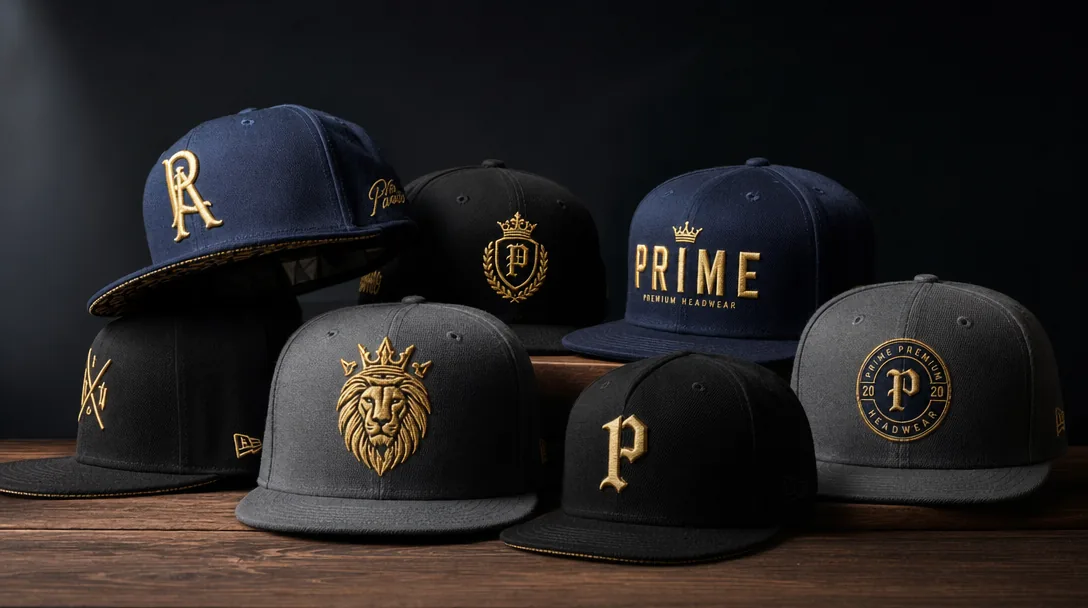
Reflective Trim Running Cap Bulk: A 2026 B2B Sourcing Guide
Read article →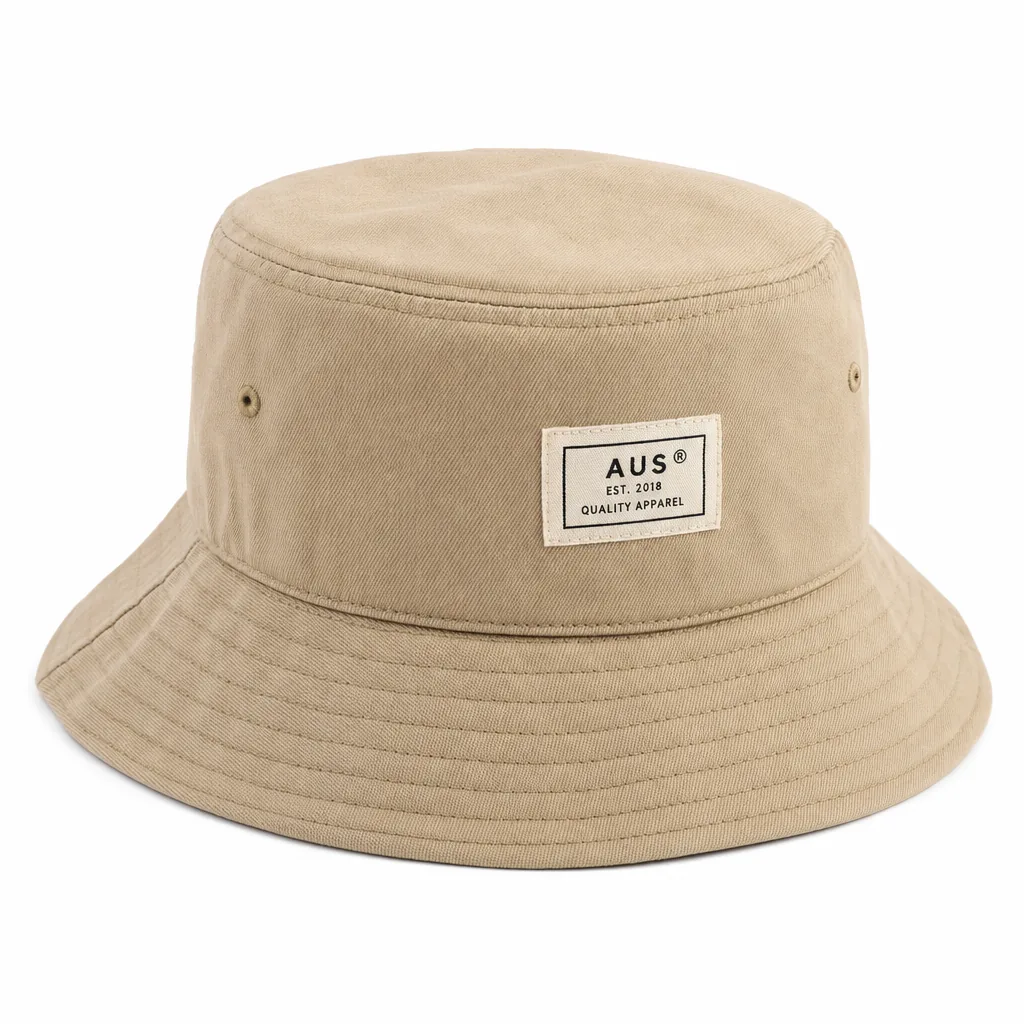
5-panel Hat Men: A 2026 B2B Sourcing Guide
Read article →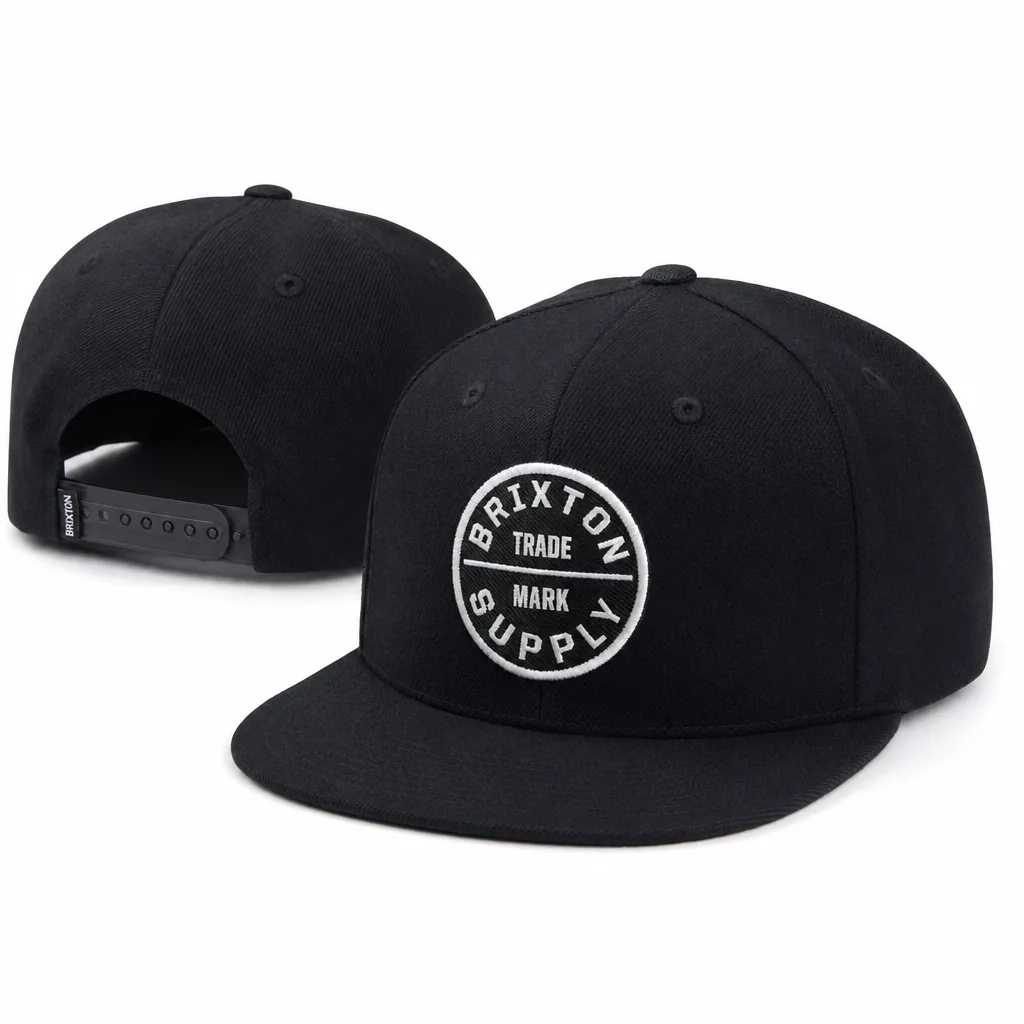
Festival Hat Women's: A Vertical-Specific Sourcing Guide
Read article →Sourcing custom hats does not have to be complicated. With the right manufacturing partner, clear specifications and a small upfront investment in sampling, you can launch a retail-quality product in 30 to 45 days.