
Snapback vs Fitted vs Adjustable: Cap Closure Systems Compared - Supplier Checklist - Supplier Checklist
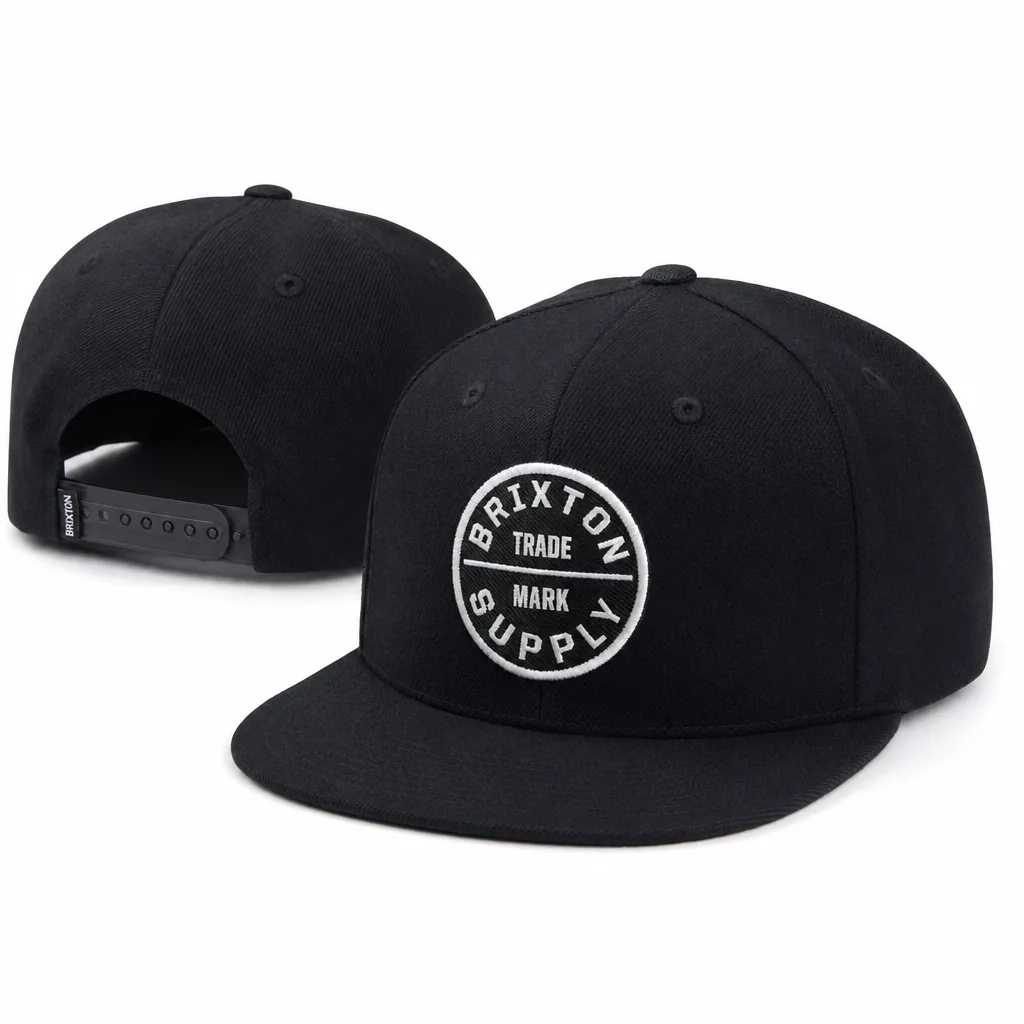
Snapback vs Fitted vs Adjustable: Cap Closure Systems Compared - Supplier Checklist - Supplier Checklist is one of the most-asked questions we receive from international buyers, and for good reason. With dozens of factories competing for your order and an alphabet soup of technical terms in every supplier quote, even experienced importers can feel lost. This guide consolidates what we have learned producing custom hats for clients in 40+ countries.
The five closure systems in commercial production
The five closure systems that matter in commercial production are plastic snap, self-fabric strap with metal slider, self-fabric tuck strap with buckle, hook-and-loop, and fitted closed back. In any real snapback vs fitted decision, the factory variable that changes the whole program is SKU count, not aesthetics. A standard adult snapback can cover roughly 56-60 cm with one crown block using a 7-hole or 8-hole PP or PE closure, which keeps cutting, sewing, and replenishment simple. Fitted caps for U.S. retail usually break into 6 7/8 to 7 5/8 in 1/8-size increments, sometimes extending to 7 3/4, so one PO immediately turns into six to eight size-specific bundles, labels, carton ratios, and reorder forecasts. That complexity matters more than most buyers expect once the line is running.
The cost structure follows the same logic. Injection-molded snaps are still the volume standard for streetwear and licensed sports because they are fast to install, dimensionally stable, and cheap at about $0.08-$0.18 per cap FOB for stock colors; custom-matched resin, translucent snaps, or higher pin-strength tooling can push the add-on above $0.25. Strapbacks look simpler than they are. On 260-300 gsm brushed cotton twill, enzyme-washed chino, or 70D nylon taslon, a slider or tuck buckle typically adds $0.18-$0.40 versus a basic snap because the labor sits in strap turning, edge-fold consistency, topstitch spacing, buckle setting, and rear-arch symmetry. Fitted is the most unforgiving closure system: a 0.5 cm circumference error will generate returns, especially after sweatband joining and crown forming. Our standard practice is in-line block checks by size, circumference verification before packing, and final inspection to AQL 2.5, because fitted gives you a clean back profile for embroidery on Tajima or Barudan heads but also the highest inventory and spec risk.
Hook-and-loop sits at the opposite end of the sizing spectrum from fitted: it is forgiving, quick, and widely used in promo, golf, and event caps, but only if the tape grade is good enough. Low-cost hook-and-loop often loses holding power after a few hundred cycles, the loop face pills, and lint buildup becomes visible under retail lighting, so export programs should specify cycle-tested tape instead of treating it as a commodity trim. Assembly details matter too. On unstructured 6-panel caps, the rear opening needs reinforcement and balanced bartacks; otherwise the closure distorts the back arch and the cap twists off-center after washing or repeated use. If I had to reduce the five systems to production logic, snapbacks win on output speed and inventory efficiency, strapbacks win on perceived premium value, hook-and-loop wins on fit tolerance, and fitted wins only when the brand is willing to absorb the extra MOQ fragmentation, shade-control pressure, and size-level return risk.
Plastic snap (snapback) economics
In snapback vs fitted, the real economic win is not the PP closure itself; it is the collapse of size complexity. A standard adult snap set with 8 sockets and 7 pegs usually covers about 54–61 cm finished head circumference on a structured 6-panel, replacing a fitted run like 6 7/8 through 7 3/8 in one SKU. That removes four to six size codes per colorway, logo variation, and carton marking, which matters far more than a $0.035–$0.065 closure cost at 3,000 pieces. On the factory floor, fewer sizes mean fewer marker plans, less WIP segregation by shell and sweatband, fewer relabeling errors, and cleaner final packing. For open-size retail, event merchandise, and promo distribution, that inventory compression typically saves more margin than any BOM discussion about the snap itself. The hidden cost in fitted programs is replenishment risk. Once you split an order across six or seven sizes, one broken ratio can leave you long in 7 1/4 and short in 7 1/8, even if total unit sales look healthy. That dead stock is where snapback usually beats fitted on landed economics, especially under FOB Ningbo or Shanghai where every extra assortment adds handling at packing and DC level. Compared with other adjustable systems, plastic snap is generally $0.15–$0.45 cheaper than leather strap with metal clasp, woven tape with flip buckle, or hook-and-loop, while also removing several sewing operations. That is why structured streetwear caps, truckers, and licensed team product still default to snapback when the brief is broad fit coverage with tight margin control.
Plastic snaps stay dominant because they are fast to install, widely available, and mechanically reliable when the back opening is built correctly. On a standard press, attaching a pre-molded snap set is quicker and more consistent than sewing a self-fabric strap and fitting a metal buckle; defect rates stay low if the opening is stabilized with binding tape or reinforced buckram. Stock colors usually cover black, white, navy, red close to Pantone 186 C, royal, gray, khaki, and dark green. Custom color matching is possible from roughly 500–1,000 sets, but buyers should expect resin-to-textile mismatch under D65 lighting because molded PP reflects differently than cotton twill or poly mesh. A practical standard is lab dip or signed swatch approval, then visual tolerance based on end-use rather than chasing a Delta-E target that molded hardware cannot hold like dyed fabric. The tradeoff is appearance and fit precision, not function. A snapback adjusts in fixed increments, so it feels less granular than a tri-glide strap, and on low-profile crowns the rear opening can look awkward if the pattern started as a fitted body. For heritage builds—80/20 acrylic-wool, 100% cotton twill, flat visor, green undervisor, embroidered eyelets, front logo run on Tajima, Barudan, or ZSK heads—plastic snap is still the historically correct and cheapest solution. For elevated retail or washed unstructured caps, the same snapback vs fitted economics may lose to a cleaner back view. Our standard practice is to test peg engagement, crack resistance, and 200-cycle open-close durability, then inspect under AQL 2.5 because retail shoppers handle trucker snaps hard before purchase.
Fabric strap with metal buckle (dad hat aesthetic)
A fabric strap with a metal buckle works when the cap needs to read broken-in and casual, not team-issued or performance-driven. In the snapback vs fitted decision, this closure sits in the practical middle: one size usually covers about 54–62 cm head circumference, so the buyer avoids splitting inventory into S/M and L/XL runs. Standard construction is a 16 mm or 18 mm self-fabric strap cut from the same shell as the crown, most commonly brushed cotton twill at 180–220 gsm or washed cotton canvas around 8–10 oz. For pigment-washed or enzyme-washed dad hats, antique brass is still the safest trim finish because it hides abrasion better than matte black or bright nickel after laundry. Compared with a basic PE snap tab, the strapback usually adds about $0.12–$0.20 FOB per cap from hardware cost and extra labor: cutting the strap, folding the tail, edge finishing, bartacking, and threading the buckle all take real operator time. Material behavior matters more than buyers expect. Cotton twill feeds cleanly and holds friction in a standard slider, but slick shells such as 70D taslon, 210D calendered nylon, or low-friction microfiber can creep under tension unless you use a self-locking slider or back the strap with a light fusible interlining. Wool blends also need cleaner edge control because the strap tail will fuzz and fray faster than cotton if the turn-back is inconsistent. Our standard practice is to keep buckle-slot tolerance within 0.5–1.0 mm of finished strap width; wider than that, the strap slips during wear, tighter than that, sewing operators force the assembly and twist the strap grain. Rear-opening alignment should stay within 2 mm of center, because an off-center buckle is obvious at first glance and reads as low-grade workmanship even when the front embroidery is perfect.
The supplier checklist should lock down more than “fabric strap, metal buckle.” Call out strap fabric, gsm or oz weight, finished width, buckle type, finish, plating standard, tail construction, and whether the excess strap tucks into a keeper loop or hangs free. Stitching detail should be specified too: a clean 1-needle topstitch at 7–9 SPI is normal on washed cotton, while the bartack at the strap anchor should land around 18–24 stitches depending on thread ticket and fabric thickness. If rear embroidery or a woven label sits above the opening, leave at least 8–10 mm clearance from the strap seam so the buckle does not crowd the artwork or distort the stitch field during assembly. Color control is where many strapbacks fail. The strap should be cut from the same dye lot as the crown, especially on washed black, olive, khaki, and dusty pink, where even a half-shade mismatch is visible under store lighting. For programs that use Pantone TCX references, washed goods should still have an agreed lab dip tolerance, because garment wash softens the target and makes casual “close enough” calls dangerous. Hardware matching should also be written into the trim card: buckle, eyelets, rear D-ring if used, and any metal logo plate need the same finish family and acceptable plating variation. Under AQL 2.5, I would classify plating scratches, twisted straps, raw exposed edges, and crooked rear openings as major visual defects. When buyers compare closures side by side in a snapback vs fitted assortment, this is exactly the sort of back-view detail that decides whether a strapback feels premium or merely cheap.
Velcro (lowest cost, widest range)
Velcro hook-and-loop remains the cheapest closure on a cap BOM, and the savings are material, not cosmetic. On a standard 6-panel 260 gsm brushed cotton twill cap, a 20 mm nylon hook-and-loop set typically adds $0.03 to $0.06 FOB Ningbo, compared with $0.10 to $0.16 for an injection-molded PP snap strap and around $0.15 to $0.26 for a metal buckle with tuck strap. On a 10,000-piece promo order targeting a sub-$2.50 FOB cap, that difference can preserve margin or fund a better front decoration spec, such as 12,000 to 15,000 stitches on a Tajima 3D embroidery file instead of a flatter, cheaper sew-out. The fit range is the other reason buyers still specify it: with a correctly graded back opening and 20 to 25 mm overlap, Velcro usually covers roughly 54 to 63 cm head circumference, including youth-to-small adult crossover sizes where fixed-hole snap systems leave gaps. That broad adjustment range matters more than aesthetics in distribution-heavy programs. For school issues, campaign merchandise, charity runs, and event giveaways, Velcro generates fewer size exchanges than almost any closure because the wearer does not need to align preset pegs or understand fitted sizing. In a practical snapback vs fitted comparison, hook-and-loop sits outside the style debate; it is the utility option for buyers who prioritize lowest landed cost, broad fit tolerance, and quick on-off wear. The tradeoff is lifespan under dirt and repeated opening cycles. Low-grade tape loses holding power fast once the loop side loads with lint or the hook side starts to flatten, so the closure spec should call out nylon rather than mixed-fiber tape, dense stitch-down around the perimeter, and wash/abrasion checks before mass production.
The problem with Velcro is not function but perception. Even on a clean cap body with fabric matched to Pantone TCX within Delta-E 1.5 and crisp embroidery running on Barudan or ZSK heads, a cheap black hook-and-loop tab can make the entire product read as ad-specialty stock. That is why it works on uniforms, fishing caps, youth programs, and price-sensitive outdoor merchandise, but struggles on streetwear, licensed sports, and corporate gifting where closure hardware contributes to retail value. In those categories, buyers comparing snapback vs fitted are usually debating silhouette and brand language; Velcro changes the conversation by signaling utility first, style second. The technical checklist should be stricter than many importers realize. Use 20 to 25 mm tape, specify color-matched loop where visible, and test peel strength and shear after sewing because excessive needle heat or poor stitch density can weaken the tape edge before the crown fabric fails. AQL 2.5 inspection should include lint pickup, edge fray, skewed alignment at the back opening, and closure performance after repeated cycles; 500 open-close cycles is a reasonable in-house benchmark for promo-grade goods. Our standard practice is to reject low-grade tape that sheds fiber, curls at the cut edge, or loses engagement before the sweatband and shell show meaningful wear. If the cap is shelf-facing or intended to support a higher retail, Velcro should be a conscious exception rather than the default closure choice.
Fitted: why some brands accept the operational cost
Fitted caps make economic sense only when the brand can monetize precision, because sizing turns one SKU into a managed size run. A standard adult curve is usually 6 7/8 to 7 1/2, with licensed programs often extending to 7 5/8 or 7 3/4; that is six to eight sellable sizes before you even split by colorway. On the production side, a good fitted program holds finished inside circumference within about +/-3 mm, crown depth within +/-2 mm, and left-right panel symmetry tight enough that the visor centerline does not drift. In a snapback vs fitted decision, that is the real operational divide: a snap closure absorbs grading error, while a fitted cap exposes every inconsistency in pattern grading, buckram set, sweatband elasticity, seam allowance, and visor press angle. Buyers usually accept that burden only when the product is being sold as authentic, on-field-inspired, or premium streetwear rather than promotional headwear.
The cost penalty is less about the factory surcharge than about complexity and inventory risk. A 144-piece MOQ on an adjustable style can easily become 360 to 432 pieces on fitted once volume is spread across five or six sizes with a commercially usable ratio, and fringe sizes are where margin dies. Size labels, cutting tickets, sewing bundles, carton assortment, and final pack-out all become size-controlled; one 7 1/8 packed into a 7 3/8 master carton is not a minor defect, it is a return and often a chargeback. Our standard practice is AQL 2.5 with size-assortment verification, circumference spot-checks, and carton audits, not just visual inspection of embroidery and sewing. Embellishment is also less forgiving across the size curve. The same 3D puff logo can look balanced on a 7 1/2 but feel crowded on a 6 7/8 if the digitizing is not adjusted for panel tension and crown geometry on Tajima or Barudan heads. Factory FOB may rise only $0.35 to $0.80 per cap versus a comparable snapback or strapback, but in snapback vs fitted programs the bigger tax is dead stock at the smallest and largest ends of the run.
MOQ implications by closure type compared
MOQ is where the snapback vs fitted decision turns from styling into inventory math. Adjustable closures let the factory build one body spec and one size label, so the opening run can stay at 100-144 pcs per colorway for a standard 6-panel cap, assuming common fabrics like 280 gsm cotton twill, 300 gsm brushed canvas, or 150D polyester with fused buckram. That means one marker, one sweatband length, one carton ratio, and fewer leftover components. On the trim side, the closure hardware is cheap and easy to buffer: a PP plastic snap set usually adds $0.05-$0.10 per cap, while a self-fabric strap with metal tri-glide or buckle runs closer to $0.16-$0.38 depending on plating, webbing width, and whether the strap color needs Pantone TCX lab-dip approval within a Delta-E tolerance the buyer will actually sign off on.
Fitted caps are where buyers get burned on “low MOQ” claims. A factory may quote 144 pcs MOQ, but fitted rarely means 144 total units; it usually means a full size curve across 4-6 sizes, with minimums per size to keep cutting and sewing stable. A realistic opening order is more often 288-576 pcs per colorway, especially if the run includes sizes like 7, 7 1/8, 7 1/4, 7 3/8, and 7 1/2 in a demand curve such as 24/36/36/24/12. Every size needs its own graded pattern, sweatband circumference, seam-tape placement, size sticker, barcode, and carton assortment. On the inspection side, AQL 2.5 is not just about appearance; you are also checking finished head circumference tolerance, visor symmetry, and crown shape consistency after steaming. Our standard practice is to push adjustable programs first unless the buyer already has hard sell-through data by size, because dead stock in fitted is usually created in planning, not in production.
How to spec the right closure for your retail positioning
Lock the closure before you finalize fabric, crown height, or size curve; it drives SKU architecture, margin, and returns more than most buyers expect. In a real snapback vs fitted decision, the first question is not style but demand predictability. A standard 7-post polypropylene snap typically covers about 54-61 cm head circumference in one SKU, sometimes 53-60 cm if the back opening is short, so it is the safest choice for ecommerce, tourist retail, and short-run streetwear where size demand is uneven. Fitted caps are the opposite: most adult runs need 6 7/8 through 7 5/8, and licensed team programs often push to 6 3/4 through 7 3/4. That means 6-9 size SKUs per color, each with its own carton ratio, barcode, and replenishment risk. Miss one size by 80 units and that inventory is stranded; you cannot blend a 7 1/8 back into a 7 3/8 run. Fitted only makes sense when the customer values exact-size authenticity enough to absorb the operational drag. Closed-back caps need tighter grading tolerances, more disciplined sweatband joining, and stricter final inspection because oval distortion and rear-seam twist are obvious once the visor is set. On embroidery-heavy builds running on Tajima or Barudan heads, a poorly balanced fitted crown will telegraph every problem after blocking, especially with 3D front logos over buckram. Our standard practice is to inspect fitted programs to AQL 2.5 with specific checks for circumference tolerance, crown symmetry, visor centering, and rear seam alignment, because a defect that is acceptable on a snapback will look like a reject on a closed-back cap.
If the brand wants an adjustable cap but needs a more premium retail read, move from plastic snap to strapback and spec the hardware properly. A self-fabric strap with tuck-in slot, antique brass buckle, or debossed leather tab usually adds about $0.18-$0.45 per cap in Yiwu versus a basic injected snap, depending on fabric gsm, hardware plating, and whether the strap is turned and edge-stitched. On washed cotton twill, brushed canvas, or 8-12 wale corduroy, that cost is justified by labor: you have to control seam bulk, prevent needle marks, and keep the back arch clean while setting buckle hardware. If you claim premium positioning, do not leave the closure vague. Call out plating performance, leather thickness around 1.2-1.4 mm, stitch density, and color approval to Pantone TCX with an agreed Delta-E tolerance, or the closure will undermine the whole cap. For entry-price retail, events, and mass promo, function usually beats narrative. Hook-and-loop is still the cheapest one-size path, but only if the tape is specified beyond "Velcro style." Low-grade hook-and-loop pills, curls at the opening, and loses peel strength fast; after a few thousand cycles it starts looking tired even when the crown is still clean. I would not approve generic tape without a minimum cycle target around 10,000 openings, bartacks at both ends, and inline checks for alignment, stitch count, and peel hold. Even so, many adult programs are better served by a basic snapback because the retail presentation is cleaner for only about $0.05-$0.12 more. In practical terms: choose snapback for broad sell-through and lower return risk, strapback for premium-minimal brands, and fitted only for hero SKUs or proven colorways where the customer expects exact sizing and will pay for it.
Frequently Asked Questions
How long does production take?
Sampling takes 7 to 12 days. Bulk production runs 20 to 30 days depending on quantity, fabric availability and decoration complexity. Inspection and packing adds another 3 to 5 days before shipment.
Do you support sustainability certifications?
Yes. We work with GOTS organic cotton, GRS-certified recycled polyester, OEKO-TEX Standard 100 fabrics, and are BSCI and Sedex audited. Certification documentation can be provided per order.
What logo decoration techniques do you offer?
3D puff embroidery, flat embroidery, woven patch, leather patch, PVC patch, screen printing, sublimation, applique and laser etching, all in-house with no subcontracting.
Can I order a sample before bulk production?
Yes. We strongly recommend approving a pre-production sample before mass production. Samples are charged at 35 to 60 USD each plus express shipping, fully refundable against confirmed bulk orders over 500 pieces.
Which shipping methods do you support?
We support FOB, CIF and DDP shipping. Air express for samples and small orders, sea LCL for 100 to 500 pieces, sea FCL for 5,000+ pieces. Door-to-door DDP available for US, EU, UK, Canada and Australia.
What should buyers know about cotton twill baseball cap?
When evaluating cotton twill baseball cap, the key considerations are construction quality, decoration capability, MOQ flexibility and lead time. Universal sizing 54-62cm with 8 snap positions. Single SKU per design covers most adults. Adds ~$0.05 per cap for hardware. Industry-standard for retail snapback hats, trucker caps, casual baseball caps. Available in 8 stocked colors; custom Pantone-matched snaps at 500+ pieces. Plastic snap (snapback), fabric strap with metal slide buckle, fabric strap with tuck-buckle,…
What should buyers know about flat bill hats snapback?
When evaluating flat bill hats snapback, the key considerations are construction quality, decoration capability, MOQ flexibility and lead time. Universal sizing 54-62cm with 8 snap positions. Single SKU per design covers most adults. Adds ~$0.05 per cap for hardware. Industry-standard for retail snapback hats, trucker caps, casual baseball caps. Available in 8 stocked colors; custom Pantone-matched snaps at 500+ pieces. Plastic snap (snapback), fabric strap with metal slide buckle, fabric strap with tuck-buckle,…
How does ordering custom flat bill hat embroidery work?
When evaluating custom flat bill hat embroidery, the key considerations are construction quality, decoration capability, MOQ flexibility and lead time. Universal sizing 54-62cm with 8 snap positions. Single SKU per design covers most adults. Adds ~$0.05 per cap for hardware. Industry-standard for retail snapback hats, trucker caps, casual baseball caps. Available in 8 stocked colors; custom Pantone-matched snaps at 500+ pieces. Soft fabric strap (1.5-2cm wide) with antique brass slide buckle. Fits 54-63cm. Adds ~$0.15 per…
What should buyers know about baseball hats women?
When evaluating baseball hats women, the key considerations are construction quality, decoration capability, MOQ flexibility and lead time. Universal sizing 54-62cm with 8 snap positions. Single SKU per design covers most adults. Adds ~$0.05 per cap for hardware. Industry-standard for retail snapback hats, trucker caps, casual baseball caps. Available in 8 stocked colors; custom Pantone-matched snaps at 500+ pieces. Plastic snap (snapback), fabric strap with metal slide buckle, fabric strap with tuck-buckle,…
Is a fitted hat a snapback?
Comparing Style and Fit Snapbacks have an adjustable snap closure, usually made from plastic, that you can use to adjust the size of the cap to fit your head perfectly. A fitted cap is just a hat, with no adjustable sizing. The snapback design is bolder, with a more structured high crown and a flat brim.
Do baseball players wear snapbacks or fitted?
The snaps are usually plastic even if the cap is made of wool, cotton, or other material. Popularized by New Era, the official hat supplier to the MLB, the snapback cap is de rigueur for Major League baseball players.
Are snapbacks better than fitted?
Fitted hats are a great choice if you know your size and want to build a collection of caps for casual wear, while snapback caps are ideal for streetwear fashion enthusiasts and make a bold statement. Both hats come in a range of colors and designs, so the right choice for you all comes down to your own personal style.
What does it mean if a hat is fitted?
Fitted hats are called “fitted” because they're designed to fit the wearer's head snugly without adjustable snaps or straps. That means these hats are sized specifically to the wearer's head, ensuring a natural fit. This modern-day baseball cap comes in 20 sizes to fit nearly any head shape or size.
Why do they call it a snapback?
The name “snapback” comes from the way the plastic strap snaps together to adjust the fit. Unlike fitted caps, which come in fixed sizes, snapback hats are usually designed as one size fits most, making them a popular choice for bulk orders, team hats, promotional merchandise, and custom branding.
Looking for a reliable hat manufacturer in China?
CrownsForge has produced custom hats for 800+ brands across 40 countries. From 100-piece launches to 100,000-piece retail programs, we deliver on time and on spec.
Get in touchRelated guides
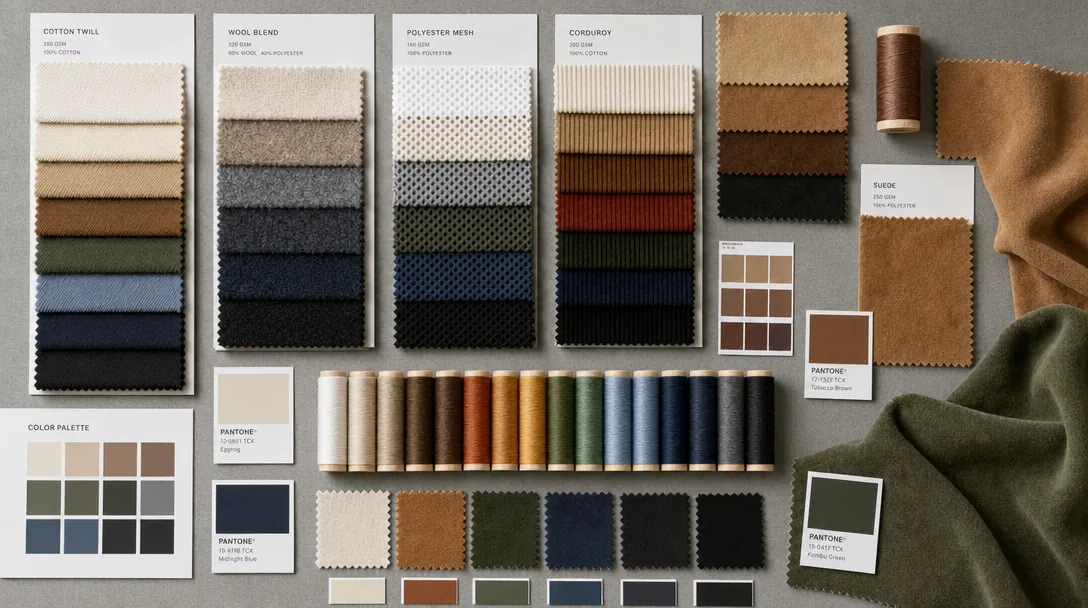
Camouflage Bucket Hat: Properties, Costs and How to Spec It Right - Cost & MOQ Breakdown - Cost & MOQ Breakdown - Cost & MOQ Breakdown
Read article →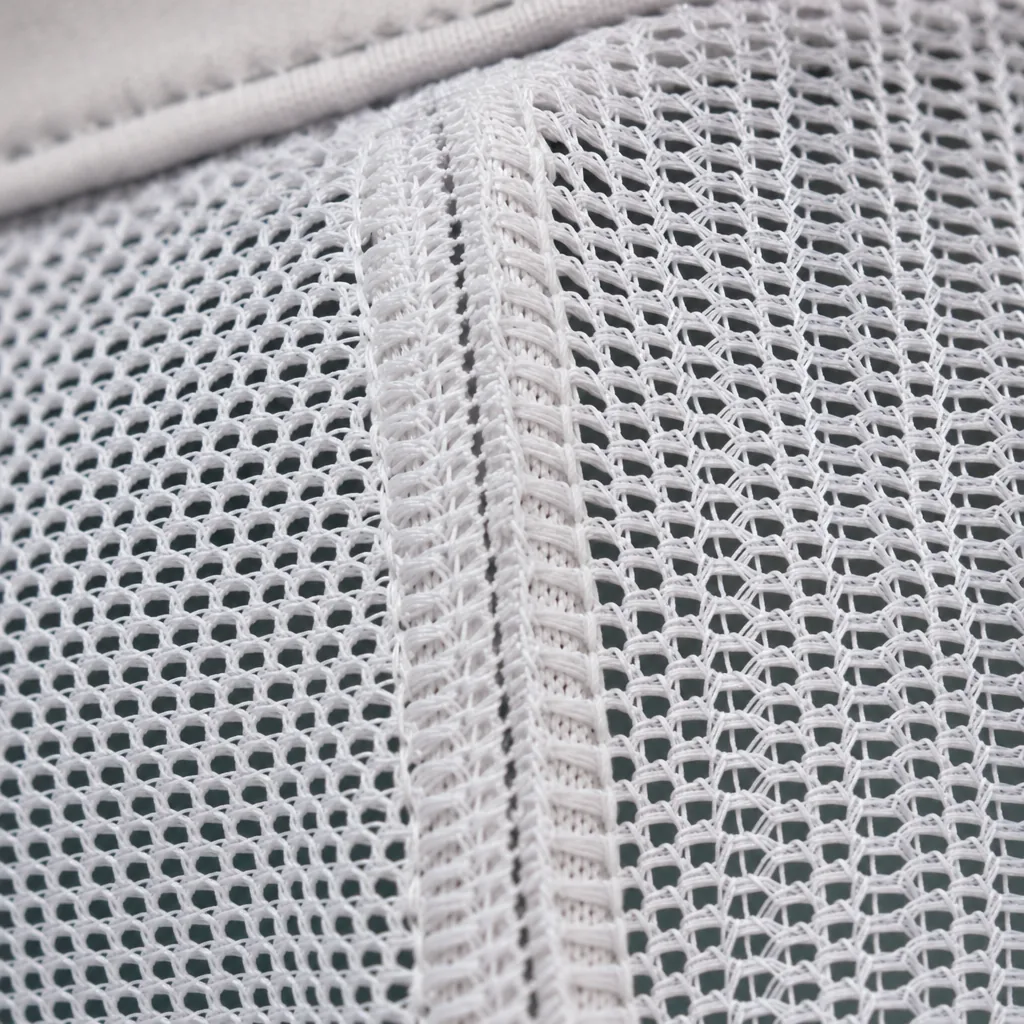
Custom Hat Trucker: The 2026 Sourcing & Manufacturing Playbook - Cost & MOQ Breakdown
Read article →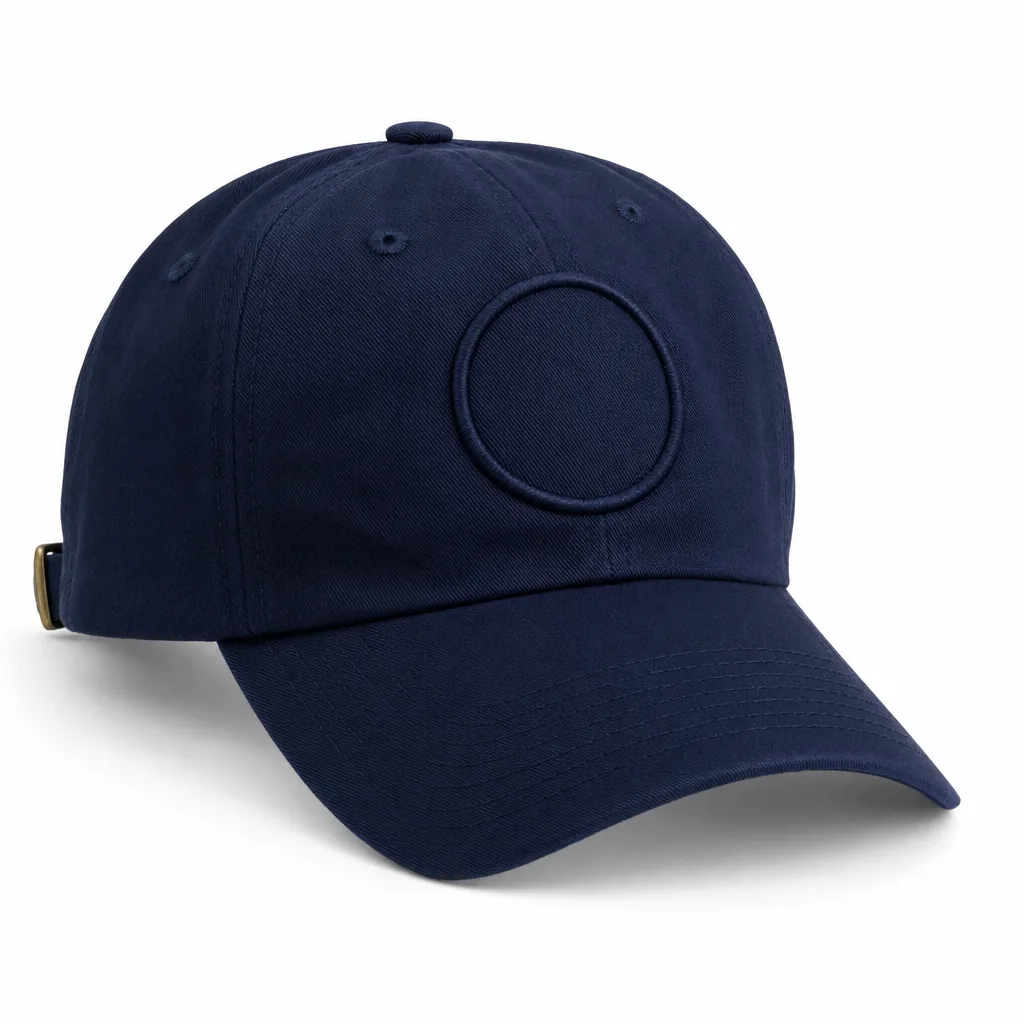
Cap Sweatband Material Selection for Custom Headwear Buyers
Read article →We hope this guide demystifies snapback vs fitted vs adjustable: cap closure systems compared - supplier checklist - supplier checklist and helps you move forward with confidence. If you have questions specific to your project, our English-speaking sales engineers are one message away.