
Performance & Athletic Caps: Moisture-Wicking, UPF and Buyer Specs
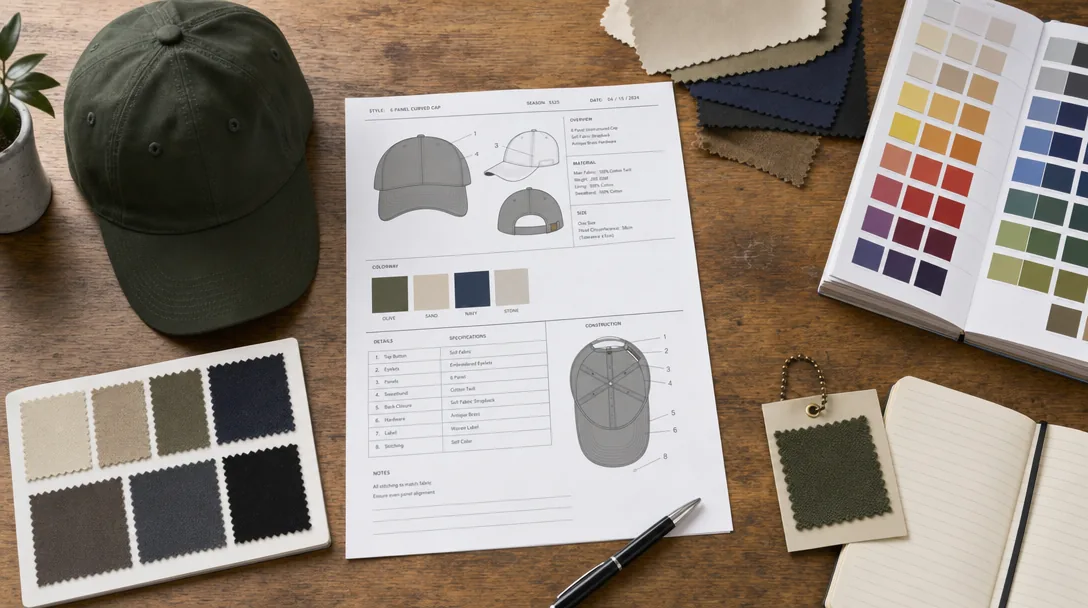
For brand owners, wholesalers and procurement teams entering the custom headwear category, performance & athletic caps: moisture-wicking, upf and buyer specs is one of the highest-leverage decisions you will make. Get it right and your unit economics, retail story and reorder cycle all improve. Get it wrong and you carry the cost for years.
What makes a cap 'performance' vs 'standard'
A cap earns the word “performance” only when the material package is built for sweat, heat, and repeated washing, not just for looks. In practice that means a lightweight polyester shell, usually 100% poly or a polyester-spandex blend, with a wicking finish that pulls moisture off the skin and spreads it across the fabric surface so it can evaporate faster. Most true performance styles stay under 80 g finished weight, and for running cap custom work I prefer 110D to 150D polyester because it cuts bulk without feeling flimsy. A standard cotton twill cap may look cleaner on a shelf, but once it gets soaked it stays wet, gets heavy, and loses shape fast. The sweatband is just as important as the crown fabric, and buyers often miss that. A proper moisture wicking cap usually uses a polyester-elastane sweatband, sometimes with perforated foam or brushed tricot facing for comfort, because plain cotton tape will hold sweat and start smelling after a few wears. Stitch quality matters too: low-profile seams, fewer panel intersections, and tighter seam allowances reduce abrasion during running or training. As a performance cap manufacturer, we also watch the brim build; overly thick buckram and heavy sandwich foam add weight and slow drying, which is the opposite of what an athletic hat custom order should deliver.
UPF is the other big difference, but only if it is actually tested, not just claimed on a hangtag. A real upf hat manufacturer should be able to specify the fabric’s UPF rating from lab testing, commonly UPF 30, 40, or 50+, and explain whether that protection comes from yarn choice, weave density, or an added UV treatment. Darker colors and tighter constructions usually perform better, but the buyer should still ask for test data because a loose mesh panel can drag the overall protection down. For golf cap wholesale programs, this matters a lot because players spend hours under direct sun and expect the cap to do more than manage sweat. On the factory side, the practical spec sheet should list fabric gsm, color tolerance, sweatband composition, and wash durability after at least 10 cycles. Polyester wicking treatments can wash out if the finish is cheap, so I look for stable hand feel and drying time after laundering, not just first-sample performance. For branded sports accounts, I’d rather quote a slightly higher fabric cost than ship a cap that looks good in approval photos but fails on the course or track. That is the real line between a standard cap and a performance build: measurable moisture management, controlled weight, and documented UV performance, not just athletic styling.
UPF ratings: what's actually meaningful
UPF numbers get thrown around a lot, but the only thing that matters to a buyer is the tested fabric result, not a hangtag claim. UPF 30 blocks about 96.7% of UV radiation, while UPF 50 blocks about 98%; that 1.3% difference sounds small, but in lab terms it is the jump from “good” to “serious sun protection.” For an athletic hat custom program, I always ask whether the test was done on the finished fabric, after dyeing and finishing, because pigment, weave density, and moisture all change the result. A dark 100% polyester performance cap with a tight plain weave can often land around UPF 30 naturally, even without chemical treatment. That is why many buyers overpay for “UPF” when the base cloth already does most of the work.
If you want UPF 50+, expect extra cost and more process control. Treated polyester, UV-absorbing additives, or a tighter laminate-style construction can push the number up, but they usually add roughly $0.20 to $0.60 per cap at factory level, depending on fabric weight and order volume. On a running cap custom run, I care more about the full package: crown fabric, undervisor, sweatband, and whether the mesh panels are also rated. A cap can pass as a moisture wicking cap and still fail sun protection if the side panels are open mesh with no lining. As a performance cap manufacturer, our standard practice is to separate “breathability spec” from “UPF spec,” because buyers often mix the two and end up with a product that looks right but tests wrong.
For golf cap wholesale and team programs, the right spec sheet should state the fabric composition, GSM, weave, color, and the exact test standard used, such as AS/NZS 4399 or AATCC 183, rather than just “UPF 50+.” Light colors usually need more help to reach high UPF, while navy, black, and forest green often get there more easily with the same polyester base. If the cap is sold into Australia or outdoor retail, a real upf hat manufacturer will also ask whether the claim applies after repeated laundering, because some finishes wash off or degrade by 10 to 15 points after 10 cycles. In practice, the best commercial answer is simple: use naturally protective fabric where possible, reserve treated fabric for buyers who will pay for the certificate, and never promise UPF 50+ without lab paperwork.
Sweatband construction for athletic use
The wrong sweatband spec kills an athletic cap fast. A standard cotton twill or brushed cotton sweatband will soak up perspiration, then stay wet, heavy, and cold against the forehead. In real wear tests, that means the cap looks fine on day one, then starts feeling swampy after 20 to 30 minutes of running, tennis, or outdoor training. A polyester-elastane wicking sweatband behaves differently: it pulls moisture off the skin and spreads it across the fabric surface so it can evaporate faster. That is the main reason serious buyers working with a performance cap manufacturer should treat sweatband construction as a functional component, not just a trim detail.
For athletic hat custom orders, I usually push buyers toward a 90/10 or 88/12 polyester-elastane sweatband with a soft brushed inner face and a more open-knit or microfiber outer face. Typical specs are 180 to 240 gsm, with a 30 to 40 mm finished height and a clean overlock or coverstitch edge so it does not irritate skin. On a running cap custom program, we also check how the sweatband is attached to the crown; if the stitch line is too tight, it blocks capillary movement and defeats the wicking effect. For golf cap wholesale programs, a darker heather wicking band often hides salt staining better than white cotton, which matters after a few rounds in summer.
The bigger mistake is assuming the sweatband alone solves comfort. If the crown fabric is a non-breathable polyester or coated shell, moisture has nowhere to go, so even a good sweatband will feel limited. As a upf hat manufacturer, our standard practice is to match the sweatband with the rest of the cap system: lightweight polyester mesh, laser-cut venting, or mechanically brushed performance fabric, usually tested against AATCC 195 for moisture management when buyers ask for proof. For a moisture wicking cap, I also advise checking colorfastness to perspiration and wash durability, because cheap elastane can lose recovery after repeated sweat exposure. The spec sheet should name the fiber blend, stitch count, and target hand feel, not just say “wicking.”
Reflective trim, vented panels, and other athletic features
Reflective trim only matters if it sits where light actually hits, not as random decoration. For running and cycling, we usually place 1/4-inch or 3/8-inch reflective piping along the rear seam, under the brim edge, or as a low-profile tape on the back panel so headlights catch it at night. The useful spec is retroreflective performance, not just “shiny” film. On sample runs, I ask for wash testing after 20 to 30 cycles because cheap heat-transfer reflective strips crack fast and start peeling at the corners. If a buyer is sourcing from a performance cap manufacturer, the real decision is balancing visibility with weight: too much tape adds stiffness and ruins packability, especially on a running cap custom style.
Laser-cut vented panels are the better answer when the sport is high-output and sweat load is the problem. On 100% polyester or recycled poly shells, we cut 2 to 4 mm perforations in the side or crown zones with a CO2 laser so the holes stay clean and don’t fray; that is different from plain mesh, which can snag and distort under embroidery tension. For a moisture wicking cap, I usually pair the laser vents with a 110 to 130 gsm birdseye polyester or a 150D tricot sweatband, because the vents move air and the liner moves liquid. If someone wants an athletic hat custom spec for interval training or indoor conditioning, this construction beats heavy brushed fabric every time.
Perforated mesh inserts make the most sense for warm-weather golf because golfers want airflow but still expect a structured shape. A golf cap wholesale buyer usually wants mesh only on the side or back panels, not the full crown, so the front panel keeps a clean logo area for embroidery or heat transfer. We typically use 1.5 to 2.0 mm perforations or a 120 to 140 gsm spacer mesh, then match the crown fabric to a UPF 40+ or UPF 50+ rating if the hat is being sold as sun protection. For anyone comparing a upf hat manufacturer, ask for the fabric test report, not just the marketing claim, and check whether reflective elements, vents, and mesh inserts still hold an AQL 2.5 inspection standard after sewing and packing.
Color and design considerations for athletic positioning
Athletic buyers usually want the cap to look fast, not loud. In practice that means single-color bodies, tonal embroidery, and low-gloss trims: matte nylon, recycled polyester, or a tight 100% polyester twill around 150–180 gsm with a DWR finish if the brief needs rain resistance. For a moisture wicking cap, I normally push tonal thread on the crown and sandwich bill, because high-contrast logos read more like streetwear than sport. A clean black-on-black, navy-on-navy, or heather-gray-on-gray layout also photographs better across team catalogs and retailer PDPs, especially when the logo has a raised 3D effect or a flat fill matched to Pantone TCX within Delta-E 1.5 to 2.0.
The smartest athletic hat custom programs usually split the assortment into two lanes: core team colors for on-field use and a quieter sub-brand drop for retail or fanwear. That lets the buyer keep the main run disciplined while still having a second SKU with a slightly more expressive logo size, contrast underbill, or reflective piping for night running. A running cap custom order often needs this because the same pattern can serve a club team, a marathon activation, and a corporate wellness client without looking inconsistent. As a performance cap manufacturer, we see fewer returns when the design language stays restrained and the branding hierarchy is obvious at arm’s length: body color first, logo second, then small functional accents like laser-cut vents or taped seams.
For golf cap wholesale orders, color discipline matters even more because buyers want the cap to sit between pro-shop clean and athlete functional. White, stone, navy, charcoal, and forest green still sell, but the logo usually needs to stay under 35 mm tall on the front panel unless the brand is deliberately going premium. A good upf hat manufacturer will also watch how the dye lot behaves under sunlight; some dark polyesters fade faster if the pigment load is weak, which hurts the brand after a few weekends outdoors. CrownsForge’s standard practice is to sample at least two tonal variations before bulk if the cap will sit in a team program, because once a club approves one shade of blue, they will reject a second blue that is only slightly warmer on the production line.
Pricing: performance fabric costs vs standard cotton
Performance polyester is usually the first cost jump buyers feel. Compared with standard cotton twill, a basic 150D to 75D moisture-wicking polyester body adds about $0.40 to $0.80 per cap at factory level, depending on fabric weight, yarn quality, and whether you want a brushed or slick handfeel. A true moisture wicking cap also needs a better interior sweatband: replace a plain self-fabric band with polyester terry or Coolmax-style tape and you are typically adding another $0.10 to $0.20. If you are pricing a running cap custom program or an athletic hat custom run, that extra few dimes matters more than people think because it hits every piece, not just the sample.
UPF is not free, and buyers who ask for it usually underestimate the testing and finish cost. A sprayed or inherent UPF treatment generally adds around $0.20 to $0.30 per cap, but the real issue is consistency: if the fabric is too dark, too thin, or stretched in construction, the lab result can drift. A serious upf hat manufacturer will look at fabric density, cover factor, and color choice before promising UPF 50+, because black 100% polyester and a loose weave do not behave the same way in test conditions. For golf cap wholesale programs, I would budget the UPF line as a separate spec item, not a marketing badge, because it affects both sourcing and QC.
If you are working with a performance cap manufacturer, the cheapest mistake is mixing cotton expectations into performance construction. Cotton still feels softer out of the box, but once you add wicking finish, UPF treatment, and a higher-grade sweatband, the gap narrows and the performance cap becomes the better value for sportswear, team programs, and promotional runs. The clean way to quote is to separate body fabric, treatment, and trim: polyester body plus $0.40-$0.80, UPF plus $0.20-$0.30, sweatband upgrade plus $0.10-$0.20, then add embroidery, printing, and packaging on top. That gives buyers a realistic landed-cost baseline instead of a vague “sports cap” number that changes after sampling.
Frequently Asked Questions
How long does production take?
Sampling takes 7 to 12 days. Bulk production runs 20 to 30 days depending on quantity, fabric availability and decoration complexity. Inspection and packing adds another 3 to 5 days before shipment.
What file format should I send for my logo?
Vector files (AI, EPS, PDF) are ideal. High-resolution PNG or JPG at 300 dpi on transparent background works as a fallback. Provide Pantone color references for accurate reproduction.
Do you support sustainability certifications?
Yes. We work with GOTS organic cotton, GRS-certified recycled polyester, OEKO-TEX Standard 100 fabrics, and are BSCI and Sedex audited. Certification documentation can be provided per order.
What is the minimum order quantity (MOQ) for custom hats?
Our standard MOQ is 100 pieces per design and color, with sampling available from 1 piece. For complex multi-color logos or premium fabric upgrades, the MOQ can be lowered with a small per-piece surcharge.
What logo decoration techniques do you offer?
3D puff embroidery, flat embroidery, woven patch, leather patch, PVC patch, screen printing, sublimation, applique and laser etching, all in-house with no subcontracting.
How does ordering baseball cap custom logo work?
When evaluating baseball cap custom logo, the key considerations are construction quality, decoration capability, MOQ flexibility and lead time. Performance polyester adds roughly $0.40-$0.80 per cap vs standard cotton. UPF treatment adds another $0.20-$0.30. Sweatband upgrade adds $0.10-$0.20. Moisture-wicking fabric (typically polyester with wicking finish), moisture-wicking sweatband (usually polyester-elastane blend), lightweight construction (under 80g), and often UPF treatment.
What should buyers know about branded bills performance hat?
When evaluating branded bills performance hat, the key considerations are construction quality, decoration capability, MOQ flexibility and lead time. UPF 30 blocks ~97% of UV. UPF 50+ blocks 98%+. Most performance polyester fabric reaches UPF 30 naturally without chemical treatment. UPF 50+ usually requires treated fabric, which adds cost. Performance polyester adds roughly $0.40-$0.80 per cap vs standard cotton. UPF treatment adds another $0.20-$0.30. Sweatband upgrade adds $0.10-$0.20.
How much does branded bills custom hat cost typically cost?
When evaluating branded bills custom hat cost, the key considerations are construction quality, decoration capability, MOQ flexibility and lead time. UPF 30 blocks ~97% of UV. UPF 50+ blocks 98%+. Most performance polyester fabric reaches UPF 30 naturally without chemical treatment. UPF 50+ usually requires treated fabric, which adds cost. Moisture-wicking fabric (typically polyester with wicking finish), moisture-wicking sweatband (usually polyester-elastane blend), lightweight construction (under 80g), and often UPF…
How does ordering custom logo bucket hat work?
When evaluating custom logo bucket hat, the key considerations are construction quality, decoration capability, MOQ flexibility and lead time. Moisture-wicking fabric (typically polyester with wicking finish), moisture-wicking sweatband (usually polyester-elastane blend), lightweight construction (under 80g), and often UPF treatment. UPF 30 blocks ~97% of UV. UPF 50+ blocks 98%+. Most performance polyester fabric reaches UPF 30 naturally without chemical treatment. UPF 50+ usually requires treated fabric, which…
Looking for a reliable hat manufacturer in China?
CrownsForge has produced custom hats for 800+ brands across 40 countries. From 100-piece launches to 100,000-piece retail programs, we deliver on time and on spec.
Get in touchRelated guides
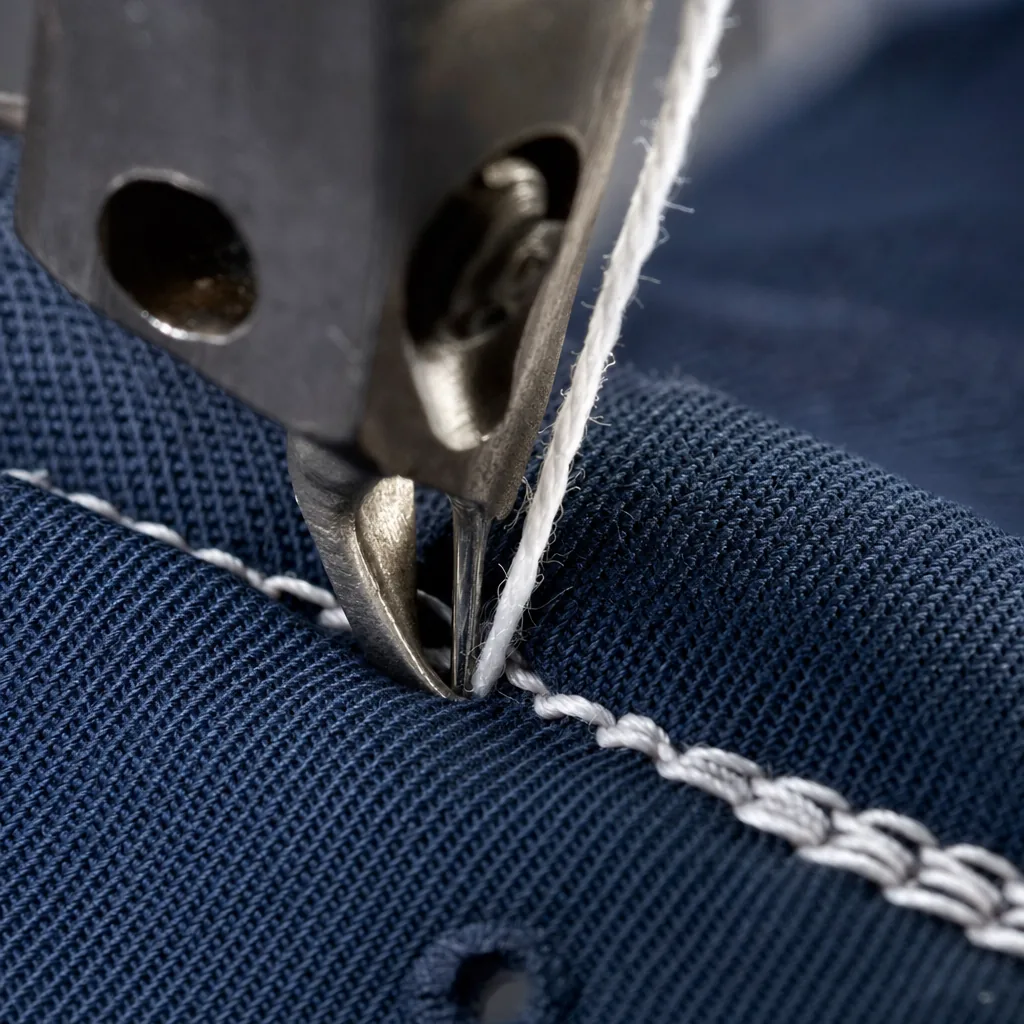
Embroidery Thread Libraries: Madeira, Isacord and What Your Cap Factory Uses
Read article →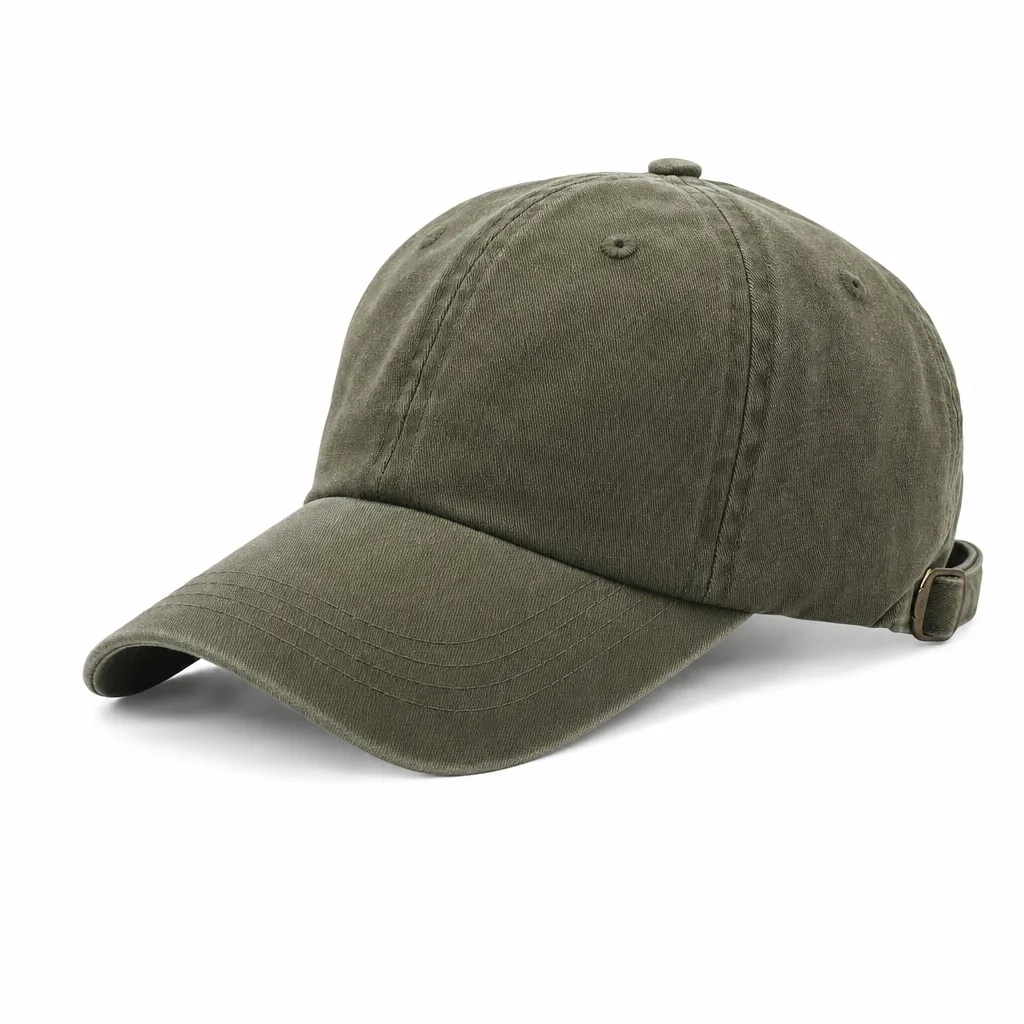
Buckram vs Foam vs Unstructured: Cap Crown Construction Compared
Read article →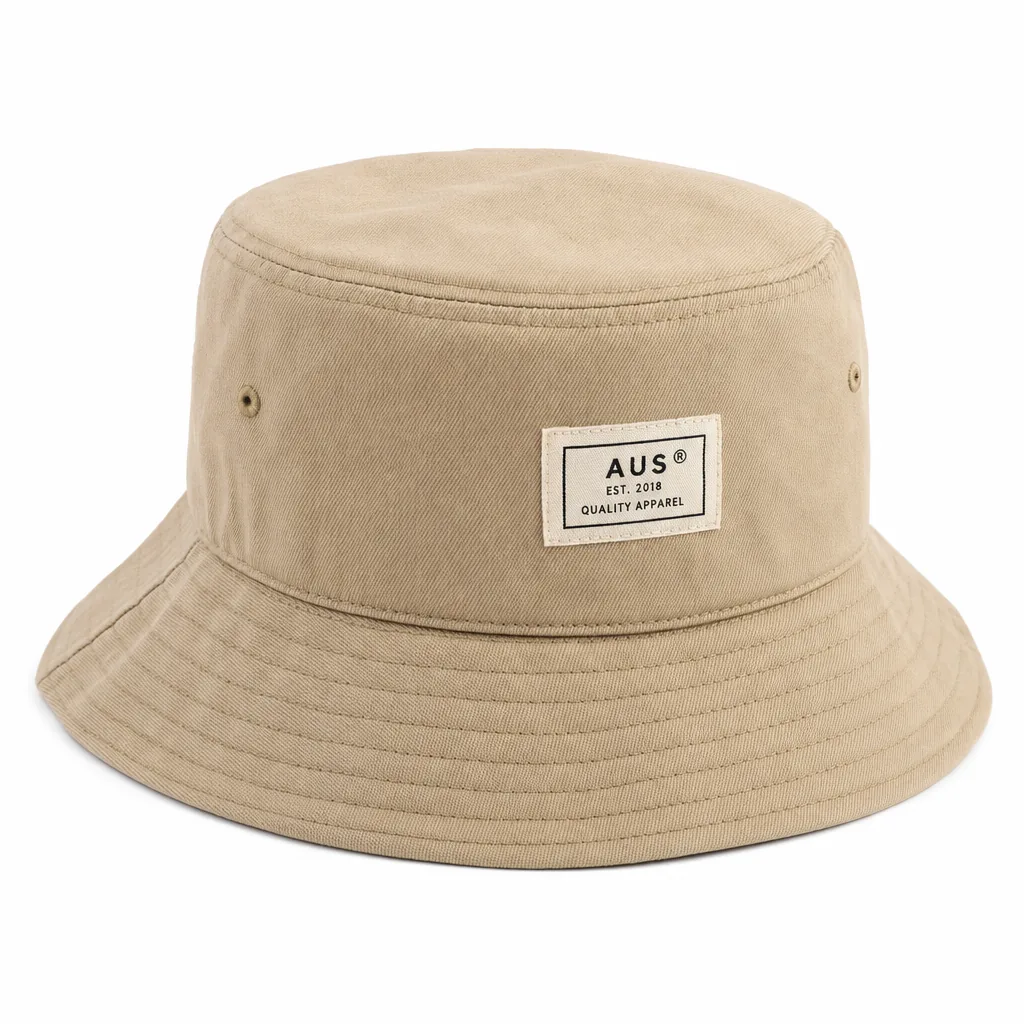
Private Label Bucket Hat Manufacturing: Materials, Trims & Bulk Ordering
Read article →We hope this guide demystifies performance & athletic caps: moisture-wicking, upf and buyer specs and helps you move forward with confidence. If you have questions specific to your project, our English-speaking sales engineers are one message away.