
Performance & Athletic Caps: Moisture-Wicking, UPF and Buyer Specs - Supplier Checklist - Supplier Checklist
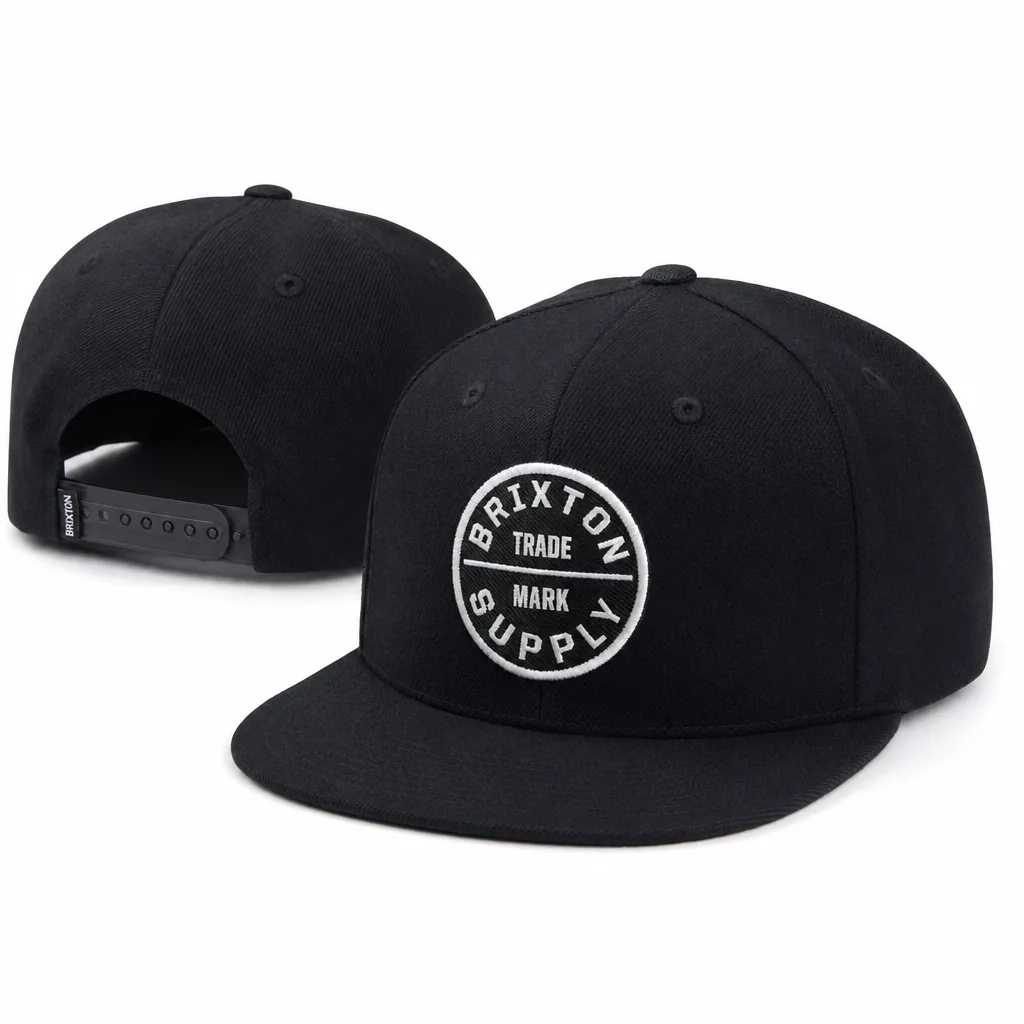
Performance & Athletic Caps: Moisture-Wicking, UPF and Buyer Specs - Supplier Checklist - Supplier Checklist is one of the most-asked questions we receive from international buyers, and for good reason. With dozens of factories competing for your order and an alphabet soup of technical terms in every supplier quote, even experienced importers can feel lost. This guide consolidates what we have learned producing custom hats for clients in 40+ countries.
What makes a cap 'performance' vs 'standard'
A cap is “performance” only if the fabric system is built for sweat management, drying speed, and heat control, not just logo space. In practice, that usually means a polyester or polyester-spandex shell in the 130 to 180 gsm range for a six-panel crown, plus a hydrophilic sweatband made from polyester-elastane or mesh instead of cotton twill. Cotton will hold water, darken, and feel heavy; a real athletic build pulls moisture off the skin and clears it before the crown turns clammy. A performance cap manufacturer should be able to quote finished weight, not just fabric weight, and a credible run or training cap is typically under 80 g finished. Once you get much above that, you are mostly buying casual headwear with sports graphics.
UPF is the other hard line, and the number needs to be testable, not promotional copy. Buyers should ask for UPF 30+, UPF 50, or UPF 50+, plus the test method and whether the rating comes from yarn choice, weave density, pigment load, or a topical finish, because each behaves differently after laundering. For outdoor use, a tightly constructed polyester with darker or medium shades usually holds protection better than loose, light cotton. Breathability still matters, so the spec often includes laser perforation, mesh side panels, or a lighter back panel to keep airflow usable without dropping coverage. If the cap is sold as an athletic SKU, the supplier should also state seam type, colorfastness target, and wash durability for the UPF claim; a fabric that passes once and fails after a few home washes is not a technical product.
UPF ratings: what's actually meaningful
UPF only matters if you know exactly what was tested: the fabric panel, not the finished cap with curved brim, stitching, sweatband, and seams. A standard 100% polyester crown often measures around UPF 30 to 40 by construction because the filament count and weave are already tight; that blocks roughly 96.7% to 97.5% of UV radiation. UPF 50+ is a different threshold: it allows no more than 1/50 of UV through, or 98% blockage, under the stated test method. For most running cap custom programs and golf cap wholesale orders, UPF 30 is a practical baseline. UPF 50+ only becomes necessary when the buyer has a documented sun-exposure requirement, a retail claim that must survive scrutiny, or a market where the hangtag has to say it plainly. A performance cap manufacturer should treat UPF as a verified fabric result, not a decoration on the spec sheet.
Moisture wicking and UV protection solve different problems, so they should never be spec’d as if one automatically implies the other. Wicking depends on filament type, yarn cross-section, knit or weave openness, and finishing chemistry; UV performance depends on coverage, denier, dye depth, fiber composition, and any UV-absorbing treatment. A 150 to 180 gsm polyester with strong capillary spread can still land at UPF 30 if the construction is open enough to breathe, and that is normal for summer training headwear. If you need a true UPF hat manufacturer spec, ask for the exact test standard on the report, usually AS/NZS 4399 or ASTM D6603, the lab name, the numeric result, and whether the rating survives laundering. Without the wash result, you only know the first-pass number, which is not enough for repeat retail or licensed programs.
Chemical UV finishes add cost and process risk, so they should be used only when the spec actually requires them. In practice, the premium can be a few cents per cap for a dense, dark polyester base and can climb past $1.00 per unit when the mill must add a durable UV treatment, rework shade, or hold tighter Delta-E control across dye lots. That is why an athletic hat custom order needs the protection target written before sampling starts, not after the first proto lands on the buyer’s desk. Our standard practice is to separate comfort claims from protection claims in the tech pack so the factory is not forced to trade breathability, hand feel, and UPF level against each other in silence. The clean checklist is simple: define the fabric construction and gsm, request the exact lab method, confirm wash durability, and decide whether UPF 30 is enough or UPF 50+ is truly required.
Sweatband construction for athletic use
Cotton sweatbands look acceptable on a spec sheet, but in real athletic use they saturate fast, go cold, and add weight after 20 to 30 minutes of sustained output. For a performance cap manufacturer, the better baseline is a polyester-elastane knit, typically 92/8 or 88/12, with a brushed or peached face against the skin and a filament-rich back that spreads moisture instead of trapping it. On repeat-sweat testing, that construction usually reduces visible forehead wetting by roughly 30 to 40 percent versus basic cotton and dries noticeably faster between intervals. If the buyer wants a number to anchor the purchase order, ask for wicking performance, dry time, and colorfastness to perspiration, not vague language like “soft” or “comfortable.”
The sweatband is a functional structure, not a decorative strip. For athletic caps, I usually specify 25 to 35 mm finished width, elastic recovery above 90 percent after stretch, and enough longitudinal stretch to maintain contact without rolling at the temples. Attachment matters as much as fiber choice: a flatlock or clean coverstitch sits flatter against skin than a bulky overlock, especially on running and training caps where friction shows up quickly. The band also needs to be balanced against the crown build; a 180 gsm mesh crown paired with a stiff 240 gsm band can create a hard ridge and distort the front panel. If the shell is colored to a tight standard, a Delta-E under 1.5 between sweatband tape and crown is a sensible target because mismatched interiors read cheap the moment the cap is flipped back.
For golf, running, and team-issue programs, treat the sweatband as a tested component with its own approval criteria. A practical spec is polyester-spandex or polyester-elastane knit at 180 to 240 gsm, full-forehead coverage, and seam construction that stays flat after 24-hour compression and damp wear. The band should be sampled in the actual cap build, not approved in isolation, because mesh, spacer fabric, and structured twill all change how tension lands once stitched in. A performance cap manufacturer should also check perspiration colorfastness, laundering stability, and migration when the cap is worn wet; those are the failure modes buyers notice first. On a UPF hat program, a sweat-soaked cotton band can drag down the perceived quality of the entire cap even when the shell fabric still meets its UPF claim.
Reflective trim, vented panels, and other athletic features
Reflective trim should go where headlights and bike lights actually catch it: the brim edge, the center-back seam, or a short rear tab. I would spec 3M Scotchlite or an equivalent silver transfer in 5 to 10 mm widths, heat-applied or lockstitched with a narrow edge stitch so it survives repeated laundering at 30 to 40 C and does not peel at the corners. A performance cap manufacturer should still fit-check the placement on a headform and on a moving wearer; trim that sits too high disappears in shadow, and trim that sits too low gets crushed by collar friction and sweat. Keep the reflective area small and deliberate. For commuter and run programs, the function is conspicuity, not branding real estate.
Laser-cut venting works only when the crown fabric is carrying the structure. On polyester woven shells in the 110 to 140 gsm range, I usually see 1.5 to 3.0 mm perforations or patterned cutouts, sometimes backed with thin tricot when the buyer wants cleaner sun coverage and less panel stretch. Placement matters more than the hole count: vents need to stay clear of dense embroidery, seam intersections, and structured front panels, or the crown warps after a few wash cycles and the logo puckers. A moisture-wicking cap should move sweat off the forehead, but if the front panel caves in, it reads cheap even when the fabric spec is correct.
Perforated mesh inserts make more sense for golf and light training than for pure running, because they give airflow without giving up the structured look buyers expect over 18 holes or a full day of wear. A typical golf cap wholesale spec uses polyester spacer mesh or perforated woven side panels with a denser front panel that can hold a clean logo and support a curved visor. The sun-protection tradeoff is straightforward: open mesh improves comfort, but a UPF 30 to 50+ cap only stays honest if the crown fabric, liner, and panel density are consistent where the sun actually hits. In practice, the best build is restrained: reflective trim for visibility, vented zones for heat release, and mesh only where the sport can tolerate it without losing shape or coverage.
Color and design considerations for athletic positioning
Athletic buyers usually want restraint, not loud branding. For a performance cap manufacturer, the clean spec is a single-color shell or a tonal logo with Delta-E held around 1.0 to 2.0 against the base fabric, so the mark reads in a stadium or retail fixture without looking pasted on. That matters on a moisture-wicking cap or running cap custom order, where the cap has to sit inside a team kit or sponsor stack without fighting jerseys, trims, or patchwork graphics. In production, the controls need to be tighter than most briefs state: match embroidery thread to Pantone TCX or Pantone C, approve lab dips before bulk, and keep stitch density around 0.35 to 0.45 mm on 100 percent polyester or nylon-spandex to avoid crown puckering and edge distortion.
Positioning is the real driver. Athletic caps are usually bought as part of a sub-brand drop, team program, or event package, so the cap has to support the identity system instead of competing with it. A solid athletic hat custom brief usually fixes one crown shape, one logo location, and one closure type, then uses small changes in contrast, underbill color, or sandwich piping to create hierarchy across SKUs. For golf cap wholesale, black, navy, or heather gray bodies with self-color embroidery are safer than two-tone blocking, because pro shops and licensed teams need something that survives different uniforms and seasons without looking dated. Heavy contrast panels also make color approval harder because they expose shade drift immediately under store lighting and daylight.
Keep the architecture simple and let color do the work. That is the cleanest way to protect airflow and hand feel in an UPF or training cap, because thick appliques, mixed-material inserts, and oversized patches add seam bulk and can reduce breathability on polyester mesh, microfiber twill, or recycled nylon. If the buyer wants a sharper retail read, one controlled accent is usually enough: tonal raised embroidery, a matte silicone badge, or a low-gloss woven label. Beyond that, the cap starts drifting toward streetwear styling, which is harder to place in team, licensing, and performance channels and usually costs more to sample because every extra material adds another approval step and another source of color variance.
Pricing: performance fabric costs vs standard cotton
Performance polyester is the first real cost step up from standard cotton twill, and the delta is usually driven by cloth construction, not branding. On a 5-panel or 6-panel cap, moving from 100% cotton twill to 150D or 75D polyester birdseye, polyester interlock, or mechanical stretch typically adds about $0.40 to $0.80 per piece at factory level before freight and duty. If the buyer wants tight color control, matching to Pantone TCX with a Delta-E target below 2.0 means more lab dips, slower approvals, and a higher first-run rejection rate. A performance cap manufacturer will usually price more accurately once crown fabric, visor board, closure, and decoration method are fixed, because polyester changes knife cutting behavior, seam recovery, and embroidery heat management on Tajima, Barudan, or ZSK heads. The cheap quote is often missing the process loss, which is where the real overrun shows up later.
UPF is a separate line item, not a vague upgrade. A true UPF 50+ fabric or certified finish usually adds about $0.20 to $0.30 per cap when the base cloth is already performance grade, and more if the program needs AATCC 183 or AS/NZS 4399 test reports, wash-cycle verification, or third-party re-testing after bulk production. Moisture-wicking builds also need a better sweatband: brushed polyester tricot or Coolmax-style knit is common, and it usually adds another $0.10 to $0.20 versus plain poly/cotton tape. That small change matters because the sweatband is what the wearer actually feels after 30 minutes, and a weak band will curl, stain, or get tacky after repeated laundering. On running and golf programs, the stack of small upgrades drives cost more than one obvious fabric switch.
The clean way to compare golf cap wholesale pricing against fashion cotton programs is to break the quote into shell, finish, sweatband, closure, and decoration. A basic cotton cap can look cheaper on paper, but once you add quick-dry fabric, UPF 50+ verification, and a stitched or bonded sweatband that holds shape under perspiration, the landed gap narrows fast. CrownsForge’s standard practice is to quote these items separately so buyers can see exactly where the money goes instead of getting one lump sum that hides a weak spec. That structure is more useful than arguing over headline fabric names, because the final price usually turns on the least mature requirement: testing, trim, or decoration complexity. Buyers who want a realistic budget should ask for shell cost, treatment cost, and trim cost as separate lines before comparing suppliers.
Frequently Asked Questions
What is the minimum order quantity (MOQ) for custom hats?
Our standard MOQ is 100 pieces per design and color, with sampling available from 1 piece. For complex multi-color logos or premium fabric upgrades, the MOQ can be lowered with a small per-piece surcharge.
Do you support sustainability certifications?
Yes. We work with GOTS organic cotton, GRS-certified recycled polyester, OEKO-TEX Standard 100 fabrics, and are BSCI and Sedex audited. Certification documentation can be provided per order.
Which shipping methods do you support?
We support FOB, CIF and DDP shipping. Air express for samples and small orders, sea LCL for 100 to 500 pieces, sea FCL for 5,000+ pieces. Door-to-door DDP available for US, EU, UK, Canada and Australia.
What file format should I send for my logo?
Vector files (AI, EPS, PDF) are ideal. High-resolution PNG or JPG at 300 dpi on transparent background works as a fallback. Provide Pantone color references for accurate reproduction.
How long does production take?
Sampling takes 7 to 12 days. Bulk production runs 20 to 30 days depending on quantity, fabric availability and decoration complexity. Inspection and packing adds another 3 to 5 days before shipment.
How does ordering baseball cap custom logo work?
When evaluating baseball cap custom logo, the key considerations are construction quality, decoration capability, MOQ flexibility and lead time. Performance polyester adds roughly $0.40-$0.80 per cap vs standard cotton. UPF treatment adds another $0.20-$0.30. Sweatband upgrade adds $0.10-$0.20. Moisture-wicking fabric (typically polyester with wicking finish), moisture-wicking sweatband (usually polyester-elastane blend), lightweight construction (under 80g), and often UPF treatment.
What should buyers know about branded bills performance hat?
When evaluating branded bills performance hat, the key considerations are construction quality, decoration capability, MOQ flexibility and lead time. UPF 30 blocks ~97% of UV. UPF 50+ blocks 98%+. Most performance polyester fabric reaches UPF 30 naturally without chemical treatment. UPF 50+ usually requires treated fabric, which adds cost. Performance polyester adds roughly $0.40-$0.80 per cap vs standard cotton. UPF treatment adds another $0.20-$0.30. Sweatband upgrade adds $0.10-$0.20.
How much does branded bills custom hat cost typically cost?
When evaluating branded bills custom hat cost, the key considerations are construction quality, decoration capability, MOQ flexibility and lead time. UPF 30 blocks ~97% of UV. UPF 50+ blocks 98%+. Most performance polyester fabric reaches UPF 30 naturally without chemical treatment. UPF 50+ usually requires treated fabric, which adds cost. Moisture-wicking fabric (typically polyester with wicking finish), moisture-wicking sweatband (usually polyester-elastane blend), lightweight construction (under 80g), and often UPF…
How does ordering custom logo bucket hat work?
When evaluating custom logo bucket hat, the key considerations are construction quality, decoration capability, MOQ flexibility and lead time. Moisture-wicking fabric (typically polyester with wicking finish), moisture-wicking sweatband (usually polyester-elastane blend), lightweight construction (under 80g), and often UPF treatment. UPF 30 blocks ~97% of UV. UPF 50+ blocks 98%+. Most performance polyester fabric reaches UPF 30 naturally without chemical treatment. UPF 50+ usually requires treated fabric, which…
Who makes PFG hats?
PFG Hats - Sun Visors & Caps | Columbia Sportswear.
What company makes caps?
New Era has over 500 different licenses in its portfolio. Since 1993, it has been the exclusive baseball cap supplier for Major League Baseball (MLB).
Who owns Cap America in Fredericktown, MO?
According to the Fredericktown, MO-based supplier, Jon Page and Cissell step into ownership with a shared vision of honoring the company's legacy while positioning Cap America for continued growth and innovation.
Why is Goorin Bros popular?
Goorin Bros. is one of the most recognizable hat companies in the world thanks to its popular collection — The Farm. Goorin began in 1895 and opened its first store in 1949 in San Francisco. While the company was widely known for fedoras and flat caps, these days Goorin's animal truckers are stealing the show.
Looking for a reliable hat manufacturer in China?
CrownsForge has produced custom hats for 800+ brands across 40 countries. From 100-piece launches to 100,000-piece retail programs, we deliver on time and on spec.
Get in touchRelated guides
Compliance Documentation Checklist for First Hat Import to US/EU (2026 Update)
Read article →
Cap Factory AQL Inspection Plan for Importers
Read article →
Bucket Hat Corduroy MOQ And Pricing Plan for Custom Hat Buyers
Read article →Sourcing custom hats does not have to be complicated. With the right manufacturing partner, clear specifications and a small upfront investment in sampling, you can launch a retail-quality product in 30 to 45 days.