
Performance & Athletic Caps: Moisture-Wicking, UPF and Buyer Specs - Cost & MOQ Breakdown (2026 Update)
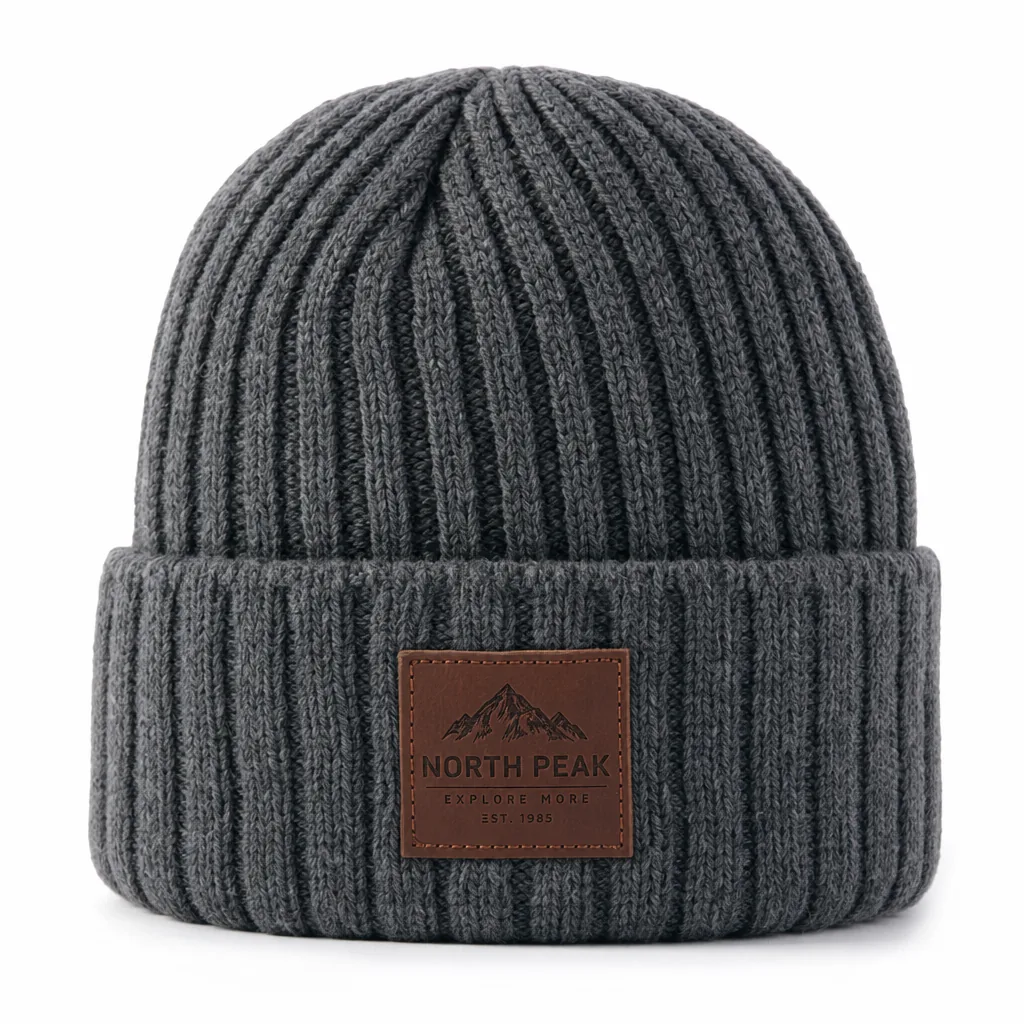
Every week, our sales team answers detailed questions about performance & athletic caps: moisture-wicking, upf and buyer specs - cost & moq breakdown (2026 update). We wrote this guide so that wholesalers, streetwear brands, corporate buyers and promotional resellers can compare options with full information, and avoid the traps that show up only after production has started.
What makes a cap 'performance' vs 'standard'
A cap earns the “performance” label only when the specification is engineered around measurable function, not when a standard baseball cap gets recut in lighter fabric. On production orders, the first separator is the material stack: true performance builds usually use 100% polyester microfiber, recycled poly dobby, or poly-spandex interlock in the 110-160 gsm range, commonly with 50D-75D filaments, moisture transport at the yarn level, and an added wicking finish such as C0 or C6 chemistry. A standard cap is still more likely to run cotton twill or chino twill at 220-280 gsm with hard buckram, which gives a fuller retail hand but traps heat, absorbs perspiration, and dries slowly. Any serious performance cap manufacturer should be talking about air permeability, dry time, and perspiration colorfastness under AATCC 15 before discussing embroidery locations or trim upgrades. Weight is another practical checkpoint: once a structured 6-panel cap pushes past about 75-80 grams finished weight, wearers start noticing the extra thermal load, especially if the front panel carries dense fill stitching, thick buckram, or a heavy PE visor board.
The interior build exposes weak specs faster than the shell. Standard caps often use cotton terry or brushed polyester sweatbands that hold sweat, leave salt lines, and stay damp after 30-40 minutes of wear. A proper athletic construction typically moves to an 85/15 or 90/10 polyester-elastane sweatband with fast-dry treatment, flatter seam profiles, and reduced seam tape bulk to cut forehead friction. Decoration has to be engineered the same way: if logos run on Tajima or Barudan heads, stitch density, underlay, and backing weight must be controlled so the crown does not turn rigid. On technical programs, our standard practice is to reduce front embroidery density, switch woven labels to heat-transfer branding, and use lighter visor inserts or thinner EVA so the cap keeps flex and rebound instead of feeling boardy.
UPF is the other real dividing line, but buyers should ask whether the rating is inherent to the fabric construction or dependent on a finish. Tightly woven polyester can achieve UPF 30+ on structure alone, while golf, fishing, and outdoor programs usually require verified UPF 50+ backed by AATCC 183 test reports; pale colors are harder to pass than black or navy, especially when the shell must also stay within acceptable shade tolerance against Pantone TCX targets. Performance caps also need tighter QC because lightweight builds expose defects immediately: a 6-8 gram weight swing, off-center laser perforation, warped visor curve, or crown asymmetry is obvious on head and usually gets rejected faster than the same flaw on a heavy cotton cap. That is the clean distinction: a standard cap is inspected mainly for appearance, while a performance cap has to keep managing sweat, airflow, UV protection, and shape retention after repeated wear and wash cycles under an AQL 2.5 standard.
UPF ratings: what's actually meaningful
UPF 30 is where the claim starts to have practical value in athletic headwear. By definition it allows 1/30 of UV through, so you are blocking about 96.7%, and that level is achievable in a sensible cost range if the protection comes from fabric construction rather than a topical finish. On real production runs, tightly woven 75D-100D polyester microfiber, taslon, or high-gauge interlock in the 110-140 gsm range will often test around UPF 25-35 without extra chemistry, especially in mid-to-dark shades. Structure matters more than brochure language: a compact 75D navy shell with low porosity will usually outperform a pale 92/8 poly-spandex knit at the same weight because stretch opens the knit and increases UV transmission under wear tension.
UPF 50+ makes sense only when the end use justifies it: golf caddie programs, fishing brands, court sports, desert running, or outdoor staff uniforms with long daily exposure. Reaching that level consistently usually means denser fabric, titanium dioxide or other yarn-level UV additives, or a certified finish, which in 2026 commonly adds US$0.18-US$0.45 per cap in material cost, plus roughly US$120-US$250 per style/color for AATCC 183 or AS/NZS 4399 testing. Any credible performance cap manufacturer should separate fabric test data from finished-cap coverage, because mesh panels, laser perforation, rear openings, sandwich brims, and sweatband seam areas all reduce real protection even if the crown fabric certificates at 50+.
The better buyer spec for most promo, school, and team programs is “minimum UPF 30 tested fabric” unless there is a compliance requirement or a genuine high-exposure use case. That wording keeps the standard measurable without overengineering the hat. Our standard practice is to review the full cap map before confirming a UPF claim, because light-color recycled polyester with 10%-12% spandex can come in at only UPF 15-20 before pattern changes, then clear UPF 30 after tightening the knit gauge and reducing perforated area. Pushing every style to 50+ can also trigger fabric mill MOQs of 800-1,200 meters per color, narrow shade options, and make color approval harder when the buyer is holding Pantone TCX with a Delta-E target below 1.5-2.0.
Sweatband construction for athletic use
The sweatband is where athletic caps fail first. A shell can pass abrasion and colorfastness, but if the inner band stays wet, the wearer calls the cap clammy within the first hour. Standard brushed cotton or cotton twill bands absorb sweat quickly, then hold salt, skin oil, and heat against the forehead; after 45 to 60 minutes of running, court training, or summer golf, that trapped moisture can add 8 to 15 grams and make the cap feel heavier than the shell fabric ever would. For most programs, a performance cap manufacturer gets more real-world comfort gain from a better sweatband than from upgrading eyelets, sandwich trim, or even moving from a 75D microfiber shell to a pricier woven. The right spec is usually a hydrophobic wicking knit that pulls moisture off the skin, spreads it across the face of the fabric, and dries fast enough that the band is not still wet in the gym bag two hours later.
For athletic use, the safest construction is a 120 to 180 gsm warp-knit or circular-knit sweatband in 88/12 to 92/8 polyester-elastane, cut at 3.2 to 3.8 cm for running caps and 4.0 to 4.2 cm for golf, tennis, and training styles with higher sweat load. That blend has enough recovery to sew cleanly into 5-panel and 6-panel crowns without tunneling or edge ripple; cheaper bands with low elastane content often bag out after 20 to 30 wear cycles, especially on unstructured silhouettes where the band carries more fit tension. If odor control is required, silver-ion or peppermint-based antimicrobial finishes are common, but they typically add $0.08 to $0.18 per cap and should be supported by wash-durability data from the mill, not just a finish claim. On costing, stock cotton bands land around $0.06 to $0.10, while dyed wicking bands usually run $0.14 to $0.28 depending on knit structure, finish package, and Pantone TCX shade matching. Once you request a custom color, mills commonly work to Delta-E 1.5 to 2.0 and ask for 1,000 to 3,000 meters per shade, which is why smaller athletic programs are usually better off with proven stock black, charcoal, or heather-gray options.
Reflective trim, vented panels, and other athletic features
Reflective trim is one of the easiest places for an athletic cap program to go wrong, because buyers often spec it like decoration instead of a functional component. For running, cycling, and team warm-up caps, the workable options on a 56–58 cm unstructured shell are usually 5–8 mm reflective piping sewn into the visor seam or rear-panel seam, or a 10 mm heat-transfer reflective film at the back opening. The spec should name the substrate—glass-bead film for lower cost, microprismatic for higher reflectivity—the exact placement, attachment method, and wash requirement. Ten home-laundry cycles is a reasonable baseline; serious performance programs often ask for 20. On lightweight 75D micro ripstop or 110–140 gsm stretch woven polyester, added bulk from reflective trim can cause seam tunneling, puckering, or crown distortion if stitch density and thread tension are not reset. Any competent performance cap manufacturer should trial the tape on the actual shell fabric before bulk cutting, not approve it off a heavier development swatch. In normal FOB China pricing, reflective detailing adds about $0.18–$0.45 per cap, with the range driven by tape origin, number of placements, and whether the trim is sewn, heat-applied, or combined.
Laser-cut venting only performs well when the fabric and cut geometry are engineered together. The standard base for training and run caps is 100% polyester stretch woven at 110–140 gsm, sometimes with 8%–12% spandex, perforated at roughly 1.0–1.8 mm hole diameter with controlled bridge spacing so the panel does not tear or spread after heat setting. If the coating or mechanical stretch is unstable, the laser edge will char, curl, or enlarge, which is why vague notes like “vented side panels” are not enough. Buyers should lock the vent zone size, hole pitch, reinforcement around seam joins, and sweatband construction—typically 30 mm brushed elastic or 40 mm quick-dry knit. Laser venting also pushes MOQ and yield harder than many buyers expect: around 1,000 pcs per color is usually the efficient break point, while 300–500 pcs often adds a $0.25–$0.60 surcharge from template setup, nesting loss, and extra QC. For lower-risk programs such as golf, resort sport, or promotional distribution, mesh inserts are still safer: 120–160 gsm polyester birdseye or warp-knit mesh gives dependable airflow, cleaner embroidery on the solid front panel, and fewer rejects than aggressive perforation layouts.
Color and design considerations for athletic positioning
Athletic buyers are not looking for a decorative color story; they want a cap that reads engineered at ten feet and still looks clean after six weeks of sweat, UV, and repeated washing. That is why black, navy, graphite, white, and one disciplined accent color still dominate training, running, and team-issue programs on 95-120 gsm microfiber and 75D-150D polyester shells. The safest route is tonal execution with matte silicone transfer, low-profile HD heat transfer, or welded TPU branding kept within the same Pantone TCX family as the body fabric. Heavy front embroidery is usually the wrong choice on a lightweight crown: a 10,000-12,000 stitch logo can print backing shadow, stiffen the panel, and distort a 5-panel runner profile. A competent performance cap manufacturer should hold Delta-E below 1.5 across shell fabric, visor edge, closure tape, and logo trim on monochrome programs, because black-on-black and navy-on-navy expose even minor dye-lot drift immediately.
Surface contrast should come from construction details, not loud color blocking. Laser-cut vent holes, perforated side panels, bonded seam tape, reflective heat transfers, and a slightly darker underbill create separation without making the cap look promotional. Keep reflective sandwich piping under 3 mm; wider piping starts reading like giveaway headwear instead of serious athletic product. Hardware matters too: tonal rubberized eyelets, matte snaps, and low-gloss adjusters age better than bright plated trims once salt, sunscreen, and UV exposure start attacking the finish. If the cap is sold with a sun-protection claim, the graphics and labeling need to support it properly: UPF 50+ shell fabric, care labels that do not contradict the claim, and test support under AATCC 183 rather than a vague swing tag statement.
The commercial mistake I see most often is buyers changing the cap body every season when they should be locking a proven fit and rotating graphics. For schools, clubs, and event programs, hold the same low-profile 6-panel training block or 5-panel runner silhouette, then vary front logo scale, side hit, seam-tape print, back tab artwork, or under-visor color. That protects fit consistency on repeat orders and keeps MOQs realistic: 300-500 pieces per colorway is normal on a stock performance shell, while custom-dyed fabric, branded elastic closure tape, molded TPU trims, or exclusive perforation tooling will usually push the requirement to 800-1,000 pieces per color. Precision is where these programs win or lose. A 2 mm logo misplacement, a gloss mismatch between transfer and buckle tab, or reflective film that casts too blue against a navy shell is obvious on restrained athletic styling. At CrownsForge, we freeze lab dips, strike-offs, and placement tolerances before bulk, then inspect to AQL 2.5 with extra focus on crown symmetry, transfer adhesion, visor alignment, and post-wash appearance after at least three care cycles.
Pricing: performance fabric costs vs standard cotton
Shell fabric drives the real price gap between a commodity twill cap and a technical athletic build. In typical Zhejiang sourcing volumes, a basic 6-panel brushed cotton twill cap using 180-220 gsm fabric usually lands at about $1.05-$1.25 in shell material per unit. Move to 75D-150D polyester microfiber, mini-ripstop, interlock, or mechanical-stretch woven at 110-160 gsm, and the shell cost usually climbs by $0.40-$0.80 per cap before sewing. That spread widens fast when the spec calls for cationic heather, GRS-certified recycled PET, anti-crocking finish, or lab-backed moisture management instead of a generic “wicking” claim. A serious performance cap manufacturer should flag the hidden cost in construction too: laser-perforated side panels, bonded seam tape, and low-profile unstructured crowns all reduce marker efficiency and add handling time. On a 1,200-piece order, those details commonly add another $0.12-$0.35 per cap, even before embroidery, heat-transfer logos, or reflective trims.
UPF treatment is rarely the expensive line item; bad fabric selection is. If the base shell has enough cover factor and filament density, adding a legitimate UPF 30+ or UPF 50+ finish usually costs only $0.20-$0.30 per cap, with verification against AATCC 183 or AS/NZS 4399. If the buyer starts with open-hole mesh or a loose knit that cannot hold rating after finishing and wash exposure, the real cost becomes fabric substitution, and the total increase is more often $0.45-$0.90 per unit. Dark navy, charcoal, and black generally pass more easily, while optic white and pale pastel shades expose both UV-transmission risk and shade-control issues; once finishing pushes Delta-E beyond about 1.5-2.0 against the approved Pantone TCX standard, complaint rates go up quickly. The best value upgrade is usually the sweatband: replacing basic cotton terry with a 120-180 gsm moisture-management band, such as poly mesh or Coolmax-type knit, typically adds just $0.10-$0.20 per cap but changes first-wear comfort more than most decoration upgrades.
MOQ matters because these cost bands stay fairly stable from roughly 1,200 to 3,000 pieces per colorway, then get distorted below that by mill surcharges and test-report minimums. Small runs often trigger extra charges for custom dye lots, lot-specific wicking and colorfastness reports, or GRS transaction-certificate paperwork on recycled yarns. In practice, that is where buyers underestimate performance-cap pricing: the nominal fabric upcharge may look small, but the documentation stack around it is not free. Our standard practice is to sample the sweatband together with the actual crown fabric and buckram construction, because a band that feels dry in a lab swatch can run hot once stitched into a structured front panel. If the program also requires sedex-audit-cap-supplier-guide.html">BSCI 2.0 or Sedex SMETA 4-Pillar compliant trim sourcing, add a small but real sourcing overhead in both lead time and admin cost, especially when elastics, hook-and-loop, or reflective tapes must come from nominated suppliers.
Frequently Asked Questions
Which shipping methods do you support?
We support FOB, CIF and DDP shipping. Air express for samples and small orders, sea LCL for 100 to 500 pieces, sea FCL for 5,000+ pieces. Door-to-door DDP available for US, EU, UK, Canada and Australia.
What logo decoration techniques do you offer?
3D puff embroidery, flat embroidery, woven patch, leather patch, PVC patch, screen printing, sublimation, applique and laser etching, all in-house with no subcontracting.
Do you support sustainability certifications?
Yes. We work with GOTS organic cotton, GRS-certified recycled polyester, OEKO-TEX Standard 100 fabrics, and are BSCI and Sedex audited. Certification documentation can be provided per order.
Can I order a sample before bulk production?
Yes. We strongly recommend approving a pre-production sample before mass production. Samples are charged at 35 to 60 USD each plus express shipping, fully refundable against confirmed bulk orders over 500 pieces.
What file format should I send for my logo?
Vector files (AI, EPS, PDF) are ideal. High-resolution PNG or JPG at 300 dpi on transparent background works as a fallback. Provide Pantone color references for accurate reproduction.
How does ordering baseball cap custom logo work?
When evaluating baseball cap custom logo, the key considerations are construction quality, decoration capability, MOQ flexibility and lead time. Performance polyester adds roughly $0.40-$0.80 per cap vs standard cotton. UPF treatment adds another $0.20-$0.30. Sweatband upgrade adds $0.10-$0.20. Moisture-wicking fabric (typically polyester with wicking finish), moisture-wicking sweatband (usually polyester-elastane blend), lightweight construction (under 80g), and often UPF treatment.
What should buyers know about branded bills performance hat?
When evaluating branded bills performance hat, the key considerations are construction quality, decoration capability, MOQ flexibility and lead time. UPF 30 blocks ~97% of UV. UPF 50+ blocks 98%+. Most performance polyester fabric reaches UPF 30 naturally without chemical treatment. UPF 50+ usually requires treated fabric, which adds cost. Performance polyester adds roughly $0.40-$0.80 per cap vs standard cotton. UPF treatment adds another $0.20-$0.30. Sweatband upgrade adds $0.10-$0.20.
How much does branded bills custom hat cost typically cost?
When evaluating branded bills custom hat cost, the key considerations are construction quality, decoration capability, MOQ flexibility and lead time. UPF 30 blocks ~97% of UV. UPF 50+ blocks 98%+. Most performance polyester fabric reaches UPF 30 naturally without chemical treatment. UPF 50+ usually requires treated fabric, which adds cost. Moisture-wicking fabric (typically polyester with wicking finish), moisture-wicking sweatband (usually polyester-elastane blend), lightweight construction (under 80g), and often UPF…
How does ordering custom logo bucket hat work?
When evaluating custom logo bucket hat, the key considerations are construction quality, decoration capability, MOQ flexibility and lead time. Moisture-wicking fabric (typically polyester with wicking finish), moisture-wicking sweatband (usually polyester-elastane blend), lightweight construction (under 80g), and often UPF treatment. UPF 30 blocks ~97% of UV. UPF 50+ blocks 98%+. Most performance polyester fabric reaches UPF 30 naturally without chemical treatment. UPF 50+ usually requires treated fabric, which…
Looking for a reliable hat manufacturer in China?
CrownsForge has produced custom hats for 800+ brands across 40 countries. From 100-piece launches to 100,000-piece retail programs, we deliver on time and on spec.
Get in touchRelated guides
Hat With Patch Supplier Audit Checklist for Custom Hat Buyers
Read article →
Pantone Color Matching for Custom Caps: A Manufacturer's Reference - 2026 Buyer's Guide
Read article →
Custom Hats for Corporate, Business and Branded Merchandise Programs
Read article →If you are ready to take the next step on performance & athletic caps: moisture-wicking, upf and buyer specs - cost & moq breakdown (2026 update), our team can put a tailored quotation and digital mock-up in your inbox within 24 hours. Send the inquiry form on our contact page or message us directly on WhatsApp.