
Performance & Athletic Caps: Moisture-Wicking, UPF and Buyer Specs - Cost & MOQ Breakdown (2026 Update) - 2026 Buyer's Guide (2026 Update)
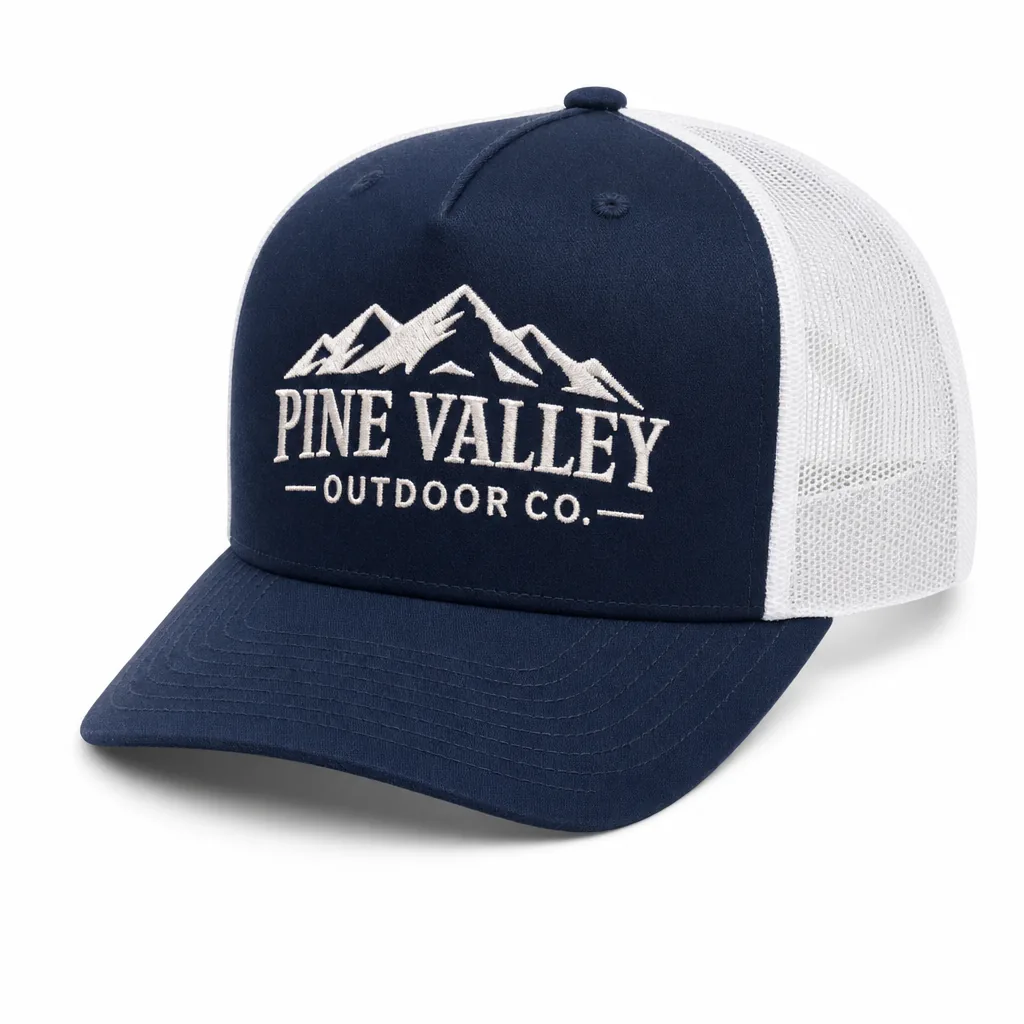
For brand owners, wholesalers and procurement teams entering the custom headwear category, performance & athletic caps: moisture-wicking, upf and buyer specs - cost & moq breakdown (2026 update) - 2026 buyer's guide (2026 update) is one of the highest-leverage decisions you will make. Get it right and your unit economics, retail story and reorder cycle all improve. Get it wrong and you carry the cost for years.
What makes a cap 'performance' vs 'standard'
A cap earns the “performance” label when the bill of materials is built for sweat, heat, and repeat wear, not just shelf shape. In practice that usually means a polyester-based shell, either 100% polyester or a 92/8 polyester-spandex blend, with a documented wicking finish that pulls moisture off the skin and spreads it across the fabric face for faster evaporation. The sweatband is where cheap programs fail first: a brushed polyester-elastane band or perforated microfiber band handles abrasion and moisture far better than cotton tape, especially during the first 15 to 20 minutes of wear when hot spots show up. As a performance cap manufacturer, our standard training spec usually lands below 80 gsm for a six-panel cap and around 60 to 70 gsm for an unstructured runner, because once the fabric starts retaining water, comfort, fit, and recovery all fall together.
Construction is the second divider. A standard cap can use heavier cotton twill, full buckram, and dense embroidery because the goal is a clean silhouette, not thermal control; a running or training cap should be lighter at every stress point. That usually means 100 to 130 gsm crown fabric, laser-cut or bonded eyelets, low-bulk seam tape, soft visor inserts, and fewer interior layers so the forehead area does not grind under motion. Buyers ordering athletic cap programs should ask for fabric gsm, yarn count or denier, stitch count per seam, sweatband composition, and whether the crown uses self-fabric lining or open mesh. Those specs directly affect dry time, packability, wash recovery, and whether the cap still holds shape after 10 to 20 wash cycles instead of collapsing halfway through a season.
UPF is the other hard line between true performance headwear and plain promotional stock. A credible UPF hat manufacturer should state the test method, the lab standard, and whether the protection comes from fiber choice, fabric density, or a chemical finish; otherwise the number is just ink on a hangtag. In practice, UPF 30 is the floor for casual sunwear, while UPF 50+ is the safer target for golf, fishing, and field sports with long exposure. Buyers should also ask for colorfastness to crocking and laundering, Delta-E tolerance across dye lots, and retention after 20+ wash cycles, because a fabric that degrades in laundering can lose both hand feel and protection. If the supplier cannot name the test standard, the claim is not procurement-grade.
UPF ratings: what's actually meaningful
UPF is one of the few claims on a performance cap that is worth treating as a real spec, but only when it is tied to the test method and the exact fabric lot. UPF 30 blocks about 96.7% of UV radiation; UPF 50+ blocks 98% or more. That last step sounds minor, yet it usually means higher cover factor, less open construction, and sometimes UV-absorbing finishes that change hand feel, drape, and cost. A performance cap manufacturer should ask for the lab report, not the hangtag copy: AS/NZS 4399 is the common retail standard, while AATCC 183 is used for lab determination of UV transmission in the U.S. The report should match the dyed and finished shade band, not a lab swatch pulled before production finishing. If the test date, fabric code, and colorway do not line up, the number is decoration, not evidence.
Most polyester cap fabrics land around UPF 15-30 before treatment, especially 150-220 gsm interlock, tricot, and compact woven panels. That is usually fine for running, training, and promotional headwear where weight, airflow, and packability matter more than maximum UV exclusion. Getting to UPF 50+ typically takes one or more tradeoffs: a tighter weave, higher-denier yarn, a darker Pantone TCX shade, or a UV finish applied after dyeing. On factory pricing, that usually adds about $0.20 to $0.60 per cap, with the upper end showing up when a buyer wants light colors and a stable rating after washing. CrownsForge’s standard practice is to treat UPF as a fabric specification first, because embroidery, laser perforation, mesh side panels, and open back sections all reduce real-world coverage even if the main crown panel tests well.
The useful buyer move is to separate fabric UPF from finished-cap protection. A low-crown runner with mesh inserts and a short brim will not protect like a full-coverage golf cap, even if the front panel fabric is certified UPF 50+. Brim length, panel layout, seam density, and underbill construction all change how much face, ear, and neck area stays shaded while the wearer is moving, which is the part that matters in the field. The clean spec package is simple: identify the tested fabric construction, require the report for the production lot, and define the cap geometry separately with crown height, brim length, and any vent or mesh areas. That is what lets a buyer compare quotes from a performance cap manufacturer on equal terms instead of comparing one technically credible sample against another that only looks similar on the page.
Sweatband construction for athletic use
Cotton sweatbands are cheap and familiar, but for athletic use they act like a sponge. Once saturated, they trap heat against the forehead and keep the cap interior damp, which is exactly what runners, tennis players, and sideline staff do not want in a moisture-wicking cap. A polyester-elastane sweatband performs better because it spreads perspiration across a wider surface and moves it into the knit face for evaporation instead of letting it pool at the skin seam. In hot-weather wear, that difference shows up fast: a basic cotton insert can feel loaded within 20 to 30 minutes, while a proper performance build keeps the forehead drier and reduces the clammy reset that happens after every stop-and-start effort. For a performance cap manufacturer, this is not a cosmetic detail; it is one of the first places a cap succeeds or fails in use.
The production variables that matter are width, knit density, recovery, and how the band is attached to the crown. For running caps, 30 to 50 mm is the usual width; for golf cap wholesale programs, I generally see 180 to 260 gsm tricot or brushed warp-knit sweatbands, often with 6% to 12% spandex for rebound. Edge treatment matters as much as the base cloth. A folded-over seam with poor trimming creates a pressure ridge at the forehead, and that ridge gets worse after 3 to 5 wash cycles when the tape shrinks faster than the shell. Terry loop inserts can improve handfeel, but terry alone does not move moisture well and tends to hold odor longer than a smoother polyester knit. CrownsForge’s standard practice is to check band elasticity after laundering, not just at inline inspection, because a band that looks fine on day one can collapse once the customer actually sweats in it.
The bigger mistake is treating sweat management as separate from fit, color, and testing. A UPF hat manufacturer can use a strong shell fabric and still deliver a poor athletic cap if the sweatband slips when damp, twists at the temple, or leaves a wet ring that creeps into the front panels. For team and promotional programs, I would specify colorfast polyester-elastane tape, target Delta-E under 2.0 against the crown fabric, and verify wash recovery after 10 to 20 laundering cycles under the buyer’s care label. If the cap is sold as athletic gear, I also want the sweatband and front panels checked together under AQL 2.5, because the real failure is system-level: the cap has to hold shape, manage sweat, and stay comfortable under movement. That is the standard buyers should expect from a serious performance cap manufacturer, not just a sewn-in strip of absorbent cloth.
Reflective trim, vented panels, and other athletic features
Reflective trim only pays off when it sits where headlights actually hit it. For running and cycling caps, that means the brim edge, the underside of the visor, the center-back closure, and a narrow hit on the rear crown; anything buried under seam tape or hidden by hair is wasted cost. I spec 3M Scotchlite or an equivalent certified reflective tape in 6 to 10 mm widths, then secure it with tight lockstitching and bartacks at ends and corners so repeated wash cycles do not lift the edge. A practical target is legible reflection at roughly 150 to 200 meters under low-beam headlights, which is the range buyers care about for dusk road use. A performance cap manufacturer that works in this category should also keep reflective elements away from the main sweat path, because salt and flexing usually break down adhesive faster than abrasion does.
Laser-cut ventilation is the cleaner answer on structured running caps built from 140 to 180 gsm polyester shells. Staggered perforation fields on the side and rear panels move air without collapsing the shape of a 5-panel or 6-panel crown, and they preserve a larger uninterrupted print zone than full mesh. The cut edge needs heat sealing or ultrasonic finishing; otherwise the holes can fuzz, crack, or grow after laundering. In production I check hole diameter, burrs, and symmetry panel by panel, because a 0.5 mm drift is visible in bulk and makes the crown look off-register. Buyers should treat laser vents as a tooling and programming decision, not a raw-material upgrade, since setup time and machine pathing usually drive the cost more than fabric consumption does.
Mesh inserts are the better fit for golf, training, and promotional athletic caps where breathability has to coexist with a cleaner front panel. A common spec is polyester mesh or spacer mesh at 120 to 160 gsm on the side or back, paired with a denser woven front panel that holds embroidery on Tajima, Barudan, or ZSK heads without puckering. If the brief includes UPF, the fabric package has to be evaluated panel by panel, because open mesh will never test the same as a tight woven crown even when the style is sold as a UPF cap. For moisture control, I prefer a thin brushed tricot sweatband and quick-dry binding over foam inserts, since foam holds odor and slows recovery between wears. The right combination is straightforward: reflective trim for low-light visibility, laser vents for structured airflow, and mesh when the buyer wants breathability without giving up a retail-grade profile.
Color and design considerations for athletic positioning
Athletic positioning fails fastest when the cap reads like streetwear. The commercial default is a restrained body color with one accent at most: black, graphite, navy, bone, or muted team red, then a tonal logo in matte thread, silicone heat transfer, or low-profile TPU. When a buyer pushes a performance cap manufacturer for high-contrast front-panel graphics, the cap usually looks heavier and less technical, which is the wrong signal for runners, golfers, and field-sport programs. In practice, 60 to 75 percent of performance runs land in monochrome bodies, and the logo contrast is typically held within 0.5 to 1.5 Delta-E of the shell on polyester micro-twill, perforated woven polyester, or 4-way stretch nylon/elastane. That range keeps the mark readable without making sweat marks, salt bloom, and panel distortion the first thing people notice.
Logo execution has to follow fabric behavior, not the artwork mockup. On 95 to 130 gsm ultralight woven runner caps, 3D puff embroidery is the wrong tool because it can choke airflow, distort the crown, and show tension lines under heat and moisture. A running-cap program usually performs better with 0.2 to 0.4 mm TPU, reflective transfer, or flat satin embroidery kept under about 6,000 stitches on Tajima or Barudan heads. For golf cap wholesale orders, a structured visor and a raised crest still sell, but the athletic version is more disciplined: side hits, rear arch wordmarks, laser-perf side panels, or under-visor contrast only when the brand needs a subtle team cue. Our standard practice is to check Pantone TCX against the dyed shell under D65 lighting, because tonal branding can drift visibly between lots even when the cap would pass a casual floor check.
For team and league programs, the real issue is sub-brand architecture, not decoration count. A school, club, or tournament mark can sit on the same base silhouette, sweatband spec, and UPF-rated shell, which is how you keep 6 to 20 logo variants from turning into a new development cycle every season. MOQ usually breaks on decoration and fabric treatment rather than on the cap body itself: 144 to 300 pieces per color for stock performance polyester, and more like 300 to 500 when the order needs custom-dyed fabric, welded taping, or reflective print registration across multiple panels. If the buyer is sourcing from a UPF hat manufacturer, ask for colorfastness to perspiration and crocking data before approval, not after sampling. Dark navy and black can meet UPF targets and still bleed onto internal sweatbands if dyeing, post-cure, or wash fixation is rushed, which is a common failure on athletic programs that look fine in photos but fail in wear.
Pricing: performance fabric costs vs standard cotton
Price the cap by component or the quote is useless. A standard 6-panel cotton twill cap usually sits in the lowest-cost bracket, while a 100% polyester performance crown adds about $0.40 to $0.80 per piece at factory level, assuming 120-150 gsm fabric, 75D/72F or similar filament construction, and either a soft peach finish or a tighter athletic hand. Move to polyester-spandex, add mesh side panels, laser-cut perforation, or bonded front buckram, and the number climbs because you are paying for extra processing time, not just cloth. A performance cap manufacturer should separate fabric, trim, stitching, and decoration in the quote; otherwise buyers compare a bare cotton shell to a fully built sports cap and call it a margin problem when the spec is the real issue.
UPF is not a magic surcharge, but it is not free either. A genuine UV-rated program usually adds about $0.20 to $0.30 per cap when the protection comes from UV-stable yarn, tighter weave construction, and color control that still passes after laundering. Post-finish chemical treatment can look cheaper on paper, but it is weaker if the buyer needs repeat test results or retail compliance. For UPF 50+, dark colors are often easier to hold because dye depth, cover factor, and fabric opacity are more predictable than with pale shades. The test basis matters: AS/NZS 4399, AATCC 183, and EN 13758 are not interchangeable, and each one changes lab cost, lead time, and acceptance risk. Put the standard, target rating, and test report requirement in the PO, not in a follow-up email.
The sweatband is a small line item, but it is where comfort complaints show up first. Basic cotton tape is cheap; a brushed polyester or polyester-spandex sweatband with quick-dry foam typically adds $0.10 to $0.20 per cap, and bonded or laminated constructions cost more when the buyer wants less bulk and better recovery at the forehead. That upgrade matters more on running caps and training caps than on casual headwear because it affects slip, absorbency, and shape retention after repeated wear. The bigger cost trap is MOQ fragmentation: split the order across colors, artwork positions, panel counts, or fabric types and the unit price rises faster than the raw material delta. Our standard practice is to lock the fabric spec, keep decoration to one or two placements, and treat performance trims as part of the production system, not optional extras.
Frequently Asked Questions
Which shipping methods do you support?
We support FOB, CIF and DDP shipping. Air express for samples and small orders, sea LCL for 100 to 500 pieces, sea FCL for 5,000+ pieces. Door-to-door DDP available for US, EU, UK, Canada and Australia.
Do you support sustainability certifications?
Yes. We work with GOTS organic cotton, GRS-certified recycled polyester, OEKO-TEX Standard 100 fabrics, and are BSCI and Sedex audited. Certification documentation can be provided per order.
What file format should I send for my logo?
Vector files (AI, EPS, PDF) are ideal. High-resolution PNG or JPG at 300 dpi on transparent background works as a fallback. Provide Pantone color references for accurate reproduction.
How long does production take?
Sampling takes 7 to 12 days. Bulk production runs 20 to 30 days depending on quantity, fabric availability and decoration complexity. Inspection and packing adds another 3 to 5 days before shipment.
What logo decoration techniques do you offer?
3D puff embroidery, flat embroidery, woven patch, leather patch, PVC patch, screen printing, sublimation, applique and laser etching, all in-house with no subcontracting.
How does ordering baseball cap custom logo work?
When evaluating baseball cap custom logo, the key considerations are construction quality, decoration capability, MOQ flexibility and lead time. Performance polyester adds roughly $0.40-$0.80 per cap vs standard cotton. UPF treatment adds another $0.20-$0.30. Sweatband upgrade adds $0.10-$0.20. Moisture-wicking fabric (typically polyester with wicking finish), moisture-wicking sweatband (usually polyester-elastane blend), lightweight construction (under 80g), and often UPF treatment.
What should buyers know about branded bills performance hat?
When evaluating branded bills performance hat, the key considerations are construction quality, decoration capability, MOQ flexibility and lead time. UPF 30 blocks ~97% of UV. UPF 50+ blocks 98%+. Most performance polyester fabric reaches UPF 30 naturally without chemical treatment. UPF 50+ usually requires treated fabric, which adds cost. Performance polyester adds roughly $0.40-$0.80 per cap vs standard cotton. UPF treatment adds another $0.20-$0.30. Sweatband upgrade adds $0.10-$0.20.
How much does branded bills custom hat cost typically cost?
When evaluating branded bills custom hat cost, the key considerations are construction quality, decoration capability, MOQ flexibility and lead time. UPF 30 blocks ~97% of UV. UPF 50+ blocks 98%+. Most performance polyester fabric reaches UPF 30 naturally without chemical treatment. UPF 50+ usually requires treated fabric, which adds cost. Moisture-wicking fabric (typically polyester with wicking finish), moisture-wicking sweatband (usually polyester-elastane blend), lightweight construction (under 80g), and often UPF…
How does ordering custom logo bucket hat work?
When evaluating custom logo bucket hat, the key considerations are construction quality, decoration capability, MOQ flexibility and lead time. Moisture-wicking fabric (typically polyester with wicking finish), moisture-wicking sweatband (usually polyester-elastane blend), lightweight construction (under 80g), and often UPF treatment. UPF 30 blocks ~97% of UV. UPF 50+ blocks 98%+. Most performance polyester fabric reaches UPF 30 naturally without chemical treatment. UPF 50+ usually requires treated fabric, which…
Need a low-MOQ test order?
We help emerging brands launch with as few as 100 pieces. Premium fabric, in-house embroidery, retail-ready packaging.
Start a small orderRelated guides
Merino Wool Beanie: Properties, Costs and How to Spec It Right - 2026 Buyer's Guide - Cost & MOQ Breakdown
Read article →
Cotton vs Polyester vs Wool: A Cap Fabric Decision Tree - 2026 Buyer's Guide
Read article →
Festival Bucket Hats Fabric And Trim Spec Guide for Custom Hat Buyers
Read article →If you are ready to take the next step on performance & athletic caps: moisture-wicking, upf and buyer specs - cost & moq breakdown (2026 update) - 2026 buyer's guide (2026 update), our team can put a tailored quotation and digital mock-up in your inbox within 24 hours. Send the inquiry form on our contact page or message us directly on WhatsApp.