
Performance & Athletic Caps: Moisture-Wicking, UPF and Buyer Specs - 2026 Buyer's Guide - Supplier Checklist
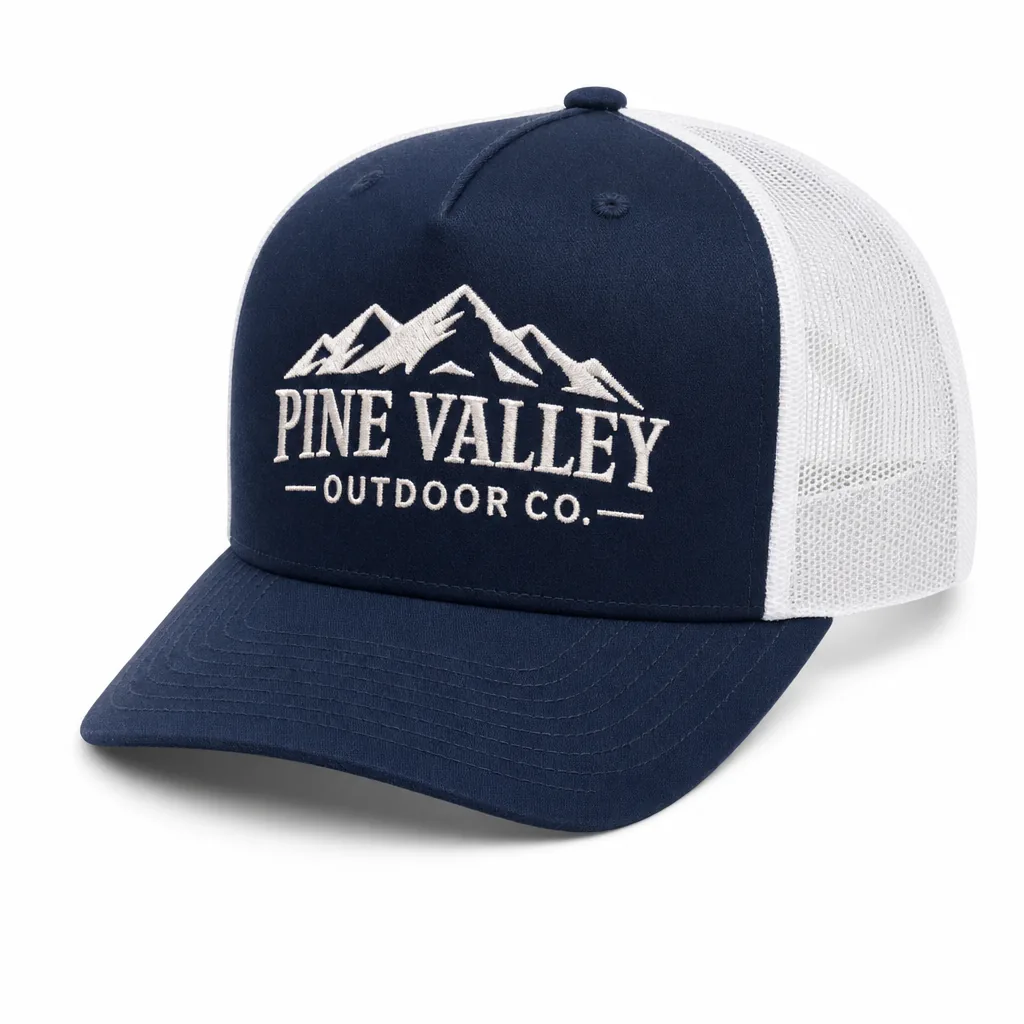
Every week, our sales team answers detailed questions about performance & athletic caps: moisture-wicking, upf and buyer specs - 2026 buyer's guide - supplier checklist. We wrote this guide so that wholesalers, streetwear brands, corporate buyers and promotional resellers can compare options with full information, and avoid the traps that show up only after production has started.
What makes a cap 'performance' vs 'standard'
A cap is only truly performance when the fabric system is built to move sweat, dry fast, and hold its shape under repeated wear. In practice, that usually means 100% polyester, recycled polyester, or a polyester-spandex blend with a mechanical wicking finish, plus a brushed polyester-elastane sweatband that does not turn clammy after 20 minutes. On the factory floor, finished weight tells you a lot: a clean six-panel performance cap typically lands around 65 to 80 gsm, while a cotton twill five-panel often runs 85 to 110 gsm and gets heavier once it absorbs perspiration. Cotton collapses at the brow and dries slowly; a proper performance build keeps the crown lighter, the hand drier, and the fit stable through repeated wear. That is the gap a serious performance cap manufacturer is supposed to close, not by swapping fabric alone, but by engineering the whole construction.
UPF is the other hard line between athletic headwear and standard merch. A credible upf hat manufacturer should specify the base yarn, weave or knit density, and any dye or mineral treatment needed to reach a verified UPF 30, 40, or 50+ after laundering, not just straight off the loom. UPF is not fixed by one feature: darker colors usually test better than pale shades, tighter weaves block more UV than loose structures, and mesh panels can drop protection sharply unless they are lined or backed. For buyer specs, I want test references to AS/NZS 4399 or AATCC 183, plus a clear statement on whether the rating applies to the crown fabric only or to the full cap, including underbrim and side mesh. A lightweight running cap can breathe well and still miss sun-protection targets if the ventilation zones are too open.
The sweat-management details are where many suppliers cut corners. A proper moisture-wicking cap needs the outer shell, seam package, and sweatband working as one system, because good fabric alone will not stop perspiration from pooling at the forehead. In bulk production, I check stitch density, seam tape weight, and whether the sweatband is double-layered or foam-backed; a cheap bonded band can start delaminating after 20 to 30 wash cycles, especially when adhesive softens under heat and salt. For golf cap wholesale programs, buyers often want a cleaner hand and a slightly stiffer front than a trail-running cap, but the performance baseline should still include fast dry time, colorfastness to perspiration, and crown recovery after repeated soaking. If the supplier cannot state GSM, composition, and test data in the same spec sheet, it is probably standard headwear dressed up as athletic product.
UPF ratings: what's actually meaningful
UPF is easy to inflate, so the only number that matters is the actual transmission math. UPF 30 lets through 1/30th of UV, which is about 3.3 percent blocked; UPF 50+ lets through 1/50th or less, or 2 percent and under. That difference is small on paper, but it usually reflects real construction changes: tighter knit density, higher denier polyester, darker pigment load, or a UV-absorbing finish. Most plain polyester performance knits land around UPF 20 to 30 before any treatment, which is why catalog claims often outrun the base cloth. For a performance cap manufacturer, the real question is whether the rating survives cutting, seam lines, crown stretch, sweat exposure, and 20 to 50 wash cycles. A swatch card is not proof; a finished cap report is.
Treat UPF 50+ as a verified spec, not a marketing phrase. Ask for the lab report, the test standard, and the test condition: AATCC 183, AS/NZS 4399, or the newer ISO 15894 if the supplier has it, plus whether the result was measured on raw fabric, after laundering, or on the sewn cap. That matters because a moisture-wicking cap can feel light and dry fast while still sitting at UPF 15 to 30 if the knit is open or the shade is too pale. In a running cap custom program, the tradeoff is predictable: better UV performance usually means higher gsm, tighter construction, and some loss of airflow. On golf cap wholesale orders, that is often acceptable because the cap is worn for hours under direct sun and the UV claim has real retail value.
The spec has to name exactly what is covered. A crown in 100 percent polyester may test at UPF 50+, but if the side panels are spacer mesh, the visor uses a lighter weave, or the sweatband is cotton-rich, the whole cap should not be sold as uniformly protective. A credible supplier will break out panel-by-panel results, show whether the fabric was tested wet and after laundering, and state the test date and lab name. If they cannot do that, the claim is weak. In practice, the best buying approach is to separate comfort from protection: a breathable cap can manage heat well, but a true UV barrier has to be engineered from the start. That is the level of detail a serious performance cap manufacturer should be able to quote without hand-waving.
Sweatband construction for athletic use
Cotton sweatbands are still common in low-cost headwear, but they are a bad default for athletic use. Once cotton saturates, it holds water against the forehead, adds weight, and keeps rewetting skin during repeat exertion. In a 60- to 90-minute run, a tennis match, or a humid golf round, that becomes a comfort failure fast. A better spec is a polyester-elastane or nylon-spandex sweatband, usually a brushed tricot or jersey knit at 180-220 gsm with 10-20% spandex. The point is not softness alone; the knit has to pull moisture off the skin, spread it, and dry before the next interval. For a performance cap manufacturer, the sweatband is not trim. It is one of the main reasons the cap feels acceptable after the first 10 minutes of real activity.
Construction matters as much as fiber content. A proper moisture-wicking cap usually uses an internal folded sweatband with flatlock or bonded seams, low-profile topstitching, and minimal bulk at the front panel so it does not dig into the forehead. Buyers should check seam placement and stitch density, because a thick center-front join creates a pressure point and traps sweat instead of moving it. On running-cap custom programs, I look for a sweatband that survives at least 20 wash cycles without edge curl, seam slippage, or visible pilling, plus colorfastness to ISO 105-C06 grade 4 or better. If the trim is dark, ask for Delta-E under 2.0 against the approved Pantone TCX reference after wash, not just on a dry preproduction sample.
The bigger mistake is treating the sweatband as separate from the rest of the cap spec. If the front panel is dense cotton twill, a 100% polyester mesh back will not make the cap perform well; the forehead zone still determines perceived comfort. A serious performance cap manufacturer usually pairs the internal wicking trim with quick-dry shell fabrics, often 85/15 polyester-elastane or nylon-spandex, then validates the package under actual sweat load instead of a handfeel check. For golf or field-sport programs, ask for a 30-minute wear test at 28-32 C and 70%+ relative humidity, then inspect for wet cling, odor retention, and dry-down under 30 minutes. The numbers matter because athletes notice the difference immediately, and the sweatband is where most low-spec caps fail first.
Reflective trim, vented panels, and other athletic features
Reflective trim is only useful where moving light will catch it fast: the lower brim edge, side seams, rear strap tabs, or a narrow sandwich-piping insert at the back opening. For running and cycling programs, I spec 3M Scotchlite or a certified equivalent in 5 to 20 mm widths, then verify placement after embroidery, heat transfer, or seam sealing so the reflective face is not buried under thread or topstitching. A performance cap manufacturer should keep reflective material out of sweat-heavy and high-abrasion zones; salt, sunscreen, and pack straps kill cheap film early. On a real running cap custom run, I want headlamp visibility at about 15 to 30 meters, not just a bright flash under showroom LEDs.
Laser-cut venting works only when the base cloth has enough body to hold the openings after sewing, laundering, and packing. On a moisture wicking cap, I look for polyester interlock, microfiber tricot, or nylon-spandex blends in the 120 to 180 gsm range, with perforations around 1.5 to 3.0 mm and enough hole density to preserve crown shape. That matters because aggressive open cutouts on a front panel can collapse an embroidery field and distort a structured six-panel crown. For UPF styles, the construction has to be tested as built; open vents can pull a fabric from UPF 50+ down into the 20s if the knit is too light or the hole pattern is too sparse.
Perforated mesh inserts are still the most forgiving warm-weather option for golf because they vent well without making the cap look overly technical. For golf cap wholesale programs, I prefer mesh on the side or rear panels and a denser front panel for raised embroidery, with color checked against Pantone TCX before sampling because white mesh beside dyed crown cloth can read off in daylight even when the lab dip is correct. A serious performance cap manufacturer will also define stitch count, panel placement, wash durability, and AQL 2.5 checkpoints for tape adhesion, hole consistency, and seam puckering. That is the difference between a cap that samples cleanly and one that survives a full season of wear, sweat, and repeated laundering.
Color and design considerations for athletic positioning
Athletic buyers usually want restraint first: one Pantone TCX crown color, a tonal logo, and at most a narrow contrast piping line or undervisor detail if the program needs separation. That is the opposite of streetwear, where the cap is meant to read from across the room. For a performance cap manufacturer, the real job is to keep the surface clean so the mark stays legible in motion, under stadium LEDs, and after 30 to 50 laundry cycles. On a moisture wicking cap, heavy contrast thread goes muddy once sweat darkens the fabric, so serious programs usually stay with matte polyester tricot, recycled polyester, or nylon-spandex and keep embroidery within Delta-E 2 to 3 against the crown for a controlled look that still photographs well.
For running cap custom work, the color brief should match the use case, not the mood board. High-visibility road pieces can justify fluorescent shell colors, 3M Scotchlite-style reflective hits, or a reflective sandwich brim, while club and training programs usually perform better in muted solids like navy, graphite, black, forest, or white. A good upf hat manufacturer also has to watch how dye class, lamination, seam tape, and UV exposure affect color drift; a fabric that matches at launch can shift after 30 to 50 hours in sun, especially on dark synthetics. Our standard practice is to approve both daylight and D65 booth swatches before bulk cutting, because a tonal logo fails fast when the base shade is even slightly off.
Team programs usually solve assortment with one core cap and one controlled alternate rather than forcing a single graphic to do everything. The primary line carries the main colorway and sponsor marks; the secondary line keeps the palette tight, often one alternate body color, one undervisor option, and one accent stitch for seasonal release or roster-specific use. That structure works well for athletic hat custom orders and golf cap wholesale programs because it keeps reorders predictable: one approved crown color, one trim spec, one logo treatment, and a clean bill of materials per SKU. It also helps production at the machine level, since Tajima, Barudan, and ZSK heads handle tonal embroidery cleanly when thread density is moderate and the design does not depend on thick satin fills to create contrast.
Pricing: performance fabric costs vs standard cotton
Performance polyester usually adds about $0.40 to $0.80 per cap over standard combed cotton twill, but that number only means anything when the constructions are matched correctly: 100 percent cotton twill against 100 percent polyester micro-mesh, birdseye, or interlock in the same fabric weight. The price is not just yarn cost. You are paying for denier, knit density, moisture transport rate, shade consistency, and whether the fabric holds shape after 20 to 30 wash cycles plus heat-set drying. A performance cap manufacturer will usually quote more on dark colors because tighter Delta-E control matters when buyers are trying to keep black, navy, and charcoal within a 1.5 to 2.0 Delta-E window across multiple lots. Cotton often looks acceptable on delivery, then starts to pill, lose crown memory, and show salt marks after field use; that is where the real cost gap shows up.
UPF usually adds another $0.20 to $0.30 per cap when the protection comes from fiber choice, a UV finish, or both. The useful question is not the printed rating, but whether the fabric was tested after laundering and whether the report matches the exact yarn, construction, and colorway in production. UPF 50+ should be backed by AATCC 183 or AS/NZS 4399, with real test data tied to the same lot, not a recycled certificate sitting in a sales folder. For an athletic cap custom order, I would check the crown, visor top, undervisor, and side panels separately, because mixed materials can create weak spots even if the main body passes. That is basic discipline for any serious UPF supplier.
The sweatband is usually the smallest line-item increase, but it changes user feedback faster than panel count or decorative stitching. Moving from plain cotton tape to brushed polyester, terry loop, or polyester foam typically adds about $0.10 to $0.20 per cap, and that is the upgrade runners, baseball teams, and golf buyers notice first because it cuts drip, skin friction, and the wet-clammy feel under load. On a practical build, I would spend on the interior package before paying for extra embroidery heads or another panel seam: a better sweatband plus a clean 3-needle binding finish does more for repeat business than cosmetic changes that look good in photos but disappear on wear. We see that tradeoff constantly in production, and it is why buyers who work with a performance cap manufacturer usually judge value by comfort after a full session, not by panel count or stitch vanity.
Frequently Asked Questions
How long does production take?
Sampling takes 7 to 12 days. Bulk production runs 20 to 30 days depending on quantity, fabric availability and decoration complexity. Inspection and packing adds another 3 to 5 days before shipment.
Do you support sustainability certifications?
Yes. We work with GOTS organic cotton, GRS-certified recycled polyester, OEKO-TEX Standard 100 fabrics, and are BSCI and Sedex audited. Certification documentation can be provided per order.
Which shipping methods do you support?
We support FOB, CIF and DDP shipping. Air express for samples and small orders, sea LCL for 100 to 500 pieces, sea FCL for 5,000+ pieces. Door-to-door DDP available for US, EU, UK, Canada and Australia.
What logo decoration techniques do you offer?
3D puff embroidery, flat embroidery, woven patch, leather patch, PVC patch, screen printing, sublimation, applique and laser etching, all in-house with no subcontracting.
What file format should I send for my logo?
Vector files (AI, EPS, PDF) are ideal. High-resolution PNG or JPG at 300 dpi on transparent background works as a fallback. Provide Pantone color references for accurate reproduction.
How does ordering baseball cap custom logo work?
When evaluating baseball cap custom logo, the key considerations are construction quality, decoration capability, MOQ flexibility and lead time. Performance polyester adds roughly $0.40-$0.80 per cap vs standard cotton. UPF treatment adds another $0.20-$0.30. Sweatband upgrade adds $0.10-$0.20. Moisture-wicking fabric (typically polyester with wicking finish), moisture-wicking sweatband (usually polyester-elastane blend), lightweight construction (under 80g), and often UPF treatment.
What should buyers know about branded bills performance hat?
When evaluating branded bills performance hat, the key considerations are construction quality, decoration capability, MOQ flexibility and lead time. UPF 30 blocks ~97% of UV. UPF 50+ blocks 98%+. Most performance polyester fabric reaches UPF 30 naturally without chemical treatment. UPF 50+ usually requires treated fabric, which adds cost. Performance polyester adds roughly $0.40-$0.80 per cap vs standard cotton. UPF treatment adds another $0.20-$0.30. Sweatband upgrade adds $0.10-$0.20.
How much does branded bills custom hat cost typically cost?
When evaluating branded bills custom hat cost, the key considerations are construction quality, decoration capability, MOQ flexibility and lead time. UPF 30 blocks ~97% of UV. UPF 50+ blocks 98%+. Most performance polyester fabric reaches UPF 30 naturally without chemical treatment. UPF 50+ usually requires treated fabric, which adds cost. Moisture-wicking fabric (typically polyester with wicking finish), moisture-wicking sweatband (usually polyester-elastane blend), lightweight construction (under 80g), and often UPF…
How does ordering custom logo bucket hat work?
When evaluating custom logo bucket hat, the key considerations are construction quality, decoration capability, MOQ flexibility and lead time. Moisture-wicking fabric (typically polyester with wicking finish), moisture-wicking sweatband (usually polyester-elastane blend), lightweight construction (under 80g), and often UPF treatment. UPF 30 blocks ~97% of UV. UPF 50+ blocks 98%+. Most performance polyester fabric reaches UPF 30 naturally without chemical treatment. UPF 50+ usually requires treated fabric, which…
Need a low-MOQ test order?
We help emerging brands launch with as few as 100 pieces. Premium fabric, in-house embroidery, retail-ready packaging.
Start a small orderRelated guides
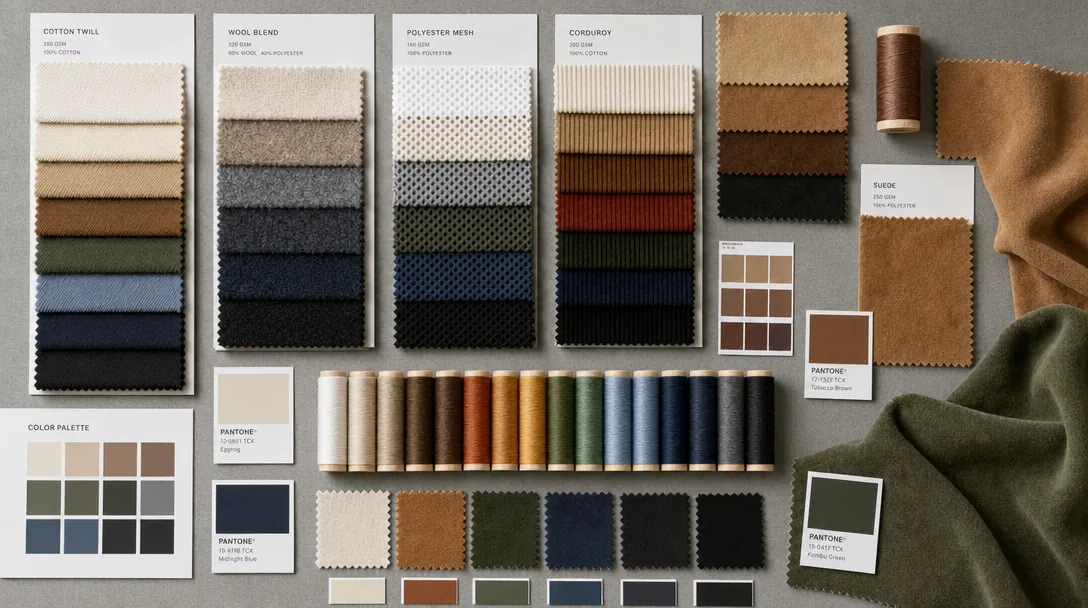
Camouflage Bucket Hat: Properties, Costs and How to Spec It Right
Read article →
Patch Hats Retail Packaging Guide for Custom Hat Buyers
Read article →
Merino Wool Beanie: Properties, Costs and How to Spec It Right - Cost & MOQ Breakdown - 2026 Buyer's Guide
Read article →We hope this guide demystifies performance & athletic caps: moisture-wicking, upf and buyer specs - 2026 buyer's guide - supplier checklist and helps you move forward with confidence. If you have questions specific to your project, our English-speaking sales engineers are one message away.