
Patch Hats Decoration QC Checklist for Custom Hat Buyers - Cost & MOQ Breakdown - Cost & MOQ Breakdown
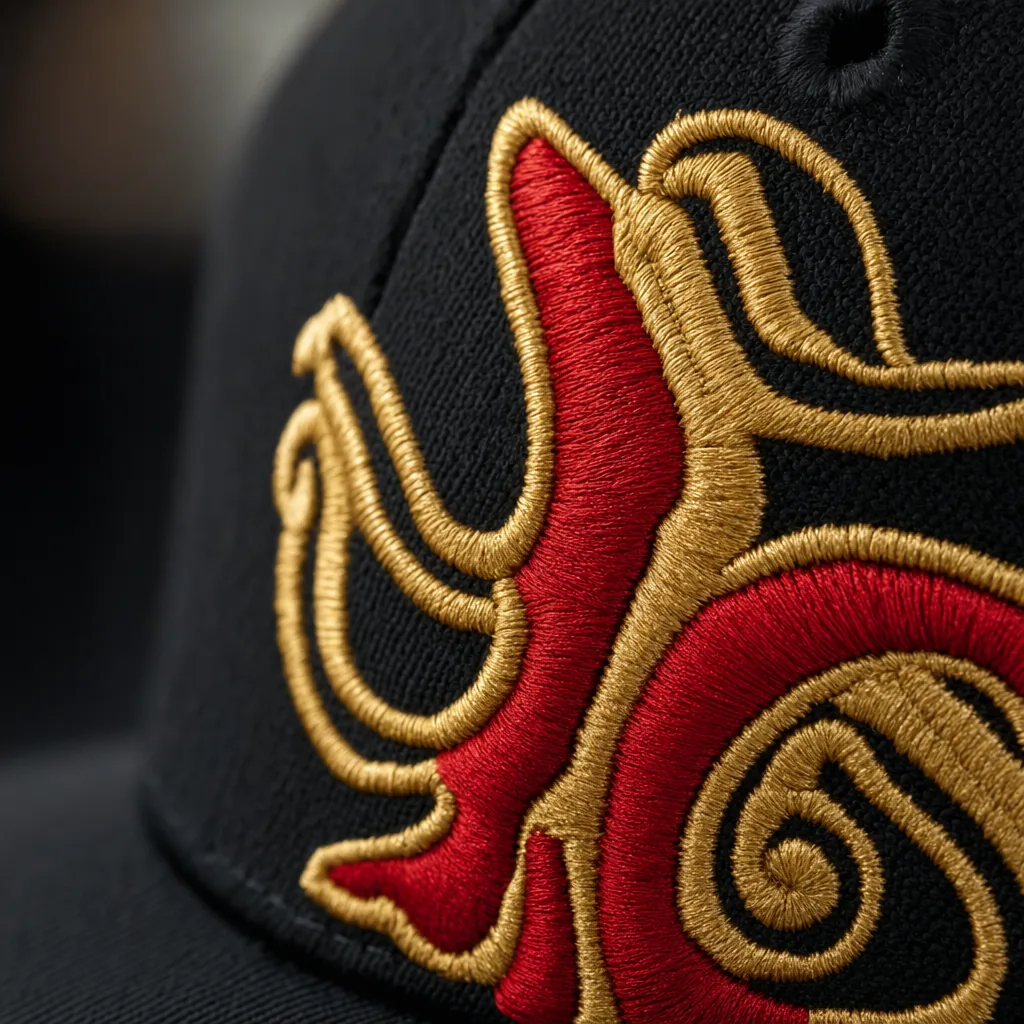
Patch Hats Decoration QC Checklist for Custom Hat Buyers - Cost & MOQ Breakdown - Cost & MOQ Breakdown is one of the most-asked questions we receive from international buyers, and for good reason. With dozens of factories competing for your order and an alphabet soup of technical terms in every supplier quote, even experienced importers can feel lost. This guide consolidates what we have learned producing custom hats for clients in 40+ countries.
Why patch hats decoration qc checklist needs a separate sourcing plan
Most patch-hat claims start in the handoff between the cap factory and the patch vendor, not in standard cap QC. A shell can pass crown symmetry, visor shape, seam balance, and button alignment, then still fail retail inspection because the patch spec was vague: wrong twill base, merrow edge drifting from 2.5 mm to 4.0 mm, woven label density too loose for small text, or a heat-seal film that fractures after one press cycle. That is why a patch hats decoration qc checklist needs a separate sourcing plan. The patch is its own BOM item with its own approvals: face material, edge finish, backing, Pantone reference, attachment method, and placement tolerance. I would not release bulk cutting until the buyer signs off on a strike-off mounted on the actual cap fabric and structure—foam trucker, brushed cotton twill, nylon taslon—not on a loose lab swatch that hides puckering and heat marks.
Attachment method drives both defect risk and cost. Stitch-down embroidered or woven patches are generally safer on washed chino twill and canvas because the sew line tolerates surface variation; normal placement tolerance is +/-2 mm on flat panels before assembly, but that can widen to +/-3 mm once operators apply to a finished crown. TPU, PU, and PVC badges are less forgiving: 190-210°C pressing on lightweight nylon or polyester can leave platen shine, distort foam fronts, or create adhesive bleed at the edge. Pre-assembly application usually gives cleaner registration, but a stiff badge on a low-profile 6-panel can telegraph through the crown and cause puckering around the stay. Our standard practice is to treat attachment trials as a production gate with peel testing, wash or rub evaluation, and visual checks under D65 light, because that catches the failures buyers actually get charged for later.
Cost and MOQ shift immediately once you source the patch as a separate component. A hat factory may accept 144 caps, but embroidered, woven, TPU, or molded PVC patch suppliers often want 300-500 pieces per design and colorway, so small split programs get expensive fast. Dense embroidery at 75%-90% thread coverage typically adds $0.28-$0.55 per unit over a simple woven patch; molded TPU or PVC usually adds $120-$250 in tooling plus 7-10 days for sampling. Compliance is the other blind spot: PU/PVC badges and heat-seal films may require REACH SVHC review, Proposition 65 screening, and phthalate testing depending on channel. A practical patch hats decoration qc checklist should therefore include incoming patch inspection at AQL 2.5, Delta-E control—under 2.0 for retail color-critical work—edge-width verification, placement tolerance, stitch count or peel-strength testing, and final checks for tilt, scorching, needle damage, and adhesive lift after 55-60°C transit simulation. If those controls are not built into sourcing from day one, the order is being managed like a plain embroidered cap, and that is exactly how patch claims start.
Factory capability checks before quoting
A quote is only trustworthy if the factory actually owns the patch process it is pricing. In a serious patch hats decoration qc checklist, first separate true in-house capability from brokerage: merrowed embroidered patches, laser-cut felt or twill patches, woven patches, chenille, debossed PU, genuine leather, sublimated patches, and molded PVC all need different equipment, tooling, and MOQ logic. A cap factory with only Tajima or Barudan embroidery heads can still quote woven or PVC, but those orders usually move to a second supplier; in practice that pushes MOQ from 144 pcs per colorway to 300-500 pcs, adds 5-10 calendar days, and creates another approval step. Ask for the actual machine list: embroidery head count, chenille attachment availability, laser cutter bed size, high-frequency press tonnage, and whether patch placement uses acrylic jigs or manual marking. If they cannot answer with numbers, expect the quote to move after sampling. Attachment method is where patch programs usually fail, not the patch face itself. Sew-on patches need needle access and stable positioning; on structured 6-panel caps with buckram, post-assembly sewing can drift off center by 2-3 mm and create seam tunneling on front placements. Heat-applied TPU or PU badges need a defined bonding window, typically 145-160°C for 12-18 seconds, plus peel strength and edge-lift checks after 24 hours. Ask whether they validate adhesion on the actual shell fabric—260 gsm brushed cotton twill, foam trucker fronts, corduroy, or PU all behave differently—and whether they can show recent strike-offs, backing specs, and bulk photos from the same decoration method. At CrownsForge, we do not accept “can do” language as evidence of capability.
Patch application also has to match cap construction, because the base hat determines whether the decoration will sit clean or fight the panel shape. A 3 mm chenille patch that looks acceptable on 5 mm foam can distort badly on washed chino or 8-wale corduroy if the crown height, buckram stiffness, and seam allowance are not controlled. Confirm measurable specs before quoting: buckram grade, visor board thickness, crown depth, front panel width, closure type inventory, and whether the patch is sewn before or after assembly. Pre-assembly sewing gives cleaner alignment and easier needle access on front-center placements; if they sew after assembly, ask for written tolerance on offset and rotation. For branded headwear, anything beyond ±2 mm or ±3° is visible immediately. The sample room tells you whether the factory understands process control or is just chasing orders. A competent room should produce a prototype in 5-7 working days including embroidery digitizing, woven or PVC strike-off approval, patch edge evaluation, closure fit check, and revised comments against the tech pack. Ask for the pre-production checklist: patch size tolerance, stitch density, SPI range, backing type, thread brand, Pantone TCX reference, and color tolerance target such as Delta-E 1.5-2.0 on visible shell fabric. Then verify discipline through documents, not promises: current sedex-audit-cap-supplier-guide.html">BSCI 2.0 or Sedex SMETA 4-Pillar reports, needle control logs, metal detection procedure for children's programs, and AQL 2.5 final inspection forms. A supplier that answers technical questions line by line usually knows its floor; “no problem” is how bad hat quotes start.
MOQ, pricing and sample approval
Decoration sets the real MOQ on custom caps, not the shell fabric. For a practical patch hats decoration qc checklist, assume 50-100 pcs per colorway only when you are using stock blanks and one standard sewn patch size. Once you ask for Pantone-matched body fabric, custom closure hardware, multiple patch sizes across SKUs, or mixed attachment methods, the factory has to split lines and material lots; MOQ usually moves to 144-300 pcs. A true cut-and-sew body with custom panels, branded inside taping, and bespoke trims is rarely efficient below 500 pcs per style/color. At 300 pcs, a merrow-edge embroidered patch normally adds $0.45-$0.90 per hat, a woven damask patch with laser-cut edge and heat-seal backing $0.35-$0.75, and molded PVC $0.60-$1.20 depending on mold depth, color breaks, and whether it is stitched, heat-pressed, or Velcro-backed. The setup line is where weak quotations hide margin: digitizing runs $25-$60 per file, woven setup $40-$80, PVC molds $80-$180, and leather deboss dies can easily hit $60-$120. Our standard practice is to state that artwork setup is amortized after PO1 if the logo, size, and backing stay unchanged; if that is not written into the quote, buyers often pay the same development cost twice.
PPS approval is the only point where sample aesthetics become enforceable production standards. The sample should lock five items in writing: finished patch size tolerance, placement measured from visor seam and side panel seam, Pantone reference, attachment method, and final packaging spec. For textile patches, use Pantone TCX for dyed twill or woven yarn references; for body fabric and dyed binding, ask for a Delta-E target below 1.5 under D65 light. Do not approve embroidery color from a JPEG. Rayon and polyester thread reflect differently, so sign off against actual Madeira or Gunold thread cards and the sewn PPS itself. On Tajima, Barudan, or ZSK heads, fill density around 0.38-0.45 mm usually covers cleanly on bold logos; tighten it too far and the patch gets boardy, puckers at the sew line, and starts fighting the crown shape during assembly. Lead time and packaging are where unit cost quietly creeps. Basic polybag packing with a size sticker is negligible, but retail-ready additions such as hangtags, barcode labels, custom sweatband labels, tissue, or inner cartons can add $0.28-$0.95 per hat before master carton cost. If the patch is heat-applied, specify whether pressure gloss, platen marks, or interleaving sheets are acceptable; otherwise the hats can arrive with panel impressions before they ever hit your DC. A realistic schedule is 3-5 days for digital mockups, 5-7 days for PPS after materials are in-house, and 18-30 days for bulk, depending on whether the patch is embroidered, woven, leather, or PVC. Keep one full day for final inspection at AQL 2.5, especially if placement tolerance is being checked panel by panel in packed goods.
Quality inspection and shipping risk
Most claims on patch caps come from the interface between the patch, crown shape, and attachment method, not from the patch artwork alone. A usable patch hats decoration qc checklist has to inspect the cap body and decoration as one unit, because that is where buyers get hit with retail-visible defects: front-center drift, patch rotation from uneven crown tension, stitch-down puckering, edge lift after blocking, and adhesive strike-through on low-gsm cotton twill. For bulk inspection, use ANSI/ASQ Z1.4 single sampling, normal inspection, with AQL 2.5 for major defects and 4.0 for minor; that is strict enough for licensed sports or streetwear programs without turning every run into a lab project. Judge against a sealed golden sample, approved tech pack, and D65 light box, not phone photos. Real tolerances should be written into the PO: front patch placement within ±2 mm, top button to front seam offset within 2 mm, brim width ±3 mm, crown height ±5 mm. On a 58 cm adult 6-panel cap, 3 mm drift off center is already obvious on shelf. For color, reference Pantone TCX or TPG and set Delta-E targets up front: ≤1.5 for repeat orders, ≤2.0 for first bulk on textured twill, heather jersey, or brushed chino where the substrate distorts the read.
Patch construction needs separate testing because embroidered twill, wool felt, microfiber suede, woven labels, leatherette, and molded PVC fail in different ways. On dark cotton twill or chino bodies, require crocking of at least grade 4 dry and grade 3-4 wet, plus perspiration colorfastness at grade 3-4; sweat migration around a light patch is a routine after-sales complaint in summer promotions. If the patch includes embroidery, check registration between fill and satin columns, merrow width consistency, loose trims, exposed jump stitches, and underlay coverage. Stable output usually comes from Tajima, Barudan, or ZSK heads running the exact approved digitized file from PPS; when a bulk line redraws the file to save stitches, column edges get rough and text under 4 mm starts closing up. Heat-applied patches need a 24-hour peel test and another check after wear simulation or a 50-60°C heat exposure, because low-melt film can look fine at packing and then soften in a container. Shipping risk is mostly packaging discipline: export cartons should show PO, style, color, size ratio, quantity, carton number, gross/net weight, and country of origin, with actual inner counts matching the packing list 100%. Our standard practice is final carton-count reconciliation plus timestamped pallet and loading photos before release; under FOB that protects the handoff point, and under DDP it prevents downstream disputes over shortages, mixed ratios, or undeclared dimensional-weight costs.
Buyer checklist for the next RFQ
Define the patch before you ask for a cap price. A usable patch hats decoration qc checklist should let the factory cost one exact decoration path, not interpret a low-resolution logo and fill in the blanks. Send front and back cap views, patch size in mm, die-line, edge finish, base material, backing, attachment method, quantity by color/SKU, packing requirement, and trade term. “Match previous order” is not a specification unless you attach approved photos and measurements. A 60 x 35 mm woven patch with merrow edge, stitched onto 260 gsm brushed cotton twill, runs through a different supply chain than a 2D soft PVC patch with molded Pantone match and heat-seal backing. At 500 to 1,000 pcs, a sewn woven patch typically adds $0.28 to $0.45 per cap; molded PVC usually lands around $0.65 to $1.20 after mold amortization, color matching, and slower attachment. If the patch exceeds 70 mm wide, say so early, because placement on 5-panel foam truckers and low-profile unstructured caps becomes a yield issue, not just a decoration issue.
Lock artwork, tolerances, and construction into the RFQ before sampling starts. Submit AI, EPS, or editable PDF files; call out Pantone Solid Coated for patch colors, and use Pantone TCX only for textile body fabric. If brand color is sensitive, require Delta-E ≤1.5 against approved strike-off or lab dip under D65 lighting. State minimum readable text and line weight: on Tajima, Barudan, or ZSK embroidery heads, text below 3.0 mm height and satin columns under 0.8 mm will close up unless the digitizer redraws the file. Set patch size tolerance at ±1.5 mm and placement tolerance at ±3 mm from the center-front seam, otherwise most factories will inspect to their own house standard. Cap specs matter just as much: panel count, crown height, buckram, shell fabric, gsm, visor curve, closure, sweatband, seam tape, and underbill color all affect attachment. Sew-on patches on acrylic/wool fronts often need backside reinforcement to prevent tunneling; heat-applied PU or leatherette on nylon taslon needs lower platen temperature and longer dwell to avoid panel shine or distortion.
The RFQ should also spell out QC gates, compliance, and sample sequence in plain language. Ask the supplier to confirm AQL 2.5 for major defects and 4.0 for minor, patch strike-off approval before bulk, placement jig use in sewing, and a final inspection photo set covering front, side, inside, closure, carton marks, and packed ratio. For heat-applied patches, require an adhesion or peel test with method and pass standard; for printed patches, specify dry and wet crocking performance if the cap may be exposed to sweat or rain. If your market requires REACH, CPSIA, azo-free dyes, or phthalate limits for PVC and PU components, state that in the first RFQ email, not after the quote is accepted. Our standard practice is to treat the PP sample with bulk fabric, approved patch, labels, and packing as a separate approval gate; it usually adds 5 to 7 calendar days, but it prevents the expensive arguments later over crown shape, patch edge finish, visor curve, and inside branding placement.
Working with CrownsForge
The patch hats decoration qc checklist should start before bulk cutting, not at final inspection, because most failures are built in at strike-off stage. Patch type drives the risk profile: a 0.8 mm TPU badge, a woven label at 100–120 denier, a 1.2 mm felt patch, and a PU leatherette emblem all behave differently under heat, stitch tension, crown curvature, and abrasion. The approval file should lock measurable tolerances early: patch size at ±1.0 mm for patches under 70 mm, placement at ±2.0 mm from center-front or side-panel reference, and color signed to Pantone TCX with an agreed Delta-E limit based on substrate and finish. On merrowed patches, I would not release bulk until border width, overlock density, and edge coverage are confirmed against the sealed sample; a nominal 3 mm merrow with loose coverage will expose the ground yarn after light rub testing and look cheap fast. Cost and MOQ move more with patch construction than with the cap itself. Woven or printed patches are usually workable from 300 pcs and add roughly US$0.28–0.45 per cap at standard sizes; embroidered patches climb with stitch count, backing, and border method. PVC and molded silicone typically need 500–1,000 pcs because tooling and cavity setup are real costs, with mold charges around US$80–150 for a simple logo and higher for deep relief or multi-level molds. Genuine leather is the least forgiving on yield: hide variation, burnishing rejects, and shade inconsistency can push waste over 8–12% if the artwork has small text. Our standard practice is to approve three stages separately—cap body, loose patch component, and final attached cap—because an approved patch can still distort once it is sewn or heat-applied onto a buckram-backed 6-panel crown.
Attachment quality is where good-looking samples turn into claim-prone bulk. Sewn patches need more than a visual check: inspect SPI consistency, edge bite, skipped stitches, puckering, needle deflection, and panel distortion after attachment. A patch that sits flat on a loose panel can cup on a finished crown if the satin border is too dense or pull compensation in digitizing is overbuilt. For embroidered patch production, sampling on Tajima, Barudan, or ZSK heads should confirm thread coverage, border clean-out, backing stiffness, and trim accuracy before patches reach the cap line. If application is done on Juki post-bed or pattern-sewing stations, presser pressure and needle heat need watching, especially on brushed polyester, taslon, or coated nylon where drag marks and localized shine are common. Heat-applied badges need functional testing, not just appearance approval. For TPU, PVC, or adhesive-backed emblems, the patch hats decoration qc checklist should record press temperature, dwell time, pressure, and peel result after 24 hours, because edge lift often appears after cooling rather than at press-off. Final inspection should run at AQL 2.5 for major defects and 4.0 for minor, but badge detachment belongs in the functional-critical category regardless of visual grade. Carton checks also matter: mixed SKU packing, logo orientation, side-placement errors, barcode mismatch, and golden-sample photo verification are common export failures. On compliance, EU-bound PVC or silicone programs should have REACH declarations aligned before shipment release, and leather patch orders may need material content paperwork; otherwise a shipment can pass appearance QC and still get held at the logistics stage.
Frequently Asked Questions
What file format should I send for my logo?
Vector files (AI, EPS, PDF) are ideal. High-resolution PNG or JPG at 300 dpi on transparent background works as a fallback. Provide Pantone color references for accurate reproduction.
Can I order a sample before bulk production?
Yes. We strongly recommend approving a pre-production sample before mass production. Samples are charged at 35 to 60 USD each plus express shipping, fully refundable against confirmed bulk orders over 500 pieces.
How long does production take?
Sampling takes 7 to 12 days. Bulk production runs 20 to 30 days depending on quantity, fabric availability and decoration complexity. Inspection and packing adds another 3 to 5 days before shipment.
Which shipping methods do you support?
We support FOB, CIF and DDP shipping. Air express for samples and small orders, sea LCL for 100 to 500 pieces, sea FCL for 5,000+ pieces. Door-to-door DDP available for US, EU, UK, Canada and Australia.
What logo decoration techniques do you offer?
3D puff embroidery, flat embroidery, woven patch, leather patch, PVC patch, screen printing, sublimation, applique and laser etching, all in-house with no subcontracting.
How does ordering custom hat leather patch work?
When evaluating custom hat leather patch, the key considerations are construction quality, decoration capability, MOQ flexibility and lead time. Explain the buyer intent behind patch hats decoration qc checklist, when it differs from generic hat sourcing, and what decisions affect cost, lead time and compliance. Cover embroidery, patch, fabric, panel construction, closure options, sample room capability, audit readiness and communication checks.
What's the MOQ for custom leather patch hat low minimum?
When evaluating custom leather patch hat low minimum, the key considerations are construction quality, decoration capability, MOQ flexibility and lead time. Explain the buyer intent behind patch hats decoration qc checklist, when it differs from generic hat sourcing, and what decisions affect cost, lead time and compliance. Cover embroidery, patch, fabric, panel construction, closure options, sample room capability, audit readiness and communication checks.
How does ordering custom leather patches for hats work?
When evaluating custom leather patches for hats, the key considerations are construction quality, decoration capability, MOQ flexibility and lead time. Explain the buyer intent behind patch hats decoration qc checklist, when it differs from generic hat sourcing, and what decisions affect cost, lead time and compliance. Describe how CrownsForge manages patch hats decoration qc checklist programs with sampling, decoration, QC and export coordination.
How does ordering custom patch trucker hats work?
When evaluating custom patch trucker hats, the key considerations are construction quality, decoration capability, MOQ flexibility and lead time. Explain the buyer intent behind patch hats decoration qc checklist, when it differs from generic hat sourcing, and what decisions affect cost, lead time and compliance. Describe how CrownsForge manages patch hats decoration qc checklist programs with sampling, decoration, QC and export coordination.
What do I need to put patches on hats?
So what you'll need is a post bed sewing. Machine we use a FAF. Machine i mean it's not cheap it's like $3 $4,000. For the FAF. But really you need a sewing machine that has a raised bed.
What must you inspect on the hard hat?
Check the hard hat for excessive fading in colour as this can be a sign of deterioration from UV exposure. Inspect the suspension system closely for cracks, cuts or frayed shell straps, torn headband, loss of pliability or other signs of wear. Replace the suspension if you find any damage.
Need a low-MOQ test order?
We help emerging brands launch with as few as 100 pieces. Premium fabric, in-house embroidery, retail-ready packaging.
Start a small orderRelated guides
Custom Logo Hats: When to Use It, Costs, and What to Ask Your Factory (2026 Update)
Read article →
Custom Hat Embroidery: The 2026 Sourcing & Manufacturing Playbook
Read article →
Festival Bucket Hats Reorder Planning Guide for Custom Hat Buyers
Read article →We hope this guide demystifies patch hats decoration qc checklist for custom hat buyers - cost & moq breakdown - cost & moq breakdown and helps you move forward with confidence. If you have questions specific to your project, our English-speaking sales engineers are one message away.