
Organic Cotton Newborn Hat: Properties, Costs and How to Spec It Right
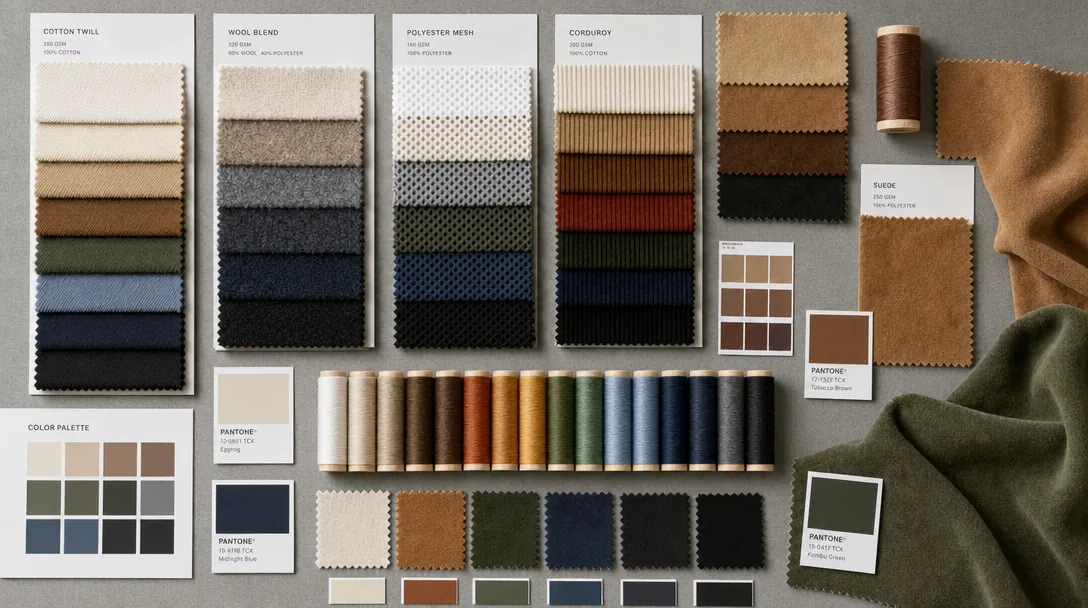
Every week, our sales team answers detailed questions about organic cotton newborn hat: properties, costs and how to spec it right. We wrote this guide so that wholesalers, streetwear brands, corporate buyers and promotional resellers can compare options with full information, and avoid the traps that show up only after production has started.
Corduroy Hat Wholesale
Corduroy hat wholesale is mostly a material-and-construction problem, not a logo problem. The shell is usually 8W to 14W cotton corduroy, sometimes blended with 3% to 5% elastane for stretch, cut on the straight grain so the wale stays visually even after pressing. A factory should spec the wale count, face weight in gsm, shrinkage target after wash, crown height, brim curve, sweatband material, and stitch density, because corduroy shows needle marks fast. On a production line, the better factories use programmed cutters, single-needle and bar-tack stations, and embroidery machines such as Tajima, Barudan, or ZSK for applique or direct embroidery. If you are comparing wholesale hats suppliers, ask for a pre-production sample with Pantone TCX references, seam allowance drawings, and a fit block. CrownsForge’s standard practice is to confirm fabric lot, interlining, and crown depth before bulk cutting, because a 2 mm pattern error is visible on corduroy immediately.
For MOQ and pricing, the market is fairly consistent. Simple six-panel corduroy caps usually start around 300 to 500 pieces per colorway, while fully custom runs with woven labels, custom taping, and embroidered backs often want 1,000 pieces to keep the setup cost sane. EXW pricing for plain corduroy hats can sit around USD 3.20 to 5.50 depending on fabric weight, lining, and closure; embroidery, special washes, or custom-dyed fabric push that higher. Buyers comparing wholesale hat manufacturers usa against offshore factories should not look only at unit price, because domestic quotes often include shorter lead times and lower minimums, while offshore runs win on fabric and trim cost. For custom corduroy hats australia, freight, duty, and local compliance can matter more than the factory quote itself. The same applies to an organic cotton newborn hat: if the spec is loose, the cheapest quote usually turns into rework, shrinkage claims, or fit problems.
The quality issues to inspect are predictable and avoidable. Corduroy traps lint, so check for crushed wale, dye streaking, seam grin, crooked topstitching, and panel mismatch across the front seam and side seams. Measure crown symmetry, sweatband attachment, and visor curve, then pull random units for wash testing and dimensional stability; a hat that loses 4% to 6% in circumference after one wash is not acceptable in bulk. For embroidered styles, inspect for puckering, backing bleed, and registration drift on dense stitch files. If the order is a black beanie hat instead of a corduroy cap, the same discipline applies: fiber content, shrinkage, colorfastness, and hand feel have to be specified, not assumed. That is also why the broader organic cotton newborn hat sourcing decision should be handled the same way, even though the construction is simpler. Request AQL 2.5 inspection, photo approval of first-off samples, and a clear packing spec before the run starts.
Wholesale Hat Manufacturers Usa
Wholesale hat manufacturers usa usually run a cut-and-sew line around a knitted body or woven shell, then add embroidery, woven labels, washing, and final packing. For an organic cotton newborn hat, the build has to be simpler than a streetwear cap: ring-spun organic cotton jersey or interlock at 180 to 220 gsm, flat seams, soft elastics or self-fabric bindings, and no hard components near the infant’s head. Our standard practice is to ask the mill ticket, yarn count, and finishing method up front, because a clean-looking sample can still shrink 6% to 10% after the first wash if the fabric was not pre-shrunk correctly. The same factories that make a black beanie hat or run corduroy hat wholesale programs can often make newborn pieces, but the compliance bar is higher because the product touches skin continuously and the trim cannot be decorative noise.
The spec sheet should be explicit: fiber content, fabric construction, target GSM, seam type, seam allowance, opening circumference, color standard, and packaging. For dyed goods, call out Pantone TCX and a Delta-E target under 2, then require washfastness and crocking testing before bulk. For the sewing room, ask for flatlock or coverstitch on the inner seams, 6 to 8 stitches per centimeter on load-bearing areas, and a packed size that keeps the hat from deforming in transit. Typical MOQ from wholesale hats suppliers is 300 to 1,000 pieces per color for a serious private-label run, with domestic USA production often starting lower but landing at a higher unit cost. On a basic organic cotton newborn hat, FOB pricing usually sits around $2.20 to $4.80 in Asia and closer to $5.50 to $9.00 with wholesale hat manufacturers usa, depending on labeling, testing, and carton config.
The biggest quality misses are obvious once you know where to look: twisted seams, raw-edge curl, uneven crown depth, label puckering, and stretch loss after steam finishing. For newborn hats, I check the opening against the size chart with a calibrated ruler, then pull test the seams and inspect for loose lint, needle damage, or chemical odor. AQL 2.5 is a reasonable inspection target for bulk, but for infant items I would still tighten critical defects to zero tolerance, especially anything that creates hard edges or loose threads. Buyers comparing custom corduroy hats australia or broader corduroy hat wholesale programs should use the same discipline on supplier audits, but the sourcing decision for an organic cotton newborn hat should prioritize traceability first: GOTS or OCS documentation, lab reports, and consistent lot coding matter more than embellishment. If a factory cannot show yarn origin and test history, the price is not actually cheaper.
Black Beanie Hat
A black beanie hat is usually the easiest cold-weather style to manufacture, but buyers still get burned when they treat it like a generic knit cap. The production path is simple: yarn selection, circular knitting or flat knitting, linking or overlock seaming, cuff folding, then washing and final inspection. For a clean black result, ask for yarn-dyed or solution-dyed black if color rub is a concern; piece-dyed acrylic can look deep on day one and then fade to brown after a few launderings. If the hat is meant to sit close to skin, specify the fiber blend up front, usually 100% acrylic for low cost, 50/50 acrylic-wool for warmth, or cotton-acrylic for softer hand feel. Our standard practice is to lock down yarn lot, gauge, and shrinkage before sampling, because those three items decide whether the final piece looks retail-ready or cheap. That discipline matters even more for an organic cotton newborn hat, where the same factory discipline has to control fiber traceability, softness, and chemical residue rather than just appearance.
For specs, don’t stop at color and size. Request stitch gauge, yarn count, finished weight in grams, cuff height, crown depth, seam type, wash test target, and color fastness minimums such as dry and wet crocking at 4 or better. A standard adult beanie often runs 80 to 140 gsm depending on knit density, while a newborn hat should be much lighter and softer, with seam bulk kept flat so it does not press into the skin. Typical MOQ from offshore wholesale hats suppliers is 300 to 500 pieces per color for a custom beanie, with prices around $1.20 to $3.80 FOB depending on yarn, embroidery, and labeling. Wholesale hat manufacturers usa usually quote much higher, often $4 to $8 or more, but they can help when lead time is tighter or compliance paperwork is the main concern. For a black beanie hat, I would also ask for a color master under D65 light and a pantone target only if the black has a charcoal or blue cast; otherwise, use a physical approval sample.
Quality checks should focus on fit consistency, seam strength, pilling, and dye migration. The most common problems are mismatched crown length, twisted side seams, loose thread ends, and black dye crocking onto liner fabric or skin. If the style includes embroidery, specify a low-stitch-density logo and test it on the actual knit structure, because dense embroidery can pucker a soft rib beanie and distort the opening. Buyers comparing a beanie to corduroy hat wholesale programs should not assume the same factory can execute both equally well; knit caps need gauge control, while corduroy needs fabric direction, nap handling, and cleaner brim construction. The same is true for custom corduroy hats australia, where sun exposure and transport timing often change color expectations. If you are sourcing an organic cotton newborn hat at the same time, use the beanie spec as the tougher screening exercise: if a supplier cannot control yarn lot, shrinkage, and AQL 2.5 on a simple black beanie hat, they are not ready for babywear compliance, where GOTS, no-azo dye limits, and safer trim construction matter much more.
Corduroy Hat Vintage
Corduroy hat vintage starts with the fabric, and the factory details matter more than the look. Real corduroy is defined by the wale count: 21-wale gives a tighter, cleaner surface, while 11-wale looks chunkier and reads more retro. For a structured cap, you want the corduroy cut on-grain, then backed with buckram or a lighter fusible depending on the crown shape. If a buyer wants a soft vintage hand feel, the factory should wash the finished cap or use garment-dyed fabric, but that can shift shade by Delta-E 1.5 to 2.0 across panels if the dye lot control is weak. Buyers comparing an organic cotton newborn hat to a corduroy style should remember that corduroy is heavier, less breathable, and more sensitive to seam bulk, so the spec has to control shrinkage, crown depth, and sweatband composition from the start.
For corduroy hat wholesale, the specs I would request are blunt and measurable: fabric weight in gsm, wale count, shell content, lining content, brim curvature, stitch density, and embroidery position with a digital mockup. If you are sourcing through wholesale hats suppliers, ask for the same things you would ask from wholesale hat manufacturers usa, even if production is offshore: panel template, seam allowance, closure type, and wash test results after 3 cycles. Typical MOQ for a simple 6-panel corduroy cap is 300 to 500 pieces per color, while custom corduroy hats australia orders often land higher because freight and carton efficiency punish small runs. Pricing usually sits around $3.20 to $5.80 FOB for basic versions, then climbs fast with enzyme wash, custom labels, or dense embroidery. A black beanie hat is cheaper to spec because it avoids brim structure and panel matching, but it also hides less quality drift than corduroy does.
The usual problems are visible on the first pre-production sample if you know where to look: crushed nap around the seam, mismatched wale direction, puckering near the front panels, and crown distortion after steaming. Vintage corduroy also exposes poor color control, especially in darker shades where panel-to-panel variation shows up under warehouse lighting. I would inspect for seam slippage, embroidery tunneling, and sweatband tape that curls after heat. For buyers who are deciding between a corduroy cap and an organic cotton newborn hat, the sourcing logic is similar: require fiber content, lab test reports, and a clear AQL 2.5 inspection plan before you talk about style. The difference is that newborn headwear has tighter safety and hand-feel constraints, while corduroy needs better dimensional control and abrasion resistance. If the factory cannot explain those tradeoffs cleanly, they are selling decoration, not manufacturing control.
Bucket Hat Corduroy
Corduroy bucket hats are built from the fabric backward, so start with the wale count, fiber content, and shrinkage behavior before you talk shape. A solid spec usually calls for 8-wale or 11-wale corduroy in 100% cotton or 98/2 cotton-spandex if you need a little recovery, with a finished fabric weight around 250 to 320 gsm for a soft but structured brim. The factory should confirm whether the face is piece-dyed, yarn-dyed, or pigment-dyed, because that affects color hold and hand feel after washing. For bulk production, wholesale hats suppliers will usually sew the crown on a flatbed, add buckram or fused interfacing in the brim, then topstitch 6 to 8 rows to control curl. If you are comparing a corduroy hat wholesale run to an organic cotton newborn hat program, the same discipline applies: demand fiber certification, Delta-E targets under 2.0 against approved swatches, and preproduction shrinkage testing before cutting 1,000 units of inventory.
The spec sheet should be boring and exact. Call out crown depth, brim width, panel count, seam allowance, lining type, sweatband construction, and closure method. For a standard bucket hat, I would request a 58 to 60 cm head opening for adult stock, 5.5 to 6.5 cm brim width, 5 to 6 cm crown height, and a self-fabric or cotton twill sweatband with 1/4 inch edge stitching. Ask the factory what machinery they will use: Tajima, Barudan, or ZSK heads for embroidery, single-needle machines for topstitching, and steam blocking fixtures to set the brim. Our standard practice is to run a 5-piece PP sample, then a 20-piece size-and-shape check before bulk, because corduroy shows distortion fast if the needle tension is off. Buyers asking for wholesale hat manufacturers usa pricing should not expect the same labor stack as offshore production; domestic cut-and-sew often lands 2 to 4 times higher, which is why custom corduroy hats australia and U.S. programs usually lean on tighter MOQ and higher ticket retail positioning.
MOQ and price move with trim complexity, not just fabric. A basic unbranded corduroy bucket hat usually starts around 300 to 500 pcs per colorway, while custom embroidery, woven labels, contrast binding, or private packaging can push the minimum to 800 to 1,500 pcs. In current factory pricing, a simple build can sit near USD 3.20 to 5.50 FOB at 500 pcs, while heavier corduroy, lined construction, or complex applique can climb to USD 6.50 to 9.00 before freight and duty. The common defects are predictable: uneven brim symmetry, wavy topstitching, shade banding between lots, broken nap direction, and oil stains from poor machine maintenance. Inspection should follow AQL 2.5 for major defects and a separate measurement check on brim width and crown height. Buyers moving between a black beanie hat, an organic cotton newborn hat, and a corduroy bucket should think in terms of fiber traceability, wash stability, and certification path. GOTS or OEKO-TEX can matter more than a low unit price when the product sits in a regulated or baby-adjacent assortment.
Bucket Hat Strings
Bucket hat strings are usually made as cut-and-sew components, not a separate accessory that gets tossed on at the end. The factory will cut the cord, finish the ends, stitch or bartack the anchor points into the crown seam or side panel, and then run the hat through shape-setting and final trim. For a basic cotton twill bucket, buyers should ask for cord diameter, fiber content, tip finish, bartack count, and the exact attachment method, because a 3 mm cotton braid behaves very differently from a 5 mm round polyester cord. Our standard practice is to specify the string as part of the tech pack, not as a loose approval sample. That matters even more on an organic cotton newborn hat, where the cord, if present at all, has to be soft, low-friction, and sized so it does not create a safety problem or distort the crown after washing.
For specs, ask for cord construction, color standard, shrinkage after wash, seam strength at the attachment point, and whether the cord ends are heat-sealed, knotted, or metal-tipped. If the order is going through wholesale hats suppliers, lock in Pantone TCX or a physical lab dip for the cord and shell separately, because dyed cords often read darker than the body fabric under shop light. Typical MOQ for a simple bucket hat string add-on is 300 to 500 pieces per color, with sampling around USD 30 to 60 and bulk pricing often adding USD 0.15 to 0.45 per hat depending on cord type and labor. That price can move fast if you compare corduroy hat wholesale programs, custom corduroy hats australia runs, or wholesale hat manufacturers usa quotes, because domestic labor and trim sourcing drive the unit cost up sharply. A black beanie hat program is a useful benchmark only for trim pricing, not for construction, since beanie cords and ear ties are usually attached differently.
The quality issues to inspect are predictable: uneven left-right length, loose bartacks, cord twisting after wash, puckering at the entry point, and color bleed when the cord is a different fiber from the crown. For newborn product, I would also check for any detachable hardware, loose knots, or small parts that could fail under pull testing, because that is where a simple design becomes a compliance problem. Ask for a pull test on the cord anchors, a wash test at 30 C, and a 24-hour wear check to see whether the hat collapses or the tie digs into the neck. This is the same discipline that should be applied when you source an organic cotton newborn hat: the trim spec, fabric gsm, and stitching standard all have to be written down before bulk, or you end up paying for rework instead of control. The best factories will treat the string as a safety-critical component, not decoration.
Working with CrownsForge for organic cotton newborn hat programs
At CrownsForge, our standard path for an organic cotton newborn hat starts with a lab-dip and trim approval, then a first sample in about 7 to 10 days if the fabric is in stock; if we need to mill-dye or source a specific rib, plan on 2 to 3 weeks. We keep MOQ flexible for first-time buyers because newborn sizing is unforgiving: a 1 cm error in crown depth or binding stretch will change fit more than most people expect. Decoration is handled in-house with Tajima and Barudan embroidery heads, plus heat transfer and woven labels where embroidery would distort the crown. That matters when a buyer wants a clean infant handfeel without the stiffness you see in a black beanie hat or a heavy corduroy hat wholesale program. We can also map the same production logic to wholesale hats suppliers that need repeatable spec control across multiple SKUs, whether the buyer is comparing us to wholesale hat manufacturers usa or building a long-term private label line.
Compliance is where infant programs either stay controlled or turn into a headache. For organic cotton newborn hat orders, we check fiber claims against GOTS or OEKO-TEX documentation, verify dye lots against Pantone TCX targets, and keep AQL 2.5 on pre-pack inspection unless the buyer specifies tighter limits for gift sets or hospital channels. Our order-management workflow is simple on purpose: one tech pack, one signed measurement sheet, one approved shade band, then rolling updates at cutting, sewing, decoration, and packing so buyers can see where a delay starts before it becomes a shipment miss. That process works for scale-up brands that may later expand into custom corduroy hats australia or broader accessory lines, because the control points are the same even when the fabric changes. The goal is to remove guesswork from the organic cotton newborn hat order before it reaches carton build and export paperwork.
For logistics, we separate infant lots by color and size sticker, then pack with moisture protection and carton counts that make warehouse receiving faster on the other end. If the buyer needs FOB, we quote by fabric gsm, trim package, and decoration complexity, not a vague per-unit number that hides labor overages. A simple 1-color embroidered organic cotton newborn hat can stay efficient, but once you add woven labels, washing instructions, and retail hangtags, the real cost driver is usually handling, not cotton. We flag those items early so the buyer can decide whether to simplify the spec or accept the margin hit. That is the practical difference between buying from random wholesale hats suppliers and working with a factory that tracks sample comments, PPS approval, bulk production, and final inspection in one file instead of three disconnected spreadsheets.
Frequently Asked Questions
What logo decoration techniques do you offer?
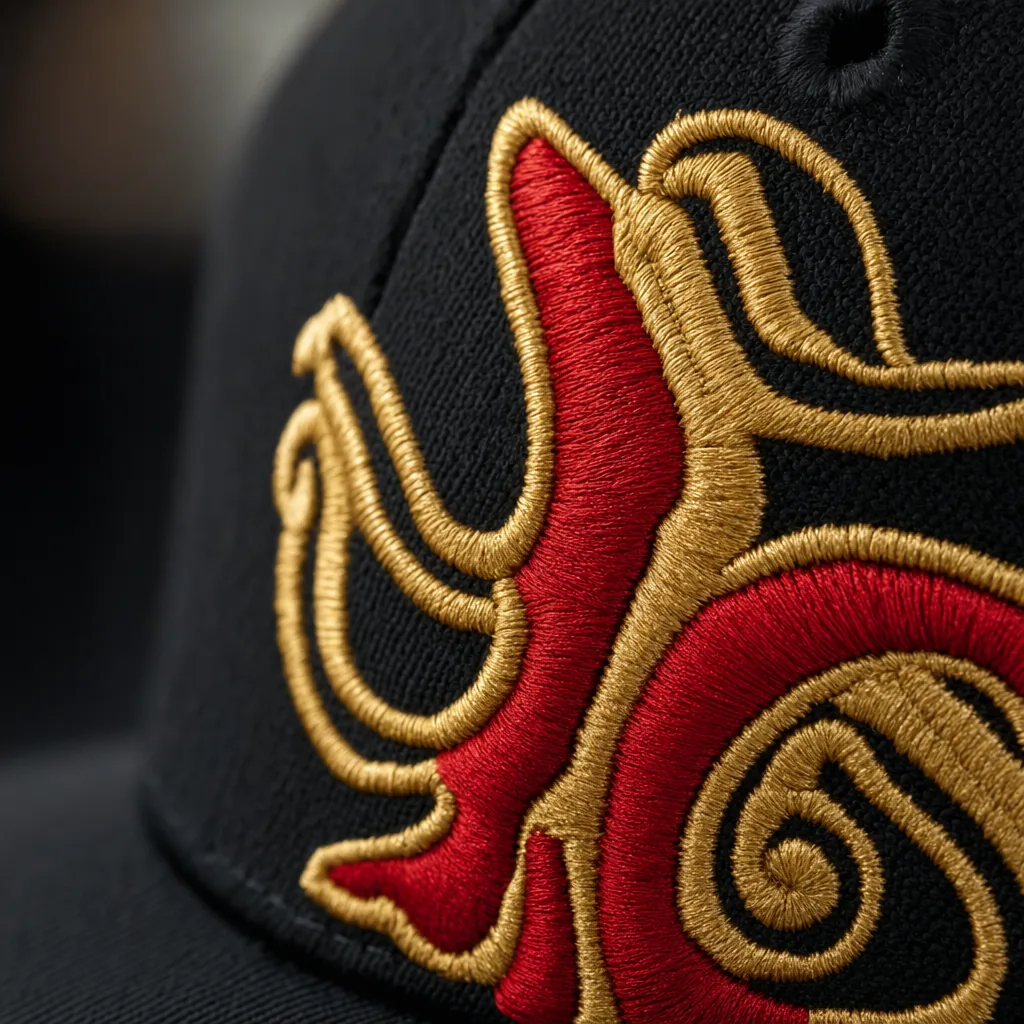
3D puff embroidery, flat embroidery, woven patch, leather patch, PVC patch, screen printing, sublimation, applique and laser etching, all in-house with no subcontracting.
Can I order a sample before bulk production?
Yes. We strongly recommend approving a pre-production sample before mass production. Samples are charged at 35 to 60 USD each plus express shipping, fully refundable against confirmed bulk orders over 500 pieces.
What is the minimum order quantity (MOQ) for custom hats?
Our standard MOQ is 100 pieces per design and color, with sampling available from 1 piece. For complex multi-color logos or premium fabric upgrades, the MOQ can be lowered with a small per-piece surcharge.
How long does production take?
Sampling takes 7 to 12 days. Bulk production runs 20 to 30 days depending on quantity, fabric availability and decoration complexity. Inspection and packing adds another 3 to 5 days before shipment.
What file format should I send for my logo?
Vector files (AI, EPS, PDF) are ideal. High-resolution PNG or JPG at 300 dpi on transparent background works as a fallback. Provide Pantone color references for accurate reproduction.
How do I find a reliable custom hat manufacturers usa?
When evaluating custom hat manufacturers usa, the key considerations are construction quality, decoration capability, MOQ flexibility and lead time. Cover everything buyers ask about wholesale hat manufacturers usa: how it's manufactured, what specs to request from a factory, typical MOQ and pricing, common quality issues to inspect for, and how this ties back to the broader organic cotton newborn hat sourcing decision. Cover everything buyers ask about corduroy hat wholesale: how it's manufactured, what specs to…
How does ordering beanie hats custom work?
When evaluating beanie hats custom, the key considerations are construction quality, decoration capability, MOQ flexibility and lead time. Cover everything buyers ask about black beanie hat: how it's manufactured, what specs to request from a factory, typical MOQ and pricing, common quality issues to inspect for, and how this ties back to the broader organic cotton newborn hat sourcing decision. Cover everything buyers ask about corduroy hat wholesale: how it's manufactured, what specs to request from a…
What should buyers know about organic cotton hat?
When evaluating organic cotton hat, the key considerations are construction quality, decoration capability, MOQ flexibility and lead time. Cover everything buyers ask about corduroy hat wholesale: how it's manufactured, what specs to request from a factory, typical MOQ and pricing, common quality issues to inspect for, and how this ties back to the broader organic cotton newborn hat sourcing decision. Cover everything buyers ask about wholesale hat manufacturers usa: how it's manufactured, what specs to…
How does ordering custom hats made in usa work?
When evaluating custom hats made in usa, the key considerations are construction quality, decoration capability, MOQ flexibility and lead time. Cover everything buyers ask about wholesale hat manufacturers usa: how it's manufactured, what specs to request from a factory, typical MOQ and pricing, common quality issues to inspect for, and how this ties back to the broader organic cotton newborn hat sourcing decision. Cover everything buyers ask about corduroy hat wholesale: how it's manufactured, what specs to…
Looking for a reliable hat manufacturer in China?
CrownsForge has produced custom hats for 800+ brands across 40 countries. From 100-piece launches to 100,000-piece retail programs, we deliver on time and on spec.
Get in touchRelated guides
Custom Logo Hats: When to Use It, Costs, and What to Ask Your Factory
Read article →
China vs Vietnam vs Bangladesh: Cap Manufacturing Countries Compared 2026
Read article →Corduroy Hat: Properties, Costs and How to Spec It Right
Read article →Sourcing custom hats does not have to be complicated. With the right manufacturing partner, clear specifications and a small upfront investment in sampling, you can launch a retail-quality product in 30 to 45 days.