
Hat With Patch Reorder Planning Guide for Custom Hat Buyers
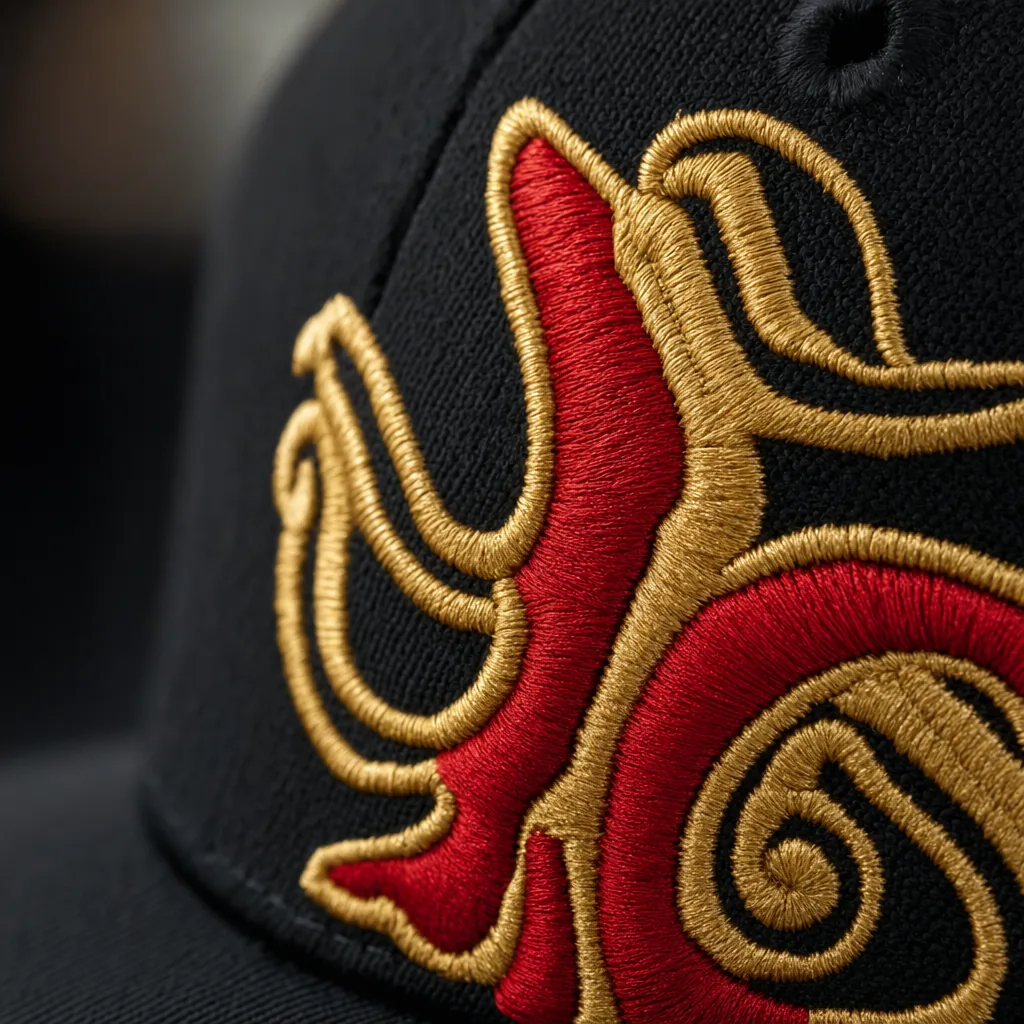
Hat With Patch Reorder Planning Guide for Custom Hat Buyers is one of the most-asked questions we receive from international buyers, and for good reason. With dozens of factories competing for your order and an alphabet soup of technical terms in every supplier quote, even experienced importers can feel lost. This guide consolidates what we have learned producing custom hats for clients in 40+ countries.
Why hat with patch reorder planning guide needs a separate sourcing plan
A hat with patch reorder planning guide exists because reorder risk is different from first-order sourcing. On the first run, buyers focus on artwork approval, sample photos, and whether the cap looks sellable. On the second and third run, the problem becomes consistency: same crown profile, same patch edge thickness, same adhesive behavior, same Pantone TCX fabric shade within Delta-E 1.5 to 2.0, and the same placement tolerance, usually +/-2 mm from the approved sample. Generic hat sourcing assumes you can substitute a 260 gsm twill for a 280 gsm twill, or move from one 5-panel block to another if the price is better. For a custom hat with patch, that shortcut causes visible differences on shelf and in customer photos. A PVC patch molded at 2.4 mm height, a woven patch with merrowed border, and a genuine leather deboss patch all need separate vendor reservations, mold records, and attachment settings.
The buyer intent is usually operational, not decorative: procurement wants to avoid selling through stock while waiting 45 days for a patch supplier to remake materials. A custom patch for hat production has two clocks running at once. The cap body may take 12-18 days for cutting, sewing, and shaping, while the patch may need 7-20 days depending on whether it is woven, embroidered, rubber PVC, silicone, leather, or sublimated twill. If the patch needs a new mold, add USD 60-180 and 3-5 days; if the color is custom dyed thread or TPU, add another week. Reorders also expose MOQ traps. A cap factory may accept 144 pieces per color, but the custom patch hat supplier may require 500-1,000 patches per design to keep unit cost under USD 0.45-1.20. That mismatch is where many buyers lose margin.
Cost, lead time, and compliance decisions should be locked before the reorder trigger, not after inventory drops to 50 pieces. Patch attachment changes the production route: heat-press leather patches need controlled dwell time around 12-18 seconds and pressure testing, while embroidered or woven patches need sewing guides to avoid crown puckering. For children’s products, nickel in metal rivets, azo dye risk, and CPSIA or REACH declarations may matter more than the cap price. For promotional buyers, AQL 2.5 inspection should include patch adhesion pull checks, edge fray, stitch skip, barcode match, and carton mix accuracy. Our standard practice at CrownsForge is to keep the approved patch, thread card, placement template, and cap block code together in the reorder file, because custom patch hats fail most often when one of those four records is missing.
Factory capability checks before quoting
The first capability check is whether the factory can make the patch and the cap body under one controlled spec, not just stitch a badge onto whatever blank is available. For a custom hat with patch, I ask to see actual patch methods: merrowed woven patch, laser-cut woven patch, TPU/rubber, genuine or PU leather debossed patch, felt appliqué, chenille, and direct embroidery on twill. Embroidery capacity matters too; a factory running Tajima, Barudan, or ZSK heads should be able to show clean 3D puff at 2.0–2.5 mm foam height, tight satin borders under 1.2 mm, and thread color matching against Madeira or Isacord charts. For leather or rubber patches, check whether they use heat press only or also perimeter stitching, because heat-only patches can lift after 5–8 wash cycles if temperature, dwell time, and adhesive film are not controlled.
Fabric and construction checks are where many reorder problems start. A good hat with patch reorder planning guide should confirm fabric weight, shrinkage, and panel consistency before pricing: 260–310 gsm cotton twill, 280 gsm washed chino, 110–130 gsm nylon ripstop, 160–180 gsm polyester performance fabric, or wool-blend serge all behave differently under patch sewing. Ask whether they can build 5-panel, 6-panel, unstructured dad cap, A-frame trucker, rope cap, camper, and flat-brim snapback from pattern, not only copy a supplied sample. Panel height, buckram stiffness, seam allowance, sweatband width, and visor curve should be documented, because a 2 mm panel shift makes a centered custom patch for hat look crooked even if the patch itself is perfect. Closure options should be quoted separately: plastic snapback, antique brass buckle, Velcro, nylon clip, elastic Flexfit-style band, and branded metal clasp can change FOB cost by $0.12–$0.65 per piece.
Sample room capability and audit readiness tell you whether reorders will stay stable after the first shipment. I want a sample team that can make paper pattern revisions, embroidery sew-outs, heat-press tests, and full pre-production samples in 5–10 working days, with comments logged against Pantone TCX references and Delta-E tolerances under 1.5 for critical brand colors. Our standard practice at CrownsForge is to lock the approved custom patch hat sample with a BOM, stitch count, patch dimensions, thread codes, closure spec, and carton packing method before bulk cutting starts. For buyers serving retail chains or licensed sports programs, ask for current sedex-audit-cap-supplier-guide.html">BSCI 2.0, Sedex SMETA 4-Pillar, or equivalent social compliance records, plus AQL 2.5 inspection support. Communication is also a factory capability: if the merchandiser cannot explain patch MOQ, mold cost, lead time, and remake policy clearly in writing, your custom patch hats reorder will eventually drift.
MOQ, pricing and sample approval
MOQ for a custom hat with patch is not one number; it depends on patch type, base cap fabric, and whether trims are stock or dyed-to-match. For woven, embroidered, PVC, or leatherette patches, a realistic factory MOQ is usually 300 pieces per colorway when using stock twill, cotton canvas, or 100% polyester performance fabric. If the buyer wants custom-dyed fabric to Pantone TCX, metal buckle engraving, jacquard sweatband, or printed seam tape, the practical MOQ moves to 500–1,000 pieces because dye lots, trim molds, and cutting waste become the cost drivers. Below 300 pieces, suppliers can still produce, but unit price jumps fast because the patch mold, digitizing, line setup, and carton packing labor are spread over too few caps. A 6-panel structured cap with a woven custom patch for hat may land around USD 4.20–6.80 FOB Ningbo at 500 pieces, while 100–200 pieces can easily sit at USD 7.50–11.00 before freight.
Pricing should separate the cap, patch, decoration setup, trims, and packaging instead of hiding everything in one line. Embroidered patch digitizing is commonly USD 25–60 per logo, woven patch artwork setup USD 40–80, PVC mold USD 80–180, and debossed genuine leather patch mold USD 60–120 depending on logo size and relief depth. Stitch density matters: a 7 cm embroidered patch at 8,000 stitches behaves very differently from a 14,000-stitch patch; high density can curl edges, slow Tajima or Barudan runs, and add USD 0.20–0.60 per piece. For color, do not approve from a phone screen. Use Pantone TCX for fabric, Pantone C/U for printed packaging, and set a Delta-E tolerance, normally under 2.0 for brand-critical panels and under 3.0 for secondary trims. This is where a hat with patch reorder planning guide prevents the common mistake of approving a cheap first run that cannot be repeated consistently.
PPS approval is the checkpoint that protects the reorder, not a formality to rush through. A proper pre-production sample should confirm crown height, visor curve, patch placement tolerance, thread color, backing, edge merrow or laser-cut finish, sweatband width, closure type, label content, polybag warning text, and carton mark format. Our standard practice at CrownsForge is to photograph the PPS against the approved tech pack, measure key points with a ±3 mm tolerance for patch position, and lock the sample before bulk cutting. Lead time is usually 7–10 days for artwork and sample development, 3–5 days for PPS revision if needed, then 25–35 days for bulk production after deposit and PPS approval. Add 5–10 days if the hat patch custom component uses molded PVC, genuine leather, custom-dyed fabric, or non-stock buckles. Packaging also changes timing: individual polybags are simple, but barcode stickers, hangtags, retail cartons, FSC paper bags, or Amazon FBA carton rules should be confirmed before bulk, not after AQL 2.5 final inspection.
Quality inspection and shipping risk
Reorder risk usually starts when buyers approve a pretty sample but never lock the inspection rules. For any custom hat with patch program, I recommend writing AQL 2.5 for major defects and AQL 4.0 for minor defects into the PO, not just saying “factory standard QC.” Major defects include crooked patch placement over 3 mm from center, loose merrow border, glue bleed on leatherette, broken stitches, wrong Pantone TCX color beyond Delta-E 2.0, and sweatband contamination. For measurement, normal cap tolerance should be ±0.5 cm on crown height, ±0.3 cm on visor width, ±0.5 cm on strap length, and ±1 cm on circumference after blocking. Patch position needs its own tolerance: front-center patches should sit within ±2 mm horizontally and ±3 mm vertically, because a 5 mm drift is visible in e-commerce photos. This is where a hat with patch reorder planning guide becomes practical, not theoretical.
Colorfastness and decoration durability should be tested before bulk shipping, especially on pigment-dyed cotton twill, washed canvas, suede, and PU patches. For fabric, I like ISO 105-C06 washing at grade 3-4 minimum and ISO 105-X12 rubbing at dry grade 4, wet grade 3 or better. For a custom patch for hat, the weak point is often not the patch face but the attachment: satin stitch pulling loose on Tajima or Barudan embroidery heads, heat-transfer adhesive lifting after 24 hours, or woven patch edges curling after steam shaping. Embroidery defects should be classified clearly: skipped stitches over 2 mm, thread tails over 5 mm, bird-nesting, puckering around the patch, and density mismatch versus the approved digitized file. Our standard practice at CrownsForge is to keep the approved PPS, thread card, Pantone TCX references, stitch file, patch mold spec, and trim sheet together, so every reorder starts from the same technical package instead of someone’s memory.
Shipping risk is mostly documentation discipline. Carton markings should show PO number, style code, color, size if applicable, quantity, gross/net weight, carton dimensions, country of origin, and carton sequence like 1/48. For custom patch hats going to Amazon, team stores, or 3PL warehouses, missing carton labels can cost more than the hat itself; relabeling in a U.S. warehouse may run $0.35-$0.80 per unit plus handling. FOB Ningbo or Shanghai is cleaner when the buyer controls freight and insurance, while DDP is useful for smaller reorders under 3,000 pieces where the buyer wants landed-cost certainty. A realistic DDP air-plus-truck cost to the U.S. for caps can add $1.20-$2.80 per piece depending on carton volume and duty classification. For a custom patch hat reorder, save the inspection report, packing list, carton photos, approved shipping marks, HS code, and defect log. That record is the difference between a smooth repeat order and arguing about whether last season’s hat patch custom placement was “close enough.”
Buyer checklist for the next RFQ
A serious RFQ for a custom hat with patch should start with the cap spec, not the logo. Send the crown style first: 5-panel camper, 6-panel structured trucker, unstructured dad cap, flat-brim snapback, rope cap, or performance cap. Add fabric type and weight if known, such as 100% cotton twill at 260 gsm, polyester ripstop at 150 gsm, nylon taslan, washed canvas, or 100D polyester mesh. For color, give Pantone TCX or TPX references instead of screenshots; if you approve by fabric lab dip, state the acceptable Delta-E, normally under 1.5 for licensed programs and under 2.0 for general merch. Include closure, visor shape, sweatband type, seam tape color, eyelet style, crown height, brim sandwich color, and whether you need private label woven labels or care labels. This is the backbone of a hat with patch reorder planning guide because missing cap specs create fake price accuracy.
For the custom patch for hat, send the original vector artwork in AI, EPS, or PDF, plus any previous production photo if it is a reorder. Do not rely on JPG mockups unless you accept interpretation. State the patch type clearly: woven patch, embroidered patch, chenille, PVC, genuine leather, PU leather, sublimated patch, rubberized TPU, or printed twill. Give exact patch dimensions in millimeters, border type, backing method, and placement: centered front, side panel, back arch, visor, or offset. If the artwork has small text under 4 mm high, say whether simplification is allowed, because Tajima, Barudan, and ZSK heads will not make unreadable stitches magically clean. For leather or PVC, clarify debossed, embossed, printed, laser-etched, or heat-transfer color fill. For any custom patch hats reorder, attach approved bulk photos showing stitch density, edge thickness, patch curve, and actual placement on the crown.
Before asking for a firm quote, include quantity by color and size, target delivery date, shipping term, and inspection requirement. A factory quote for 144 pieces is not the same as 1,008 pieces because patch mold fees, embroidery setup, cutting loss, and carton CBM spread differently; PVC mold charges often run $80–$180, while small woven patch setup is usually $30–$60. State FOB Ningbo/Shanghai, EXW, DDP air, or DDP sea, and give the destination zip code for landed costing. Our standard practice at CrownsForge is to quote with AQL 2.5 final inspection assumptions unless the buyer requests stricter checking or third-party inspection. Include compliance needs such as BSCI 2.0, Sedex SMETA 4-Pillar, CPSIA, REACH, or Prop 65. The best hat with patch reorder planning guide is simple: send the approved sample photos, tech pack, artwork, quantity breakdown, deadline, and shipping terms before negotiating price.
Working with CrownsForge
Reorder planning for a hat with patch program starts with locking the parts that actually drift over time: crown fabric, patch substrate, thread shade, adhesive, and carton spec. Our standard practice at CrownsForge is to keep a signed master sample, a Pantone TCX reference, and a measured spec sheet with tolerance bands—usually ±3 mm on crown height, ±2 mm on visor length, and Delta-E under 1.5 for approved fabric colors. For a custom hat with patch, we do not treat the reorder as “same as last time” unless the same mill lot, patch mold, and backing material are still available. Cotton twill at 260 gsm, recycled polyester at 180–210 gsm, and nylon taslan can all shrink or curve differently after pressing, so reorder notes must include blocking temperature, press dwell time, and whether the patch was sewn, heat-applied, or both.
Sampling is where most reorder mistakes are prevented. For a custom patch for hat, we normally run a pre-production sample using actual bulk fabric, not leftover salesman swatches, because patch placement can change when the front panel stiffness changes. Embroidered felt patches on Tajima or Barudan heads need stitch-density control around 0.38–0.45 mm, while woven patches require edge-merrow review for fraying after abrasion. PVC and silicone patches need mold inventory checks; if the mold is inactive or damaged, a replacement mold can add roughly USD 80–180 and 5–8 days. A custom patch hat reorder also needs decoration routing confirmed before cutting—flat embroidery, 3D puff underlay, leather debossing, and woven labels all compete for different machine queues, so the factory calendar matters as much as the tech pack.
QC and export coordination should be built into the reorder calendar, not added after production finishes. For custom patch hats, we inspect incoming fabric, patch dimensions, stitch pull, visor symmetry, sweatband alignment, metal buckle plating, and carton drop resistance before final AQL 2.5 inspection. A hat patch custom order going to retail or licensed sports channels may also need needle detection, BSCI 2.0 or Sedex SMETA 4-Pillar audit documents, polybag suffocation warnings, and barcode placement by SKU. For FOB Ningbo or Shanghai, a realistic reorder lead time is 25–35 days after sample approval; DDP to the U.S. usually adds 18–28 days by ocean or 5–8 days by air, with landed cost strongly affected by carton volume because caps cube out before they weigh out. A practical hat with patch reorder planning guide should reserve at least one week for QC holds and export paperwork.
Frequently Asked Questions
What is the minimum order quantity (MOQ) for custom hats?
Our standard MOQ is 100 pieces per design and color, with sampling available from 1 piece. For complex multi-color logos or premium fabric upgrades, the MOQ can be lowered with a small per-piece surcharge.
What logo decoration techniques do you offer?
3D puff embroidery, flat embroidery, woven patch, leather patch, PVC patch, screen printing, sublimation, applique and laser etching, all in-house with no subcontracting.
Can I order a sample before bulk production?
Yes. We strongly recommend approving a pre-production sample before mass production. Samples are charged at 35 to 60 USD each plus express shipping, fully refundable against confirmed bulk orders over 500 pieces.
What file format should I send for my logo?
Vector files (AI, EPS, PDF) are ideal. High-resolution PNG or JPG at 300 dpi on transparent background works as a fallback. Provide Pantone color references for accurate reproduction.
Which shipping methods do you support?
We support FOB, CIF and DDP shipping. Air express for samples and small orders, sea LCL for 100 to 500 pieces, sea FCL for 5,000+ pieces. Door-to-door DDP available for US, EU, UK, Canada and Australia.
How does ordering custom hat patch work?
When evaluating custom hat patch, the key considerations are construction quality, decoration capability, MOQ flexibility and lead time. Explain the buyer intent behind hat with patch reorder planning guide, when it differs from generic hat sourcing, and what decisions affect cost, lead time and compliance. Describe how CrownsForge manages hat with patch reorder planning guide programs with sampling, decoration, QC and export coordination.
How does ordering custom leather patch hats work?
When evaluating custom leather patch hats, the key considerations are construction quality, decoration capability, MOQ flexibility and lead time. Explain the buyer intent behind hat with patch reorder planning guide, when it differs from generic hat sourcing, and what decisions affect cost, lead time and compliance. Cover embroidery, patch, fabric, panel construction, closure options, sample room capability, audit readiness and communication checks.
What's the MOQ for custom leather patch hat low minimum?
When evaluating custom leather patch hat low minimum, the key considerations are construction quality, decoration capability, MOQ flexibility and lead time. Explain the buyer intent behind hat with patch reorder planning guide, when it differs from generic hat sourcing, and what decisions affect cost, lead time and compliance. Describe how CrownsForge manages hat with patch reorder planning guide programs with sampling, decoration, QC and export coordination.
How does ordering custom trucker hat patches work?
When evaluating custom trucker hat patches, the key considerations are construction quality, decoration capability, MOQ flexibility and lead time. Explain the buyer intent behind hat with patch reorder planning guide, when it differs from generic hat sourcing, and what decisions affect cost, lead time and compliance. Describe how CrownsForge manages hat with patch reorder planning guide programs with sampling, decoration, QC and export coordination.
Looking for a reliable hat manufacturer in China?
CrownsForge has produced custom hats for 800+ brands across 40 countries. From 100-piece launches to 100,000-piece retail programs, we deliver on time and on spec.
Get in touchRelated guides
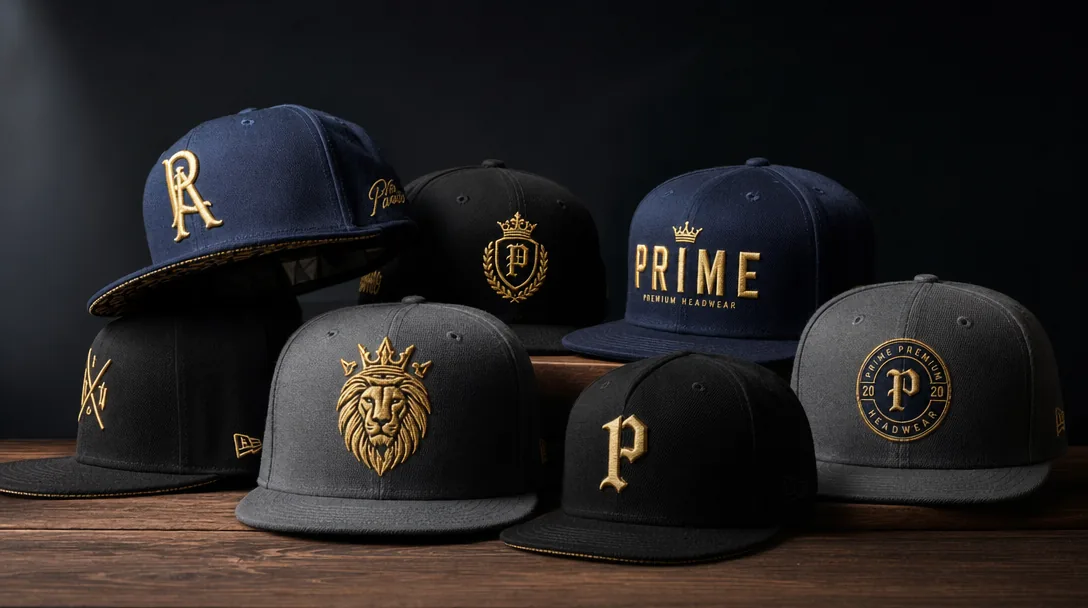
5 Panel Camp Cap Wholesale: A 2026 B2B Sourcing Guide
Read article →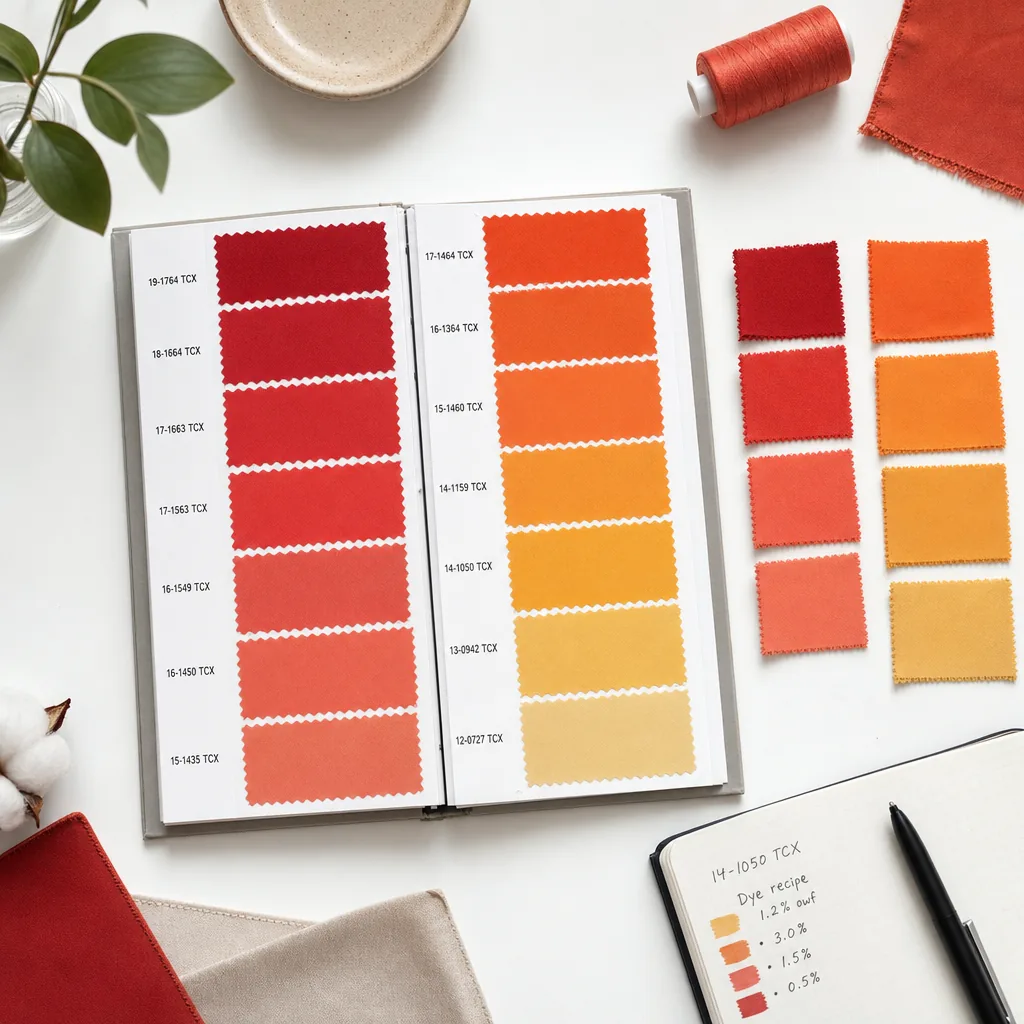
Pantone Color Matching for Custom Caps: A Manufacturer's Reference
Read article →
Fedora Hats For Men Export Shipping Checklist for Custom Hat Buyers
Read article →If you are ready to take the next step on hat with patch reorder planning guide for custom hat buyers, our team can put a tailored quotation and digital mock-up in your inbox within 24 hours. Send the inquiry form on our contact page or message us directly on WhatsApp.