
Festival Bucket Hats Retail Packaging Guide for Custom Hat Buyers
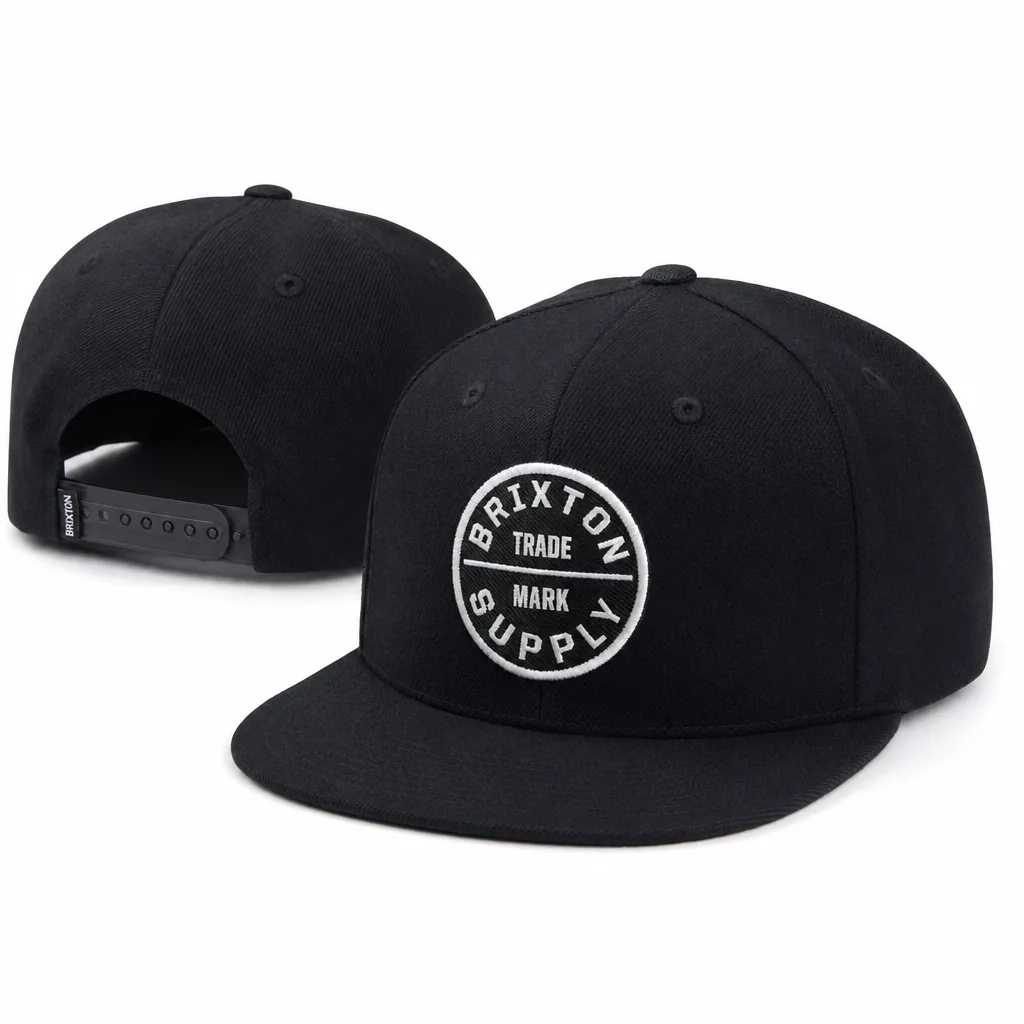
Festival Bucket Hats Retail Packaging Guide for Custom Hat Buyers is one of the most-asked questions we receive from international buyers, and for good reason. With dozens of factories competing for your order and an alphabet soup of technical terms in every supplier quote, even experienced importers can feel lost. This guide consolidates what we have learned producing custom hats for clients in 40+ countries.
Why festival bucket hats retail packaging guide needs a separate sourcing plan
A festival bucket hats retail packaging guide needs a separate sourcing plan because the buyer is not only purchasing headwear; they are buying a shelf-ready, barcode-ready, event-season product with a short selling window. Generic hat sourcing usually stops at fabric, logo method, size spec, and carton packing. Festival bucket hats add retail hooks, hangtags, polybag warnings, EAN/UPC labels, influencer mailer presentation, and sometimes venue or alcohol-sponsor compliance. I have seen orders fail launch dates not because the hats were late, but because the buyer approved the 90s bucket hat sample and forgot the GS1 barcode placement, suffocation warning, or carton mark sequence required by the retailer’s DC. For bucket hats for men and fitted hats women sold through mixed retail channels, packaging SKUs must be separated by size, color, and artwork version, or the warehouse will reject the inbound ASN.
The cost difference is real. A plain bulk-packed cotton bucket hat may add only US$0.03–0.06 for a standard polybag, while a retail pack with printed kraft hangtag, barcode sticker, J-hook, tissue wrap, and branded OPP bag usually adds US$0.18–0.45 per unit. If the program uses a molded insert, foil-stamped card, or FSC-certified mailer, packaging can exceed the sewing labor cost on a simple 160–180 gsm twill hat. Lead time also changes: woven labels and embroidery can be sampled in 5–7 days, but printed packaging with Pantone TCX matching, Delta-E tolerance under 1.5–2.0, and barcode scan testing often needs another 7–12 days before mass production. Our standard practice at CrownsForge is to lock the packaging dieline before PP sample approval, because changing a hangtag hole position after production can delay final packing by a week.
Compliance is where festival bucket hats differ most from ordinary promotional caps. A ladies bucket hat UK retail order may require UKCA-related labeling logic, fiber content, importer address, and plastic bag suffocation text, while a U.S. festival drop may need CPSIA review if youth sizing is included. Retailers often inspect packaging under AQL 2.5 for major defects: wrong barcode, missing country of origin, poor adhesive, crushed brim from tight folding, or color migration from printed inserts. Social-audit expectations also matter when the buyer is a licensed music festival, sports sponsor, or department-store vendor; sedex-audit-cap-supplier-guide.html">BSCI 2.0 or Sedex SMETA 4-Pillar documentation is often requested before PO release. For seasonal festival bucket hats, the safest sourcing plan separates hat development, packaging artwork, compliance files, and logistics booking into parallel tracks instead of treating packaging as an afterthought.
Factory capability checks before quoting
The first capability check is decoration, because most quote mistakes on festival bucket hats start with artwork that the factory cannot execute cleanly at bulk speed. For embroidery, ask what machines are on the floor: Tajima, Barudan, and ZSK heads all run differently on curved bucket panels, especially when stitch counts pass 8,000 or metallic thread is used. A factory should be able to read DST/EMB files, confirm max embroidery field on flat panels, and flag small text under 4 mm before sampling. For patches, separate woven labels, merrowed-edge patches, chenille, PVC, silicone, sublimated twill, and genuine leather; each has different MOQ, mold charge, heat resistance, and wash behavior. If you are building a 90s bucket hat with a front patch and side embroidery, require a pre-production photo showing placement measured from brim seam, not just “centered” by eye. A serious supplier will quote stitch count, patch size, backing type, and attachment method instead of giving one vague decoration price.
Fabric and construction capability matter more than buyers expect, especially for retail packaging where crushed brims and uneven crowns become visible on the shelf. Ask for actual fabric cards with gsm and composition: 260–320 gsm cotton twill, 200–240 gsm washed canvas, nylon taslan around 120–160 gsm, recycled polyester ripstop by denier, or sherpa fleece for winter drops. Pantone TCX matching should come with a Delta-E tolerance, usually under 1.5 for solids and under 2.0 for washed effects. Panel construction also needs confirmation: two-panel round crown, four-panel crown, reversible bucket, sandwich brim, topstitch rows, sweatband width, eyelet type, and whether brim quilting can stay even after washing. Bucket hats for men often need a 58–60 cm grading range, while fitted hats women or a ladies bucket hat UK program may need 55–57 cm blocks and shallower crown depth. That sizing split should be built into the quote before mold, fabric consumption, and carton estimates are locked.
Sample room and compliance checks should happen before price negotiation, not after the buyer approves a beautiful mockup. A capable sample room should turn a first bucket sample in 5–7 working days using bulk-equivalent fabric, not random stock cloth that hides shrinkage, puckering, or dye-lot risk. Ask whether pattern makers sit in-house, whether embroidery digitizing is handled internally, and whether sample revisions are documented with photos, spec-sheet updates, and tolerance notes such as crown height ±5 mm, brim width ±3 mm, and head circumference ±5 mm. For this festival bucket hats retail packaging guide, the practical test is simple: can the supplier discuss the hat, hangtag, barcode sticker, polybag warning, insert card, and master carton together without passing you between salespeople? Audit readiness is equally concrete. Request current BSCI 2.0, Sedex SMETA 4-Pillar, or brand audit reports, then check expiry dates and factory name consistency. Our standard practice at CrownsForge is to confirm AQL 2.5 final inspection terms, carton drop-test requirements, and one English-speaking production contact before issuing a formal FOB or DDP quote.
MOQ, pricing and sample approval
MOQ is where most festival bucket hats projects either become realistic or quietly fall apart. For cut-and-sew bucket hats, I treat 300 pieces per colorway as the practical floor, not because factories like saying no, but because fabric cutting, panel alignment, sweatband changeover, and QC sampling do not scale well below that. At 300–499 pieces, expect a higher unit price and limited fabric flexibility; 500–999 pieces opens better cotton twill, washed canvas, nylon taslan, and recycled polyester options; 1,000+ pieces is where custom trims, woven labels, printed lining, and retail packaging start pricing sensibly. A plain washed cotton bucket may land around US$2.20–3.10 FOB Yiwu at 500 pieces, while embroidery, cord adjusters, branded eyelets, or hangtag sets can push it to US$3.80–5.60. This festival bucket hats retail packaging guide should be read with one rule in mind: low MOQ plus many SKU variations usually costs more than buyers expect.
Decoration setup is separate from unit price and should be approved before bulk fabric is cut. Flat embroidery on Tajima or Barudan heads usually needs a digitizing fee of US$30–60 per logo, with stitch density around 0.35–0.45 mm depending on twill thickness and thread coverage. Puff embroidery is risky on a soft bucket crown unless the artwork is bold and under 8,000–10,000 stitches; small lettering often collapses after washing. Screen print setup may run US$25–40 per color, while woven patches often start at US$50–80 mold or loom setup. For Pantone matching, use Pantone TCX for fabric and Pantone C/U for print ink, then accept a realistic Delta-E tolerance of 1.5–2.0 for lab dips. Our standard practice at CrownsForge is to issue a PPS with the actual fabric, sweatband, label, drawcord, eyelet, hangtag, barcode sticker, and packaging layout before bulk production starts.
Lead time depends less on sewing speed than on approvals. A normal pre-production sample takes 7–10 days after artwork, Pantone references, and trim specs are locked; lab dips or custom dyed fabric add 5–8 days. Bulk production for 500–2,000 pieces is typically 18–25 days after PPS approval, but retail packaging adds another control point because cartons, polybags, header cards, and barcode labels must match buyer routing guides. For festival bucket hats, buyers often request mixed assortments such as bucket hats for men, fitted hats women, a 90s bucket hat color story, or a ladies bucket hat UK retail pack, and each size/color/packaging SKU increases inspection work. Plan AQL 2.5 for major defects, carton drop testing for export cartons, and at least one inline inspection before final random inspection. A serious festival bucket hats retail packaging guide should also include DDP timing: sea freight to the U.S. may need 28–38 days port-to-door, while air is faster but can add US$1.20–2.80 per hat.
Quality inspection and shipping risk
Quality risk on festival bucket hats usually comes from small misses that become expensive after retail packing: brim distortion, off-center embroidery, shade drift, and crushed cartons. For a 5,000-piece order, I would not accept “random checking” by eye; use ANSI/ASQ Z1.4 with AQL 2.5 for major defects and AQL 4.0 for minor defects, pulled after final packing but before container handover. Measurement tolerance should be written on the tech pack: crown height ±0.3 cm, brim width ±0.3 cm, circumference ±0.5 cm for sized goods, and label placement ±0.2 cm. This matters whether the line is a 90s bucket hat in washed cotton twill, bucket hats for men in nylon taslan, or a fitted hats women program with multiple size grades. Our standard practice at CrownsForge is to record the approved pre-production sample with Pantone TCX references, embroidery thread codes, carton photos, and a signed measurement sheet before bulk cutting starts.
Colorfastness and decoration checks should be treated as shipping-risk controls, not just quality details. Festival bucket hats are exposed to sweat, sun, rain, beer, and sunscreen, so I normally specify ISO 105 colorfastness to rubbing at grade 4 dry and grade 3-4 wet for dark shades, plus perspiration fastness grade 4 where possible. Washed cotton at 220–260 gsm can pass hand-feel approval and still bleed onto a white woven label if the dye house skipped proper fixing. Embroidery defects need a separate checklist: broken satin borders, loose jump stitches, puckering over 3 mm, bobbin thread showing, and registration shift over 1 mm on Tajima, Barudan, or ZSK heads should be counted as defects. For retail packaging, inspect hangtags, barcodes, suffocation warnings, silica gel placement, and polybag ventilation holes; a ladies bucket hat UK order may also need UKCA importer labeling and retailer-specific carton compliance.
Shipping decisions should be made after looking at packaging density, claim exposure, and who controls the last mile. FOB Ningbo or Shanghai is cleaner when the buyer has an experienced forwarder and wants control of consolidation, but DDP is safer for first-time retail drops because duty, VAT handling, and courier appointment failures sit with the seller’s logistics plan. A typical bucket hat master carton is 60 x 45 x 40 cm, 80–120 pieces depending on brim stiffness and whether each hat has an insert ring; overpacking can save USD 0.03–0.06 per piece and still create USD 2,000 in crushed-brim claims. Carton markings should show PO, style, color, size ratio, quantity, gross/net weight, carton number, and destination warehouse code, with barcode labels tested by scanner. Keep reorder documentation tight: approved sample photos, pattern version, fabric gsm, Pantone or lab dip number, thread code, wash recipe, AQL report, and packing method. That is the practical core of a festival bucket hats retail packaging guide.
Buyer checklist for the next RFQ
A firm RFQ for festival bucket hats should start with a tech pack, not a mood board. Send the crown circumference range, brim width, crown depth, panel construction, sweatband type, lining requirement, and whether the hat must fold flat for retail display. For adult festival orders, we usually see 58 cm standard sizing, 7–8 cm brim width, and 150–220 gsm cotton twill, washed denim, nylon taslan, or recycled polyester. If you are comparing bucket hats for men, fitted hats women, and a ladies bucket hat UK retail range, state the size split clearly because grading affects cutting yield and carton count. Include target retail price, order quantity by color, delivery country, required Incoterm such as FOB Ningbo or DDP Los Angeles, and any compliance needs like REACH, CPSIA, Prop 65, BSCI 2.0, or Sedex SMETA 4-Pillar.
Artwork files are where many quotes go wrong. Send vector files in AI, EPS, or PDF format with Pantone TCX or Pantone C references, not screenshots from Instagram. For embroidery, include logo size in millimeters, placement from brim edge, thread color, and whether you want flat embroidery, 3D puff, chain stitch, woven patch, rubber patch, or printed taping. A 90s bucket hat with an all-over print needs repeat artwork, scale, print direction, and approval tolerance; for production we usually control print color within Delta-E 3.0–4.0 depending on fabric absorbency. Photos should show front, side, top, inside label, brim stiffness, packaging style, and any hangtag or barcode position. If you have a reference sample, send one physical hat before final costing because brim hand-feel and wash effect cannot be judged accurately from a JPEG.
For retail packaging, the festival bucket hats retail packaging guide should include the exact sales format: single polybag, FSC kraft belly band, hang card, recyclable PE bag, carton display tray, or e-commerce-ready mailer. State barcode type, SKU sticker size, warning labels, suffocation text, country-of-origin marking, and whether each unit needs silica gel. A realistic RFQ also specifies carton limits: for example, under 15 kg gross weight, 60 x 40 x 40 cm carton, 80–150 pieces per carton depending on brim structure. Our standard practice at CrownsForge is to quote sampling, bulk unit price, packaging cost, mold or digitizing charges, and QC level separately; buyers should request AQL 2.5 major / 4.0 minor inspection terms, sealed pre-production sample approval, and a packed-carton photo report before shipment. Without these details, the price you receive is only a guess, not a production quote.
Working with CrownsForge
The safest way to run a festival bucket hats retail packaging guide program is to lock packaging before bulk sewing, not after hats are finished. At CrownsForge, we normally build the first sample set as a complete retail unit: hat, hangtag, barcode sticker, polybag or kraft sleeve, carton mark, and any insert card required by the buyer’s warehouse. For festival bucket hats, I ask buyers to approve three things together: fabric hand-feel, decoration position, and packed presentation. A 90s bucket hat in washed cotton twill may look right on the table but collapse badly in a flat OPP bag, while a heavier 260 gsm canvas bucket hat may need a paper crown support to avoid brim creasing. We match fabric colors using Pantone TCX or lab dip targets, then keep bulk Delta-E normally under 1.5 for solid dyed cotton and under 2.0 for printed polyester where sublimation shift is harder to control.
Decoration planning has to consider how the hat will sit in retail packaging. A front embroidery on bucket hats for men can be centered at 58–62 mm high, but the same artwork on a ladies bucket hat uk order may need a smaller 45–50 mm height if the crown is shallower. For embroidery, Tajima and Barudan heads handle most 2D logos cleanly up to 9,000 stitches; raised 3D puff needs wider satin columns and is risky on soft washed cotton unless the backing is firm. For woven patches, we check merrow edge thickness because thick patches can print through the polybag stack and deform the brim. For all-over print festival bucket hats, we pre-shrink fabric, panel-cut after printing, and inspect pattern alignment at side seams because retail buyers notice mismatched motifs faster than they notice a 1 mm stitch variance.
QC and export coordination are where packaging programs usually fail if nobody owns the details. Our inspection flow uses inline checks after cutting, decoration approval before assembly, final measurements on crown height and brim width, then AQL 2.5 major / 4.0 minor inspection before carton sealing. For retail-ready shipments, barcode readability is tested with scanner apps and random warehouse scans; carton drop tests are done from 76 cm for export cartons over 10 kg. Fitted hats women and assorted bucket hat programs often require size stickers, colorway codes, and ratio packing such as 2:3:3:2 across S–XL, so we confirm the packing matrix against the buyer’s PO before booking space. FOB Ningbo or Shanghai is straightforward, but DDP to the U.S. or UK needs HS code review, carton CBM control, and compliance documents such as BSCI 2.0 or Sedex SMETA 4-Pillar when the retailer requests audit evidence.
Frequently Asked Questions
What is the minimum order quantity (MOQ) for custom hats?
Our standard MOQ is 100 pieces per design and color, with sampling available from 1 piece. For complex multi-color logos or premium fabric upgrades, the MOQ can be lowered with a small per-piece surcharge.
What logo decoration techniques do you offer?
3D puff embroidery, flat embroidery, woven patch, leather patch, PVC patch, screen printing, sublimation, applique and laser etching, all in-house with no subcontracting.
Can I order a sample before bulk production?
Yes. We strongly recommend approving a pre-production sample before mass production. Samples are charged at 35 to 60 USD each plus express shipping, fully refundable against confirmed bulk orders over 500 pieces.
What file format should I send for my logo?
Vector files (AI, EPS, PDF) are ideal. High-resolution PNG or JPG at 300 dpi on transparent background works as a fallback. Provide Pantone color references for accurate reproduction.
Which shipping methods do you support?
We support FOB, CIF and DDP shipping. Air express for samples and small orders, sea LCL for 100 to 500 pieces, sea FCL for 5,000+ pieces. Door-to-door DDP available for US, EU, UK, Canada and Australia.
How does ordering custom fitted hats for men work?
When evaluating custom fitted hats for men, the key considerations are construction quality, decoration capability, MOQ flexibility and lead time. Explain the buyer intent behind festival bucket hats retail packaging guide, when it differs from generic hat sourcing, and what decisions affect cost, lead time and compliance. Describe how CrownsForge manages festival bucket hats retail packaging guide programs with sampling, decoration, QC and export coordination.
What should buyers know about bucket hat men?
When evaluating bucket hat men, the key considerations are construction quality, decoration capability, MOQ flexibility and lead time. Explain the buyer intent behind festival bucket hats retail packaging guide, when it differs from generic hat sourcing, and what decisions affect cost, lead time and compliance. Describe how CrownsForge manages festival bucket hats retail packaging guide programs with sampling, decoration, QC and export coordination.
What should buyers know about nike bucket hats for men?
When evaluating nike bucket hats for men, the key considerations are construction quality, decoration capability, MOQ flexibility and lead time. Explain the buyer intent behind festival bucket hats retail packaging guide, when it differs from generic hat sourcing, and what decisions affect cost, lead time and compliance. Describe how CrownsForge manages festival bucket hats retail packaging guide programs with sampling, decoration, QC and export coordination.
What should buyers know about kangol bucket hat 90s?
When evaluating kangol bucket hat 90s, the key considerations are construction quality, decoration capability, MOQ flexibility and lead time. Explain the buyer intent behind festival bucket hats retail packaging guide, when it differs from generic hat sourcing, and what decisions affect cost, lead time and compliance. Describe how CrownsForge manages festival bucket hats retail packaging guide programs with sampling, decoration, QC and export coordination.
Looking for a reliable hat manufacturer in China?
CrownsForge has produced custom hats for 800+ brands across 40 countries. From 100-piece launches to 100,000-piece retail programs, we deliver on time and on spec.
Get in touchRelated guides
5 Panel Camp Cap Wholesale: A 2026 B2B Sourcing Guide
Read article →
Pantone Color Matching for Custom Caps: A Manufacturer's Reference
Read article →
Fedora Hats For Men Export Shipping Checklist for Custom Hat Buyers
Read article →If you are ready to take the next step on festival bucket hats retail packaging guide for custom hat buyers, our team can put a tailored quotation and digital mock-up in your inbox within 24 hours. Send the inquiry form on our contact page or message us directly on WhatsApp.