
Custom Made Trucker Hat: The 2026 Sourcing & Manufacturing Playbook - 2026 Buyer's Guide - 2026 Buyer's Guide - 2026 Buyer's Guide (2026 Update)
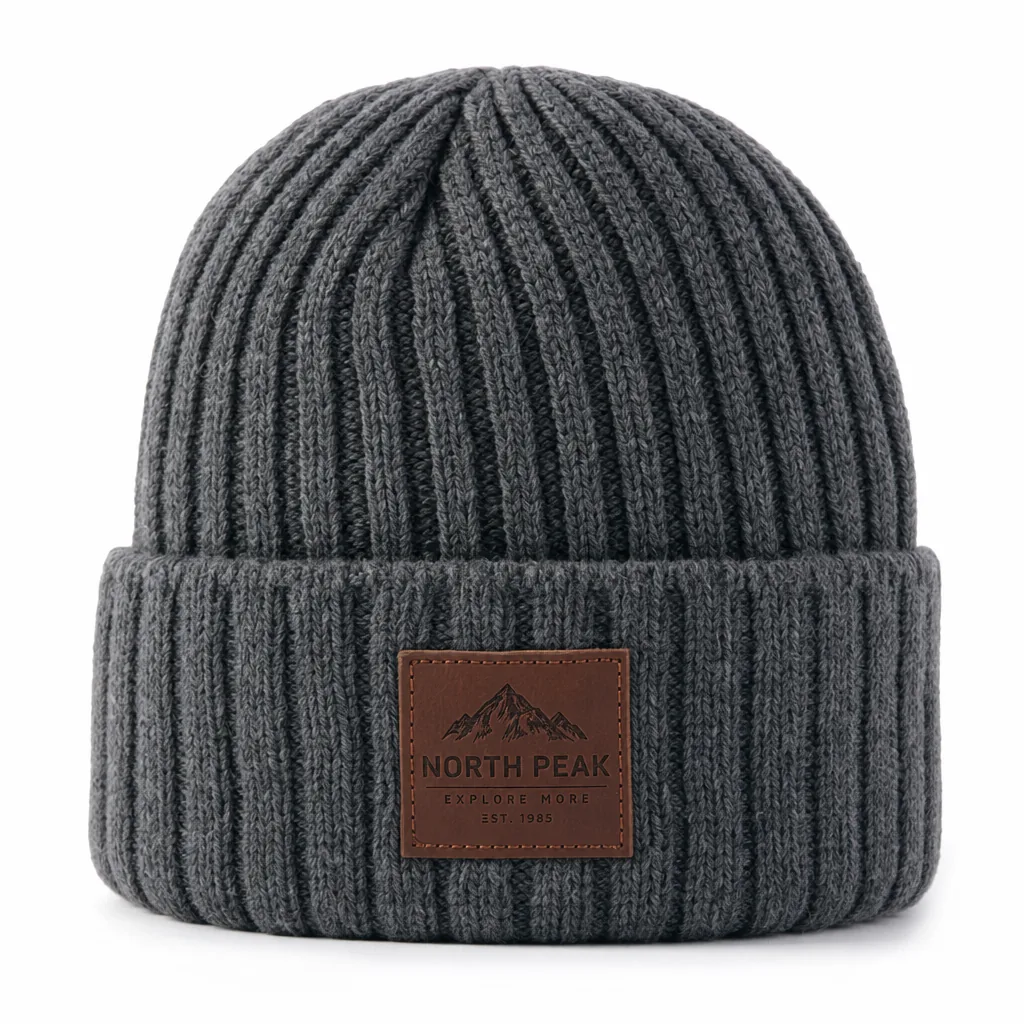
For brand owners, wholesalers and procurement teams entering the custom headwear category, custom made trucker hat: the 2026 sourcing & manufacturing playbook - 2026 buyer's guide - 2026 buyer's guide - 2026 buyer's guide (2026 update) is one of the highest-leverage decisions you will make. Get it right and your unit economics, retail story and reorder cycle all improve. Get it wrong and you carry the cost for years.
Custom Embroidered Hats
Embroidery goes wrong at the digitizing stage, not on the sewing floor. On a custom made trucker hat, the front panel is usually either foam-backed polyester for a high-profile 5-panel crown or 10 oz cotton twill/canvas for a firmer 6-panel face, and those two substrates need different underlay, density, and pull compensation. A center-seam logo is the classic failure point: satin columns under about 2.5 mm tend to split or sink, and 3D puff gets unstable fast if the foam is not specified up front. A serious factory should be running proper cap frames on Tajima, Barudan, or ZSK heads, not adapting the design from a flat-hoop program and hoping it behaves on a curved crown. The tech pack should lock logo size in millimeters, stitch-count target, thread brand and weight such as Madeira 40 wt polyester, Pantone TCX reference, crown height, visor curve, closure type, and whether the art crosses the center seam. If you ask for “3D embroidery” without stating foam thickness, satin width, and puff height, you are inviting three different samples from the same vector file.
MOQ is usually driven by the cap body, not embroidery machine time. In Yiwu and Dongguan, a stock-body custom made trucker hat typically starts at 144 to 300 pcs per colorway, while a true cut-and-sew body with custom pattern, mesh, taping, inner labels, and closure is more realistically 500 pcs per style and color. At 300 to 1,000 pcs, a standard mesh-back trucker with one front embroidery position usually lands around US$2.40 to US$4.20 FOB China; adding 3D puff plus flat embroidery commonly adds US$0.18 to US$0.45, with more for metallic thread, matte thread, or extra side and rear hits. Stitch count is a real cost driver: a 6,000-stitch logo and a 16,000-stitch logo may look similar in footprint but they do not consume the same run time, thread, or reject risk. Our standard practice is to quote from vector art or a confirmed stitch-count range because pricing from a low-res JPEG is how suppliers underquote and then recover margin by lowering density or trimming quality controls.
Embroidery quality should be written into the purchase order as measurable tolerances, not judged from one clean pre-production sample. The common bulk failures are off-center placement, poor registration between puff and flat layers, thread breaks, bobbin looping inside the crown, exposed EVA foam, needle cuts on lightweight foam fronts, and thread color drift outside an agreed Delta-E tolerance such as 1.5 to 2.0 for stricter brand programs. Front logo placement should be controlled to about ±2 mm, with AQL 2.5 final inspection and pre-shipment photos showing both the face and the inside backing, because the inside often reveals tension issues before the outside does. A sharp logo still does not rescue a weak cap body: heavy stitch density can collapse the front panel, distort seam tape, throw off visor symmetry, and reduce shape recovery after packing. For retail programs, the right evaluation is the full package—embroidery, crown structure, mesh stiffness, seam alignment, and snapback cycle life—not just whether the sample looked crisp under studio lighting.
Custom Hat Embroidery
Embroidery is usually the most expensive trim on a custom made trucker hat, so freeze the logo file, front-panel construction, and crown profile before you approve a sample. Digitizing for Tajima, Barudan, or ZSK heads is not portable in any simple way: stitch angle, edge walk, center walk, underlay, pull compensation, and trims have to be built around the real substrate and panel shape. A 5 mm EVA foam front laminated to polyester behaves nothing like 10 oz cotton twill or brushed canvas. Foam rebounds and shows gaps if density is too open; twill puckers if the fill is too aggressive or the backing is too light. Give the factory logo size in millimeters, Pantone TCX or solid coated reference, target placement from visor seam and center line, and the exact method—flat embroidery, 3D puff, appliqué, or embroidery plus woven patch. Fine detail is where sales samples lie: satin columns below about 0.8 mm, negative gaps under 0.6 mm, and text below 4.5-5.0 mm cap height usually start to close up on a curved trucker front, especially when the design runs across the center seam.
The specs that protect quality are the unglamorous ones: crown height, 5-panel versus 6-panel layout, seam bulk, buckram stiffness, backing weight, usable embroidery field, and whether the artwork crosses seam tape. A center-front logo that looks perfect on screen can distort badly once the needle climbs over a raised seam on a mid-profile trucker. Most China factories quote embroidery by stitch count, thread changes, and difficulty rather than by decoration alone. As a real market range, a clean 5,000-8,000 stitch flat logo typically adds about $0.18-$0.45 per piece FOB; a 3D puff logo with broad satin coverage is more often $0.35-$0.80. Digitizing is usually $20-$60 per file, often waived at 300-500 pieces, while practical MOQ lands around 100-144 pieces per colorway because machine setup and thread swaps, not mesh or twill, drive the line efficiency.
Inspection is where weak embroidery vendors get exposed fast. The defects worth rejecting are loose trims, thread breaks, poor color match, tunneling on satin columns, foam show-through on puff logos, needle cuts on lightweight polyester fronts, and puckering caused by the wrong backing or excessive stitch density. Placement tolerance matters just as much as stitch quality: on a retail custom made trucker hat, 3 mm off center is visible, and 5 mm is a reject in any competent QC room. Good factories use placement jigs, approve thread against physical shade cards, and inspect finished caps at AQL 2.5 instead of signing off loose panels before assembly. Embroidery also changes the cost structure more than many buyers realize. High stitch counts reduce head speed from roughly 850-900 rpm toward 600-750 rpm, increase thread-break risk, and push up rejection rates; sometimes the cheaper decision is to simplify the logo rather than fight for a few cents on the FOB price.
Custom Trucker Hat
A custom made trucker hat lives or dies on three variables: front-panel stability, mesh recovery, and seam symmetry. The common build is still 5-panel or 6-panel: buckram-backed foam or twill front, polyester mesh side and back panels, a pre-curved PE visor, and an HDPE snapback. On the line, the front crown usually runs 3-5 mm laminated polyester foam for the classic high-profile promo shape, or 180-240 gsm cotton twill for a cleaner streetwear hand feel. Decoration behavior changes completely between those two builds. Tajima and Barudan heads will hold crisp satin columns and reliable 3D puff only when the front panel resists flagging; low-density foam paired with oversized puff lettering often collapses after carton compression or 30-45 days of sea transit. If the brief is for a premium custom made trucker hat, the tech pack should specify crown height in centimeters, visor curve, mesh aperture, sweatband composition, snap resin grade, and Pantone TCX references for every visible material, not just the embroidery thread.
Pricing gets sloppy the moment construction details stay vague. Buyers need to lock panel count, crown profile, fabric breakdown, closure type, decoration method, internal taping artwork, label positions, and packing standard before asking for firm numbers. Leave those points open and most factories will quietly substitute cheaper inputs: 120-140 gsm mesh that bags out faster, brittle snaps that crack in cold weather, or thin polyester sweatbands that crock during perspiration testing. In China, a realistic MOQ for standard trucker production is 144-300 pieces per colorway, but printed mesh, camo yardage, custom-dyed rope, or branded trims often push the line to 500 pieces. For 2026 buying, a basic FOB quote at 300 pieces is typically $2.20-$3.40 with flat embroidery; once you add woven patches, rope trim, sublimated undervisors, or multi-location embroidery, the workable range is closer to $3.80-$6.50.
Inspection has to measure repeatability, not whether one salesman sample looks sharp. The failure points that actually hurt bulk orders are logos drifting more than 3 mm off center, mesh panels sewn under uneven tension, warped visor sandwiches, weak snap engagement, and loose thread buildup at the sweatband join. Color control is another blind spot, especially when white or light-gray mesh sits against a dyed front panel. For color-sensitive programs, body fabric, thread, patch grounds, and mesh should be checked under D65 light, with Delta-E held within 1.5-2.0 against the approved standard. AQL 2.5 is the normal final-inspection level, but it is only the baseline; the SOP should also define snap cycle testing, visor symmetry tolerance, crown height tolerance, embroidery placement tolerance, carton compression checks, and recovery after transit. A factory can fake a good sample, but holding shape, color, and alignment across 1,000 pieces is the real manufacturing test.
Custom Trucker Hats
The front panel is where a custom made trucker hat either reads like clean retail product or starts generating claims for puckering, collapsed crowns, and crooked logos. The default factory build is still a 5-panel or 6-panel shell with a polyester foam face, 70D-210D polyester or nylon mesh, PE visor board, and PP snapback closure, but that spec is chosen for price, not appearance. If the program is aimed at streetwear, licensed merch, or mid-tier retail, switching the front to 220-260 gsm cotton twill or brushed chino immediately improves hand feel, reduces plastic shine, and gives embroidery better edge definition. Lock the measurements early: finished crown height, front panel width, visor length and curve, foam thickness, embroidery window in millimeters, and whether the crown is backed with buckram or left soft. A high-profile 5-panel trucker with a large front logo usually needs roughly 3 mm EVA or foam support behind the face panel; otherwise the panel buckles after de-hooping and the logo sinks during carton compression.
Most costing mistakes happen before the first sample because buyers send references instead of a real tech pack. For a custom made trucker hat, the minimum workable spec should include silhouette, finished crown height, front fabric gsm, mesh denier, visor shape, closure resin type, sweatband composition, seam tape color, eyelet construction, decoration method, Pantone TCX callouts, allowable Delta-E, and packing method. MOQ is typically 144-300 pieces per colorway if the factory uses stock mesh and stock snaps, but 500-1,000 pieces is more realistic once you ask for custom-dyed fabric, molded TPU patches, woven labels, or color tolerance tighter than Delta-E 1.5. In 2026, a basic FOB China trucker with one front embroidery position usually sits around $2.20-$3.40; add a woven patch or molded TPU badge, branded inner tape, hangtags, and retail inserts, and the range moves to about $3.60-$5.20 before freight.
The quote matters less than process control. Foam-front truckers cannot be digitized like flat baseball caps: underlay, pull compensation, stitch angle, and satin density have to be tuned for foam rebound and crown curvature or the embroidery will tunnel and pucker. Tajima, Barudan, and ZSK cap frames all produce stable results when the file is built correctly, but poor digitizing still shows up fast in sampling. Inspection should be run at AQL 2.5 with logo placement held within 2-3 mm and special attention on the failure points that repeatedly show up in truckers: visor asymmetry, exposed foam at the front seams, mesh tearing at the rear seam join, weak snap tabs, and shade mismatch between crown, bill, and closure. Before placing production, confirm current sedex-audit-cap-supplier-guide.html">BSCI 2.0 or Sedex SMETA 4-Pillar audit status and ask technical questions that expose real factory control, such as visor forming temperature, mesh tension setting, thread type, and target embroidery density in SPI or stitches per square centimeter.
Hat Trucker Custom
A custom made trucker hat lives or dies on the front panel, not the mesh. Lock the construction first: 5-panel or 6-panel, crown height, front substrate, and decoration method. Those four specs determine fit, embroidery behavior, and FOB cost more than most buyers realize. The standard commercial build is a 5-panel trucker with a 2.0-2.5 mm foam-backed polyester front, polyester mesh around 120-160 gsm, a pre-curved PE visor, and a PP snapback. Premium versions usually swap the foam for cotton twill, brushed chino, 8-wale corduroy, canvas, or microsuede, then add buckram or fusible backing to control distortion. That choice matters immediately if the artwork includes 3D puff, satin columns under 0.8 mm, or serif text below 4 mm, because a foam front, fused twill, and soft canvas all run differently on Tajima or Barudan heads. Quoting before the details are locked is just guesswork. A real spec sheet should call out seam tape color, sweatband material, visor sandwich, top button, target head circumference, and logo size in millimeters. The common failures are predictable: puff embroidery collapsing on weak foam, front panels tunneling after sewing, and mesh tension pulling the crown off center by 3-5 mm. Good factories test the digitized file on the actual cap body, not on flat fabric, because stitch pull on a structured trucker front can move lettering by 1-2 mm. If color matters, specify Pantone TCX references and an acceptable Delta-E tolerance before sampling. If embroidery matters, confirm whether the file is digitized separately for foam and non-foam fronts, because one file rarely performs cleanly on both.
The production flow looks simple until you price the failure points. A typical custom made trucker hat moves through sourcing, Pantone matching, digitizing, cutting, foam lamination or front fusing, embroidery or patch attachment, sewing, brim insertion, shaping, trimming, packing, and final inspection at AQL 2.5. The tech pack should be brutally specific: panel count, crown height in centimeters, front fabric gsm, mesh denier, visor profile, closure type, sweatband fabric, seam tape print, label content, artwork dimensions, carton ratio, and compliance requirements such as CPSIA, REACH, or California Prop 65. If patches are involved, define the exact type—woven, printed twill, TPU, PVC, chenille, or leather—because heat tolerance, stitch method, and reject risk change with each one. Cost is usually stable until decoration and trims start stacking up. In Yiwu-area production, a basic foam-front trucker with flat embroidery and stock mesh typically runs about $2.10-$3.40 FOB China at 300 pieces. A better-specified version with 3D puff, custom seam tape, woven labels, upgraded sweatband, and retail inserts more often lands at $4.20-$6.80 FOB, while patch-heavy programs can exceed $7.50. MOQ is commonly 144-300 pieces per colorway with stock materials, but custom-dyed mesh or specialty fabrics can push the practical minimum to 500 or 1,000 pieces. Inspection is where weak sourcing choices show up fast: off-center logos, inconsistent visor curvature, crown asymmetry, brittle PP snaps, broken embroidery threads, resin streaks in dark mesh, and needle oil on white fronts. Measure logo placement from the center front seam with a ruler, record tolerances before bulk, and compare finished goods against the sealed sample after 24 hours out of the master carton.
Trucker Custom Hat
A custom made trucker hat usually fails at the junctions, not in the BOM. The weak spots are where the foam or buckram-backed front panel joins the mesh, where visor stitching sets crown balance, and where the snapback tabs stress the back opening after repeated wear. For foam-front builds, embroidery has to be digitized for loft: a 3-5 mm laminated foam front changes stitch angle, pull compensation, and density, and once a logo climbs past roughly 8,000-12,000 stitches on Tajima, Barudan, or ZSK heads without the right underlay, puckering and tunneling show up fast. Buyers who ask for pricing before locking structure usually get meaningless quotes. You need to specify 5-panel or 6-panel construction, high-profile or mid-profile crown, front panel material, mesh type, visor curve, seam tape color, sweatband composition, and snap closure format before factories are pricing the same hat. The material callout needs numbers, not adjectives. A workable spec sheet should list front fabric content and weight—say 210 gsm cotton twill or a PU-laminated foam front—mesh composition and hole count, visor board type, sweatband width, snap resin grade, decoration size in millimeters, and Pantone references split correctly between TCX for textiles and Solid Coated for print or PVC. Color tolerance should also be explicit: Delta-E under 1.5 is realistic for dyed twill, while mesh often has to live closer to 2.0 because lot variation is harder to control. Dimensional tolerances matter just as much; one OSFM trucker may fit 56 cm comfortably while another stretches to 60 cm. In current sourcing, MOQ is typically 144-300 pieces per colorway for a basic embroidered style, but custom-dyed fabric, molded silicone patches, printed seam tape, or branded boxes usually push the practical break point to 500-1,000 pieces. FOB China pricing remains broad: a basic foam-front mesh cap often runs $2.10-$3.40 at 300 pieces, while a better custom made trucker hat with cotton twill front, sandwich visor, inside taping print, woven label, and HD rubber patch is more often $4.20-$6.80 FOB.
Inspection is where margin gets protected. The defects that hurt most are obvious on the table and painful after delivery: mesh tearing at the seam allowance, warped brim curvature, embroidery drifting off center, crushed foam fronts, twisted sweatbands, weak snap posts, poor top-button wrapping, and crown panels missing the center point under the button. Decoration adds its own failure modes—backing show-through, loose thread tails, patch edge lift, uneven heat-press bonding, and artwork sitting out of square to the visor. On retail programs, even 3-4 mm of logo drift is visible, especially on a 5-panel custom made trucker hat with a large front graphic and no center seam to hide alignment errors. A solid factory controls those risks with measurable standards, not verbal promises. Final inspection should run to AQL 2.5 for major defects and 4.0 for minor defects, with checks on crown symmetry, brim shape consistency, closure pull strength, needle-control logs, and carton compression if the goods are moving long-haul by sea or parcel. For retailer-facing programs, current BSCI 2.0 or Sedex SMETA 4-Pillar status should already be in place before bulk starts. Our standard practice is to seal a pre-production sample against the approved spec, artwork, and packing method, because most disputes come from bulk drifting from an unsealed sample rather than from true workmanship failure. The commercial rule is straightforward: if your target retail is under $20, keep construction stable and decoration simple; if the brand story depends on detail, spend the extra money on cleaner digitizing, better mesh recovery, and stricter sample approval.
Working with CrownsForge for custom made trucker hat programs
The biggest risk in a custom made trucker hat program is sample-to-bulk drift, not squeezing another $0.18 off FOB. If the approved sample is not frozen against a production spec, the bulk run 30 to 45 days later will wander on crown height, visor firmness, mesh rebound, logo placement, and even seam balance across the front panel. A usable tech pack should lock crown height in centimeters, buckram type and gsm, visor board thickness in mm, brim curve radius, mesh composition and denier, snapback supplier, sweatband blend, stitch density in SPI, and Pantone TCX or TPX references for every visible component. For dyed twill or brushed cotton, tie lab dip approval to a Delta-E tolerance; in practice, 1.0 to 1.5 is acceptable for most body fabrics, but black-on-black combinations often need to stay within 0.8 under store lighting. First prototypes usually take 5 to 7 working days on stock cotton twill and polyester mesh, while custom dyeing, suede-touch microfiber, or washed canvas normally adds 2 to 4 days for lab dips, fabric yield confirmation, and cutting approval.
MOQ should follow construction complexity, because small “flexible” runs get expensive and inconsistent fast. A basic 5-panel foam-front or 6-panel twill custom made trucker hat with stock trims and one embroidery location can start around 144 pieces per colorway, but that only works when the bill shape, closure, and materials are standard. Add contrast topstitching, split-color panels, woven labels, printed seam tape, or multiple decoration points, and the efficient MOQ usually moves to 300 to 500 pieces per SKU. That is also where fit control improves, because the sewing line is not constantly stopping to swap thread cones, needles, folders, or attachment methods between tiny lots. Decoration is where most programs either look premium or look cheap: 3D puff on a foam front typically needs 2 mm or 3 mm foam, wider satin columns, proper underlay, and pull compensation or the letters collapse near the side seams. Fine outlines below roughly 1.2 mm, gradients, and photo-style artwork are better pushed into woven, sublimated, TPU, or HD silicone patches than direct embroidery, even on Tajima, Barudan, or ZSK heads.
Real FOB China pricing for a standard custom made trucker hat in 10x10 cotton twill plus polyester mesh with one flat embroidery location typically lands around $2.20 to $3.40 at 300 to 500 pieces, assuming a mid-grade plastic snap, standard sweatband, and stitch count under about 8,000 to 10,000 stitches. Move into 14-wale corduroy, suede-touch microfiber, applique, multi-location embroidery, leather patches, or custom metal trims and the FOB can clear $4.20 quickly, with reject risk climbing at the same time. The factories worth working with will control the sequence tightly: artwork review, digitizing proof, material confirmation, pre-production sample, inline inspection, and final audit at AQL 2.5. Our standard practice is to verify color, placement, carton packout, and closure function again before shipment, because scaling from a 300-piece test to 10,000 units across several colorways exposes every weak point in the process. Current BSCI 2.0 or Sedex SMETA 4-Pillar records, plus basic restricted-substance controls for inks, sweatbands, and metal trims, should be treated as baseline paperwork, not a premium add-on.
Frequently Asked Questions
Which shipping methods do you support?
We support FOB, CIF and DDP shipping. Air express for samples and small orders, sea LCL for 100 to 500 pieces, sea FCL for 5,000+ pieces. Door-to-door DDP available for US, EU, UK, Canada and Australia.
Do you support sustainability certifications?
Yes. We work with GOTS organic cotton, GRS-certified recycled polyester, OEKO-TEX Standard 100 fabrics, and are BSCI and Sedex audited. Certification documentation can be provided per order.
What file format should I send for my logo?
Vector files (AI, EPS, PDF) are ideal. High-resolution PNG or JPG at 300 dpi on transparent background works as a fallback. Provide Pantone color references for accurate reproduction.
How long does production take?
Sampling takes 7 to 12 days. Bulk production runs 20 to 30 days depending on quantity, fabric availability and decoration complexity. Inspection and packing adds another 3 to 5 days before shipment.
What logo decoration techniques do you offer?
3D puff embroidery, flat embroidery, woven patch, leather patch, PVC patch, screen printing, sublimation, applique and laser etching, all in-house with no subcontracting.
How does ordering custom hat trucker work?
When evaluating custom hat trucker, the key considerations are construction quality, decoration capability, MOQ flexibility and lead time. Cover everything buyers ask about custom embroidered hats: how it's manufactured, what specs to request from a factory, typical MOQ and pricing, common quality issues to inspect for, and how this ties back to the broader custom made trucker hat sourcing decision. Cover everything buyers ask about custom hat embroidery: how it's manufactured, what specs to request from a…
How does ordering custom embroidered trucker hats work?
When evaluating custom embroidered trucker hats, the key considerations are construction quality, decoration capability, MOQ flexibility and lead time. Cover everything buyers ask about custom embroidered hats: how it's manufactured, what specs to request from a factory, typical MOQ and pricing, common quality issues to inspect for, and how this ties back to the broader custom made trucker hat sourcing decision. Cover everything buyers ask about custom trucker hats: how it's manufactured, what specs to request from a…
How does ordering custom made hats for men work?
When evaluating custom made hats for men, the key considerations are construction quality, decoration capability, MOQ flexibility and lead time. Cover everything buyers ask about custom embroidered hats: how it's manufactured, what specs to request from a factory, typical MOQ and pricing, common quality issues to inspect for, and how this ties back to the broader custom made trucker hat sourcing decision. Cover everything buyers ask about custom trucker hats: how it's manufactured, what specs to request from a…
How does ordering high quality custom trucker hats work?
When evaluating high quality custom trucker hats, the key considerations are construction quality, decoration capability, MOQ flexibility and lead time. Cover everything buyers ask about custom embroidered hats: how it's manufactured, what specs to request from a factory, typical MOQ and pricing, common quality issues to inspect for, and how this ties back to the broader custom made trucker hat sourcing decision. Cover everything buyers ask about custom trucker hats: how it's manufactured, what specs to request from a…
Need a low-MOQ test order?
We help emerging brands launch with as few as 100 pieces. Premium fabric, in-house embroidery, retail-ready packaging.
Start a small orderRelated guides
Merino Wool Beanie: Properties, Costs and How to Spec It Right - 2026 Buyer's Guide - Cost & MOQ Breakdown
Read article →
Cotton vs Polyester vs Wool: A Cap Fabric Decision Tree - 2026 Buyer's Guide
Read article →
Festival Bucket Hats Fabric And Trim Spec Guide for Custom Hat Buyers
Read article →If you are ready to take the next step on custom made trucker hat: the 2026 sourcing & manufacturing playbook - 2026 buyer's guide - 2026 buyer's guide - 2026 buyer's guide (2026 update), our team can put a tailored quotation and digital mock-up in your inbox within 24 hours. Send the inquiry form on our contact page or message us directly on WhatsApp.