
Custom Hat Patch: When to Use It, Costs, and What to Ask Your Factory (2026 Update) - Cost & MOQ Breakdown
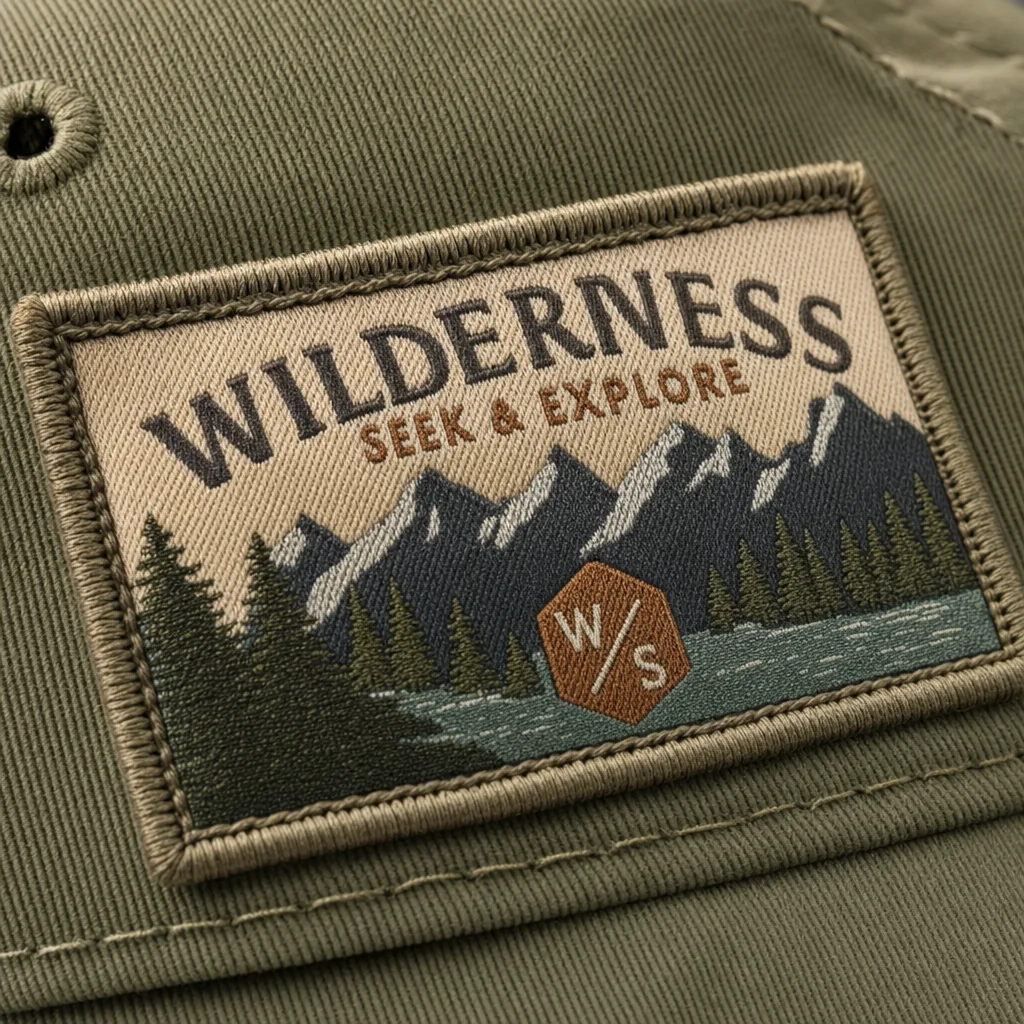
Custom Hat Patch: When to Use It, Costs, and What to Ask Your Factory (2026 Update) - Cost & MOQ Breakdown is one of the most-asked questions we receive from international buyers, and for good reason. With dozens of factories competing for your order and an alphabet soup of technical terms in every supplier quote, even experienced importers can feel lost. This guide consolidates what we have learned producing custom hats for clients in 40+ countries.
Custom Logo Hats
The decoration method decides whether a logo hat survives production, not the cap silhouette. A custom hat patch is the right call when artwork includes hairline outlines, distressed textures, gradients, small negative space under roughly 1.2 mm, or licensed marks that must match across a 6-panel snapback, trucker, bucket hat, and cuff beanie. Direct embroidery on a curved, buckram-backed front panel has hard physical limits: on Tajima, Barudan, or ZSK heads, text below about 4.5–5 pt equivalent will often fill in, and dense columns can sink into the crown or pull the panel off grain. That is where woven labels, printed twill patches, molded PVC, debossed leather, and chenille start to outperform stitching directly into the shell. Attachment method matters as much as patch type. Merrow-edge sewing works for round or oval badges but adds bulk; satin-stitch tack-down gives a flatter finish on square or die-cut shapes; hot-melt film is fast but needs controlled press temperature and dwell time; hook-and-loop only makes sense for interchangeable programs and military-style SKUs. On structured caps, the cleanest build is usually patch application before crown closing, because the operator can keep placement within about +/-1.5 mm and avoid the center seam ridge telegraphing through the badge. Once the crown is fully assembled, +/-2.5 mm is a more honest tolerance, especially on thicker 260–280 gsm chino twill or foam-front truckers.
Cost is driven more by the patch spec than by the cap body. At 300 pcs FOB China, a stock chino twill cap with a 57 x 57 mm embroidered custom hat patch typically lands around $2.30–$3.50; a woven patch is often at parity or slightly cheaper when the embroidery stitch count would be high; molded PVC on a polyester trucker more often sits at $3.20–$4.90 because you are paying for mold amortization, slower positioning, and tighter heat-control windows. Setup charges are not cosmetic line items: embroidery digitizing usually runs $15–$40, a PVC mold $80–$180, and a deboss die for leather, PU, or microfiber around $60–$150. If a supplier will not separate patch cost, attachment labor, cap shell, and freight basis, it is almost impossible to compare FOB against DDP quotes honestly. Most failed patch hats are not catastrophic; they just look second-rate under inspection. The usual issues are patch drift off center, puckering from excessive stitch tension, fray on laser-cut woven edges, weak hot-melt bond after 24 hours, and front-panel distortion when the patch crosses seam tape or sits too close to the button line. Lock down the QC standard before bulk: AQL 2.5, placement tolerance in millimeters, Pantone reference type—TCX for textile components, coated for printed graphics—and a Delta-E target below 2.0 where color accuracy matters. Our standard practice is to approve a pre-production sample on the exact silhouette, then test peel strength, crocking, and colorfastness before bulk sewing. If the logo is simple and volumes are high, direct embroidery is still cheaper and more abuse-resistant; if detail retention and repeatability matter, a custom hat patch is the safer production choice.
Custom Embroidered Patches
An embroidered custom hat patch makes sense when you need texture and shelf impact, not fine illustration. On hats, embroidery wins because raised stitch relief stays legible at 1-2 meters, while halftones, tiny gradients, and thin serif text collapse on a curved crown. The stable construction is usually 210-300 gsm twill, acrylic-wool felt, canvas, or a merrowable polyester base, sewn on Tajima, Barudan, or ZSK heads with 120D or 75D polyester thread depending on detail. Patch cost moves with stitch count, not just size: a 57 x 57 mm patch at roughly 8,000 stitches and 60-65% coverage is a different job from a 63 x 90 mm crest pushing 14,000-18,000 stitches with dense satin borders, underlay, and multiple trims. If you want clean pricing from the factory, send finished size in millimeters, border finish, base fabric, color count, estimated coverage, and whether the patch will be sewn, heat pressed, or Velcro-backed before cap attachment.
MOQ is usually constrained by setup loss and attachment labor, not by the patch blank itself. For China production, 100-144 hats per colorway is the realistic floor for a sewn custom hat patch on a standard 5-panel or 6-panel cap; 50 pieces only works when stock blanks are available and the factory accepts surcharges for digitizing, thread changes, and slower handling. For 2026 planning, a 2.0-2.5 inch embroidered patch commonly adds $0.32-$0.80 per hat at 500 units, or about $0.60-$1.20 at 100 units, excluding the cap body. One-time digitizing is typically $20-$45, while a new laser path, die line, or embroidery tape-out for a custom shape can add $25-$70. The failure points are predictable: text below about 1.0-1.2 mm stroke width fills in, merrow borders break down on tight inside corners, and placement on curved front panels can drift 2-3 mm without a proper sewing guide. Ask for a strike-off, stitch count, thread brand/spec, Pantone TCX reference for nearest thread match, and AQL 2.5 criteria covering placement tolerance, puckering, loose trims, edge fray, and acceptable color variance.
Custom Hat with Patch
A custom hat patch is a second manufacturing workflow, not a trim choice, and that matters because the patch method sets your MOQ, color tolerance, and failure risk before the cap line even starts. For most commercial programs, the sweet spot is a 57-70 mm patch on a 5-panel trucker or standard 6-panel baseball cap: large enough to read at shelf distance, small enough to avoid the distortion and backing bulk you get with heavy direct embroidery through buckram. If your smallest letters are under 4 mm cap height, woven labels and woven patches will usually outperform embroidery because a Barudan or Tajima head can only hold so much satin definition before edges close up. Embroidered patches make more sense when you want a merrow border, a satin edge, or a deliberately bolder outline. TPU/PVC, debossed leather, PU, chenille, and printed twill can all work, but each changes thickness, needle selection, and front-panel behavior. Most patch failures are attachment failures. Heat seal by itself is fine for positioning; it is not reliable as the final bond on caps that will sit in containers above 50°C, absorb sweat, and then get crushed in parcel transit. A stitched custom hat patch is still the safest construction, either sewn onto the finished cap or attached to the front panel before assembly. Pre-sewing often improves centering on structured buckram fronts, but it can pucker foam trucker panels if the patch edge is too dense or the sew path is too tight. For leather and PVC, call out material thickness in the 0.8-1.5 mm range, edge finish, and minimum needle-hole allowance. If the compound is too hard or the perimeter stitch is too close, cracking around the stitch line often shows up in first-wear flex testing, not at final packing.
The spec sheet is what separates a clean shipment from a rework lot. Do not send artwork and “center front patch” and expect consistent output. Specify patch size in millimeters, border construction, base material, embroidery coverage or woven density, Pantone TCX references, and acceptable Delta-E if the brand color is sensitive. Placement should be dimensioned from the center seam and visor seam, with a realistic tolerance of plus/minus 2 mm for manual placement; asking for plus/minus 1 mm on a standard cap line usually just means someone will sort aggressively at inspection. If the custom hat patch is woven, sublimated, or screen printed, confirm whether color approval applies only to the patch face or also to the shell fabric, because cross-material matching is where drift appears fastest under D65 light. Cost is driven more by patch construction and handling than by the cap body. In current factory terms, an embroidered patch on a basic acrylic/poly mesh trucker is typically around $2.20-$3.40 FOB China at 300 pieces; woven patch versions usually run $2.40-$3.80; PVC, PU, or faux leather patches land closer to $2.80-$4.50 once mold charges, extra sewing time, and protective packing are included. MOQ is normally 144-300 pieces per colorway when the same factory manages both patch production and cap assembly; below 96 pieces, setup cost and manual placement time push unit pricing up fast. At CrownsForge, we inspect patch caps to AQL 2.5 and focus on the defects that actually trigger claims: patch skew, uneven merrow width, adhesive bleed, loose jump stitches from Tajima or ZSK runs, and batch color variation between patch production and final cap assembly. A cheap quote is meaningless if the line cannot place the patch square and repeatably.
Custom Patch for Hat
The right custom hat patch is a production decision first, because the patch construction dictates legibility, attachment method, and defect risk on the sewing line. In practice, five options cover most cap programs: embroidered twill, woven damask, molded PVC, printed satin or polyester, and leather or PU. Embroidered patches are still the safest default for team, workwear, and promo hats because they absorb minor sewing variation and hold up well under abrasion; on Tajima, Barudan, or ZSK multi-heads, we normally digitize them around 0.35-0.45 mm stitch spacing with a 0.8-1.0 mm minimum line weight. Once copy drops below about 4 mm cap height, or outlines fall under 0.8 mm, woven usually wins because embroidery thread build will close counters and soften sharp corners. PVC gives the cleanest silhouette and the best water resistance, but buyers should treat it like a small tooling project: a basic 2D mold usually lands around $80-$180, while deeper 3D relief, more cavities, or more colors push the tool cost higher and extend approval time by several days.
Unit cost moves more with sourcing and attachment than most buyers expect. At 500 pieces, a standard 57 mm embroidered custom hat patch is typically $0.22-$0.55 before application; woven is usually $0.28-$0.60 depending on denier, border finish, and thread count; molded PVC runs about $0.45-$0.95 plus mold fee; genuine leather is often $0.50-$1.20 depending on hide grade, tanning consistency, and deboss depth. Attachment is a separate line item and should be quoted that way: stitch-down commonly adds $0.18-$0.40 per cap, while heat press is more like $0.12-$0.28 if the patch already has heat-activated backing. For front-panel caps, I would keep PVC or leather thickness around 1.2-1.8 mm; anything stiffer can telegraph through buckram, distort a structured 6-panel crown, or fight the curve on a 5-panel foam trucker.
Most patch failures are written into the tech pack long before bulk production starts. For any custom hat patch, specify finished size in millimeters, die line, base material, border type, backing, Pantone TPX or TCX reference where relevant, application method, and acceptable tolerance on fine logo detail. Border choice matters more than buyers think: merrowed edges need seam allowance and look poor on tight corners, while heat-cut or laser-cut edges are cleaner on woven and printed patches but need fray control. Placement tolerance should be stated clearly; +/-2 mm from center front and under 2 degrees rotation is a realistic factory standard. MOQ also follows method, not just hat style: embroidered and woven patch runs are often viable at 100-200 hats per colorway, while PVC, debossed leather, and specialty printed patches make more sense at 300-500 pieces because tooling and strike-off costs need to amortize. CrownsForge normally approves a physical strike-off before bulk and inspects placement, edge finish, skipped stitches, bond strength, color drift, and count to AQL 2.5; if adhesive is used, add peel testing, and if the patch face is printed, add dry and wet rub tests.
Custom Patch Hat
A custom hat patch is where otherwise decent caps go bad, because you are stacking patch conversion tolerance on top of crown sewing tolerance. The patch type should be chosen from logo geometry and front-panel construction, not trend. If the artwork is under 45 mm wide, or contains counters and strokes below about 1.0 mm, a woven patch usually holds detail better than direct embroidery; even on Tajima, Barudan, or ZSK heads, thread spread will start closing small letters. Embroidered patches still make sense for bold marks with 2.5 to 3.5 mm satin borders or merrow edges, but they create more thickness and can print through 8 to 10 oz cotton twill or distort soft unstructured fronts. PVC patch at 0.8 to 1.2 mm gives the sharpest edge definition and best abrasion resistance, but it also adds stiffness and can torque 110 to 140 gsm nylon, taslon, or microfiber unless the panel is backed, lightly fused, or topstitched after application.
A factory cannot quote a custom hat patch correctly from a logo file alone. Buyers need to lock down patch size in millimeters, edge finish, backing, attachment method, placement tolerance, and color standard before sampling. Placement should be dimensioned from the center front seam and visor stitch line, not described as “middle front”; that vague callout is exactly how you get 2 to 3 mm drift across a lot. For color, use Pantone TCX on dyed textile components, Pantone C on printed references, and agree a realistic bulk tolerance of Delta-E 1.5 to 2.0. In Yiwu, 2026 FOB for a 300-piece order is typically $2.20 to $3.80 for a 6-panel cotton twill cap with woven or embroidered patch, $3.10 to $5.20 with leather or PU, and $3.60 to $6.50 with molded PVC, with MOQ driven more by patch tooling and color separations than by cap sewing.
Most claims on a custom hat patch order come from the patch-to-shell interface, not the cap body. The recurring failures are easy to spot on the line: placement off more than 2 mm, edge lifting after heat press, needle cuts around dense sew-on borders, puckering on lightweight crowns, and glue strike-through on brushed cotton, suede-touch microfiber, or peach-finish fabrics. Woven and printed patches need checks for edge fray, registration blur, crocking, and wash performance; embroidered patches should be checked for satin coverage, merrow consistency, backing trim, and whether dense columns are sinking into low-denier twill. PVC needs extra scrutiny on mold flash, incomplete cavity fill, and corner adhesion on curved fronts where the patch wants to spring back. QC should treat patch attachment as its own checkpoint: PPS approval against bulk, AQL 2.5 final inspection, and peel or pull testing after a 24-hour cure, plus heat-aging if goods may sit in containers above 50°C. sedex-audit-cap-supplier-guide.html">BSCI 2.0 or Sedex SMETA 4-Pillar compliance does not prevent bad application; process discipline does.
Custom Patch Hats
Treat the custom hat patch as its own engineered component, not a line item hidden inside a cap quote. The patch construction determines both legibility and failure rate. Woven patches can usually hold copy and outlines down to about 1.2-1.5 mm stroke width; standard embroidery starts closing up below roughly 1.8 mm unless the digitizing is disciplined and the run is held on stable twill. PVC gives the sharpest edge definition and best rain resistance, but it introduces mold cost and more obvious color variation if Pantone matching is loose; for branded programs, I’d call out Pantone TCX or solid coated references and hold visible Delta-E as tightly as the material allows. A production-ready spec should lock size in millimeters, patch substrate, edge finish, backing, stitch color, and crown placement tolerance. On a 5-panel foam trucker, 65 x 45 mm centered within +/-2 mm is realistic; on a washed unstructured dad cap, +/-3 mm is more honest because the crown shifts under the sewing foot.
Attachment method is where a lot of bulk claims start. On 240-280 gsm cotton twill, brushed canvas, or enzyme-washed caps, sewn-on patches are slower but safer because they survive wash, carton compression, and retail handling better than glue-only application. Heat-applied patches can work on polyester microfiber and performance shells, but the press window is narrow—typically around 145-160 C depending on foam, shell denier, and adhesive film. Run too hot and you get panel shine, puckering, seam read-through, or foam distortion around the edge. Ask for the patch BOM and cap BOM separately, and ask whether the custom hat patch is made in-house or outsourced; outsourced patch supply is a common source of color drift, schedule slippage, and inconsistent borders.
MOQ usually follows the hat body, not the patch. A stock blank with a custom hat patch often starts at 100-144 pieces per colorway, while a fully custom cap body is more commonly 300-500 pieces per style and color. A workable 2026 FOB China range is about $2.20-$4.20 for simple woven or embroidered patch hats on stock bases, and roughly $3.80-$6.80 for genuine leather, molded PVC, or specialty printed patch programs on custom caps. Setup is separate and should be quoted that way: woven patch setup typically runs $30-$80, embroidery digitizing $20-$50, and a PVC mold $120-$250. Inspection should focus first on patch quality, then on mounted performance: off-center placement, uneven topstitch margin, merrow fray, loose jump stitches, glue bleed, and corner lift after packing are the failures that actually trigger rejects. AQL 2.5 is a fair baseline, but for licensed goods I would tighten logo orientation and placement criteria and require pre-production approvals, in-line records, and final carton audit data rather than relying on BSCI 2.0 or Sedex SMETA 4-Pillar alone.
Working with CrownsForge for custom hat patch programs
Most custom hat patch problems start at the join between patch build, crown shape, and sample timing, not in the artwork itself. If a factory is still changing profile, shell fabric, closure, and patch attachment in the same round, expect at least one avoidable remake. For a clean custom hat patch program, lock four items before sampling: Pantone TCX references, finished patch size to the nearest millimeter, cap profile, and attachment method. Once those are fixed, a strike-off plus one wearable sample is realistically 5 to 7 working days on a standard 6-panel baseball cap. Embroidered patches are quickest because a Tajima, Barudan, or ZSK head can run a same-day sew-out; woven patches usually need 2 to 3 extra days for loom setup, while molded PVC or debossed PU typically adds 3 to 4 days for mold or die approval. MOQ moves with complexity, not just decoration type. A first run is usually workable at 144 to 300 pcs per colorway if you keep one patch size, one cap body, and one packing method. The number jumps fast when buyers mix two patch dimensions, ask for retailer-specific UPC labels, or split freight by destination. In practice, 500 to 1,000 pcs is where unit cost stabilizes for programs with multiple SKUs. On recent orders, a straightforward embroidered or woven custom hat patch cap has landed around $3.20 to $5.80 FOB China, while molded PVC, specialty PU, or detailed retail packing can push it above $6.50 depending on fabric and stitch count.
Choose the patch by abrasion, surface texture, and target FOB, not by whatever style is trending. The most reliable constructions on caps are merrowed embroidered patches, heat-cut woven patches, 0.8 to 1.2 mm PU leather patches with deboss and perimeter satin stitch, and soft PVC patches sewn down on tactical or outdoor silhouettes. Heat-transfer-only attachment is the weak link on structured fronts: once you add buckram, crown curvature, and compression packing, adhesive edges often print through or lift at the corners. Washed cotton twill and brushed chino usually carry PU detail cleanly, while acrylic beanies and loose-gauge knits behave better with woven or embroidered patches because rigid rubber badges can distort the knit and create edge curl. After approval, process discipline matters more than aesthetics. Buyers selling into EU retail, licensed sports, or corporate promo should verify BSCI 2.0 or Sedex SMETA 4-Pillar status, REACH compliance for PVC and inks, azo-free dye declarations, and a written needle-control policy; if patch sewing happens before final polybagging, specify metal detection. Our standard practice is BOM lock, digital mockup, pre-production sample, inline inspection at the first 30 to 50 pcs, and final inspection to AQL 2.5 before cartons are sealed. Write patch placement tolerance at +/-2 mm for center-front locations, especially where the patch crosses a seam, and call out front-panel weight early—lighter cotton fronts under roughly 200 gsm are more prone to puckering and embroidery pull. If the shipment is moving DDP through parcel networks, also define carton drop standards and 1 to 2 percent spare trims up front.
Frequently Asked Questions
What file format should I send for my logo?
Vector files (AI, EPS, PDF) are ideal. High-resolution PNG or JPG at 300 dpi on transparent background works as a fallback. Provide Pantone color references for accurate reproduction.
Can I order a sample before bulk production?
Yes. We strongly recommend approving a pre-production sample before mass production. Samples are charged at 35 to 60 USD each plus express shipping, fully refundable against confirmed bulk orders over 500 pieces.
What is the minimum order quantity (MOQ) for custom hats?
Our standard MOQ is 100 pieces per design and color, with sampling available from 1 piece. For complex multi-color logos or premium fabric upgrades, the MOQ can be lowered with a small per-piece surcharge.
How long does production take?
Sampling takes 7 to 12 days. Bulk production runs 20 to 30 days depending on quantity, fabric availability and decoration complexity. Inspection and packing adds another 3 to 5 days before shipment.
What logo decoration techniques do you offer?
3D puff embroidery, flat embroidery, woven patch, leather patch, PVC patch, screen printing, sublimation, applique and laser etching, all in-house with no subcontracting.
How does ordering custom leather patch trucker hat work?
When evaluating custom leather patch trucker hat, the key considerations are construction quality, decoration capability, MOQ flexibility and lead time. Cover everything buyers ask about custom logo hats: how it's manufactured, what specs to request from a factory, typical MOQ and pricing, common quality issues to inspect for, and how this ties back to the broader custom hat patch sourcing decision. Cover everything buyers ask about custom embroidered patches: how it's manufactured, what specs to request from a factory,…
What's the MOQ for custom leather patch hats no minimum?
When evaluating custom leather patch hats no minimum, the key considerations are construction quality, decoration capability, MOQ flexibility and lead time. Cover everything buyers ask about custom logo hats: how it's manufactured, what specs to request from a factory, typical MOQ and pricing, common quality issues to inspect for, and how this ties back to the broader custom hat patch sourcing decision. Cover everything buyers ask about custom patch hats: how it's manufactured, what specs to request from a factory, typical MOQ…
How does ordering custom embroidered trucker hats work?
When evaluating custom embroidered trucker hats, the key considerations are construction quality, decoration capability, MOQ flexibility and lead time. Cover everything buyers ask about custom logo hats: how it's manufactured, what specs to request from a factory, typical MOQ and pricing, common quality issues to inspect for, and how this ties back to the broader custom hat patch sourcing decision. Cover everything buyers ask about custom embroidered patches: how it's manufactured, what specs to request from a factory,…
How does ordering custom baseball hats with logo work?
When evaluating custom baseball hats with logo, the key considerations are construction quality, decoration capability, MOQ flexibility and lead time. Cover everything buyers ask about custom logo hats: how it's manufactured, what specs to request from a factory, typical MOQ and pricing, common quality issues to inspect for, and how this ties back to the broader custom hat patch sourcing decision. Cover everything buyers ask about custom patch hats: how it's manufactured, what specs to request from a factory, typical MOQ…
Ready to start your custom hat project?
Send us your tech-pack, sketch or even just an inspiration photo. We will respond with a detailed quotation and digital mock-up within 24 hours.
Request a free quoteRelated guides
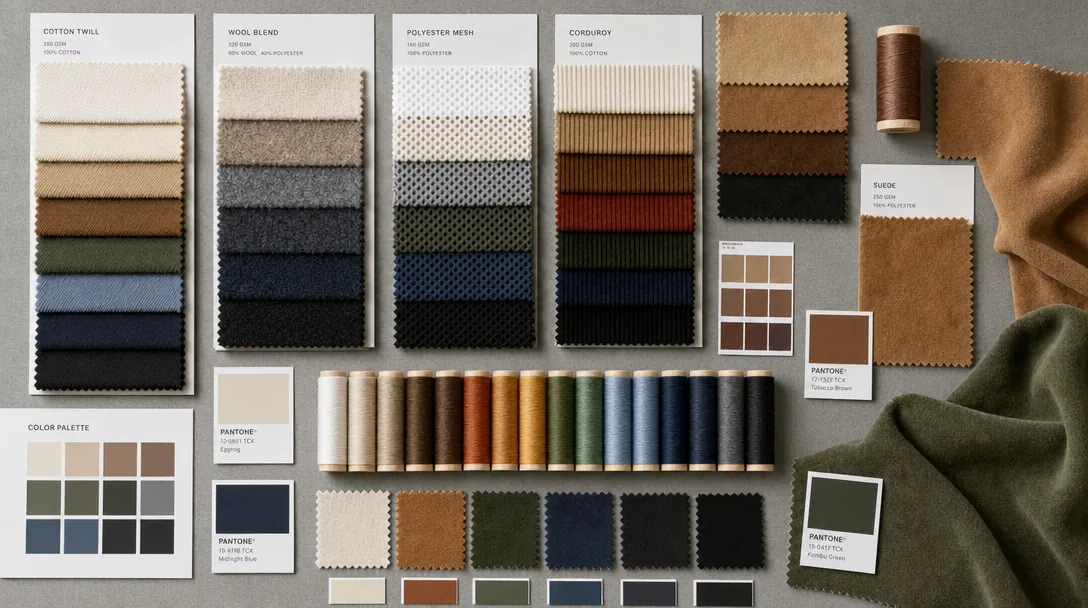
Bucket Hat Corduroy Decoration QC Checklist for Custom Hat Buyers - Cost & MOQ Breakdown (2026 Update)
Read article →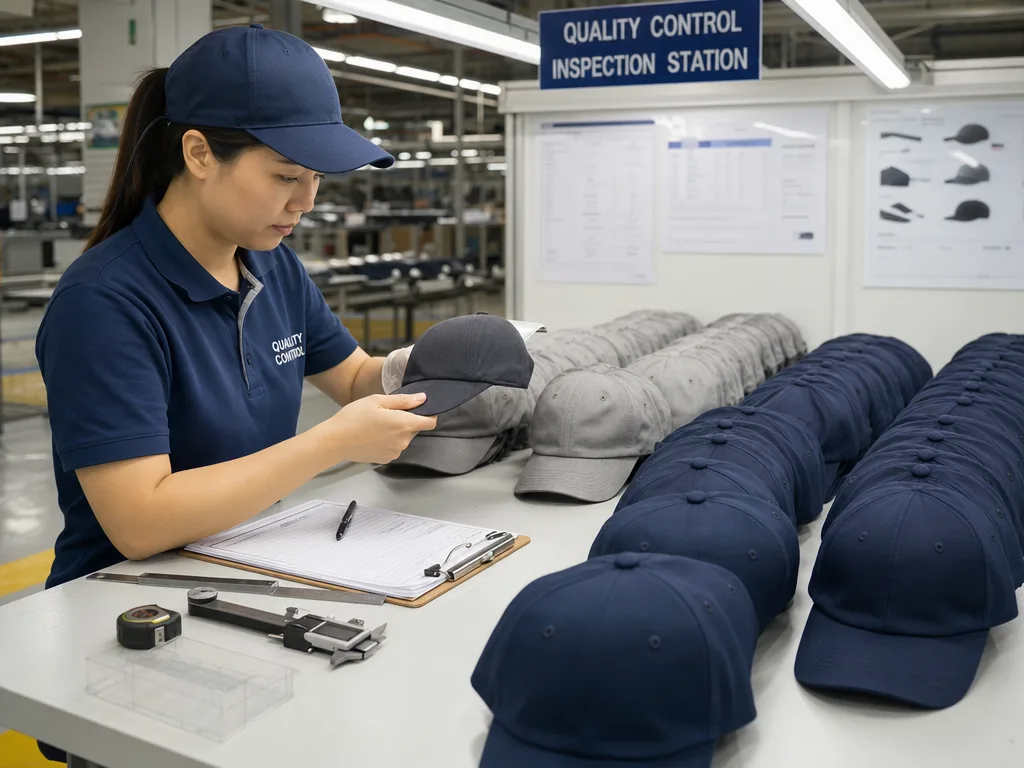
BSCI vs Sedex vs WRAP vs WCA: Compliance Audit Standards Compared - Supplier Checklist - Supplier Checklist - Cost & MOQ Breakdown
Read article →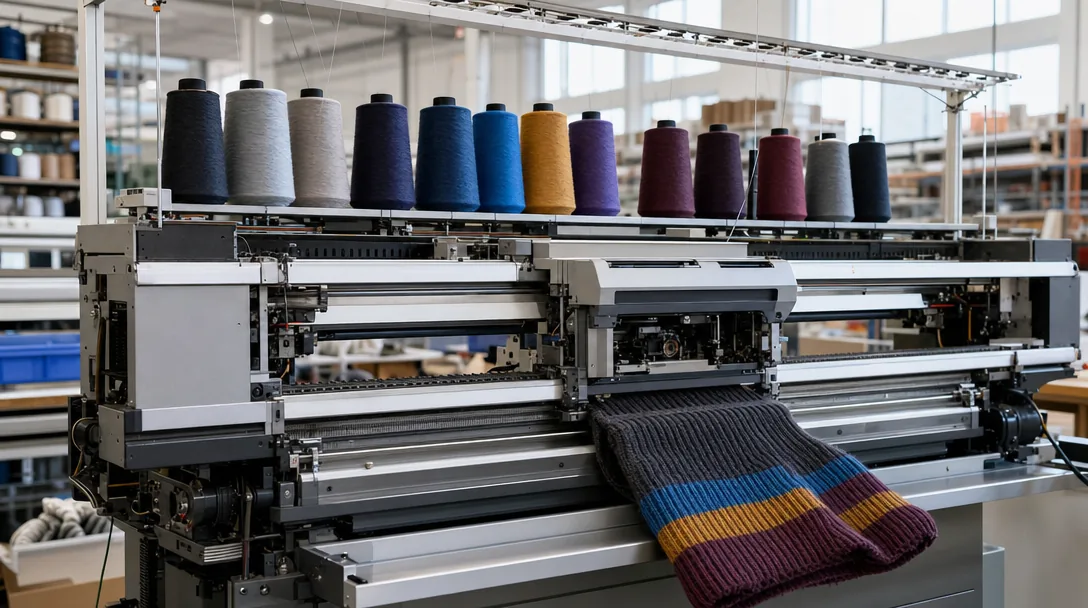
Winter Beanie & Knit Cap Manufacturing: The Complete Wholesale Guide - Cost & MOQ Breakdown
Read article →Sourcing custom hats does not have to be complicated. With the right manufacturing partner, clear specifications and a small upfront investment in sampling, you can launch a retail-quality product in 30 to 45 days.