
Custom Bucket Hat Small Batch: A 2026 B2B Sourcing Guide
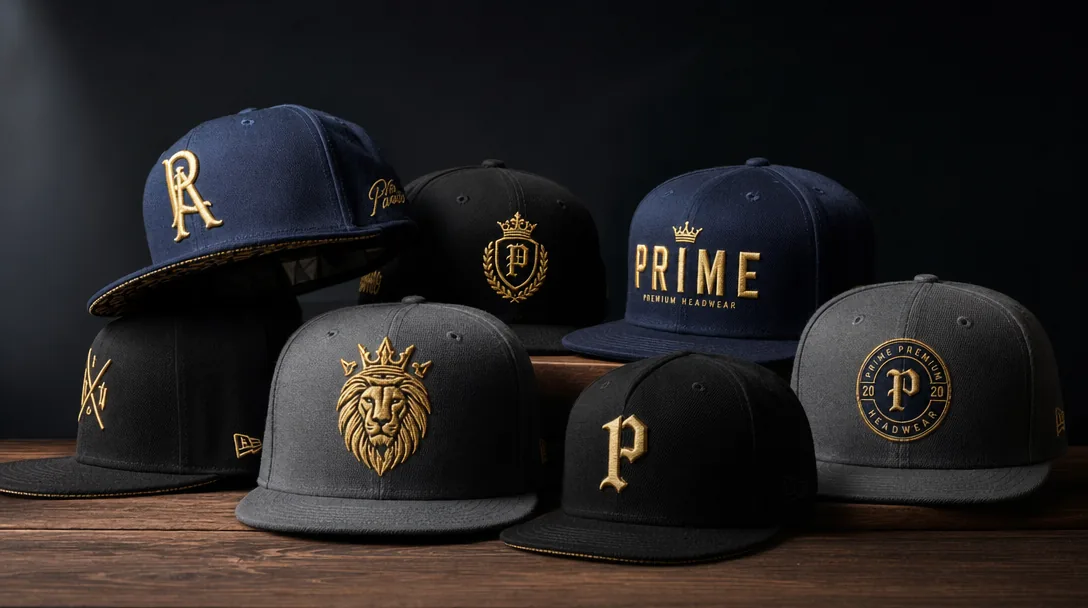
Custom Bucket Hat Small Batch: A 2026 B2B Sourcing Guide is one of the most-asked questions we receive from international buyers, and for good reason. With dozens of factories competing for your order and an alphabet soup of technical terms in every supplier quote, even experienced importers can feel lost. This guide consolidates what we have learned producing custom hats for clients in 40+ countries.
Custom Flat Brim Snapback Bulk
Flat brim snapbacks are built around a structured crown, a cardboard or PE board visor, and a six-panel construction that depends on clean stitch geometry more than fancy fabric. For bulk orders, I ask factories for shell fabric by weight and composition first: 100% acrylic wool-look, 80/20 acrylic-wool, or 100% cotton twill at 260–320 gsm are the usual starting points. The critical specs are crown height, visor length and curvature, front panel backing, sweatband type, and closure hardware. If you want embroidery, confirm the digitizing size limit and stitch count early; a 3D puff logo on a blank flat bill snapback wholesale run can add 15–30% to decoration cost because the foam, underlay, and trim all increase labor. A real bulk spec should also call out color matching by Pantone TCX and acceptable shade tolerance, especially if the cap is part of a licensed program or a multi-SKU drop.
Typical MOQ for a factory-run custom flat brim snapback bulk order is 300–500 pieces per colorway if you use existing materials, but 1,000 pieces is still the sweet spot for price stability. On a FOB China basis, plain caps with woven label and simple embroidery often land around $2.20–$3.80 per piece at 500 units, while heavier decoration, contrast undervisor, or custom taping pushes it to $4.20–$6.50. Buyers who have sourced unstructured dad hat wholesale or 5 panel camp cap wholesale product usually underestimate how much more rigid caps expose workmanship problems: crooked center seams, visor edge wrinkling, bad buckram alignment, and snapback band breakage show up fast in bulk photos. If the factory also offers foam front trucker hat custom or custom fitted cap no minimum programs, that is useful, but do not assume the same sewing line setup translates cleanly to a structured snapback; the process controls are different.
Inspection should focus on fit symmetry, brim flatness, stitch density, and back closure consistency. I would reject any lot with crown twist, inconsistent top button placement, off-center front panel embroidery, or visor boards that flex unevenly under light pressure; those defects usually trace back to weak cutting control or rushed pressing. For QA, use AQL 2.5 on major defects and insist on pre-production samples plus a size-set approval if the cap uses multiple panel fabrics or a sandwich visor. This matters for buyers deciding between a custom bucket hat small batch strategy and a higher-volume snapback run: bucket hats tolerate small-batch variation better, while snapbacks punish sloppy sewing because structure makes every deviation visible. CrownsForge’s standard practice is to lock the BOM, confirm stitch maps, and approve a sealed reference sample before bulk cutting, because once a crown is fused and visors are pressed, rework costs more than making it right the first time.
Custom Sun Visor Cap Bulk
A custom sun visor cap bulk order is usually simpler than a full structured cap, but the small details still decide whether it looks retail-ready or like a cheap giveaway. The crown is often 100% cotton twill, 210D polyester, or recycled poly/cotton with a 3-panel or 5-panel build, then the brim is pre-curved EVA or PE foam wrapped in the same shell fabric. Ask the factory for fabric weight in gsm, sweatband spec, closure type, and whether the front panel is fused or left soft; for sun visors, the binding around the brim edge and the stitch density on the sweatband matter more than people expect. If you are comparing a custom bucket hat small batch buy to sun visors, the visor is usually easier on tooling but less forgiving on fit, so you need cleaner sampling and tighter size control.
For bulk, a realistic MOQ is 300 to 500 pcs per color for a standard design, while simple blanks can sometimes start at 100 to 200 pcs if the factory is already running similar materials. Pricing in 2026 typically lands around USD 2.20 to 4.80 FOB for basic embroidery or print, and USD 5.00 to 7.50 if you want woven patches, reflective details, or a better sweatband and packaging. If you need a custom fitted cap no minimum, that is a different production lane entirely; visors are not built like a structured cap, and you should not expect the same price logic as a blank flat bill snapback wholesale program or a foam front trucker hat custom run. For streetwear or sports buyers, the right benchmark is not the cheapest cap on the table but whether the factory can repeat Pantone TCX color, keep Delta-E within 2.0 to 3.0, and hold consistent stitching on every lot.
The quality issues I inspect first are warped brims, uneven crown symmetry, loose bar tacks at the strap points, and poor adhesion where the sweatband meets the body. On darker colors, ink migration and thread shine show up fast after heat pressing, so ask for pre-production wash or rub testing if your decoration is printed. If the design includes embroidery, a Tajima, Barudan, or ZSK head should be set with proper backing; otherwise the front panel puckers and the visor loses its shape in packing. Our standard practice is AQL 2.5 inspection for bulk, with special attention to thread trim, seam allowance, and carton compression. For buyers sourcing a custom bucket hat small batch alongside a visor order, the lesson is the same: smaller runs reduce inventory risk, but they do not reduce the need for clear specs, signed PP samples, and factory accountability.
Custom Dad Hat Low Minimum
Lead times for a custom dad hat low minimum order are usually 12 to 20 days for in-stock fabric and 20 to 35 days if the factory has to dye matching tape, source specialty buckles, or digitize a complex logo. The cost structure is straightforward: sampling runs USD 25 to 60 per design, embroidery digitizing is often USD 15 to 40, and shipping a small batch by air freight can easily add USD 1.20 to 3.00 per piece depending on carton volume. If you are buying alongside a 5 panel camp cap wholesale program, try to consolidate trims and thread colors across styles; that saves time in production and avoids tiny material surcharges that kill low-MOQ economics. For a custom bucket hat small batch strategy, dad hats are useful as the lower-risk benchmark because they reveal whether the factory can actually manage small lots without mixing colors or miscutting panels.
The usual quality issues are not glamorous but they decide whether the order sells: uneven topstitch spacing, sweatband twist, visor distortion, loose crown tension, and logo placement that drifts 3 to 5 mm off center. Check whether the factory uses Tajima, Barudan, or ZSK heads for embroidery, because machine condition and operator skill affect stitch density and registration more than most buyers realize. If the supplier cannot explain shrinkage allowance, thread brand, or interlining weight, they are not ready for serious low-minimum work. My standard practice is to treat these orders as a system test for the supplier: if they can deliver consistent dad hats at 100 pieces, they usually handle a small custom bucket hat small batch order without drama; if they struggle here, they will struggle on any shape, whether it is a foam front trucker hat custom run or a structured cap program. Buyers should decide on MOQs by defect tolerance, not by what the sales rep promises over chat.
Unstructured Dad Hat Wholesale
An unstructured dad hat wholesale order is built very differently from a structured snapback. You are not paying for a buckram front panel or heavy crown reinforcement, so the cap relies on fabric body, seam control, and sweatband stability to keep its shape. Typical construction is 6-panel cotton twill or washed chino, 100% cotton at 280–350 gsm, with a soft crown, low profile, pre-curved visor, and self-fabric strap or tri-glide closure. If you want clean results, specify stitch density, visor board type, sweatband width, and wash effect up front. For logo decoration, ask whether the factory is using Tajima, Barudan, or ZSK heads, because thin thread tension errors show up fast on soft crowns. Buyers looking for a custom bucket hat small batch often overlook that the same soft-hand fabric and low-MOQ production logic apply here, especially when they want a test run before committing to heavier headwear programs.
In wholesale, the normal MOQ for an unstructured dad hat is usually 100–300 pieces per colorway if the factory already stocks base fabric and trims, though some will quote 50 pieces at a higher unit cost. Real factory pricing in 2026 is roughly USD 2.20–3.80 FOB for plain caps, USD 3.20–5.50 with 1-color embroidery, and more if you need pigment wash, enzyme wash, or distressed finishing. Request Pantone TCX color matching for fabric dyeing, Delta-E under 2.0 on approved lab dips, and a thread chart that matches both topstitch and embroidery thread. If you are comparing to a custom fitted cap no minimum or a foam front trucker hat custom program, remember that soft caps usually have lower tooling complexity, but decoration and wash consistency can still move the price by 20–30 percent.
The quality problems I inspect first are crown asymmetry, inconsistent visor curve, skipped stitches at the rear seam, poor sweatband bonding, and shrinkage after wash testing. Ask for a pre-production sample, size check at crown height and brim length, and an AQL 2.5 inspection on final cartons; for fashion buyers, I also recommend a 3-wash dimensional stability test and colorfastness to rubbing at grade 4 or better. If the cap is supposed to look premium, demand matching stitch pitch across seams and confirm that the closure hardware does not rust in humidity. This is where buyers often shift between product families: a 5 panel camp cap wholesale order may give a sharper streetwear look, while a blank flat bill snapback wholesale order gives more structured branding area. The best sourcing decision is the one that matches the brand story, margin target, and how much risk you can absorb in the first production round.
Custom Fitted Cap No Minimum
A true custom fitted cap no minimum is usually not a magic production mode; it is a sampling strategy. Factories will either use stock crown blocks and sweatband sizes, then add custom embroidery or patchwork, or they will build a small run from shared materials and keep fabric colors within what is already in the mill booking. If you want the hat to fit like a real fitted cap, request exact head circumference in centimeters, crown height, visor curve, front panel structure, and sweatband spec, not just S/M or 7 1/4. On the technical sheet, I’d want the shell fabric listed by composition and weight, such as 100% cotton twill at 280 gsm or wool-blend at 320 gsm, plus interlining type, thread count, and whether the visor is cardboard, PE board, or plastic insert. For embroidery, specify stitch count, thread brand, and Pantone TCX targets with allowable Delta-E tolerance; if the factory cannot hit that, the cap will look cheap even when the sample looks fine.
Typical MOQ for a real custom fitted cap no minimum is often 24 to 48 pieces per colorway, sometimes 12 pieces if the factory is using deadstock fabric or existing blocks, but the unit price jumps hard. In China, a small run fitted cap with simple front embroidery usually lands around USD 6.50 to 11.00 EXW, while more complex builds with woven labels, custom taping, or garment-washed shells can move to USD 12.00 to 18.00. That pricing is not far from a custom bucket hat small batch, which is why buyers should compare the whole headwear program, not one style in isolation. If you are already sourcing unstructured dad hat wholesale, foam front trucker hat custom, 5 panel camp cap wholesale, or blank flat bill snapback wholesale, ask the factory to quote all four on the same fabric and trim basis; you will see where the real cost comes from, especially on stitching time and inner construction.
The main quality failures are fit drift, panel symmetry, and weak sweatband attachment. I check circumference on every size sample with a rigid tape, then verify seam allowance consistency at the front seams and side seams because 2 to 3 mm of error becomes visible on a fitted crown. Also inspect visor shape retention after steam and cooling; a cheap insert will warp after one heat cycle. Color mismatch is another frequent problem, especially when the buyer approves only a digital mockup instead of a lab dip or physical swatch. For bulk, insist on AQL 2.5, size tolerance within ±0.5 cm on circumference, and written confirmation of needle metal detection if the product is going into retail or sports licensing channels. If the factory can control those details on a small fitted program, they usually handle a custom bucket hat small batch better too, because the discipline is the same: tight material control, conservative color matching, and realistic expectations about what “no minimum” actually means in production.
Foam Front Trucker Hat Custom
A foam front trucker hat custom order is built differently from a cotton twill cap, and buyers who treat it like a basic blank flat bill snapback wholesale job usually get burned on handfeel and shape. The front panel is typically 4–6 mm EVA or PE foam laminated to a polyester or nylon shell, then sewn to a buckram-free crown with mesh backs and a plastic snap closure. For imprinting, most factories use heat transfer, sublimation on white foam laminates, or a patch application; direct embroidery on foam is possible, but the needle holes can crater the panel if the stabilizer is wrong. Ask for crown height, brim curve, mesh gram weight, sweatband spec, and whether the foam is die-cut before or after lamination, because that changes edge cleanliness and cost by about $0.20–$0.45 per piece.
For specs, I’d request 150D–300D polyester front shell, 60–90 gsm foam, color match to Pantone TCX with Delta-E under 2.0 on visible panels, and a 2.0–2.5 mm stitch density on the main seams. Standard MOQ is usually 300–500 pcs per colorway for foam truckers, with sampling around $35–$80 and production pricing in the $2.10–$4.20 FOB range depending on print method, mesh type, and packaging. If you need something closer to a custom fitted cap no minimum or unstructured dad hat wholesale flexibility, this style is less forgiving because the foam front requires a committed production run; small batches still work, but they usually carry a 15%–30% surcharge. A 5 panel camp cap wholesale order often lands in a similar MOQ band, but the soft crown construction is easier to trim down than foam.
The common failures are easy to spot if you know where to look: wavy front panels from poor foam lamination, crushed crowns from overpacked cartons, crooked center seams, weak snaps, and heat-transfer graphics that lift at the corners after a 48-hour bend test. Check for color migration on dark foam, mesh edge fray, and sweatband puckering after steam. On inspection, I’d still hold the factory to AQL 2.5 for major defects and require a pre-production sample plus a sealed golden sample before mass run; that matters just as much on a foam trucker as it does on a custom bucket hat small batch project. The real sourcing lesson is that small-batch buyers should compare construction complexity, not just MOQ: if the buyer needs low-risk color accuracy, cleaner finishing, and more flexible fabric choices, a bucket hat or a softer cap program is often easier to scale than foam-front construction.
Working with CrownsForge for custom bucket hat small batch programs
For a custom bucket hat small batch program, the real risk is not the stitch quality on the final production run; it is whether the sample you approve can be repeated at scale without color drift, crown distortion, or sloppy seam allowance. Our standard practice at CrownsForge is to move a first sample in 5–7 working days for simple blanks and 7–10 working days if you need embroidery, woven labels, or a custom sweatband print. MOQ is flexible because we build short runs on the same line architecture we use for larger orders: typically 50–200 pcs for standard fabrics, with some trims and decoration methods running lower if the artwork is stable. If you are comparing this against unstructured dad hat wholesale, custom fitted cap no minimum, or a 5 panel camp cap wholesale program, the lesson is the same: once you start layering multiple colors, contrast piping, or specialty fabric, you need a factory that controls shrinkage and panel consistency, not just one that can quote a low unit price.
We do the decoration in-house because outsourcing decoration is where small-batch projects get messy. Embroidery is digitized on Tajima, Barudan, and ZSK heads, with stitch counts usually landing around 6,000–10,000 stitches for a clean front logo and 12,000+ if you want a dense 3D puff effect. For woven labels, PVC patches, or heat transfer branding, we check adhesion after washing and abrasion, not just visual approval. If a buyer is also sourcing foam front trucker hat custom or blank flat bill snapback wholesale, I usually push them to lock Pantone TCX references early and accept a Delta-E target under 2.0 for fashion colors; otherwise the “same” black or olive can split into different dye lots across a mixed program. That matters in small batches because you don’t have the volume to hide a bad lab dip or a misread thread card.
On compliance, we do not treat paperwork as decorative. The factory operates under sedex-audit-cap-supplier-guide.html">BSCI and Sedex SMETA 4-Pillar audit frameworks, and we keep material traceability on the main shell fabrics, sweatbands, and closure components so a buyer can answer retailer due diligence without rebuilding the file from scratch. For first-time importers, the order-management workflow is straightforward: tech pack review, fabric swatch confirmation, size and trim approval, pre-production sample, then a pilot lot before the balance shipment. Inspections are typically set at AQL 2.5 for major defects and 4.0 for minor defects, with carton drop and seam checks on the final pack-out. That is how we de-risk custom bucket hat small batch sourcing for brands that may later scale into larger headwear programs without changing factories or requalifying every spec sheet.
Frequently Asked Questions
What logo decoration techniques do you offer?
3D puff embroidery, flat embroidery, woven patch, leather patch, PVC patch, screen printing, sublimation, applique and laser etching, all in-house with no subcontracting.
What file format should I send for my logo?
Vector files (AI, EPS, PDF) are ideal. High-resolution PNG or JPG at 300 dpi on transparent background works as a fallback. Provide Pantone color references for accurate reproduction.
Can I order a sample before bulk production?
Yes. We strongly recommend approving a pre-production sample before mass production. Samples are charged at 35 to 60 USD each plus express shipping, fully refundable against confirmed bulk orders over 500 pieces.
How long does production take?
Sampling takes 7 to 12 days. Bulk production runs 20 to 30 days depending on quantity, fabric availability and decoration complexity. Inspection and packing adds another 3 to 5 days before shipment.
Do you support sustainability certifications?
Yes. We work with GOTS organic cotton, GRS-certified recycled polyester, OEKO-TEX Standard 100 fabrics, and are BSCI and Sedex audited. Certification documentation can be provided per order.
What should I know about blank trucker cap wholesale bulk?
When evaluating blank trucker cap wholesale bulk, the key considerations are construction quality, decoration capability, MOQ flexibility and lead time. Cover everything buyers ask about custom sun visor cap bulk: how it's manufactured, what specs to request from a factory, typical MOQ and pricing, common quality issues to inspect for, and how this ties back to the broader custom bucket hat small batch sourcing decision. Cover everything buyers ask about custom flat brim snapback bulk: how it's manufactured, what specs to…
What's the MOQ for custom dad hat low minimum?
When evaluating custom dad hat low minimum, the key considerations are construction quality, decoration capability, MOQ flexibility and lead time. Cover everything buyers ask about custom dad hat low minimum: how it's manufactured, what specs to request from a factory, typical MOQ and pricing, common quality issues to inspect for, and how this ties back to the broader custom bucket hat small batch sourcing decision. Cover everything buyers ask about unstructured dad hat wholesale: how it's manufactured, what specs to…
How does ordering custom foam trucker hat work?
When evaluating custom foam trucker hat, the key considerations are construction quality, decoration capability, MOQ flexibility and lead time. Cover everything buyers ask about foam front trucker hat custom: how it's manufactured, what specs to request from a factory, typical MOQ and pricing, common quality issues to inspect for, and how this ties back to the broader custom bucket hat small batch sourcing decision. Cover everything buyers ask about custom flat brim snapback bulk: how it's manufactured, what specs…
How does ordering custom flat bill hat embroidery work?
When evaluating custom flat bill hat embroidery, the key considerations are construction quality, decoration capability, MOQ flexibility and lead time. Cover everything buyers ask about custom flat brim snapback bulk: how it's manufactured, what specs to request from a factory, typical MOQ and pricing, common quality issues to inspect for, and how this ties back to the broader custom bucket hat small batch sourcing decision. Cover everything buyers ask about custom sun visor cap bulk: how it's manufactured, what specs to…
Ready to start your custom hat project?
Send us your tech-pack, sketch or even just an inspiration photo. We will respond with a detailed quotation and digital mock-up within 24 hours.
Request a free quoteRelated guides
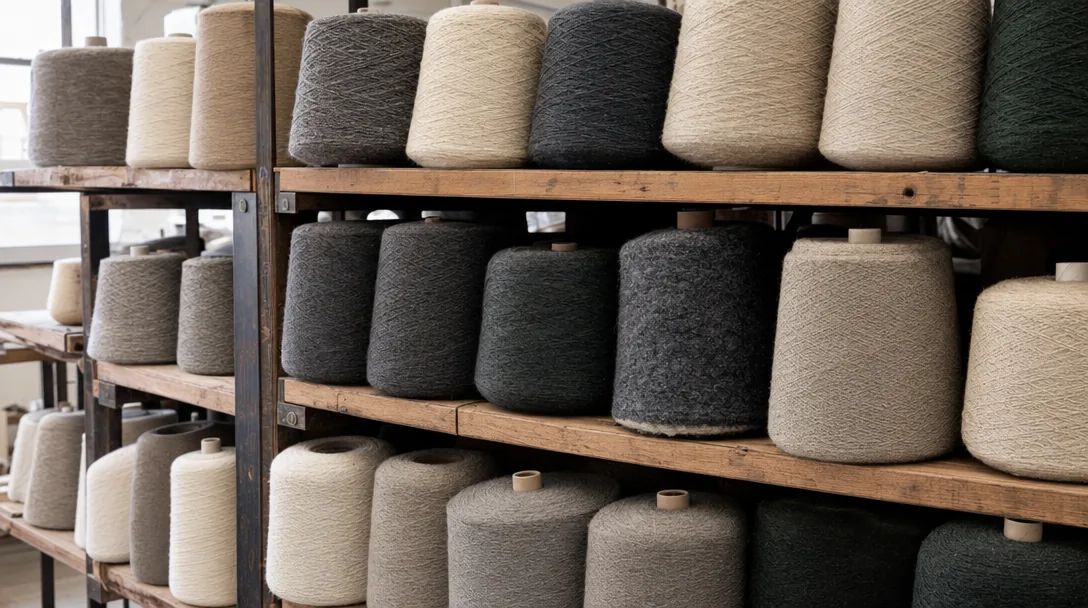
Cotton vs Polyester vs Wool: A Cap Fabric Decision Tree
Read article →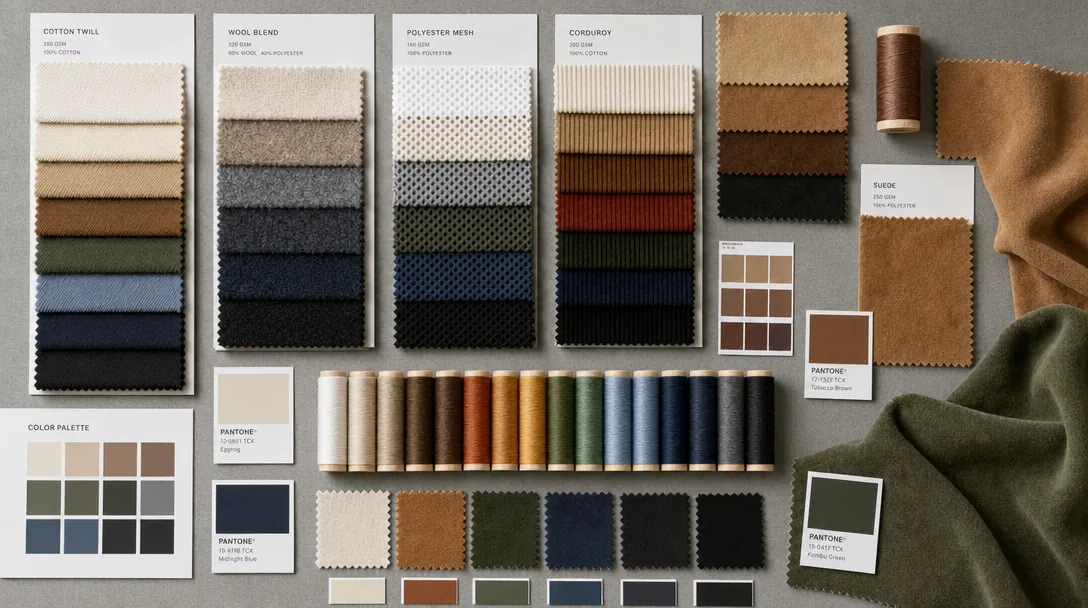
Sustainable Cap Packaging: Options, Costs and Retail-Buyer Demands
Read article →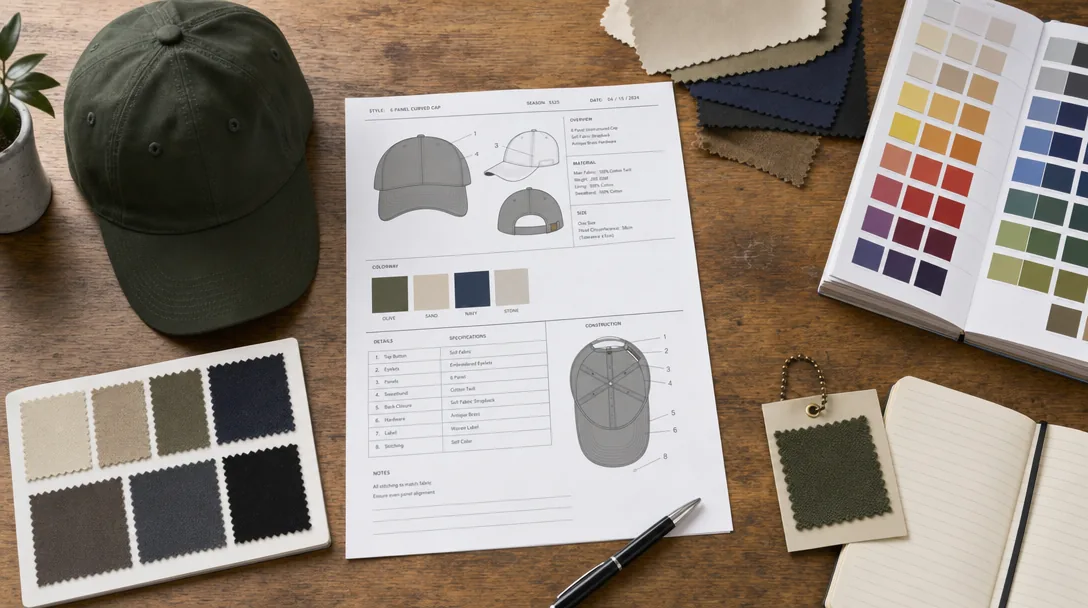
Hat Quality Inspection Checklist: 32 Points Every Importer Should Verify
Read article →Sourcing custom hats does not have to be complicated. With the right manufacturing partner, clear specifications and a small upfront investment in sampling, you can launch a retail-quality product in 30 to 45 days.