
Bucket Hat Corduroy Decoration QC Checklist for Custom Hat Buyers - Supplier Checklist
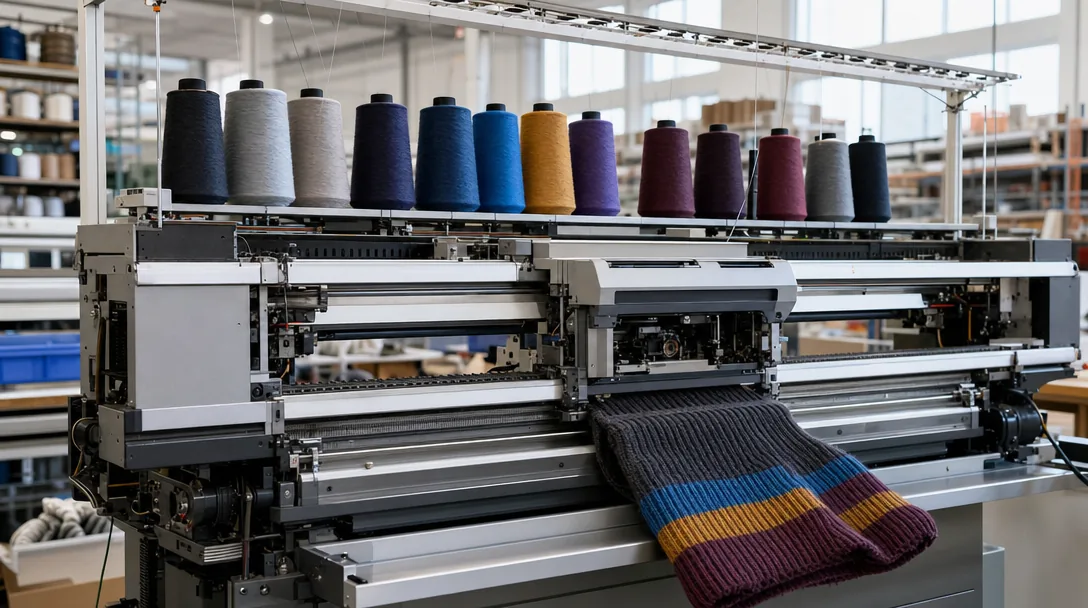
Bucket Hat Corduroy Decoration QC Checklist for Custom Hat Buyers - Supplier Checklist is one of the most-asked questions we receive from international buyers, and for good reason. With dozens of factories competing for your order and an alphabet soup of technical terms in every supplier quote, even experienced importers can feel lost. This guide consolidates what we have learned producing custom hats for clients in 40+ countries.
Why bucket hat corduroy decoration qc checklist needs a separate sourcing plan
A separate sourcing plan is necessary because corduroy fails long before final inspection, and a generic cap template usually misses the failure points. In a real bucket hat corduroy decoration qc checklist, the control points start at greige and lab dip approval: wale count, pile height, nap direction, roll-to-roll shade continuity, and fusible compatibility all need to be locked before cutting. On bucket hats, even a small nap mismatch between crown panels will flash under store lighting because corduroy reflects differently by direction; what looks acceptable on the cutting table can look like obvious panel shading at 1 meter. I would require the mill to identify each roll by dye lot, approve color to a sealed standard at Delta-E 1.0 to 1.5 under D65, and prohibit marker mixing across lots on dark shades like deep brown, navy, or black. Standard sourcing sheets also ignore pile recovery, seam grin on curved panels, and rib distortion after pressing, which are the exact issues that push corduroy hats into rework or second-quality stock. Decoration has to be sourced in parallel with the shell fabric because corduroy changes how embroidery, patches, and trims behave on the machine. A 14-wale or 16-wale cotton corduroy usually gives cleaner logo edges than an 8-wale base, but it also costs more—typically about $2.20 to $3.40 per meter versus $1.90 to $2.80, depending on cotton/poly blend, gsm, and finish. On Tajima, Barudan, or ZSK heads, flat embroidery on corduroy normally needs lower stitch density around 0.35 to 0.40 mm, plus a heavier cutaway backing, otherwise the artwork sinks into the ribs and loses legibility. Our standard practice is to test embroidery strike-offs before bulk fabric booking, because the same logo can look sharp on 16-wale and muddy on 11-wale. If the program includes metal trims, patches, or organic claims, the sourcing plan should also confirm trim pull compatibility, OCS or GOTS scope certificates, and workable MOQs; in production, 300 to 600 pieces per colorway is realistic, while very small runs often become uneconomical once shade continuity and decoration setup are controlled. Bulk QC also needs tighter, corduroy-specific tolerances because ribbed fabric exaggerates defects that would slide on flat twill. For a bucket hat corduroy decoration qc checklist, I would set minimum dry crocking at grade 4, wet crocking at 3-4, and dimensional stability within 3% after wash for any garment-washed program. AQL 2.5 still works for workmanship, but the inspection points need to expand: nap direction consistency on every panel, embroidery registration across uneven wales, eyelet placement without rib cracking, brim shape retention after carton compression, and shade review under both D65 and warm LED lighting. If the hats are for children, needle detection after finishing should be mandatory, and if the buyer requires supply-chain continuity, source factories should already hold current sedex-audit-cap-supplier-guide.html">BSCI 2.0 or Sedex SMETA 4-Pillar records. Those controls belong in sourcing and pre-production, not as a last-minute note on the final inspection report.
Factory capability checks before quoting
Start with demonstrated process capability, not a cheap unit price. For a real bucket hat corduroy decoration qc checklist, the factory should show recent bulk records for the same decoration method on bucket panels, not just clean logo photos from baseball caps. Ask for close-up strike-off images or physical swatches covering flat embroidery, 3D puff, woven patch, debossed PU or leather patch, screen print, and applique on 8-wale or 11-wale corduroy. You want to know what machines they actually run—Tajima, Barudan, or ZSK heads—whether digitizing is done in-house, and what backing recipe they use by fabric weight and wale height. On corduroy, poor underlay and aggressive density will crush the pile, split the wale, and distort circles after panel sewing. A capable team should be able to explain technical choices without guessing: when they move from a 75/11 to an 80/12 needle, why stitch spacing may be opened to about 0.35-0.40 mm, and why narrow satin borders often fail across raised ribs. Ask for the punch parameters, backing weight, edge finish, and pull compensation used on similar orders, plus wash and abrasion results if the decoration will be garment washed. Color claims also need discipline. Patch grounds, twill bases, and trims should be matched to Pantone TCX or Pantone C standards with a realistic Delta-E tolerance around 1.5-2.0 under D65 lighting, not approved by phone photos alone. If the supplier cannot discuss these points clearly, they are still learning on your PO.
Construction control is just as important because corduroy shading exposes bad cutting faster than most buyers expect. Get the exact shell specification before quoting: 100% cotton corduroy or cotton-spandex blend, wale count, finished fabric weight typically around 220-280 gsm for standard bucket programs, and tested wash shrinkage in warp and weft, preferably below 3%. Nap direction must run consistently across crown, sidewall, and brim. If the marker flips panels to improve yield, the finished hat will show obvious dark-light panel variation, and that becomes a sell-through problem even if the sewing passes basic inspection. Ask for brim structure details too: seam allowance, SPI, sweatband material, fusible type, and whether stiffness comes from nonwoven interlining, EVA foam, or double-shell construction. Before you approve pricing, verify sample-room responsiveness and QC discipline with numbers. A normal proto or fit sample should take about 5-7 working days; styles with custom woven patches, wash development, or deboss molds usually need 10-14 working days. The supplier should issue a usable spec sheet listing crown height, brim width, head opening tolerance of about +/-0.5 cm, and decoration placement tolerance of +/-2 mm. Finished inspection should be run to AQL 2.5, with defect photos tied back to the approved PP sample. Also confirm audit status early—BSCI 2.0 or Sedex SMETA 4-Pillar—because social compliance problems found after PP approval or deposit payment are expensive to unwind.
MOQ, pricing and sample approval
MOQ is the first real filter for whether a corduroy bucket hat project can be controlled properly. For stock 100% cotton 11-wale or 14-wale corduroy, most workable factory MOQs sit at 144-300 pcs per colorway; below that, you usually lose leverage on shade sorting, nap consistency, and spare panels for rework. The number climbs fast once the spec moves off stock: custom-dyed corduroy matched to a Pantone TCX, branded seam tape, custom eyelets, or a molded patch normally pushes MOQ to 500-800 pcs because mills want fuller dye lots and the cutting loss on corduroy is higher when pile direction must run one way. That point matters in any bucket hat corduroy decoration qc checklist, because decoration defects often start upstream with fabric allocation, not at final inspection. Setup costs should also be written as line items, not buried in a quote. Embroidery digitizing typically runs $25-60 per logo; woven-label setup is often $35-80; deboss, metal badge, or PVC patch tooling usually lands around $40-120 per design. If the shell uses GOTS or OCS-certified cotton corduroy, expect roughly 10%-18% higher fabric cost and fewer mills that can supply matching documents batch by batch. Mixed-decoration orders need even tighter control: embroidery, appliqué, and patch placement all react differently to corduroy pile, and logo appearance can shift just from nap shading, panel skew, or inconsistent fusing pressure during prep.
Sample approval is where the checklist becomes enforceable instead of aspirational. A proper PPS for corduroy should be signed against measurable standards: Pantone or thread-card approval, logo position tolerance, stitch density, brim topstitch count, and trim construction. On 11-wale corduroy, dense embroidery fills tighter than about 0.45 mm spacing are a common mistake; they flatten the pile, create shine marks, and make edges look ragged after pressing, especially on black, navy, and dark brown shades. Before approving embroidery, I would want to see underlay type, pull compensation, backing spec, and machine settings confirmed. Tajima, Barudan, and ZSK heads can sew corduroy cleanly, but only if presser-foot pressure and hoop tension are reduced for bulk fabric. Color approval needs hard tolerance, not verbal agreement. For shell fabric, a lab dip or bulk swatch should hold Delta-E under 1.5 against the approved standard under D65 lighting; embroidery thread is usually realistic at Delta-E under 2.0 because rayon and polyester threads reflect differently from brushed cotton pile. Before bulk cutting, the bucket hat corduroy decoration qc checklist should also lock timing and inspection terms: 7-10 days for PPS, 20-30 days for bulk production, and final inspection to AQL 2.5. Major defects should explicitly include seam puckering, brim topstitch deviation over 2 mm, pile crushing at decoration points, logo misalignment beyond 3 mm, loose thread ends over 5 mm, and trim pull failure below the agreed spec.
Quality inspection and shipping risk
Most failures on a corduroy bucket hat are obvious to the eye but expensive to fix after loading, so the only sensible control point is a pre-shipment inspection tied to a sealed sample. A workable bucket hat corduroy decoration qc checklist should set final random inspection at AQL 2.5 for major defects and 4.0 for minor defects, with measurements taken against an approved spec sheet, not against operator habit. On adult styles, I would hold finished head circumference to ±0.5 cm, brim width to ±0.3 cm, crown height to ±0.3 cm, and top-panel symmetry within 0.3 cm. Corduroy adds a fabric-specific risk: nap direction. If wale direction flips between crown panels, brim, or binding, the same dye lot can read like two different shades. Check that under a D65 light box first, then under warm store lighting around 3000K, because directional shading becomes more visible on raised pile fabrics. If the order carries an organic cotton or recycled-content claim, match the PO, care label, carton marks, and transaction certificate word for word; paperwork errors are a routine cause of customs delays and marketplace compliance disputes.
Decoration failure usually shows up after wear, not at carton close, so test data matters more than a clean PPS photo. For dark 8–12 wale cotton corduroy, require crocking results of at least grade 4 dry and grade 3-4 wet, plus wash and perspiration fastness when sweatbands, taping, or light-color linings can pick up dye. Embroidery needs its own reject standard: no loose trims, no birdnesting, no exposed bobbin thread on face, no needle cuts, and no registration drift over 1.5 mm. On corduroy, excessive stitch density or weak underlay will tunnel the wale and pucker the crown, even on properly tuned Tajima, Barudan, or ZSK heads, so compare bulk production against the digitized approval sample rather than judging stitch appearance in isolation. Shipping risk is usually self-inflicted through labeling and packing errors. Use 5-ply export cartons, confirm carton marks exactly match the booking and customer routing guide, and verify assortment, quantity, gross weight, net weight, and carton dimensions before release. Keep the sealed sample, measurement chart, Pantone TCX reference, embroidery file version, packing method, and final inspection report together as the reorder control file; that record set prevents repeat mistakes and shortens claim resolution if the goods are challenged on arrival.
Buyer checklist for the next RFQ
A quote only becomes comparable when the RFQ locks the construction variables that actually drive yield, sewing time, and rework risk. List crown height, brim width, size run, corduroy wale count, gsm, fiber content, and dye method up front; “cotton corduroy bucket hat” is not enough. A 14-wale 280 gsm reactive-dyed cotton behaves very differently from an 8-wale 320 gsm piece-dyed base when you cut panels, turn the brim, and topstitch over bulk, and at 1,000 pcs that gap can shift factory cost by roughly $0.35 to $0.80 per hat. A useful bucket hat corduroy decoration qc checklist should also define Pantone TCX targets, nap direction, and acceptable shade tolerance under D65 light. On navy, olive, and dark brown, anything beyond Delta-E 1.5 often reads as a mismatch once the pile reflects in opposite directions. If you are making sustainability claims, specify whether you need GOTS, OCS, or GRS transaction certificates, because those document requirements immediately narrow supplier options and can add 5 to 10 days to material booking.
The best RFQs separate engineering data from visual intent, but both need to be complete. The tech pack should show every point of measure in millimeters, seam type, SPI, eyelet quantity and finish, sweatband material, label positions, care label text, and the exact decoration method: flat embroidery, 3D puff, woven patch, screen print, or direct embroidery on the corduroy shell. If embroidery is involved, attach vector artwork in AI or EPS, target logo size, expected stitch count, thread brand or Pantone match, and backing spec. On Tajima, Barudan, or ZSK machines, a 6,000-stitch logo and a 12,000-stitch logo are not remotely the same cost, especially on corduroy where underlay, pull compensation, and column width have to be adjusted to stop the wale texture from swallowing edges. Keep acceptance standards inside the RFQ instead of negotiating them after sampling. State AQL 2.5 or 4.0, measurement tolerances by point, logo centering tolerance, brim waviness limit, loose-thread standard, needle detection requirement, carton dimensions, barcode format, and shipping term such as FOB Ningbo or DDP U.S. warehouse. Include required compliance at the first inquiry stage as well: BSCI 2.0, Sedex SMETA 4-Pillar, CPSIA labeling, REACH, or California Prop 65 if applicable. That single step prevents a common sourcing mistake—approving the cheapest sample from a workshop that can sew the hat but cannot pass the paperwork, audit, or final inspection standard your customer will enforce.
Working with CrownsForge
A usable bucket hat corduroy decoration qc checklist starts with a sealed PPS sample at the inspection table, not a JPG approval on email. Corduroy hides problems until you see the real cut parts: wale direction flips, pile crush, seam shading, and brim distortion can all look acceptable in a tech pack and still fail at retail. For 8-wale or 11-wale cotton corduroy, lock fabric weight within ±5% of the approved spec, verify shade under D65 light against the approved Pantone TCX reference, and hold dark shades to Delta-E 1.5 or tighter after finishing. Wash shrinkage needs to be confirmed before bulk cutting; once shrinkage pushes past 3% in either direction, crown height and brim balance start drifting enough to show on shelf. Placement also has to be checked from top and side view, because the cord ribs can create an optical offset of 2-3 mm even when the embroidery hoop is mathematically centered. Pre-production review should happen on the actual corduroy shell, never on substitute twill or canvas. Embroidery that runs clean on chino often sinks into cord pile, tunnels between wales, or creates puckering at the front panel. Reduce stitch density by roughly 10-15% versus flat twill, widen satin columns below 1.2 mm, and adjust underlay and pull compensation in the digitizing file before running on Tajima, Barudan, or ZSK heads. Measure brim-to-crown alignment, panel symmetry, label position tolerance, and visible seam shading against the sealed sample before the first bulk lay is cut. On better-grade organic cotton styles, mismatched wale direction, barre, random pile flattening, and uneven hand feel should be classified as first-quality defects, not waved through as cosmetic variation.
Decoration control is where most orders are either protected or quietly damaged. Small serif embroidery, tight borders, and dense fills are the usual failure points on corduroy because the pile breaks edge definition and exaggerates thread spread across the ribs. For front logos under about 55 mm wide, woven patches, chain stitch, or high-frequency labels are often more stable than forcing high stitch counts into the fabric. Inline QC should check puckering, needle cuts, skipped stitches, brim wave, thread tails over 3 mm, logo skew, and color variation lot by lot, then verify finished goods at AQL 2.5 with carton-level traceability by color, PO, and production date. CrownsForge standard practice is to keep the approved sample, inline findings, and final inspection measurements tied to the same lot records so disputes can be traced back to cutting and decoration conditions. Shipment standards belong inside the same bucket hat corduroy decoration qc checklist because corduroy crowns deform easily after packing. Specify light tissue filling or inner crown support, moisture-barrier polybags, and export cartons sized for stacking strength rather than minimum unit cost; a weak outer box can turn a passable final inspection into an arrival claim. Before cargo release, reconcile needle-control logs, metal detection records if required by the buyer, fiber-content test reports, carton drop results, origin labeling, and the packing list. For programs audited to BSCI 2.0 or Sedex SMETA 4-Pillar, that paperwork is not separate admin work; it is part of quality control because missing traceability documents can block shipment just as quickly as a failed shade band or decoration defect.
Frequently Asked Questions
Can I order a sample before bulk production?
Yes. We strongly recommend approving a pre-production sample before mass production. Samples are charged at 35 to 60 USD each plus express shipping, fully refundable against confirmed bulk orders over 500 pieces.
How long does production take?
Sampling takes 7 to 12 days. Bulk production runs 20 to 30 days depending on quantity, fabric availability and decoration complexity. Inspection and packing adds another 3 to 5 days before shipment.
Which shipping methods do you support?
We support FOB, CIF and DDP shipping. Air express for samples and small orders, sea LCL for 100 to 500 pieces, sea FCL for 5,000+ pieces. Door-to-door DDP available for US, EU, UK, Canada and Australia.
What logo decoration techniques do you offer?
3D puff embroidery, flat embroidery, woven patch, leather patch, PVC patch, screen printing, sublimation, applique and laser etching, all in-house with no subcontracting.
Do you support sustainability certifications?
Yes. We work with GOTS organic cotton, GRS-certified recycled polyester, OEKO-TEX Standard 100 fabrics, and are BSCI and Sedex audited. Certification documentation can be provided per order.
What should buyers know about organic cotton bucket hat?
When evaluating organic cotton bucket hat, the key considerations are construction quality, decoration capability, MOQ flexibility and lead time. Explain the buyer intent behind bucket hat corduroy decoration qc checklist, when it differs from generic hat sourcing, and what decisions affect cost, lead time and compliance. Describe how CrownsForge manages bucket hat corduroy decoration qc checklist programs with sampling, decoration, QC and export coordination.
What should buyers know about brown corduroy bucket hat?
When evaluating brown corduroy bucket hat, the key considerations are construction quality, decoration capability, MOQ flexibility and lead time. Explain the buyer intent behind bucket hat corduroy decoration qc checklist, when it differs from generic hat sourcing, and what decisions affect cost, lead time and compliance. Describe how CrownsForge manages bucket hat corduroy decoration qc checklist programs with sampling, decoration, QC and export coordination.
What should buyers know about bucket hat men nike?
When evaluating bucket hat men nike, the key considerations are construction quality, decoration capability, MOQ flexibility and lead time. Explain the buyer intent behind bucket hat corduroy decoration qc checklist, when it differs from generic hat sourcing, and what decisions affect cost, lead time and compliance. Describe how CrownsForge manages bucket hat corduroy decoration qc checklist programs with sampling, decoration, QC and export coordination.
What should buyers know about acrylic beanie hat?
When evaluating acrylic beanie hat, the key considerations are construction quality, decoration capability, MOQ flexibility and lead time. Explain the buyer intent behind bucket hat corduroy decoration qc checklist, when it differs from generic hat sourcing, and what decisions affect cost, lead time and compliance. Describe how CrownsForge manages bucket hat corduroy decoration qc checklist programs with sampling, decoration, QC and export coordination.
How much fabric do you need to make a bucket hat?
A reversible bucket hat won't take much fabric - about a fat quarters to a third of a yard of fabric should do for the outer fabric and about the same for the lining pieces.
Is corduroy good for hats?
The structure of corduroy lends itself well to various designs. Whether opting for a classic solid color or a more intricate pattern, the texture of corduroy adds depth and character, making it an ideal choice for hats.
What looks good with a bucket hat?
To dress up your bucket hat look, pair it with blazers, dress pants, and dress shoes. Balancing casual elements of the bucket hat with polished pieces creates a sophisticated yet relaxed ensemble perfect for smart-casual occasions.
What trends are popular for bucket hats?
Current Trends: In 2024, bucket hats are trending in winter fashion, made from quilted or Woolen Fabrics, and are paired with oversized jackets and boots. Versatility: Known for their casual, laid-back style, bucket hats provide sun protection and can be paired with various outfits.
Need a low-MOQ test order?
We help emerging brands launch with as few as 100 pieces. Premium fabric, in-house embroidery, retail-ready packaging.
Start a small orderRelated guides
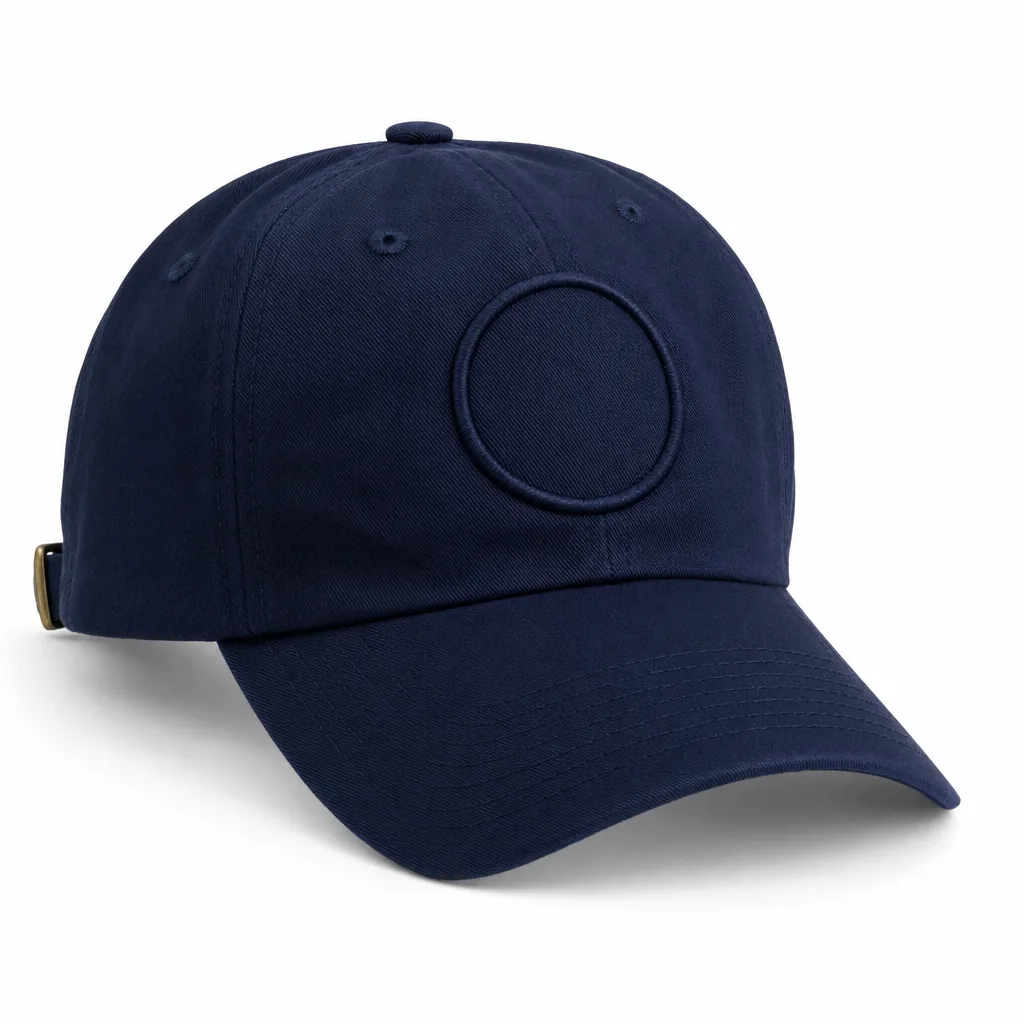
Custom Hat Embroidery: The 2026 Sourcing & Manufacturing Playbook
Read article →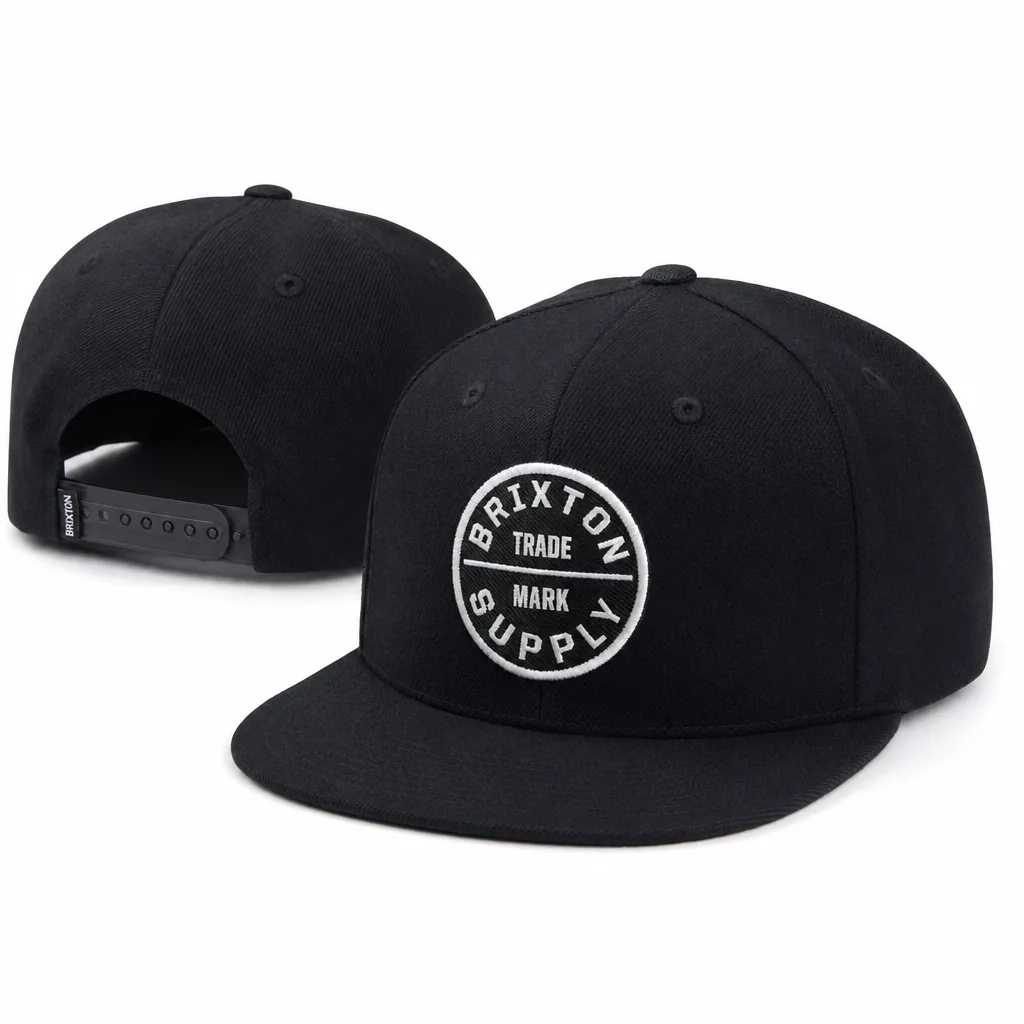
Festival Bucket Hats Reorder Planning Guide for Custom Hat Buyers
Read article →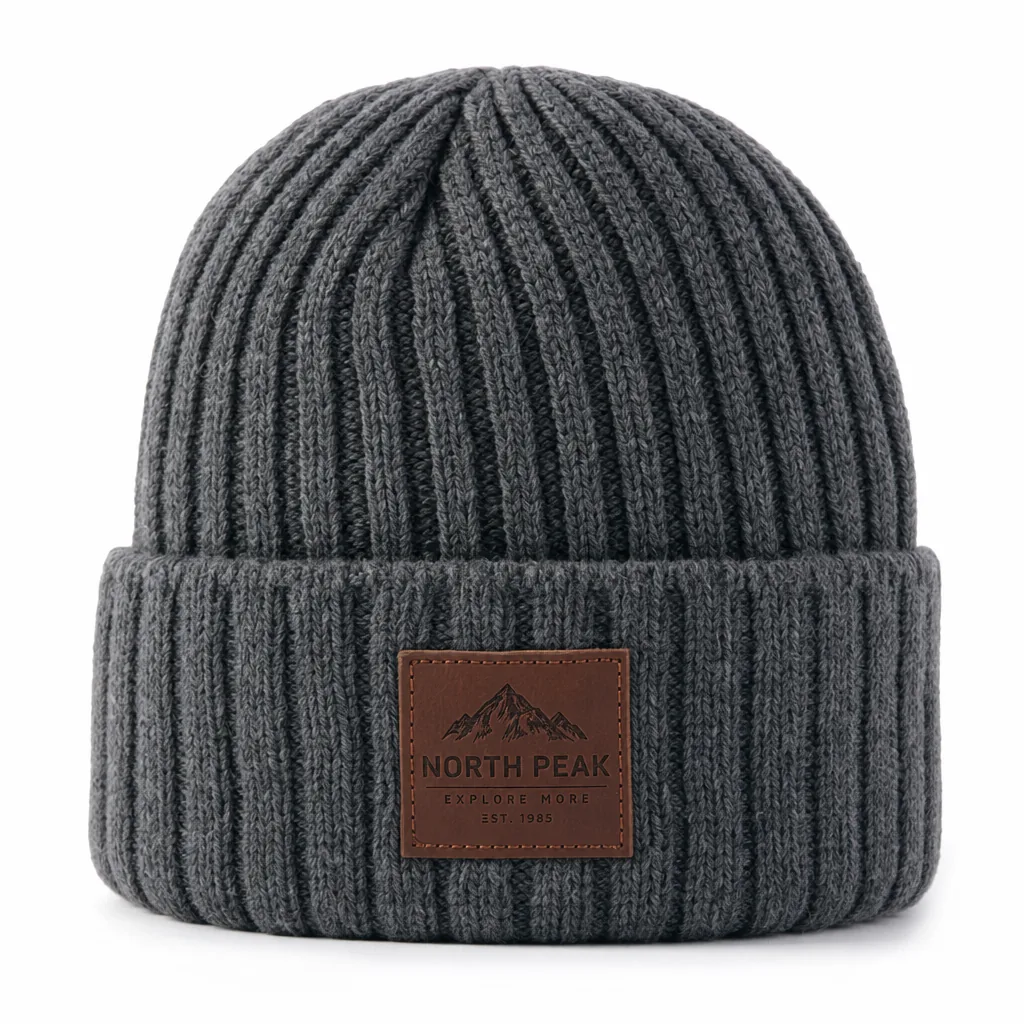
Merino Wool Beanie: Properties, Costs and How to Spec It Right - 2026 Buyer's Guide - Cost & MOQ Breakdown
Read article →Sourcing custom hats does not have to be complicated. With the right manufacturing partner, clear specifications and a small upfront investment in sampling, you can launch a retail-quality product in 30 to 45 days.