
Performance & Athletic Caps: Moisture-Wicking, UPF and Buyer Specs (2026 Update)
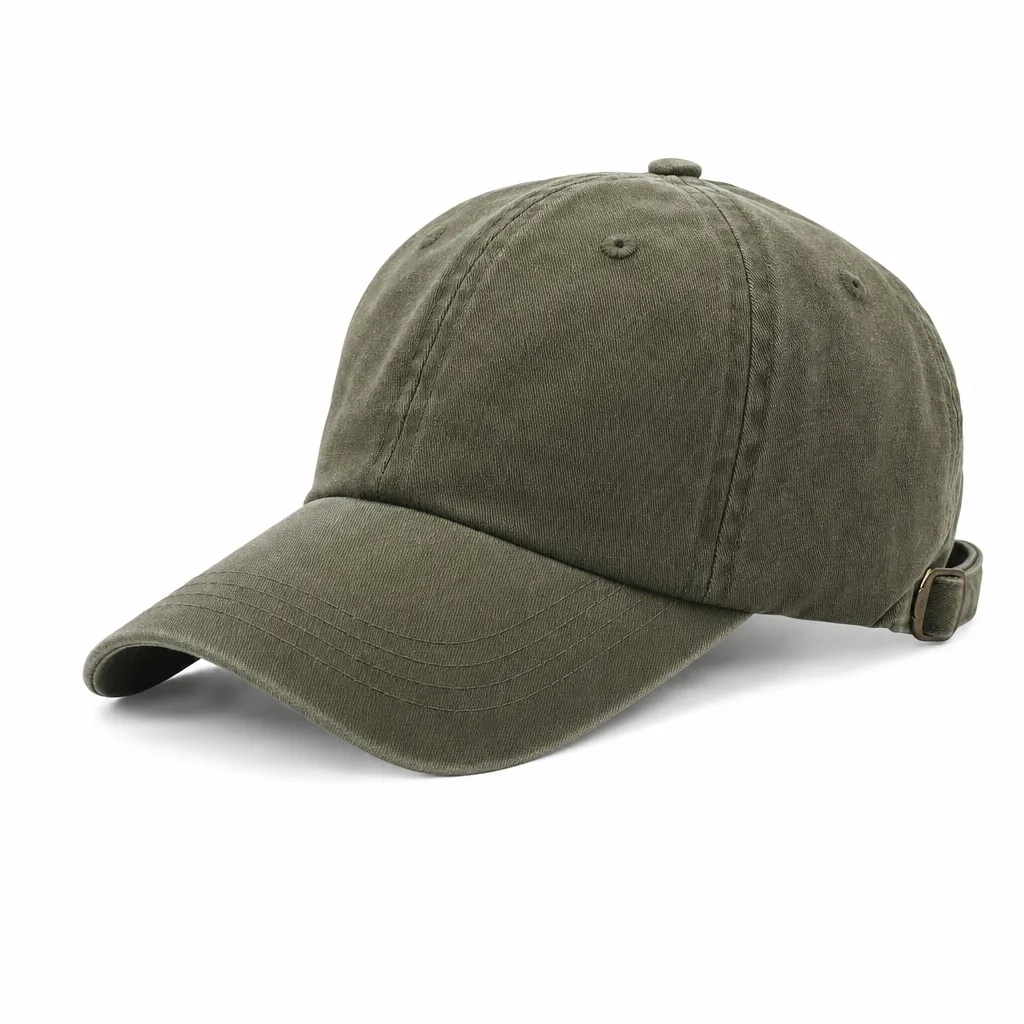
Performance & Athletic Caps: Moisture-Wicking, UPF and Buyer Specs (2026 Update) is one of the most-asked questions we receive from international buyers, and for good reason. With dozens of factories competing for your order and an alphabet soup of technical terms in every supplier quote, even experienced importers can feel lost. This guide consolidates what we have learned producing custom hats for clients in 40+ countries.
What makes a cap 'performance' vs 'standard'
A cap is only “performance” when the material package, pattern, and trims are engineered around heat, sweat, and motion. The first breakpoint is fabric chemistry. Real athletic shells are usually 100% polyester microfiber, recycled rPET dobby, or polyester-spandex stretch woven in the 95 to 140 gsm range, often with C0 or C6 wicking chemistry, mechanical stretch, or 8% to 12% elastane. Cotton twill and brushed chino still dominate standard caps at 180 to 260 gsm because they embroider cleanly and hold a retail silhouette, but cotton’s moisture regain sits around 7% to 8%; once it loads with sweat, drying time and perceived weight go in the wrong direction fast. If a buyer asks a performance cap manufacturer to copy a stock baseball cap in “sport fabric,” the result usually wears badly because the old pattern still carries seam bulk, front buckram, and unnecessary lining layers that trap heat.
The internal build tells the truth faster than the shell fabric. A genuine moisture-management sweatband is typically polyester-elastane at 85/15 or 90/10, brushed on the skin side, with recovery that still holds after 20 wash cycles; cheap cotton terry saves roughly $0.06 to $0.12 per cap, but it salts out, stays wet, and feels clammy once airflow drops. For running, golf, and training, finished cap weight should stay below 80 g; serious run-cap programs usually land around 55 to 72 g using an unstructured 5-panel crown, laser-cut vent holes or perforated side panels, seam-taped interiors, and a soft EVA or 0.8 to 1.2 mm HDPE visor insert instead of paperboard. Our standard practice is to reject “performance” samples that still need heavy buckram or multilayer front panels just to survive decoration, because that construction is built for shelf shape, not for sweat, laundering, and repeated flex.
UPF is where weak specs get exposed. Dense polyester can reach UPF 30+ by construction alone, but once you introduce mesh zones, micro-perforation, or low-gsm panels for airflow, UV protection often drops unless the mill adds UV-absorbing chemistry and the fabric is validated under AATCC 183 or AS/NZS 4399. A credible supplier should show fabric-level test reports, colorfastness to perspiration, crocking, and post-wash dimensional stability; a hangtag that says “UPF 50+” without lab data is not a spec. Dark colors usually hit UV targets more easily than pale team shades, so licensed programs often need tighter color control—typically Delta-E under 1.5 against approved Pantone TCX—while keeping the dye recipe compatible with UV performance. If the tech pack does not state shell gsm, vent method, sweatband composition, total cap weight, visor-core material, and verified UV results, you are not sourcing a performance cap; you are sourcing athletic styling on a standard cap platform.
UPF ratings: what's actually meaningful
A UPF claim is only credible when it belongs to the exact fabric construction and color you are buying, not a generic polyester certificate attached to a sales deck. UPF 30 allows roughly 3.3% UV transmission, UPF 50 allows 2.0%, and UPF 50+ under AS/NZS 4399 or AATCC 183 means the fabric tested below that threshold. On the factory floor, that difference usually comes from measurable variables: cover factor, yarn denier, filament count, dye depth, and whether the mill used a UV-absorbing finish during dyeing or finishing. A 120-160 gsm polyester micro-twill, tricot, or interlock often lands around UPF 20-35 before any special treatment. Push that same style into laser-perforated side panels, trucker mesh, sandwich mesh, or large sewn eyelets, and the finished cap no longer performs like the crown fabric report suggests. That is where buyers get burned. They spec UPF 50+ on the front panel fabric, then approve aggressive ventilation on the side and rear panels, which are the same zones catching long-duration sun exposure during golf, fishing, or field work. Any serious performance cap manufacturer should separate shell-fabric UPF from finished-cap exposure risk and state clearly which panels are protected and which are not. If the cap uses mesh in 75D to 150D polyester, expect a major drop in UV blocking regardless of what the solid panels achieve. The meaningful question is not “does this style have a UPF certificate,” but “which fabric code, in which color, on which panels, tested to which standard?”
Ask for a lab report on the exact mill fabric code, colorway, and dyed lot used for bulk production. Color changes UV transmission more than many buyers realize: black, navy, and deep red usually test stronger than white, sky, or pastel tones because higher dye concentration reduces transmission. If you expect repeat orders to hold the same UPF behavior, color approval cannot be loose; a bulk Delta-E tolerance around 1.0-1.5 is a practical control point for athletic programs and licensed merch. The mill should also confirm whether the rating comes from structure alone or from a chemical UV finish, then provide durability data after laundering. For retail-grade claims, I prefer seeing wash retention checked after 20 home launderings, not just a single pre-production test. Cost-wise, a real UPF 50+ upgrade is not huge, but it is never free. Denser knitting, finer filament polyester, higher cover-factor woven micro-twill, or a durable UV finish typically adds about $0.12-$0.35 per cap at 3,000 to 10,000 pieces, depending on fabric source and color count. I would spend that money only where exposure justifies it: golf events, tennis, fishing, coaching staffs, and all-day tournament wear. Our standard practice is to lock the UPF claim to the approved fabric lot, note any unprotected mesh zones on the spec sheet, and verify labeling and construction under AQL 2.5 before packing. That avoids the usual dispute where the factory supplied a compliant fabric but the finished cap design undercut the protection buyers thought they were purchasing.
Sweatband construction for athletic use
The sweatband is where an athletic cap either performs or fails. Standard 100% cotton twill or brushed cotton bands feel soft in a showroom sample, but once the wearer starts sweating, cotton absorbs fast, swells, and stays wet against the forehead. In field use that means heavier feel, salt-ring buildup, and more complaints about staining and odor retention after just a few wears. For a true moisture wicking cap, the better build is usually a polyester-elastane knit sweatband, commonly around 180 to 220 gsm with 8% to 15% spandex, because it pulls moisture off the skin and spreads it across the face fabric for faster evaporation. Any serious performance cap manufacturer should be discussing fiber content and knit structure here, not just crown fabric and back closure.
The construction details matter more than many buyers expect. A flatlock or low-bulk overlock join reduces forehead pressure, and a brushed-back warp knit often outperforms cheap circular knits because it keeps better recovery after repeated wash cycles. We normally test stretch recovery at around 15% extension and look for minimal torque after heat setting; if the band twists inside the cap after laundering, the wearer notices immediately. On running cap custom programs, I usually recommend black or dark-charcoal sweatbands even when the outer cap is light, because sunscreen, makeup, and salt marks are less visible and the claim rate stays lower. If the buyer wants branding on the inside, use a heat-transfer care label with controlled press temperature rather than a sewn label that can chafe during long wear.
For UPF programs, buyers sometimes focus only on shell fabric certification and miss that the sweatband affects comfort more than the UV rating does during actual use. A UPF 50+ microfiber cap with a saturated cotton band still feels hot and sloppy after 30 minutes on court or on a golf course. For an athletic hat custom or golf cap wholesale order, the practical spec sheet should call out sweatband composition, gsm, colorfastness grade, and wash performance, not just “sports sweatband” as a vague note. Our standard practice at CrownsForge is to lock the sweatband material before PPS, then verify perspiration colorfastness and seam security during inline inspection under AQL 2.5. That is also where an experienced upf hat manufacturer separates a real performance build from a generic promo cap with sports language added later.
Reflective trim, vented panels, and other athletic features
Reflective trim is a safety spec before it is a design feature. On run, cycling, and night-event programs, the placements that actually return light are the brim edge, rear arch, and the center-back seam from top button to closure; side-crown reflective often disappears once the wearer starts moving. For sewn-in applications, 3M Scotchlite or an equivalent certified retroreflective tape at 5 to 8 mm width is the safest spec, especially when inserted into a brim sandwich or back seam. Cheap reflective heat transfers look fine on approval samples, then start micro-cracking after 15 to 20 home-laundry cycles on 90 to 110 gsm shells, particularly 92/8 polyester-spandex and other high-stretch fabrics. On sub-65 g running caps, reflective piping can also create a second problem: too much seam bulk at the temple, plus puckering on ultralight woven panels during sewing. A good performance cap manufacturer should lock reflective trim specs before sublimation and heat-pressing are finalized, because reflective films are easy to damage with bad process control. Silver transfer stock can yellow, lose retroreflective return, or shift shade if it sits above roughly 160 to 165°C too long, and that failure usually shows up first on white, neon, and Pantone-matched programs where Delta-E tolerance is tight. We normally approve trim against a physical standard and reject visible color drift or weak reflectivity after wash and rub testing. If the buyer wants reflective logos instead of tape, keep the artwork simple and avoid fine serifs under 1.2 mm stroke width; small details tend to break up after repeated flexing on curved crown panels.
Ventilation only works when the shell fabric, reinforcement, and decoration method are engineered together. Laser-perfed panels on 70D to 150D recycled polyester microfiber or mini-ripstop can perform well, but unsupported holes cut into lightweight woven fabric will fray or tear near seams long before wear testing is finished. The better build is a light laminated support film or localized backing that stabilizes the cut edge without turning the panel stiff. Vent maps belong on the side and rear panels, not the front crown: once you perforate a buckram-backed area or an embroidery field, the panel loses shape and starts rippling. Ultrasonic cutting with welded seam tape is cleaner than metal eyelets and usually adds about $0.18 to $0.35 FOB per cap, but it materially reduces edge fuzz, wash puckering, and visible lamination defects on black, safety yellow, and other high-contrast shades. Decoration is where many vented athletic caps fail. A Tajima or Barudan sew-out above roughly 6,000 stitches on laser-perforated fabric can tunnel, collapse the panel, or distort the vent pattern, especially on unstructured 5-panel and soft 6-panel builds. Heavy front branding is usually better handled with TPU badges, silicone heat transfer, reflective HD print, or low-melt welded patches. At CrownsForge, QC on vented styles starts with seam-pull checks at vent junctions, then a 5-wash appearance review, and finally AQL 2.5 inspection focused on delamination, puckering, hole distortion, and misaligned vent maps. If the cap is sold as UPF-rated, keep perforation density realistic; aggressive vent fields can materially reduce effective coverage even when the base fabric tests well before cutting.
Color and design considerations for athletic positioning
Athletic buyers usually win with restraint, not contrast. Black, navy, graphite, stone, and optic white keep a cap credible in running, golf, and training channels because they hide sweat, coordinate with uniforms, and survive repeat programs without looking dated after one season. The real challenge is lot control. On mono-color programs, we hold shade variation to Delta-E 1.5 max across crown fabric, visor fabric, top button, sweatband edge binding, and hook-and-loop tab; once you drift past that, the cap reads pieced together under 4000K to 5000K retail LED. A competent performance cap manufacturer should also specify the color standard clearly: Pantone TCX for textile reference, lab dip approval before bulk, and visual sign-off under both D65 daylight and cool store lighting. Dark tonal branding works best when the logo is carried by finish and relief rather than contrast—matte TPU welds, silicone heat transfers at 0.3 to 0.5 mm thickness, debossed micro-injection patches, or low-run 3D embroidery on a Barudan or Tajima head with the thread shifted one tone deeper within the same Pantone family.
Performance positioning changes color blocking because airflow and weight matter more than shelf drama. The cleanest technical look usually comes from mixing surfaces in the same color, not adding extra colors: for example, a 110 gsm mechanical-stretch polyester woven on the front panels, 130 to 145 gsm birdseye or pinhole mesh on the side panels, and a low-density EVA visor insert with laser perforation hidden under the top cloth. That gives visible engineering at close range without turning the cap into a billboard. For golf, understated accents work harder than oversized front hits: reflective piping under 5 mm, dark charcoal underbrims to cut glare, or laser-cut vents backed with 20D tricot so the holes stay clean after 20 wash cycles. Decoration has to respect the fabric map. Dense front embroidery on ultralight 75D or 100D polyester will pucker the panel, reduce air permeability, and can shift the crown shape after sweat and heat exposure. We normally cap logo coverage at 18 sq cm on unstructured performance crowns and around 25 sq cm on lightly fused front panels, then test wash, crocking, and recovery before bulk approval. If a team or event version is needed, keep the shell unchanged and switch only one controlled branding zone—rear loop label, left-side weld badge, or printed seam tape—so fit, UPF rating, and moisture management stay validated under the same spec pack and AQL 2.5 inspection plan.
Pricing: performance fabric costs vs standard cotton
The real cost jump in athletic headwear is the shell fabric, not the logo application. A standard 6-panel cap in 260-280 gsm brushed cotton twill is still the baseline at roughly $1.55-$1.95 FOB China in a 3,000-5,000 piece run, depending on closure and embroidery count. Move that same pattern into 110-140 gsm polyester microfiber, 75D-150D moisture-wicking plain weave, or 120 gsm mini-ripstop, and ex-factory cost usually climbs by $0.40-$0.80 per unit before you touch trims. Once the spec includes mechanical stretch, cationic heather, laser-cut ventilation, or a bonded visor sandwich with EVA or perforated foam, the premium often exceeds $1.00 because marker efficiency drops, panel distortion increases, and sewing operators slow down to control puckering on light denier fabrics. Any competent performance cap manufacturer should quote against fiber content, denier, gsm, weave, and finishing method; if the line item only says “sports poly,” expect either a revised quote after lab dips or a downgrade to generic stock fabric with inconsistent handfeel and shade.
UPF is where cheap quotes get exposed. Mill-applied UPF 30+ or UPF 50+ finishing typically adds $0.20-$0.35 per cap at volume, but the testing and paperwork are what buyers forget to budget. AATCC 183, AS/NZS 4399, or UV transmission reports from SGS, Intertek, or Bureau Veritas can add $250-$600 per fabric/colorway unless the factory is running the same approved lot across multiple SKUs. Pale shades are the hardest combination: if you want a light Pantone TCX match with Delta-E below 1.5 and also expect UV performance to hold after perspiration and heat exposure, rejection risk goes up and so does fabric wastage. The sweatband upgrade is smaller money but more visible in wear testing. Replacing a basic cotton band with 140-180 gsm polyester mesh, brushed microfiber, or terry-backed moisture-management tape usually adds $0.10-$0.20 per cap, and in our standard practice that spend pays back faster than metal closures or contrast visor trims because athletes notice dry-down time, salt-ring resistance, and forehead abrasion on the first session.
Frequently Asked Questions
What file format should I send for my logo?
Vector files (AI, EPS, PDF) are ideal. High-resolution PNG or JPG at 300 dpi on transparent background works as a fallback. Provide Pantone color references for accurate reproduction.
What logo decoration techniques do you offer?
3D puff embroidery, flat embroidery, woven patch, leather patch, PVC patch, screen printing, sublimation, applique and laser etching, all in-house with no subcontracting.
Do you support sustainability certifications?
Yes. We work with GOTS organic cotton, GRS-certified recycled polyester, OEKO-TEX Standard 100 fabrics, and are BSCI and Sedex audited. Certification documentation can be provided per order.
Can I order a sample before bulk production?
Yes. We strongly recommend approving a pre-production sample before mass production. Samples are charged at 35 to 60 USD each plus express shipping, fully refundable against confirmed bulk orders over 500 pieces.
Which shipping methods do you support?
We support FOB, CIF and DDP shipping. Air express for samples and small orders, sea LCL for 100 to 500 pieces, sea FCL for 5,000+ pieces. Door-to-door DDP available for US, EU, UK, Canada and Australia.
How does ordering baseball cap custom logo work?
When evaluating baseball cap custom logo, the key considerations are construction quality, decoration capability, MOQ flexibility and lead time. Performance polyester adds roughly $0.40-$0.80 per cap vs standard cotton. UPF treatment adds another $0.20-$0.30. Sweatband upgrade adds $0.10-$0.20. Moisture-wicking fabric (typically polyester with wicking finish), moisture-wicking sweatband (usually polyester-elastane blend), lightweight construction (under 80g), and often UPF treatment.
What should buyers know about branded bills performance hat?
When evaluating branded bills performance hat, the key considerations are construction quality, decoration capability, MOQ flexibility and lead time. UPF 30 blocks ~97% of UV. UPF 50+ blocks 98%+. Most performance polyester fabric reaches UPF 30 naturally without chemical treatment. UPF 50+ usually requires treated fabric, which adds cost. Performance polyester adds roughly $0.40-$0.80 per cap vs standard cotton. UPF treatment adds another $0.20-$0.30. Sweatband upgrade adds $0.10-$0.20.
How much does branded bills custom hat cost typically cost?
When evaluating branded bills custom hat cost, the key considerations are construction quality, decoration capability, MOQ flexibility and lead time. UPF 30 blocks ~97% of UV. UPF 50+ blocks 98%+. Most performance polyester fabric reaches UPF 30 naturally without chemical treatment. UPF 50+ usually requires treated fabric, which adds cost. Moisture-wicking fabric (typically polyester with wicking finish), moisture-wicking sweatband (usually polyester-elastane blend), lightweight construction (under 80g), and often UPF…
How does ordering custom logo bucket hat work?
When evaluating custom logo bucket hat, the key considerations are construction quality, decoration capability, MOQ flexibility and lead time. Moisture-wicking fabric (typically polyester with wicking finish), moisture-wicking sweatband (usually polyester-elastane blend), lightweight construction (under 80g), and often UPF treatment. UPF 30 blocks ~97% of UV. UPF 50+ blocks 98%+. Most performance polyester fabric reaches UPF 30 naturally without chemical treatment. UPF 50+ usually requires treated fabric, which…
Ready to start your custom hat project?
Send us your tech-pack, sketch or even just an inspiration photo. We will respond with a detailed quotation and digital mock-up within 24 hours.
Request a free quoteRelated guides
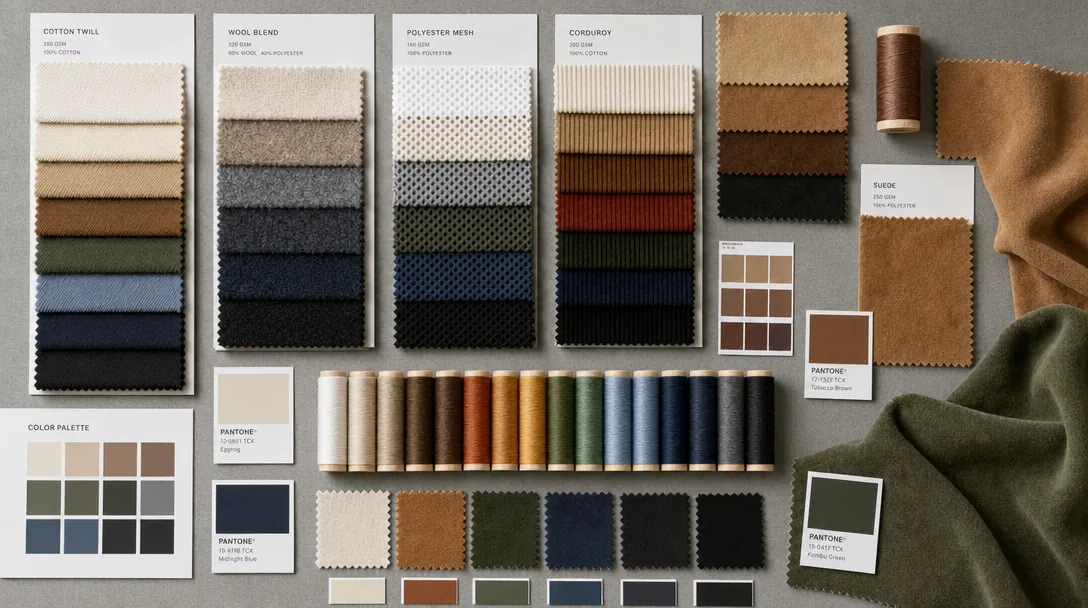
Camouflage Bucket Hat: Properties, Costs and How to Spec It Right
Read article →
5 Panel Hat Vintage: A 2026 B2B Sourcing Guide
Read article →
Ball Caps for Women: A 2026 Sourcing Playbook for International Buyers
Read article →We hope this guide demystifies performance & athletic caps: moisture-wicking, upf and buyer specs (2026 update) and helps you move forward with confidence. If you have questions specific to your project, our English-speaking sales engineers are one message away.