
Fedora Hats For Men Decoration QC Checklist for Custom Hat Buyers - Supplier Checklist
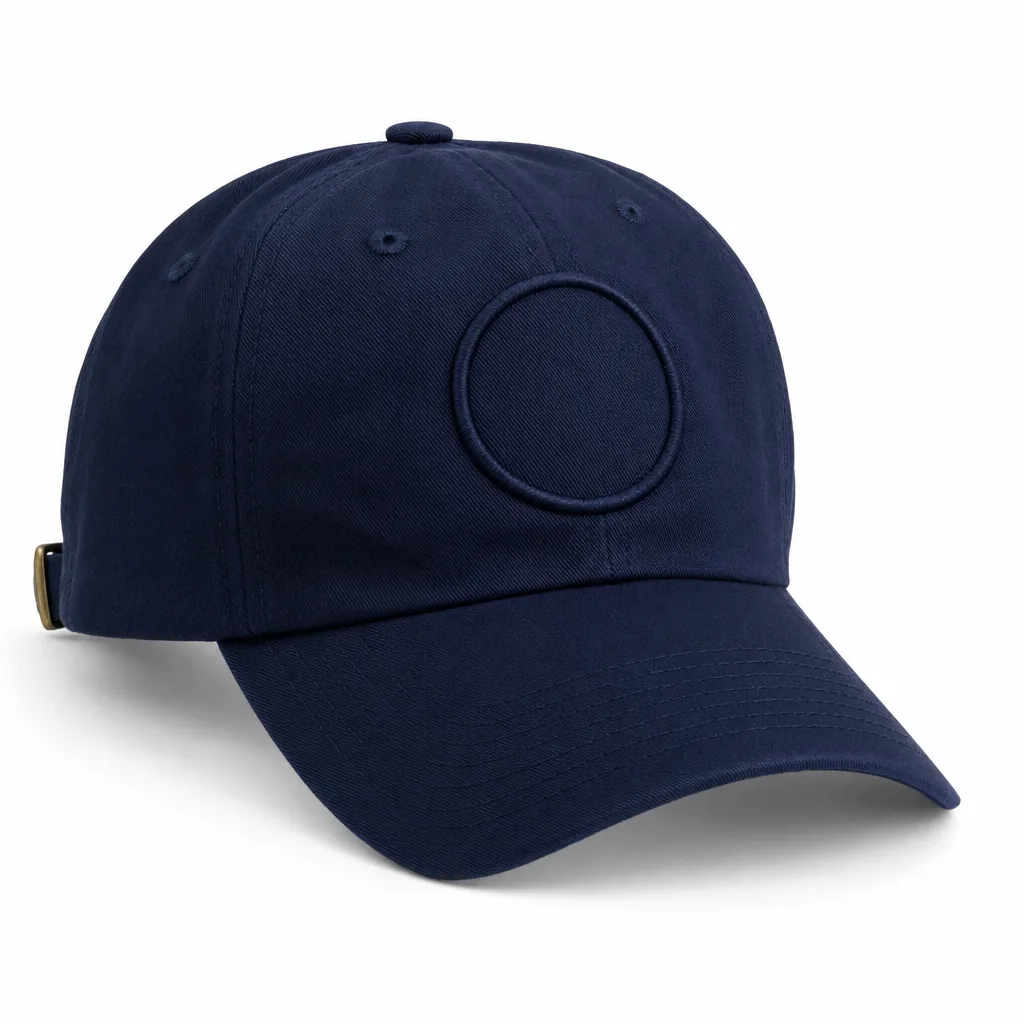
For brand owners, wholesalers and procurement teams entering the custom headwear category, fedora hats for men decoration qc checklist for custom hat buyers - supplier checklist is one of the highest-leverage decisions you will make. Get it right and your unit economics, retail story and reorder cycle all improve. Get it wrong and you carry the cost for years.
Why fedora hats for men decoration qc checklist needs a separate sourcing plan
Decoration drives failure risk on a fedora faster than the felt body does, so the fedora hats for men decoration qc checklist should be built into sourcing from day one, not added after price approval. A plain wool felt fedora with a stock 38 mm grosgrain band can usually move from PP sample approval to ex-factory in 15 to 20 days. Add a die-struck metal logo, embroidered sweatband label, printed satin lining, or custom-dyed band in Pantone TCX, and lead time can stretch another 7 to 12 days because each trim has its own sampling, color approval, and attachment method. On the floor, most preventable defects come from trim interaction: puckering after crown steaming, edge lift on heat-bonded patches above 120 to 130°C, misaligned ribbon joins over 3 mm, or embroidery pull on softer rabbit-hair blends. Those are not “hat defects”; they are decoration sourcing failures that should be controlled before bulk starts. A workable plan names the trim spec, machine process, and inspection gate in the PO. If the logo is embroidered, buyers should lock stitch count, backing type, thread brand, and run conditions on Tajima, Barudan, or ZSK heads; changing from 40 wt rayon to 120D polyester without re-approval will shift sheen and coverage immediately. If the band is dyed, require a lab dip within Delta-E 1.0 to 1.5 against the approved standard under D65 light, then check color migration after steam and rub. Inline inspection should use AQL 2.5 on logo position, stitch density, adhesive squeeze-out, band seam straightness, and carton segregation by colorway. At CrownsForge, we treat decoration sign-off as a separate hold point because reworking trims on a blocked fedora is slow, expensive, and often leaves press marks or needle scars that cannot be polished out.
Compliance is the second reason a separate sourcing plan is necessary. The base fedora may pass appearance and sizing, while the decoration fails the retail program. A leather badge can exceed formaldehyde limits, a plated pin can trigger nickel release issues under EU requirements, and a PU patch can fail odor or restricted phthalate screening even if the hat body is clean. Buyers should not accept broad statements like “eco material.” Ask for trim-level declarations covering REACH, azo dyes, and California Proposition 65 where relevant, plus test reports tied to the actual lot. For higher-risk programs, I would also request colorfastness to rubbing on dyed ribbons, hydrolysis resistance for PU trims, and tape or glue data sheets showing service temperature after steaming and transport. Traceability matters just as much as chemistry. The sourcing file should identify the exact trim supplier, revision-controlled artwork, approved counter sample, and the point where decoration is checked before assembly and again at final inspection. If the factory operates under sedex-audit-cap-supplier-guide.html">BSCI 2.0 or Sedex SMETA 4-Pillar, that control chain should extend to the trim vendor when possible, because subcontracted decoration is where undocumented substitutions happen. Put measurable tolerances in writing: badge placement ±2 mm, crown band overlap ±3 mm, visible glue zero tolerance, mixed plating zero tolerance, and lining print registration within 1.5 mm. That is what makes a fedora hats for men decoration qc checklist useful in sourcing terms; “same as sample” is not a specification, and it will not protect you when a trim vendor swaps material to save $0.08 per hat.
Factory capability checks before quoting
Start the quote by verifying what the factory can decorate in-house, because outsourced decoration is where fedora programs drift on both cost and lead time. A usable fedora hats for men decoration qc checklist should ask for exact machine capability: Tajima, Barudan, or ZSK head count; single-head sampling versus multi-head bulk capacity; and whether they have an internal digitizer who can adjust stitch density for felt, suede, and PU patches. Fedora bodies are less forgiving than baseball caps. Wool felt at 180-220 gsm equivalent density will scorch or show press shine if a heat-transfer vendor runs too hot, and teardrop crowns deform fast under poor hooping. For trims, ask whether they can execute edge-fold woven labels, debossed leather patches, merrowed appliqué, ribbon bands, and hand-set metal logo plates without telegraphing stitches through the crown. If they cannot show recent sample photos with the same substrate, assume they are learning on your order. Color and dimensional control need hard numbers before any quote means anything. Ask for Pantone TCX matching on band fabric, lining, and sweatband, plus an acceptable Delta-E target; on repeat orders, 2.0-3.0 is realistic for dyed textiles, while printed ribbon and heat-applied logos often drift wider if unmanaged. Fedora construction should be quoted by block shape and millimeter spec, not generic size labels: crown height, brim width, brim curl, grosgrain band width, sweatband material, and head circumference tolerance should all be stated. A competent room can tell you whether the body is blocked from 100% wool felt, wool-poly blend, or paper braid, whether the brim edge is raw cut or bound, and how much shrinkage they expect after steaming. At CrownsForge, if a supplier cannot define those variables up front, their decoration price is usually an estimate built on guesswork rather than process control.
The next filter is whether the factory understands fedora-specific stability, not just general hat sewing. Ask what blocks they physically own, how many sizes are available, and whether they can hold shape consistency across 300, 500, and 1,000-piece runs. A fedora is not a five-panel cap; brim stiffness, pinch-front definition, and band alignment all move during blocking, drying, trimming, and packing. Good suppliers can explain brim tolerances in millimeters, sweatband stitch count per inch, and whether they use buckram, reed, or only sweat-leather structure to maintain the silhouette. They should also be able to tell you how they cut felt cleanly without edge fuzz, what adhesive system they use under patches, and whether decoration placement is referenced from crown centerline or band seam. If those answers are vague, the quote is being built by a salesperson, not a production team. Finally, check audit readiness and operating discipline before accepting any low number. For volume orders, the factory should produce a current BSCI 2.0 or Sedex SMETA 4-Pillar report, recent AQL 2.5 inspection records, and a basic compliance file covering azo dyes, needle control, working hours, and carton drop standards. Sample turnaround should be concrete: 3-5 working days for revised artwork and 7-10 days for a physical proto is normal if materials are in stock. Ask how they pack mixed sizes, protect brim shape in export cartons, and label assortments for DDP or FOB shipments; poor pack-out adds hidden cost through deformation claims. A reliable merchandiser will also list quote exclusions clearly, such as mold fees, metal trim tooling, Pantone-dyed ribbon minimums, or split-carton surcharges, so the fedora hats for men decoration qc checklist functions as a pricing control document rather than a loose checklist.
MOQ, pricing and sample approval
MOQ is where fedora programs get misquoted, because buyers price them like 6-panel caps and ignore the blocking, ribbon, and hand-finishing labor. For fedora hats for men, 100-150 pcs per colorway is only realistic when the factory is using stock wool felt hoods or stock paper braid bodies, standard grosgrain widths, and existing crown blocks. Once you add a custom crown block, branded PU or sheepskin sweatband, woven tip label, size tape, and custom carton marks, the practical break-even usually moves to 300 pcs per style-color, and 500 pcs is common if the ribbon is custom dyed below a 300-meter minimum. Trial runs under 100 pcs can work, but the setup cost is spread too thin. A stock-body wool felt fedora with grosgrain band and simple side embroidery typically lands around $8.80-$13.50 FOB Ningbo at 300 pcs, while paper straw or PP braid versions are more often $6.50-$10.20 depending on brim width, crown height tolerance of plus or minus 3 mm, and trim count.
Decoration pricing should be separated from base hat cost, because burying it in a lump quote hides where approval problems start. Embroidery digitizing for fedora placement is usually $25-$60 per file; chenille patch setup, metal badge molds, or deboss tooling can push that to $80-$200. On Tajima, Barudan, or ZSK heads, fedora embroidery normally runs slower than baseball cap work because felt and braid distort under high density, so 600-750 rpm is a realistic operating range. A useful stitch standard is 0.35-0.45 mm spacing for fills, with underlay adjusted to felt firmness and backing weight instead of copied from cotton twill programs. In a fedora hats for men decoration qc checklist, approvals need measurable targets: Pantone TCX or Pantone C for ribbon and thread, Delta-E no higher than 1.5 for custom-dyed trims, artwork dimensions in millimeters, logo placement from the band seam within plus or minus 2 mm, and exact trim construction for feathers, woven labels, edge binding, and hardware finish.
PPS approval is where the order gets locked before cutting ribbon and blocking bodies, and one loose sample is not enough unless every bulk material is frozen against a signed spec. That spec should cover felt composition, body weight if using woven or braided shells, sweatband substrate, grosgrain width, brim edge finish, size set, care label text, carton dimensions, and inner packing method. Packaging changes are not minor: tissue crown support, molded crown inserts, individual polybags, and non-woven dust bags all change freight cube and how well the hat holds shape in transit. A printed non-woven dust bag usually adds $0.35-$0.80 per piece, while a custom rigid or color box can add $1.20-$2.50 depending on flute grade, lamination, and print coverage. The practical discipline is to tie PPS sign-off to a tolerance sheet, a decoration placement map, and a packing spec so final inspection can be judged to AQL 2.5 instead of opinions, which is the only way the bulk lot stays aligned with the approved sample.
Quality inspection and shipping risk
For a fedora hats for men decoration qc checklist, dimensional control comes before decoration. Lock the style code, size run, fabric lot, and approved sample before bulk cutting, then measure brim width, crown height, head circumference, sweatband stitch line, and bow placement against that master. On felt fedoras, I would hold wearable dimensions to +/- 0.3 cm and non-critical trims to +/- 0.5 cm; beyond that, a 58 cm block can turn into a hat that fits like a different size. Inspection should be written to AQL 2.5 for major defects and AQL 4.0 for minor defects, with the tolerance sheet signed off before production. If the buyer is approving by photo alone, the spec is already too loose.
Decoration defects are usually mechanical, not cosmetic. Embroidery needs checks for registration, underlay exposure, satin column density, thread tension, bobbin balance, stitch count, and edge fray, especially on Tajima, Barudan, or ZSK heads where a clean sew-out can still distort on stiff wool felt or brushed twill. For the fedora hats for men decoration qc checklist, color has to be tied to Pantone TCX or Pantone TPX references, not a verbal shade name, and delta-E should be checked against the signed-off sample under D65 light. I also want wet rub and dry rub fastness tests on dyed felt, cotton twill, and polyester sweatbands, because dye transfer from a dark band into a light crown usually shows up after packing, not on the sewing line.
Shipping risk starts with packaging discipline, not the freight booking. FOB works when the buyer controls consolidation and already has a freight forwarder; DDP is cleaner for smaller runs when the landed cost needs to be fixed before dispatch. Cartons should carry style number, color, size ratio, gross weight, net weight, carton count, and country of origin on at least two sides, and the packing list must match the inspection report line for line. CrownsForge keeps the golden sample photos, measurement sheet, trim card, embroidery file version, and defect tally in one order file, because repeat production drifts when that record is scattered. For a re-order, that file matters more than memory; if the factory cannot reproduce the same hat from documented evidence, it will not reproduce it from a purchase order alone.
Buyer checklist for the next RFQ
A usable fedora hats for men decoration qc checklist starts with dimensions and body specs, not mood-board photos. Put the exact silhouette on the RFQ: brim width and crown height in both inches and millimeters, size run, target quantity by color, and the blocking style if known. On a fedora, a 2 mm brim variance or 5 mm crown-height change is not cosmetic; it affects block selection, flange consistency, carton fit, and ultimately sell-through because the profile reads differently on head. Name the body material precisely: 100% wool felt, 65/35 wool-poly felt, paper straw braid, toyo, or Panama-style woven body, and include weight, grade, or braid count if your supplier can provide it. For color, attach Pantone TCX or a physical swatch and define tolerance up front. For dark fashion shades, a realistic factory target is Delta-E below 1.5 under D65 lighting against the sealed approval standard. Decoration specs need the same discipline because soft hat bodies magnify bad execution. Send editable vector artwork in AI or EPS, list the decoration method, and give maximum art size in millimeters with measured placement from the brim edge, hatband seam, bow, and front pinch. If embroidery is involved, call out flat stitch, 3D foam, satin, tatami, chain stitch, woven patch, or leather patch, plus minimum stroke width and stitch-density expectations. A logo that works on a 350 gsm twill cap can distort badly on felt, especially where the body has less support under the hatband. Also specify grosgrain width, bow construction, sweatband material, liner requirement, and any metal trim finish. On fedoras, a 3 mm placement drift is obvious in the front-quarter view, and that is exactly where buyers notice sloppy work first.
Before asking for a firm quote, send four-view reference photos, inside construction photos if available, size-break assumptions, packaging requirements, and your inspection baseline. A practical standard for this category is AQL 2.5 major and 4.0 minor, with defect definitions written out: uneven brim flange, waviness after pressing, visible glue bleed at sweatband joins, loose bow stitches, liner twisting, puckering around side embroidery, or color mismatch between hat body and grosgrain band. State compliance and audit requirements early if the order must sit under BSCI 2.0, Sedex SMETA 4-Pillar, REACH, or California Proposition 65 trim limits. If labels, barcodes, or country-of-origin marking are mandatory, put them in the first RFQ rather than after sampling. The cost levers on fedoras are usually hiding in trims, approvals, and logistics, not in the hat body alone. Include ex-factory target if you have one, prior sample comments, and known failure points from earlier runs. If the program includes embroidery, mention whether previous registration drift occurred on Tajima, Barudan, or ZSK heads; that tells the factory whether the issue was digitizing, hooping, or substrate instability. Also lock the approval route: lab dip, strike-off, pre-production sample, top sample, or shipment sample. Our standard practice is to freeze packaging before final quoting because dust bags, insert cards, 12-piece versus 24-piece carton packs, low-MOQ color splits, and DDP delivery can move landed cost by $0.60 to $2.50 per hat. A disciplined fedora hats for men decoration qc checklist reduces sampling rounds, shortens lead time, and prevents avoidable claim discussions after goods are on the water.
Working with CrownsForge
A workable fedora hats for men decoration qc checklist starts at material release, because most decoration defects on fedoras are really substrate-control failures. Wool felt should be matched to the approved standard under D65 light, with shade held to Delta-E below 1.5; if the body is polyester suiting or twill, I would still lock the lab dip and bulk roll against the same tolerance because ribbon and patch colors read harsher on a smooth shell. Paper braid needs braid width controlled within +/-0.5 mm and visible splice points flagged before blocking, otherwise the band line will never sit clean. At CrownsForge, we freeze a sealed pre-production sample with crown height, brim width, snap angle, sweatband stitch count, and trim position in millimeters before any badge, patch, or embroidery goes into bulk. That matters more on a fedora than on a 6-panel cap: a 2 mm placement drift at the side band is obvious because the grosgrain edge, pinch crown, and brim break create hard visual reference lines. Decoration approval has to follow the exact production route, not a cosmetic mockup. If the style carries grosgrain ribbon, test both the ribbon and the hat body for crocking and color transfer in humid conditions; dark navy and black trims can still bleed onto camel or light gray felt after 20 to 30 days in packed cartons. For metal ornaments, check plating adhesion with a 3M tape test, inspect reverse-side burrs, and verify rivet compression so the back does not print through the sweatband after stacking. If embroidery is used, strike off on the same Tajima, Barudan, or ZSK head count planned for bulk, using the actual thread denier and backing spec, then inspect edge definition, puckering, and needle penetration on curved zones where felt can split. Logo angle also needs a fixed datum relative to the pinch crown and side seam; a patch can be clean in workmanship and still fail visually if it rotates even 3 degrees.
Bulk QC should be staged, because a final AQL pass will not rescue a fedora line that started with bad trim alignment. I would check incoming ribbon, badges, patches, and sweatbands first; then the first 20 finished pieces off line; then inline audits on at least 20% of output; and only after that run a final inspection at AQL 2.5 for major defects and 4.0 for minor defects. Use a hard template to measure brim width, internal head size, band overlap, and decoration placement from the brim edge and side seam. The repeat reject points on men’s fedoras are glue bleed under ribbon folds, skewed hatbands, inconsistent bow size, split felt around embroidery needles, and barcode labels stuck directly onto leather or PU sweatbands. Those are not cosmetic details; they create chargebacks and rework fast. Packing is part of the fedora hats for men decoration qc checklist because structured brim products fail in transit differently than baseball caps. Confirm inner crown support, brim separators, carton burst strength, and stacking limits before FOB Ningbo or Shanghai booking, or before DDP air dispatch if lead time is tight. A 5-layer carton that works for soft caps often collapses under layered felt hats, especially once humidity rises above 70% RH. For compliance-driven buyers, the handover file should include sealed sample photos, inline and final inspection reports, carton specifications, country-of-origin labels, and any relevant social audit documents such as BSCI 2.0 or Sedex SMETA 4-Pillar. If that packet is incomplete, problems surface later at warehouse intake, not on the factory floor where they are cheapest to fix.
Frequently Asked Questions
Which shipping methods do you support?
We support FOB, CIF and DDP shipping. Air express for samples and small orders, sea LCL for 100 to 500 pieces, sea FCL for 5,000+ pieces. Door-to-door DDP available for US, EU, UK, Canada and Australia.
Do you support sustainability certifications?
Yes. We work with GOTS organic cotton, GRS-certified recycled polyester, OEKO-TEX Standard 100 fabrics, and are BSCI and Sedex audited. Certification documentation can be provided per order.
What file format should I send for my logo?
Vector files (AI, EPS, PDF) are ideal. High-resolution PNG or JPG at 300 dpi on transparent background works as a fallback. Provide Pantone color references for accurate reproduction.
How long does production take?
Sampling takes 7 to 12 days. Bulk production runs 20 to 30 days depending on quantity, fabric availability and decoration complexity. Inspection and packing adds another 3 to 5 days before shipment.
What logo decoration techniques do you offer?
3D puff embroidery, flat embroidery, woven patch, leather patch, PVC patch, screen printing, sublimation, applique and laser etching, all in-house with no subcontracting.
What should buyers know about baseball hats men's?
When evaluating baseball hats men's, the key considerations are construction quality, decoration capability, MOQ flexibility and lead time. Explain the buyer intent behind fedora hats for men decoration qc checklist, when it differs from generic hat sourcing, and what decisions affect cost, lead time and compliance. Describe how CrownsForge manages fedora hats for men decoration qc checklist programs with sampling, decoration, QC and export coordination.
How does ordering custom fitted hats work?
When evaluating custom fitted hats, the key considerations are construction quality, decoration capability, MOQ flexibility and lead time. Explain the buyer intent behind fedora hats for men decoration qc checklist, when it differs from generic hat sourcing, and what decisions affect cost, lead time and compliance. Describe how CrownsForge manages fedora hats for men decoration qc checklist programs with sampling, decoration, QC and export coordination.
How does ordering custom embroidered baseball hats work?
When evaluating custom embroidered baseball hats, the key considerations are construction quality, decoration capability, MOQ flexibility and lead time. Explain the buyer intent behind fedora hats for men decoration qc checklist, when it differs from generic hat sourcing, and what decisions affect cost, lead time and compliance. Describe how CrownsForge manages fedora hats for men decoration qc checklist programs with sampling, decoration, QC and export coordination.
How does ordering baseball cap custom made work?
When evaluating baseball cap custom made, the key considerations are construction quality, decoration capability, MOQ flexibility and lead time. Explain the buyer intent behind fedora hats for men decoration qc checklist, when it differs from generic hat sourcing, and what decisions affect cost, lead time and compliance. Cover embroidery, patch, fabric, panel construction, closure options, sample room capability, audit readiness and communication checks.
What is fedora etiquette?
In a private. Space as well as in church or in any place of worship.
Need a low-MOQ test order?
We help emerging brands launch with as few as 100 pieces. Premium fabric, in-house embroidery, retail-ready packaging.
Start a small orderRelated guides
Merino Wool Beanie: Properties, Costs and How to Spec It Right - 2026 Buyer's Guide - Cost & MOQ Breakdown
Read article →
Cotton vs Polyester vs Wool: A Cap Fabric Decision Tree - 2026 Buyer's Guide
Read article →
Festival Bucket Hats Fabric And Trim Spec Guide for Custom Hat Buyers
Read article →If you are ready to take the next step on fedora hats for men decoration qc checklist for custom hat buyers - supplier checklist, our team can put a tailored quotation and digital mock-up in your inbox within 24 hours. Send the inquiry form on our contact page or message us directly on WhatsApp.