
BSCI vs Sedex vs WRAP vs WCA: Compliance Audit Standards Compared (2026 Update) (2026 Update) - Supplier Checklist
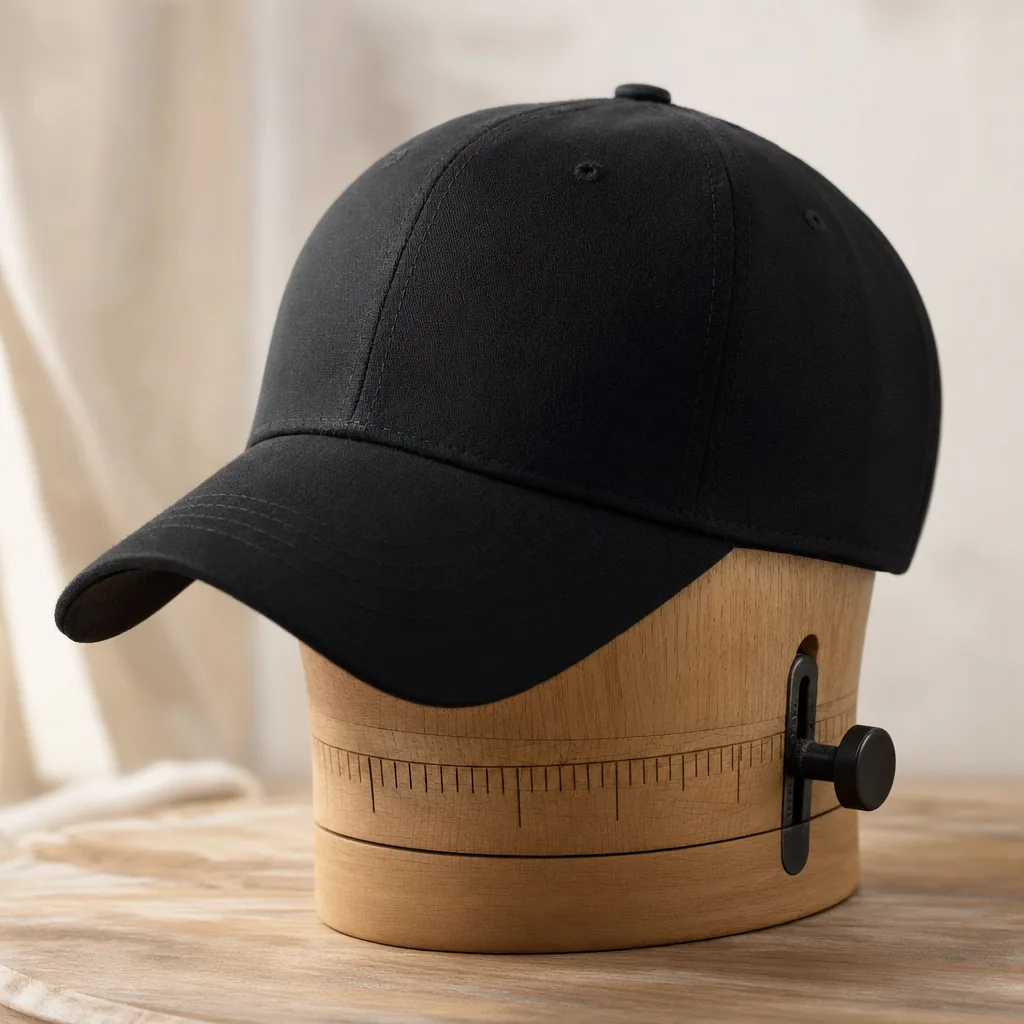
Every week, our sales team answers detailed questions about bsci vs sedex vs wrap vs wca: compliance audit standards compared (2026 update) (2026 update) - supplier checklist. We wrote this guide so that wholesalers, streetwear brands, corporate buyers and promotional resellers can compare options with full information, and avoid the traps that show up only after production has started.
The four audits hat factories actually hold
For a China hat factory shipping real volume, the list of social audits that buyers actually accept is short: amfori sedex-audit-cap-supplier-guide.html">BSCI 2.0, Sedex SMETA, WRAP, and WCA. In any serious BSCI vs Sedex SMETA discussion, the practical difference is audit depth and audit angle, not just logo recognition. BSCI 2.0 is stronger when an EU retailer wants evidence of management-system control over wages, working hours, contracts, disciplinary practice, and corrective-action closure across a rolling 12-month record set. Auditors usually sample payroll, attendance, labor contracts, leave records, and grievance logs month by month, then test whether peak-season overtime stays inside legal limits and whether consent forms are signed and traceable. SMETA 4-Pillar covers labor standards too, but it pushes harder into EHS and operational controls: chemical labeling under GHS, secondary containment, eyewash access, machine guarding, electrical panels, emergency lighting, waste transfer manifests, and business-ethics controls around subcontracting and bribery. On the factory floor, SMETA tends to surface blocked exits, missing SDS files, or poor needle-disposal controls faster; BSCI more often exposes weak payroll reconciliation, inconsistent rest-day records, or incomplete remediation tracking.
WRAP and WCA sit in different buying channels, and that matters more than theory. WRAP is widely recognized by US importers, licensed headwear programs, and promotional-product buyers because the standard is familiar and portable across accounts; in practice, buyers read the certification level and validity period before they read the findings. Platinum is typically valid for 12 months, while Gold or Silver usually signals either a shorter certification window or prior non-compliance that required tighter follow-up. WCA is less transferable but more decisive when the customer is tied to Walmart’s compliance system: if the factory name, site address, dorm scope, or subcontractor declaration does not match the record in the buyer’s portal, the order can stall even if another audit is technically current. The real procurement question is simple: which report will clear vendor setup without a second audit. For cap factories, that means keeping payroll, timecards, age documents, fire-drill logs, PPE issuance, needle-control records, wastewater or waste-hauler receipts, and process scope aligned to the exact legal entity on the commercial invoice and purchase order.
BSCI 2.0 scope and audit process
BSCI 2.0 is wider than many buyers expect. The amfori Code of Conduct is tested across 13 performance areas, so auditors do not just scan payroll and leave. They reconcile monthly attendance logs against swipe-card data, piece-rate sheets, production reports, and bank transfer records to see whether hours and wages actually match. On a cap line, they will walk from cutting to embroidery, sewing, finishing, packing, and any warehouse or dormitory tied to the entity being audited. Common failure points are basic but costly: missing age-verification files for temporary workers, overtime that exceeds local law or buyer policy, unlabeled chemical decant bottles, blocked fire exits, and PPE issued on paper but not worn at the heat-transfer press or eyelet machine. Worker voice is another real test. If the grievance channel has no confidential route, no responsible manager, and no closure log, auditors usually record it as a management-system weakness rather than a trivial gap.
The audit itself is evidence-driven and tightly sequenced. For a factory with roughly 150 to 300 workers, expect 1 to 2 audit days, with duration pushed upward if there are multiple buildings, dorms, canteens, or subcontracting exposure. The usual flow is opening meeting, site inspection, document review, payroll and time-record sampling, private worker interviews, and a closing meeting where findings are graded and corrective actions are assigned. Only amfori-approved audit firms can issue a valid BSCI report, and buyers typically treat the result as current for about 12 months, although major findings can trigger faster CAP closure or a follow-up visit. In practical BSCI vs Sedex SMETA terms, the difference buyers notice first is reporting logic: BSCI 2.0 is built around amfori’s performance areas and rating method, while SMETA is a Sedex reporting methodology with either 2-Pillar or 4-Pillar scope. On the factory floor, though, both will expose the same weak controls if payroll, EHS, and HR records do not reconcile.
Sedex SMETA 4-Pillar scope and process
When buyers ask for Sedex, they usually mean SMETA 4-Pillar, not the stripped-down 2-Pillar format. That distinction is where a lot of the confusion starts in any BSCI vs Sedex SMETA discussion. The 4 pillars are Labor Standards, Health and Safety, Environment, and Business Ethics, but auditors still spend most of their time on labor controls because that is where contradictions surface fastest. They will cross-check payroll, attendance, labor contracts, ID and age-verification files, resignation records, disciplinary warnings, grievance logs, and worker interview notes against what supervisors say on the floor. In a 100 to 150-worker cap factory, sampling is usually risk-based rather than purely random; sewing lines, embroidery, finishing, packing, warehouse, and dormitory residents are often split into separate interview pools because overtime exposure and wage calculation methods differ by department. SMETA is not a certificate standard like WRAP, and Sedex itself does not conduct the audit. The visit is carried out by an approved audit firm such as SGS, Intertek, Bureau Veritas, QIMA, or TÜV SÜD, then the report and CAPR are uploaded to the Sedex platform for buyer review. A typical 4-Pillar audit for an 80 to 200-worker factory takes about 2 to 3 auditor-days on site, with the report generally treated as current for 12 months unless a critical non-conformity triggers a follow-up. Direct audit cost in China commonly lands around USD 1,000 to 1,800, rising if dormitories, multiple workshops, or off-site warehouses are in scope.
The extra two pillars expose weak management systems very quickly. On Health and Safety, auditors will check machine guarding on Tajima, Barudan, or ZSK embroidery heads, needle-control logs, emergency-stop functionality, electrical panel clearance, lockout/tagout practice, fire-door accessibility, extinguisher inspection tags, evacuation drill records, PPE issuance, first-aid roster coverage, and canteen sanitation if meals are provided. Environment under SMETA is not as deep as an ISO 14001 audit, but it still requires legal basics: waste segregation, hazardous chemical labeling, wastewater routing, permit files, and evidence that any outsourced washing, printing, or dyeing vendor is operating legally. If a factory claims there is no wet process on site, auditors will still trace subcontracting records to confirm where that environmental risk has been shifted. Business Ethics is the pillar most suppliers underestimate, and it is often what separates a clean-looking factory from a credible one. Auditors want to see an anti-bribery policy, complaint and whistleblowing channels, gifts and hospitality controls, and clear approval rules for subcontracting and labor agents. They will also test whether declared production capacity matches actual order volume; if a factory with 96 machines and 110 operators is booking output that obviously requires undeclared subcontractors, that becomes a management-integrity issue, not just a planning problem. Our standard practice before a SMETA visit is to reconcile at least 3 months of payroll and attendance, verify that subcontractor declarations match PO history, and inspect fire-safety service dates building by building, because in BSCI vs Sedex SMETA comparisons, the biggest failures usually come from records, floor conditions, and worker testimony not matching each other.
WRAP scope and process
WRAP is narrower than the frameworks buyers compare in BSCI vs Sedex SMETA, but it is usually tougher on whether the factory can prove shop-floor control on the day of the audit. The 12 WRAP Principles are not abstract; auditors want line-by-line evidence tying policy to execution. In a cap factory that means government-issued ID and age verification files, signed labor contracts in Chinese, attendance records matched against payroll and piece-rate sheets, social insurance enrollment, disciplinary records, emergency drill logs, machine guarding, lockout procedures, and chemical storage with secondary containment. They also go straight to operational controls that are easy to fake on paper but obvious in production: broken-needle logs on Tajima, Barudan, or ZSK embroidery heads, PPE issuance at eyelet punching and heat-transfer stations, and traceable rework records when children’s programs require needle accountability or metal detection.
A WRAP audit is commonly 1 to 2 on-site days, but the sampling is deeper than many suppliers expect. Approved firms such as Intertek, Bureau Veritas, and TÜV typically review 12 months of wage, hour, and leave records, reconcile timecards to payroll, test legal-limit compliance against local law, and interview workers from sewing, embroidery, finishing, packing, warehouse, canteen, and dormitory areas if housing is employer-managed. In Zhejiang hat production, the repeat findings are predictable: overtime above the legal monthly cap during peak shipment weeks, no defensible proof of one rest day in seven, unsigned subcontractor declarations for overflow embroidery or washing, expired extinguisher inspection tags, blocked egress, missing SDS in ink or cleaning-chemical rooms, and dormitory exits without compliant illumination. WRAP certification level matters in practice: Platinum generally follows three consecutive years of certification and carries 2-year validity, Gold is typically valid for 1 year, and Silver is often 6 months with follow-up risk. Buyers should not treat those certificates as interchangeable, especially for licensed caps, sports merchandise, and retail programs where shipment release can depend on the rating, not just the presence of a certificate.
WCA scope and process
WCA is a retailer-gated social compliance audit, not a general-market credential. It is used inside Walmart and Sam’s Club vendor onboarding, risk review, and shipment authorization, and the report is typically treated as current for 12 months unless a major nonconformance forces earlier re-audit or CAP verification. That is the key distinction in any BSCI vs Sedex SMETA comparison: a factory can hold a clean Sedex SMETA 4-Pillar report or a BSCI 2.0 result and still be blocked from a Walmart program, because WCA sits in a separate acceptance workflow with its own approved audit firms, scoring logic, and corrective action deadlines. It functions more like a gatekeeper than a transferable badge.
The scope overlaps with a standard social audit, but the evidence check is tighter. Auditors still test working hours, wages, benefits, contracts, minimum age, discrimination, dormitories where applicable, health and safety, environmental controls, and management systems, but they reconcile those records against production reality line by line. In a cap factory, the usual weak points are piece-rate sheets for sewing and hand-finishing, overtime spikes before ex-factory dates, subcontracting declarations for washing or embroidery, and chemical traceability for inks, spot cleaners, and adhesives. A competent team will sample employee files, compare 3 to 12 months of timecards and payroll, verify fire exits, aisle width, emergency lighting, and extinguisher inspection dates, and inspect guarding on Tajima, Barudan, or ZSK embroidery heads instead of accepting a staged walkthrough.
The process is straightforward on paper and unforgiving in execution: a Walmart-approved audit firm schedules the visit, reviews documents, inspects the site, interviews workers confidentially, then issues findings and a corrective action plan with fixed closure timing. Most failures are not caused by obvious unsafe conditions; they come from record mismatches, such as payroll formulas that do not match attendance logs, leave records that do not reconcile, missing social insurance evidence, or labor contracts that are out of date. In Zhejiang, I have seen 0.5-hour meal-break deductions, unrecorded Sunday overtime, and missing juvenile worker checks turn into material findings because the auditor could not reconcile the paper trail. For most factories, 3 to 4 weeks of preparation is realistic, not 3 days, because the audit lives or dies on traceability across the prior 12 months of records.
What overlap exists and what differs
The blunt truth is that BSCI, Sedex SMETA, WRAP, and WCA all inspect the same core factory controls; the difference is how they package the evidence and how much they expect you to prove it. In a real BSCI vs Sedex SMETA comparison, about 70% to 80% of the scope overlaps: legal working age, no forced labor, wage calculation, overtime limits, weekly rest, health and safety, disciplinary practice, grievance channels, subcontractor control, and document retention. If the plant already keeps time records, payroll registers, signed contracts, policy acknowledgments, fire drill logs, machine-guard inspection sheets, PPE issue logs, and incident reports, it is not rebuilding the operation for each audit. The work is usually traceability: one worker file should connect hiring date, ID verification, contract, attendance, payroll, and interview answers without missing pages or inconsistent dates.
Where the schemes diverge is in methodology and enforcement style. Sedex SMETA is an audit methodology and reporting format, usually run as a 2-Pillar or 4-Pillar audit, with the 4-Pillar version adding environment and business ethics. BSCI, under amfori, centers on the Code of Conduct and corrective-action follow-up, with findings mapped to a graded noncompliance structure. WRAP is a certification model built around legal, humane, and ethical manufacturing principles, while WCA is more buyer-specific and tends to be strict on working hours, wage traceability, dormitory conditions, and whether records match worker interviews. The same control can pass in one scheme and still get flagged in another if the roster, posting, approval trail, or interview evidence is too thin.
For buyers, the practical question is not which logo looks strongest, but which standard creates the least rework when the next retailer or licensee asks for a file. A factory running one disciplined system across BSCI, Sedex SMETA, WRAP, and WCA can usually reuse 80% to 90% of the underlying records and only adjust the presentation, questionnaire, or CAPA format. Our standard practice is to keep payroll, attendance, dormitory, fire-safety, chemical, training, and injury records in a format that maps cleanly to all four schemes, because that shortens buyer review cycles and reduces back-and-forth on corrective actions. The real advantage is not the certificate on the wall; it is fewer resubmissions, cleaner interview consistency, and less time translating the same controls into four different audit templates.
What the audit doesn't tell you
A pass on BSCI, Sedex SMETA, WRAP, or WCA tells you the site cleared a labor and management-system review. It does not tell you whether the factory can repeat the same cap across three bulk lots with tight physical tolerances. These audits do not measure embroidery registration on Tajima, Barudan, or ZSK heads, crown height after pressing, brim curvature, or shade control against the approved standard. In headwear, those gaps are commercial, not academic: a logo drifting 2.5 to 3.0 mm off center, a visor board cut at 1.5 mm instead of 1.8 mm, or bulk fabric landing at Delta-E 2.0 against the lab dip can turn a usable program into a claim. I have seen factories with current BSCI 2.0 and Sedex SMETA 4-Pillar reports still ship 10 to 14 days late because cutting was outsourced, line balance was poor, or the embroidery queue was quietly pushed to a subcontract workshop.
That is the part buyers miss when they treat BSCI vs Sedex SMETA as a sourcing shortcut. Neither framework tells you first-pass yield, rework rate, on-time ex-factory performance, or whether a plant can hold AQL 2.5 without sorting half the order at final inspection. It also will not tell you if the approved-vendor list is real for 10 oz brushed cotton twill, 600D polyester, snap closures, buckram, and sweatband tape, or whether the buyer will get spot-market substitutions when pricing moves. A clean audit report can still sit on top of a weak production system. The number that matters is whether repeat POs match the salesman sample in cut, stitch count, color, and hand feel, not whether the site passed an announced visit.
The same blind spot applies to communication and sample discipline. No ethical audit comparison tells you whether the merchandiser can turn technical comments in clear English within 12 hours, whether Pantone 19-4052 TCX is translated correctly into dyed fabric, or whether the pre-production sample uses the same top button, seam tape, sweatband, closure, and needle program as bulk. In caps, small changes compound fast: a 0.7 mm thread switch can change fill coverage, 40 wt polyester behaves differently from rayon on dense satin stitch, and a 420D substitution for approved 600D changes panel body immediately. What actually reduces risk is a layered check: verify report validity and corrective action status, then test strike-offs, fabric hangers, closure approvals, pre-production sample sign-off, in-line photos, and final inspection results against AQL 2.5 or 1.5 for premium programs. At CrownsForge, we also track 12-month on-time delivery, repeat defect codes, and claim closeout time because those numbers expose the habits an audit misses.
Frequently Asked Questions
What logo decoration techniques do you offer?
3D puff embroidery, flat embroidery, woven patch, leather patch, PVC patch, screen printing, sublimation, applique and laser etching, all in-house with no subcontracting.
Can I order a sample before bulk production?
Yes. We strongly recommend approving a pre-production sample before mass production. Samples are charged at 35 to 60 USD each plus express shipping, fully refundable against confirmed bulk orders over 500 pieces.
What is the minimum order quantity (MOQ) for custom hats?
Our standard MOQ is 100 pieces per design and color, with sampling available from 1 piece. For complex multi-color logos or premium fabric upgrades, the MOQ can be lowered with a small per-piece surcharge.
How long does production take?
Sampling takes 7 to 12 days. Bulk production runs 20 to 30 days depending on quantity, fabric availability and decoration complexity. Inspection and packing adds another 3 to 5 days before shipment.
What file format should I send for my logo?
Vector files (AI, EPS, PDF) are ideal. High-resolution PNG or JPG at 300 dpi on transparent background works as a fallback. Provide Pantone color references for accurate reproduction.
How does ordering custom embroidered trucker hat work?
When evaluating custom embroidered trucker hat, the key considerations are construction quality, decoration capability, MOQ flexibility and lead time. BSCI 2.0 (Business Social Compliance Initiative by amfori) — European retailer favorite. Sedex SMETA 4-Pillar (Social, Health & Safety, Environment, Business Ethics) — used by UK and increasingly global retailers. WRAP (Worldwide Responsible Accredited Production) — US retailer favorite for licensed merchandise. WCA (Walmart Conformance Audit) — required by Walmart and…
How does ordering custom bucket hat embroidery work?
When evaluating custom bucket hat embroidery, the key considerations are construction quality, decoration capability, MOQ flexibility and lead time. BSCI 2.0 (Business Social Compliance Initiative by amfori) — European retailer favorite. Sedex SMETA 4-Pillar (Social, Health & Safety, Environment, Business Ethics) — used by UK and increasingly global retailers. WRAP (Worldwide Responsible Accredited Production) — US retailer favorite for licensed merchandise. WCA (Walmart Conformance Audit) — required by Walmart and…
What should buyers know about bucket hat men nike?
When evaluating bucket hat men nike, the key considerations are construction quality, decoration capability, MOQ flexibility and lead time. BSCI 2.0 (Business Social Compliance Initiative by amfori) — European retailer favorite. Sedex SMETA 4-Pillar (Social, Health & Safety, Environment, Business Ethics) — used by UK and increasingly global retailers. WRAP (Worldwide Responsible Accredited Production) — US retailer favorite for licensed merchandise. WCA (Walmart Conformance Audit) — required by Walmart and…
How does ordering custom made hats for men work?
When evaluating custom made hats for men, the key considerations are construction quality, decoration capability, MOQ flexibility and lead time. BSCI 2.0 (Business Social Compliance Initiative by amfori) — European retailer favorite. Sedex SMETA 4-Pillar (Social, Health & Safety, Environment, Business Ethics) — used by UK and increasingly global retailers. WRAP (Worldwide Responsible Accredited Production) — US retailer favorite for licensed merchandise. WCA (Walmart Conformance Audit) — required by Walmart and…
What is the difference between BSCI and Sedex?
BSCI audits follow a fixed framework, whereas SEDEX supports multiple audit types, including BSCI itself. BSCI membership is required for suppliers, while SEDEX enables transparency by sharing audits with multiple buyers.
Is BSCI recognized globally?
The BSCI certification is recognized globally and demonstrates a company's commitment to responsible sourcing and ethical business practices. It helps companies ensure that their supply chains meet internationally recognized social standards and supports the protection of workers' rights and welfare.
Are Sedex and Smeta the same?
SMETA audits are carried out by auditors from Sedex's named independent, third-party Affiliate Audit Companies (AACs). Sedex owns and evolves the SMETA methodology, oversees its usage and drives SMETA auditing consistency through our Audit Quality Programme.
Are Smeta and BSCI the same?
Differences in Focus and Outcomes BSCI audits primarily focus on issues such as compliance with the law, freedom of association, collective bargaining, prohibition of discrimination, compensation, and working hours. SMETA audits, therefore, fall under the category of social responsibility inspections.
Is the BSCI certification legit?
The BSCI certification is recognized globally and demonstrates a company's commitment to responsible sourcing and ethical business practices. It helps companies ensure that their supply chains meet internationally recognized social standards and supports the protection of workers' rights and welfare.
Looking for a reliable hat manufacturer in China?
CrownsForge has produced custom hats for 800+ brands across 40 countries. From 100-piece launches to 100,000-piece retail programs, we deliver on time and on spec.
Get in touchRelated guides
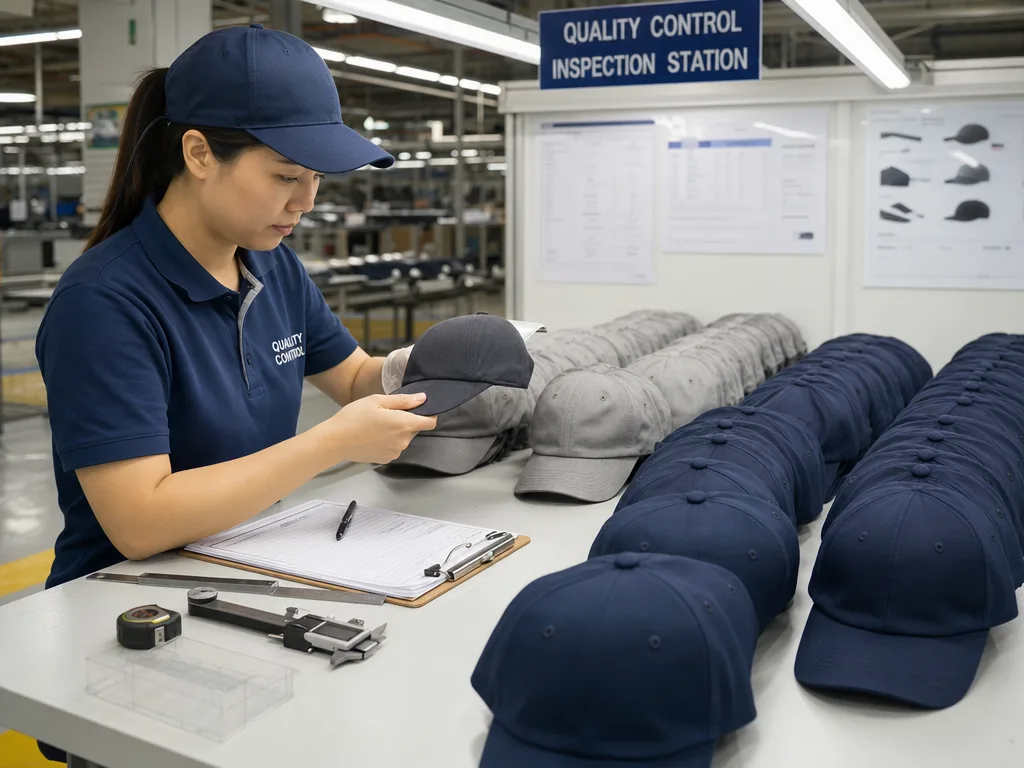
BSCI vs Sedex vs WRAP vs WCA: Compliance Audit Standards Compared (2026 Update) - 2026 Buyer's Guide
Read article →
Sustainable Cap Packaging: Options, Costs and Retail-Buyer Demands - 2026 Buyer's Guide
Read article →Bucket Hat Corduroy Fabric And Trim Spec Guide for Custom Hat Buyers
Read article →Sourcing custom hats does not have to be complicated. With the right manufacturing partner, clear specifications and a small upfront investment in sampling, you can launch a retail-quality product in 30 to 45 days.