
Performance & Athletic Caps: Moisture-Wicking, UPF and Buyer Specs - Supplier Checklist - 2026 Buyer's Guide - Cost & MOQ Breakdown
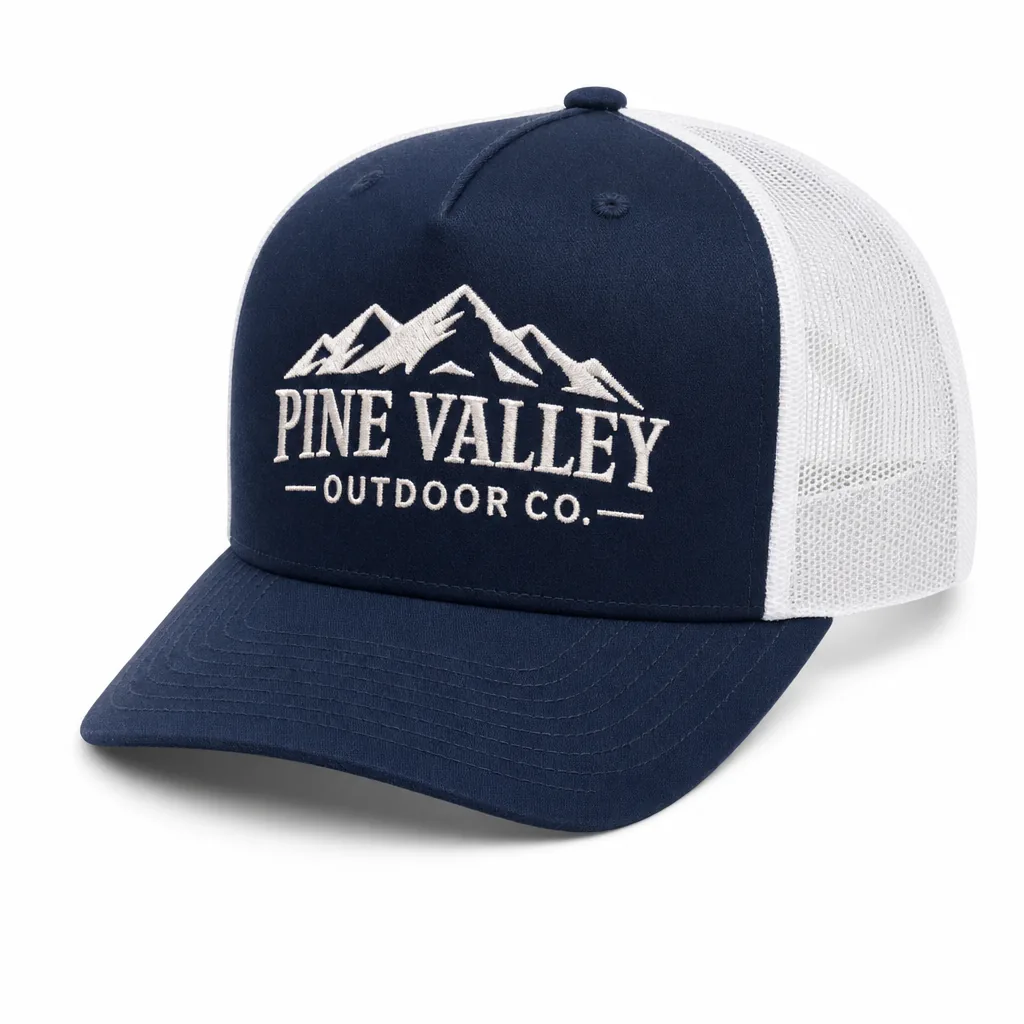
Performance & Athletic Caps: Moisture-Wicking, UPF and Buyer Specs - Supplier Checklist - 2026 Buyer's Guide - Cost & MOQ Breakdown is one of the most-asked questions we receive from international buyers, and for good reason. With dozens of factories competing for your order and an alphabet soup of technical terms in every supplier quote, even experienced importers can feel lost. This guide consolidates what we have learned producing custom hats for clients in 40+ countries.
What makes a cap 'performance' vs 'standard'
A cap is only “performance” when the spec is built around heat release, sweat transport, and low carried weight, not just sporty styling. Standard promo caps are usually brushed cotton twill or chino at 180 to 260 gsm, often with 3 percent spandex, and finished weights in the 90 to 120 g range. A true athletic cap is more often 100 percent polyester microfiber, 70D to 150D mechanical-stretch polyester, or nylon/poly blends at about 90 to 140 gsm, paired with a wicking finish and a dry hand. For an unstructured 5-panel running cap, 55 to 75 g finished weight is normal; a lightweight 6-panel training cap usually lands around 70 to 85 g depending on visor insert, closure, and seam count. If a supplier cannot state gsm, denier, and finished cap weight, they are probably offering a standard cap with performance language. That is still the fastest way I separate a real performance cap manufacturer from a general cap factory.
The sweatband and internal build usually expose the truth faster than the shell fabric. Standard caps still rely on cotton terry or basic polyester tricot bands that soak up sweat, hold salt, and dry slowly; that is fine for giveaways and weak for sport. Better athletic builds use polyester-elastane sweatbands around 180 to 220 gsm with a brushed skin side and hydrophilic finish so moisture spreads laterally instead of pooling at the forehead. Ventilation needs to be intentional, too: laser perforation, warp-knit mesh side panels, or controlled eyelets placed where the crown will not collapse. Heavy buckram, thick seam tape, and dense front embroidery can turn a light cap into a hot, stiff one, so on ultra-light styles I keep front logos around 8,000 to 10,000 stitches and run them on Tajima or Barudan heads with softer backing to preserve panel recovery.
UPF is the cleanest dividing line between sport-inspired and genuinely technical. Polyester by itself does not guarantee sun protection, so buyers should ask for the tested UPF rating, the test method, and whether the number comes from finished dyed fabric rather than a greige sample. For retail or team programs, I would want shade approval tied to lab data, especially on light colors where UV performance can fall if the dye load shifts; keeping approved bulk shade within Delta-E 1.0 to 1.5 against the standard is a practical control point. A capable supplier should also discuss design tradeoffs instead of just quoting “UPF 50+.” A 6.5 to 7 cm curved visor, dark underbill for glare control, and selective side perforation can improve field use, but too much open area reduces coverage and shape retention. CrownsForge standard practice is to review UPF, airflow, and finished weight together, because a cap that tests well in the lab can still fail in wear if it runs hot or sags after sweat and washing.
UPF ratings: what's actually meaningful
The number that matters is not the jump from UPF 30 to UPF 50+, but whether the claim was tested on the exact finished fabric you are buying: same fiber blend, same color, same gsm, same finish, same construction. UPF 30 blocks about 96.7% of UV radiation; UPF 50 blocks 98%, so the practical gap is smaller than most buyers assume, especially when the brim is already carrying part of the shade load. In caps, a 100% polyester micro-twill, interlock, or mechanical-stretch woven at 110 to 160 gsm will often land around UPF 30 without a chemical additive because filament density, dye depth, and low porosity do most of the work. A performance cap manufacturer should state whether the rating comes from fabric structure alone or from a UV finish, because that affects wash stability, re-test risk, and how you write the purchase spec.
UPF 50+ usually costs more because you are buying a tighter or heavier textile, or a UV-blocking treatment, not just a better label. Mills may use titanium dioxide, UV absorbers, or move from 75D to 100D or 150D yarns; in bulk that can add roughly $0.08 to $0.22 per cap, and more on runs under 1,000 pieces. It can also move hand feel, airflow, and Pantone TCX matching, especially on light shades. Dark navy, black, and deep forest normally test better than white, ice gray, or pastel mint, so do not assume one colorway will validate the whole line. A serious supplier should provide color-specific UPF reports, not a blanket certificate, and the document should name the method, usually AATCC 183 or AS/NZS 4399, plus the lab and sample condition.
Buyers should match the claim to the use case, not the other way around. For city races, school teams, and golf programs, UPF 30 is often the sensible floor: enough UV reduction, lower fabric cost, and fewer surprises after washing. For desert events, fishing, trail running, or long exposure under direct sun, UPF 50+ is worth paying for, but only if the result still holds after laundering and wear. Ask for the number on the final shell fabric after printing, sublimation, laser venting, or heat-applied logos, because those processes can change localized protection. The practical checklist is short: method, colorway, finished gsm, wash durability, and whether the rating comes from fabric structure or finish. If a performance cap manufacturer cannot answer those five points cleanly, the UPF number is marketing, not a usable spec.
Sweatband construction for athletic use
Most athletic caps fail at the sweatband before the shell fabric shows any real wear. Cotton twill and brushed cotton bands feel soft in a sales sample, but once they absorb 15-25 g of sweat they stay wet, hold salt, and start abrading the forehead. That is where buyers see complaints about chafing, odor, makeup transfer, and sweat migration into the front panel buckram. For real training use, the safer spec is an 88/12 or 90/10 polyester-elastane knit at 180-240 gsm, typically brushed tricot, interlock, or double-knit. The key point many suppliers miss is that polyester does not wick by itself; moisture management comes from filament shape, denier, capillary channeling, and a hydrophilic finish that spreads moisture across the outer face for faster evaporation. Any competent performance cap manufacturer should be able to show AATCC 195 moisture management data, AATCC 197 vertical wicking results, or at minimum wash-tested internal benchmarks after 20 home-laundry cycles. Construction matters as much as fiber content. For running, golf, and team-training caps, 30-35 mm finished sweatband width is the practical range; narrower bands flood too quickly, while 38 mm and up often add heat and forehead pressure. We avoid bulky 3-thread overlock joins and specify 4-needle flatlock or low-profile coverstitch so there is no raised seam under repetitive motion. On embroidery-heavy fronts stitched on Tajima or Barudan heads, sweat often transfers through the needle penetration points into the seam tape and inner buckram, so the band has to work with ventilation spec, not against it. Pairing it with 75-120 gsm warp-knit mesh side panels or laser-perforated polyester usually reduces internal humidity more than buyers expect, especially in caps used above 28°C ambient conditions.
Colorfastness is where cheap athletic sweatbands turn into claims. Black, navy, and deep red stretch knits with poor dye fixation can bleed into the crown under perspiration, particularly when exposed to alkaline sweat and sunscreen residue. Ask for colorfastness to perspiration under AATCC 15, wet and dry crocking under AATCC 8, and laundering under AATCC 61. If the body fabric is matched to a Pantone TCX, a stretch-knit sweatband should be held to a realistic Delta-E of 1.5-2.0; applying woven-shell tolerances to elastane blends usually creates unnecessary re-dye delays. Odor-control finishes also need scrutiny. Silver-ion, zinc pyrithione, and amine-based anti-odor treatments can help, but many low-cost topical finishes lose effectiveness after 10-15 washes unless they are properly bound to the substrate. The cost delta for a correct athletic sweatband is small relative to return risk. At 3,000 pieces, moving from a basic cotton band to a polyester-elastane moisture-management band typically adds $0.18-$0.45 per cap, with the upper end tied to jacquard branding, antimicrobial chemistry, or bonded labels. CrownsForge normally locks this spec only after confirming use case, climate, and wash expectation, because a golf cap worn four hours in dry weather is not built like a summer running cap or a dugout cap used six days a week. Buyers should also keep UPF claims in the right place: the sweatband contributes almost nothing to sun protection. UPF comes from crown fabric composition, cover factor, dye depth, and finishing, so any legitimate claim should be backed by AATCC 183 or AS/NZS 4399 test data on the shell fabric, not the inner band.
Reflective trim, vented panels, and other athletic features
Reflective trim is where athletic caps get under-specified, and the cost shows up after bulk when heat pressing or laundering starts lifting edges. For running, cycling, and team-training styles, I’d spec 3M Scotchlite or a qualified equivalent at the brim edge, rear opening, or strap tunnel in a 3-8 mm finished width, with placement tolerance held to ±2 mm along the brim curve. On 75D-150D polyester or nylon/spandex shells, thick woven reflective webbing usually prints through the crown and leaves drag lines on the face panel; knit reflective tape or heat-applied reflective film sits flatter and looks cleaner. A competent performance cap manufacturer should validate peel strength, stitch security, and retroreflective appearance after at least 5 home-launder cycles plus artificial sweat testing, because salt and detergent residue will haze weak coatings fast. Buyers should also call out brim pressing resistance at 120-140°C. I’ve seen low-cost films pass incoming inspection, then craze, silver out, or lift after curved-brim setting on the production line.
Ventilation only works when fabric weight, perforation geometry, and seam engineering are specified together. Most stable sport caps use 90-130 gsm stretch woven polyester or nylon/spandex on the side and rear panels, with laser perforations around 1.2-2.0 mm diameter and enough land between holes to avoid tear-out during crown joining. If the perforation field gets too close to the seam allowance—especially on 5-panel and low-profile silhouettes—the panel will pucker under binding, distort the crown, and lose shape after wear. The real tradeoff is airflow versus UV coverage, so the better spec keeps the top crown solid and vents only the lateral zones. Our standard practice is to inspect laser-cut edges for yellowing, hardening, and hidden scorch under D65 light, because navy and black can hide heat damage until final QC.
Mesh inserts are often safer than full laser-cut panels for golf, training, and hot-climate programs because they improve airflow without weakening the crown. I usually recommend 100-140 gsm micro-mesh or birdseye mesh at the side arches, with denier, luster, and dye method matched as closely as possible to the shell fabric. If the body fabric is custom Pantone-matched and the mesh is stock dyed, require lab dips on both and hold visual shade variation to Delta-E 1.0-1.5 under standard daylight review; open mesh construction commonly reads lighter even when the dye recipe is close. Don’t ignore the sweatband, either. A cap can have clean venting and still wear hot if the factory installs a cheap 180 gsm brushed band. Quick-dry polyester mesh sweatbands, with optional antimicrobial finish, typically add only $0.18-$0.45 per piece at 3,000 units and improve perceived comfort more than another row of decorative holes.
Color and design considerations for athletic positioning
Athletic buyers usually want restraint first, because a performance cap has to read clean at 2 meters, not just in a rendered product shot. The safest spec is one base color, one tonal logo, and no decorative contrast stitching unless the seam is structural or masking a construction issue. On a moisture-wicking cap, the substrate matters as much as the art: matte polyester, recycled PET mesh, and nylon-spandex blends all throw light differently under stadium LEDs and direct sun. A weak color match can make a properly stitched 2-color logo look wrong, even when the sewing is fine. As a performance cap manufacturer, the practical standard is to approve color against Pantone TCX and hold bulk shade to Delta-E under 2.0 on the first run; beyond that, retail buyers and team licensors start rejecting batches for shade drift rather than workmanship.
For athletic hat custom programs, low-contrast embroidery or heat transfer is usually the commercial default because it survives sampling, photography, and reorder cycles. Navy, black, heather gray, and deep forest keep selling because they hide sweat marks and keep sponsor marks legible; brighter seasonal colors belong in limited secondary SKUs, not the core line. A running cap custom order can justify reflective piping, sandwich brim trim, or a small heat-transfer hit on the rear panel, but those elements should stay functional and stay under 5 mm where possible so they do not distort the silhouette or create hand-feel complaints. The designs that move fastest in production are the least fussy: they stack cleanly in cartons, stay within approved artwork tolerances, and avoid avoidable objections in line review.
Channel matters as much as color. A golf cap wholesale program can carry more tan, stone, olive, and soft heather because clubhouse retail expects a quieter palette, while track, gym, and training collections usually need colder neutrals and tighter logo discipline. UV exposure changes the spec too: many bright disperse dyes drift after field use and accelerated wash testing, so for an UPF hat manufacturer the safer path is a darker body with controlled accent color on hangtags, seam tape, or a removable patch rather than on the crown itself. For season-long team programs, lock the body color, allow one secondary accent, and require a single approved factory reference sample in production room light and D65. Multi-factory color chasing is where approvals stall and shade mismatches multiply.
Pricing: performance fabric costs vs standard cotton
The price jump is not simply polyester versus cotton; it is commodity cotton twill versus a technical fabric package with tighter control on shrinkage, shade, and finish. A basic 260-280 gsm brushed cotton twill dad cap can still land around $1.35-$1.75 FOB at 1,000 pieces, while a 110-140 gsm polyester micro-twill, mini-ripstop, or mechanical-stretch woven usually moves the same silhouette to $1.85-$2.55 FOB before specialty trims. The usual delta is $0.40-$0.80 per cap, but that spread is driven by more than fabric meter cost: lower shrinkage targets, better crocking and wash fastness, and stricter Pantone TCX matching. On performance programs, a good performance cap manufacturer should hold crown-panel color within Delta-E 1.5 to the approved standard, because tonal venting, heat-transfer logos, and bonded tape expose shade drift fast.
Labor also rises once you move past basic stitching. Laser-perforated side panels, ultrasonic bonding, seam taping, perforated EVA visors, and moisture-wicking sweatbands all add handling steps that a standard cotton cap does not carry. Even embroidery changes: a 6-panel structured athletic cap in thin 75D-150D polyester usually needs lighter underlay and reduced stitch density on Tajima, Barudan, or ZSK heads to avoid puckering and needle holes that open after wash. On small runs under 500 pieces, setup loss and rejection risk are real, so a technical cap often costs $0.20-$0.35 more per unit than the same spec at 1,500 pieces. That is the practical penalty for engineering a cap that has to sit flat, breathe, and survive sweat instead of just looking good in a sample photo.
UPF claims only deserve a premium when they are tied to construction or test data, not hangtag language. A true UPF 30+ or UPF 50+ program usually adds about $0.12-$0.28 per cap if the protection comes from dense woven polyester, solution-dyed yarn, or a verified finish with lab results under AATCC 183 or AS/NZS 4399. Tight 120-130 gsm woven synthetics generally hold UPF more consistently than loose cotton or open mesh, especially after washing and sweat exposure. If the buyer wants test reports by colorway, budget more: dark navy and black usually pass easier, while white, neon, and pale heather shades often need tighter construction or a chemistry adjustment. In practice, the cheapest way to buy UPF is to build it into the fabric, not to chase it later with paperwork.
Frequently Asked Questions
What file format should I send for my logo?
Vector files (AI, EPS, PDF) are ideal. High-resolution PNG or JPG at 300 dpi on transparent background works as a fallback. Provide Pantone color references for accurate reproduction.
How long does production take?
Sampling takes 7 to 12 days. Bulk production runs 20 to 30 days depending on quantity, fabric availability and decoration complexity. Inspection and packing adds another 3 to 5 days before shipment.
Can I order a sample before bulk production?
Yes. We strongly recommend approving a pre-production sample before mass production. Samples are charged at 35 to 60 USD each plus express shipping, fully refundable against confirmed bulk orders over 500 pieces.
What is the minimum order quantity (MOQ) for custom hats?
Our standard MOQ is 100 pieces per design and color, with sampling available from 1 piece. For complex multi-color logos or premium fabric upgrades, the MOQ can be lowered with a small per-piece surcharge.
Which shipping methods do you support?
We support FOB, CIF and DDP shipping. Air express for samples and small orders, sea LCL for 100 to 500 pieces, sea FCL for 5,000+ pieces. Door-to-door DDP available for US, EU, UK, Canada and Australia.
How does ordering baseball cap custom logo work?
When evaluating baseball cap custom logo, the key considerations are construction quality, decoration capability, MOQ flexibility and lead time. Performance polyester adds roughly $0.40-$0.80 per cap vs standard cotton. UPF treatment adds another $0.20-$0.30. Sweatband upgrade adds $0.10-$0.20. Moisture-wicking fabric (typically polyester with wicking finish), moisture-wicking sweatband (usually polyester-elastane blend), lightweight construction (under 80g), and often UPF treatment.
What should buyers know about branded bills performance hat?
When evaluating branded bills performance hat, the key considerations are construction quality, decoration capability, MOQ flexibility and lead time. UPF 30 blocks ~97% of UV. UPF 50+ blocks 98%+. Most performance polyester fabric reaches UPF 30 naturally without chemical treatment. UPF 50+ usually requires treated fabric, which adds cost. Performance polyester adds roughly $0.40-$0.80 per cap vs standard cotton. UPF treatment adds another $0.20-$0.30. Sweatband upgrade adds $0.10-$0.20.
How much does branded bills custom hat cost typically cost?
When evaluating branded bills custom hat cost, the key considerations are construction quality, decoration capability, MOQ flexibility and lead time. UPF 30 blocks ~97% of UV. UPF 50+ blocks 98%+. Most performance polyester fabric reaches UPF 30 naturally without chemical treatment. UPF 50+ usually requires treated fabric, which adds cost. Moisture-wicking fabric (typically polyester with wicking finish), moisture-wicking sweatband (usually polyester-elastane blend), lightweight construction (under 80g), and often UPF…
How does ordering custom logo bucket hat work?
When evaluating custom logo bucket hat, the key considerations are construction quality, decoration capability, MOQ flexibility and lead time. Moisture-wicking fabric (typically polyester with wicking finish), moisture-wicking sweatband (usually polyester-elastane blend), lightweight construction (under 80g), and often UPF treatment. UPF 30 blocks ~97% of UV. UPF 50+ blocks 98%+. Most performance polyester fabric reaches UPF 30 naturally without chemical treatment. UPF 50+ usually requires treated fabric, which…
Who makes the best quality caps?
Best cap for sports fans. Ebbets Field Flannels Ballcap. An authentic, American-made, wool baseball cap that pays homage to vintage and defunct teams from around the world. ... Best minimalist cap. Uniqlo Two-Way Stretch Cap. ... Also Good. Stiksen Canvas 105. ... Also Good. Nike ACG AW84 Cap.
What company makes caps?
New Era has over 500 different licenses in its portfolio. Since 1993, it has been the exclusive baseball cap supplier for Major League Baseball (MLB).
Where is Cap America made?
Take your branding to the next level with our Custom Elite Knits - custom-made knit headwear proudly crafted in the USA.
What are performance hats made of?
What Makes a Hat "Performance" Grade? Advanced materials: Technical fabrics like polyester blends and specialized mesh combine moisture-wicking properties with durability. These materials actively pull sweat away from your skin while maintaining structure through heavy use and washing.
Ready to start your custom hat project?
Send us your tech-pack, sketch or even just an inspiration photo. We will respond with a detailed quotation and digital mock-up within 24 hours.
Request a free quoteRelated guides
Custom Made Trucker Hat: The 2026 Sourcing & Manufacturing Playbook (2026 Update) - Cost & MOQ Breakdown
Read article →
Blank Hats MOQ And Pricing Plan for Custom Hat Buyers
Read article →Ball Caps for Women: A 2026 Sourcing Playbook for International Buyers
Read article →If you are ready to take the next step on performance & athletic caps: moisture-wicking, upf and buyer specs - supplier checklist - 2026 buyer's guide - cost & moq breakdown, our team can put a tailored quotation and digital mock-up in your inbox within 24 hours. Send the inquiry form on our contact page or message us directly on WhatsApp.