
Shipping Custom Hats from China: FOB, EXW, DDP & Incoterms Decoded - Supplier Checklist
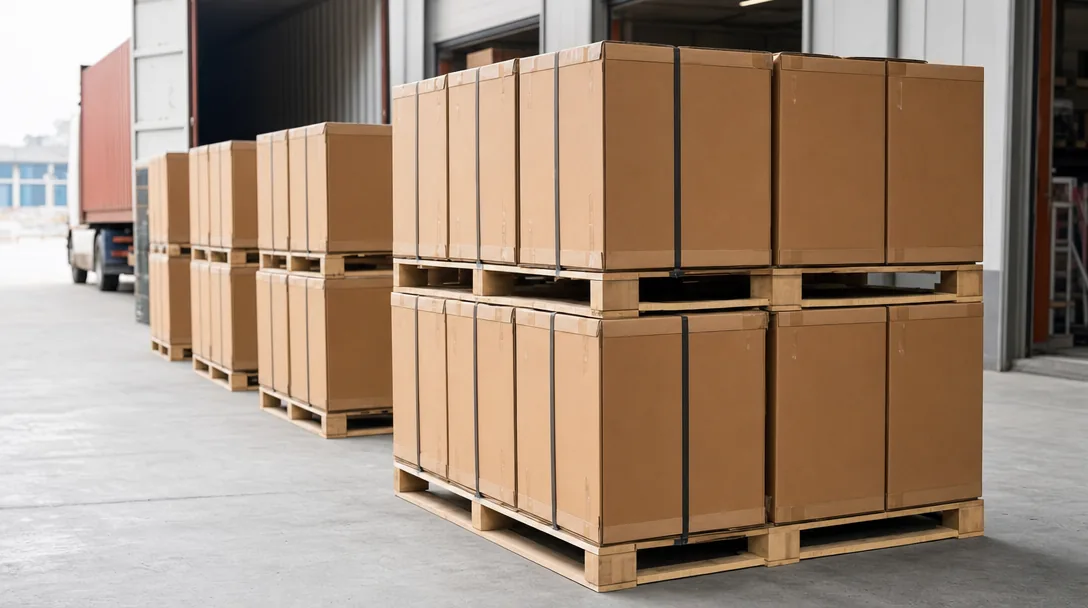
Shipping Custom Hats from China: FOB, EXW, DDP & Incoterms Decoded - Supplier Checklist is one of the most-asked questions we receive from international buyers, and for good reason. With dozens of factories competing for your order and an alphabet soup of technical terms in every supplier quote, even experienced importers can feel lost. This guide consolidates what we have learned producing custom hats for clients in 40+ countries.
Why Incoterms confuse new importers
Most first-time buyers get burned by what the quote leaves out, not the unit price itself. A factory can quote $2.85 for an acrylic beanie or $4.60 for a 6-panel cotton twill cap, and a new importer reads that as the landed cost. It is not. On a 3,000-piece order, the gap between EXW Yiwu and FOB Ningbo can be wiped out by origin trucking, export customs declaration, terminal handling charge, bill of lading fees, and the cost of getting commercial invoice, packing list, and HS code paperwork aligned. That is why hat shipping from China confuses people: the product spec may be identical, but the commercial terms change who pays, who books, and where risk transfers off the factory floor.
Incoterms 2020 are meant to separate cost transfer from risk transfer, but suppliers often blur the two. EXW puts almost the entire logistics chain on the buyer, and in practice that means arranging pickup, export clearance, and making sure the truck actually makes the loading window. FOB is usually cleaner for cap orders because the supplier handles inland movement and export formalities through the port handoff, while the buyer takes over ocean freight and destination costs. DDP is where the biggest false assumptions show up: it does not mean every charge is included, because many quotes exclude customs exams, remote-area delivery, peak-season surcharges, VAT handling, or broker reclassification if the destination customs officer changes the tariff line. A serious freight forwarder should state the mode, port pair, carton count, gross weight, and whether fuel surcharge and destination handling are included.
The ugly surprises usually show up after departure, when nobody has modeled destination charges or the customs treatment of the actual hat. Duty can change with HTS code, fiber content, embroidery value, patch application, and whether the cap is knitted, woven, or a mixed-fabric build. A DDP shipment of 3,000 embroidered caps into Germany will price very differently from FOB Los Angeles, where the importer of record still pays duty, MPF, HMF, broker fees, and any Section 301 exposure if the classification is wrong. For hat shipping from China, every comparison should be built on the same carton dimensions, gross/net weight, production city, port pair, and Incoterm, then broken into ex-factory price, inland trucking, export docs, ocean or air freight, insurance, and destination fees. If a supplier cannot separate those numbers cleanly, the quote is not comparable enough to approve.
EXW — factory floor pickup
EXW only makes sense when the buyer already controls the China logistics chain and is consolidating freight from multiple suppliers into one export booking. Under EXW, the factory’s job ends when finished cartons are made available at the agreed pickup point, usually the loading bay or warehouse dock; the buyer or its forwarder handles truck dispatch, export customs filing, port handoff, ocean or air freight, destination clearance, and final delivery. For hat shipping from China, that sounds clean on paper, but it gets ugly fast because most cap and hat factories are not built to manage export appointments, gate cutoffs, or carrier exceptions. If you are pulling custom snapbacks, beanies, and bucket hats from three to ten suppliers across Zhejiang, Jiangsu, and Guangdong, EXW only saves money when your forwarder already runs scheduled consolidations and can coordinate one master shipping plan across every pickup.
The real trap is that the export file still has to be correct at the factory gate. Carton marks, HS code, fiber content, carton count, gross weight, invoice value, and packing list details all need to line up, or the forwarder inherits a customs problem that can hold the whole consolidation. In headwear, I avoid EXW unless the buyer has a China-based freight team or a forwarder that actually understands apparel declarations, not just generic cargo. You also need someone who can handle palletization, fumigation status for wooden dunnage, VGM timing, and warehouse booking without improvising. On a 2,400-piece cap order, a missed pickup can add RMB 1 to 3 per carton per day in storage, and relabeling mixed cartons for export can run about $0.08 to $0.18 per cap. That is how a cheap EXW quote becomes more expensive than FOB within one shipment cycle.
The upside is real when volume is high enough and the lanes are repeatable. If you are consolidating custom hats into a 40HQ or running recurring LCL shipments, EXW can give you tighter control over carton standards, one customs broker, and cleaner landed-cost tracking across vendors. It also works when you need to compare supplier pricing on a true ex-factory basis before adding inland trucking, export docs, and origin handling separately. Our standard practice is to recommend EXW only when the buyer already owns the logistics discipline, the factories are geographically clustered, and the export workflow is centralized. Otherwise, FOB is usually the safer choice for hat shipping from China because it moves the first serious operational break point back to the seller and removes pickup-level failure risk from the buyer.
FOB — most common for B2B
FOB is the clean default for established buyers because the handoff happens at the named Chinese port, not at the factory gate. For custom hats, that usually means FOB Ningbo, FOB Shanghai, or FOB Shenzhen. The supplier covers production, export carton packing, inland trucking, China customs declaration, terminal handling, and loading on board; after the vessel receives the cargo, the buyer or its nominated forwarder takes over ocean freight, marine insurance, destination THC, customs clearance, duty, and final delivery. In hat shipping from China, FOB works best when you already have a forwarder who can quote both FCL and LCL, compare transit times, and control peak-season surcharges. On a 3 to 10 CBM shipment, FOB usually gives better landed-cost visibility than DDP because the freight, surcharges, and destination fees are broken out instead of buried in one bundled rate.
Under FOB, the checklist is operational, not abstract. Lock the exact port term on the PO and commercial invoice, confirm carton dimensions, gross weight, HS code, carton marks, shipping instructions, and booking cut-off before production closes. For wholesale hats and caps, a 2 cm carton error or a 0.5 kg weight miss can change the chargeable CBM, push the shipment to another sailing, or trigger a warehouse rework fee. The factory should issue a final packing list within 24 hours of carton close, with measured weight and CBM held within 2 percent of the approved spec. Use export-grade 5-layer cartons for structured caps or heavier knit beanies, and keep each SKU separated by carton mark and PO number so the forwarder does not split the shipment at origin. CrownsForge’s standard practice is to verify carton data against the packed goods before release, because ocean freight is billed on actual volume and weight, not estimates.
The common mistake is treating FOB like door-to-door service. Under Incoterms 2020, the seller’s obligation ends once the hats are loaded on board at the named port, so destination port charges, customs exams, demurrage, detention, import duty, and last-mile delivery stay with the buyer. That matters in hat shipping from China because caps can fall under different tariff lines depending on shell fabric, lining, and fiber content, and a bad composition call on the commercial invoice can slow clearance fast. A brushed cotton twill baseball cap does not clear the same way as a polyester trucker cap or a wool blend beanie, and the broker needs the BOM, fiber breakdown, COO when required, and care label data to match the filing. Build in 5 to 7 days of buffer before ETD for document checks and booking changes; FOB is efficient, but only when the paperwork and packing list are tight enough to survive scrutiny at origin and destination.
CIF / CFR — supplier handles sea freight
CIF and CFR sound simple because the supplier books the ocean leg, but they are rarely the lowest landed-cost choice once you compare them with a buyer-controlled forwarder. Under Incoterms 2020, CFR means the seller pays cost and freight to the named destination port, while CIF adds only minimum marine insurance. In real hat shipping from China, the freight margin is often hidden in the offer: I routinely see suppliers quote $80 to $250 per CBM above market, or bundle the charge into a softer ex-works price so the ocean rate cannot be audited cleanly. On a 3,000-piece cap order packed at roughly 0.9 to 1.2 CBM, that gap is large enough to erase the convenience premium. CIF/CFR only makes sense when the buyer has no nominated forwarder or is consolidating one mixed-goods order from a single vendor; for importers already moving regular volumes into Los Angeles, Hamburg, or Felixstowe, FOB usually gives cleaner cost control.
Insurance is where CIF is most often misunderstood. CIF does not mean broad cover; the seller normally buys only minimum protection, typically equivalent to Institute Cargo Clauses C unless the contract says otherwise, and that form leaves out a lot of the damage buyers actually fight about. Crushed crown panels, moisture bleed into buckram fronts, carton collapse from weak palletization, and color transfer from wet cartons can all become claim disputes if the packing spec was vague. For custom hats with higher-value trims such as TPU patches, metal badges, or merino-blend bodies, I would insist on Institute Cargo Clauses A, insured value at 110 percent of invoice, and war and strikes cover if the lane is unstable. CrownsForge’s standard practice is to lock carton burst strength, desiccant quantity, polybag spec, and pallet wrap before vessel booking, because those controls usually save more money than arguing with an insurer after discharge.
CIF/CFR also give the buyer less control than many procurement teams expect. The supplier chooses the carrier, sailing, cut-off, and often the transshipment path, so lead time can slip 5 to 12 days if space rolls or the cargo is routed through Singapore, Busan, or Colombo. That matters in seasonal cap programs, where missing a retail date costs more than the freight delta. Port charges, customs clearance, duty, ISF for the U.S., EORI for the EU, destination THC, and final delivery still sit with the buyer, so CIF is not a shortcut around destination paperwork or demurrage risk. If the cartons are moving on CFR to Rotterdam or Long Beach, you still need a competent forwarder to manage filings and inland handoff. In practice, CIF/CFR is convenient for first-time importers; experienced buyers usually prefer FOB because they can benchmark freight cleanly, compare carriers, and control service levels instead of accepting whatever the supplier booked.
DDP — door-to-door including duty
DDP is the cleanest option when you want hat shipping from China to land as one predictable number instead of a string of freight, customs, and brokerage decisions. Under Delivered Duty Paid, the seller arranges export pickup in Yiwu or Shenzhen, books the international leg, clears import customs, pays duty and VAT or GST, and delivers to the buyer’s address. That is why DDP is common for samples, 200 to 1,000-piece launches, and replenishment orders where the buyer does not want to set up a broker account or chase a surprise clearance invoice. It usually prices above FOB, often by 3% to 8% on low-volume custom headwear, but that premium is usually cheaper than delays, misfiled entries, or a consignee-side team that has to learn customs from scratch.
A usable DDP quote should name the HS code, destination country, transport mode, and the duty basis it assumes. Good quotes also specify whether the lane is air DDP, rail plus courier, or consolidated truck freight, because those routes have very different transit times and chargeable weight behavior. The paperwork has to match the cargo exactly: commercial invoice, packing list, fiber content, construction, and declared value all need to line up with the actual product. A 6-panel cotton twill cap at 280 gsm with flat embroidery is not the same thing as a generic “hat” on a customs form, and the difference can change duty treatment or trigger a hold. If the declaration is sloppy, expect reassessment, inspection, or a broker correcting the entry after the shipment is already moving.
DDP gets weaker as the order gets larger or the carton mix gets more complicated. Once you move past small parcels, the all-in number can hide inflated brokerage, weak consolidation, remote-area surcharges, or a route that looks cheap only because the supplier padded the freight line. For hat shipping from China, compare DDP and FOB on the same destination, carton count, and incoterm assumptions, then ask who is actually moving the freight, what transit time they are buying, and how they handle address corrections, failed delivery, and import tax adjustments. CrownsForge’s standard practice is to keep product cost and logistics cost separate so buyers can see whether the landed rate is driven by freight, duty, or margin instead of one blended quote that is hard to audit.
Duty rates for caps by destination
For hat shipping from China, duty is never a single memorized number. In the US, most caps land in HTS 6505, but the rate changes with fiber content and construction: cotton twill dad hats, polyester mesh truckers, wool felt fedoras, and straw styles can all sit on different lines. Many China-origin caps clear around 7.5 percent MFN duty, then you may add Section 301 duties where applicable, plus MPF at 0.3464 percent of customs value, HMF at 0.125 percent of ocean freight, and broker or ISF fees. FOB, EXW, and DDP under Incoterms 2020 only decide who pays what; they do not fix classification, so the HTS call has to be right before anyone prices the shipment.
In the EU, TARIC rates depend on exact fiber mix, knit versus woven construction, and whether the item is a fashion cap, sports cap, or promotional headwear. A polyester baseball cap and a wool winter cap will not necessarily land at the same duty rate, and VAT is collected on the customs value plus duty, which pushes cash out higher than buyers expect. Germany, France, and the Netherlands use the same tariff framework, but local clearance fees and VAT timing still change landed cost. The UK now runs its own schedule after Brexit, so an EU quote does not transfer cleanly. Canada and Australia are often simpler on paper, but origin proof, free-trade eligibility, and GST/HST or GST still matter when the forwarder quote omits import charges.
The practical checklist is short: confirm fiber content, crown and brim construction, decoration method, and destination before asking for a landed quote. For hat shipping from China, require the exporter to state the HS or HTS code on the commercial invoice, then have your broker validate it against the destination tariff database, not a supplier template. Model at least four cases: with and without Section 301, duty plus VAT or GST, and ocean versus air freight, because customs value and ancillary fees shift with the route. A competent forwarder should tell you whether FOB, EXW, or DDP is the cleaner structure, but the buyer still has to verify duty exposure early; that is usually where margin disappears.
Freight forwarder selection
A freight forwarder for hat shipping from China is not the supplier’s logistics clerk with a WeChat avatar and a booking note. The difference shows up when cartons are short, a pallet is damp, or the vessel rolls and the consignee asks for the paperwork trail. For custom hats, I want an origin agent who can state the routing, carrier cut-off, carton count, gross weight, HS code assumption, and whether the move is booked under FOB, EXW, or DDP. Under Incoterms 2020, that matters because the party controlling origin documents also controls how cleanly freight charges, customs entry, and any later dispute are reconciled. The forwarder should produce handoff records, loading photos, seal numbers, and a booking confirmation that matches the commercial invoice and packing list line for line. If those documents do not align before departure, they will not magically align after a claim or customs query.
A competent forwarder is boring in the right way: the same question gets the same answer, and the answer matches the quote. I check whether they disclose surcharge triggers before booking, especially peak-season ocean freight, remote-area delivery, warehouse storage, AMS/ENS filing fees, and dimensional weight on air shipments. For china wholesale hats and caps, a quote that looks $80 cheaper on day one can easily become $150 more expensive after amendments, rollovers, detention, or customs holds. If they cannot explain declared value, cargo insurance basis, and how DDP duty estimates change when U.S. CBP valuation or EU VAT treatment shifts, they are not giving you operational control; they are selling a guess. A serious forwarder should also say whether they are the actual NVOCC or freight forwarder of record, or just brokering the job to another desk.
Claims handling is where weak forwarders fall apart. A serious one knows how to file carrier reservations immediately, collect arrival photos, carton tallies, and warehouse receiving notes, then keep the timeline tight enough for cargo insurance or carrier recovery. For FOB and DDP custom hats, I want to know who submits the first notice of loss, what proof they require from the factory, and whether they can separate transit damage from bad carton construction, usually tied to 3-ply corrugated board, edge crush strength, or low-GSM inner packing. In practice, the best partners document origin loading, keep seal records, and avoid improvising when a consignee asks for evidence. For hat shipping from China, that discipline matters more than a low spot rate because the cheapest freight quote is often the one that leaves you with no usable claim file after the problem starts.
Frequently Asked Questions
What file format should I send for my logo?
Vector files (AI, EPS, PDF) are ideal. High-resolution PNG or JPG at 300 dpi on transparent background works as a fallback. Provide Pantone color references for accurate reproduction.
How long does production take?
Sampling takes 7 to 12 days. Bulk production runs 20 to 30 days depending on quantity, fabric availability and decoration complexity. Inspection and packing adds another 3 to 5 days before shipment.
Can I order a sample before bulk production?
Yes. We strongly recommend approving a pre-production sample before mass production. Samples are charged at 35 to 60 USD each plus express shipping, fully refundable against confirmed bulk orders over 500 pieces.
What is the minimum order quantity (MOQ) for custom hats?
Our standard MOQ is 100 pieces per design and color, with sampling available from 1 piece. For complex multi-color logos or premium fabric upgrades, the MOQ can be lowered with a small per-piece surcharge.
Which shipping methods do you support?
We support FOB, CIF and DDP shipping. Air express for samples and small orders, sea LCL for 100 to 500 pieces, sea FCL for 5,000+ pieces. Door-to-door DDP available for US, EU, UK, Canada and Australia.
How does ordering custom embroidered trucker hat work?
When evaluating custom embroidered trucker hat, the key considerations are construction quality, decoration capability, MOQ flexibility and lead time. Misalignment between supplier price quotes leads to budget surprises. When this rare term makes sense (large multi-supplier consolidation).
How does ordering custom patch trucker hats work?
When evaluating custom patch trucker hats, the key considerations are construction quality, decoration capability, MOQ flexibility and lead time. Misalignment between supplier price quotes leads to budget surprises. When this rare term makes sense (large multi-supplier consolidation).
What's the MOQ for custom embroidered trucker hats no minimum?
When evaluating custom embroidered trucker hats no minimum, the key considerations are construction quality, decoration capability, MOQ flexibility and lead time. Misalignment between supplier price quotes leads to budget surprises. When this rare term makes sense (large multi-supplier consolidation).
How does ordering custom leather patch trucker hat work?
When evaluating custom leather patch trucker hat, the key considerations are construction quality, decoration capability, MOQ flexibility and lead time. Misalignment between supplier price quotes leads to budget surprises. When this rare term makes sense (large multi-supplier consolidation).
Can you still ship from China to the USA?
Our strong global network and full range of cross-border shipping services make shipping from China to the United States easy for the U.S. importers.
Did the USPS suspend shipments from China?
Rule. Together the two firms probably accounted for more than 30% of all parcels shipped to the US each day under the loophole. That's according to a congressional committee report in 2023.
Are packages still shipping from China?
USPS resumes accepting packages from China, Hong Kong amid Trump trade war. The U. S. Postal Service said Wednesday that it will continue to accept international mail and packages from China and Hong Kong, reversing a Tuesday announcement that it would halt the flow of inbound parcels from the areas.
Ready to start your custom hat project?
Send us your tech-pack, sketch or even just an inspiration photo. We will respond with a detailed quotation and digital mock-up within 24 hours.
Request a free quoteRelated guides
Custom Made Trucker Hat: The 2026 Sourcing & Manufacturing Playbook (2026 Update) - Cost & MOQ Breakdown
Read article →
Blank Hats MOQ And Pricing Plan for Custom Hat Buyers
Read article →Ball Caps for Women: A 2026 Sourcing Playbook for International Buyers
Read article →If you are ready to take the next step on shipping custom hats from china: fob, exw, ddp & incoterms decoded - supplier checklist, our team can put a tailored quotation and digital mock-up in your inbox within 24 hours. Send the inquiry form on our contact page or message us directly on WhatsApp.