Fitted Cap OEM Artwork Proofing Signoff for Canada Manufacturing Buyers
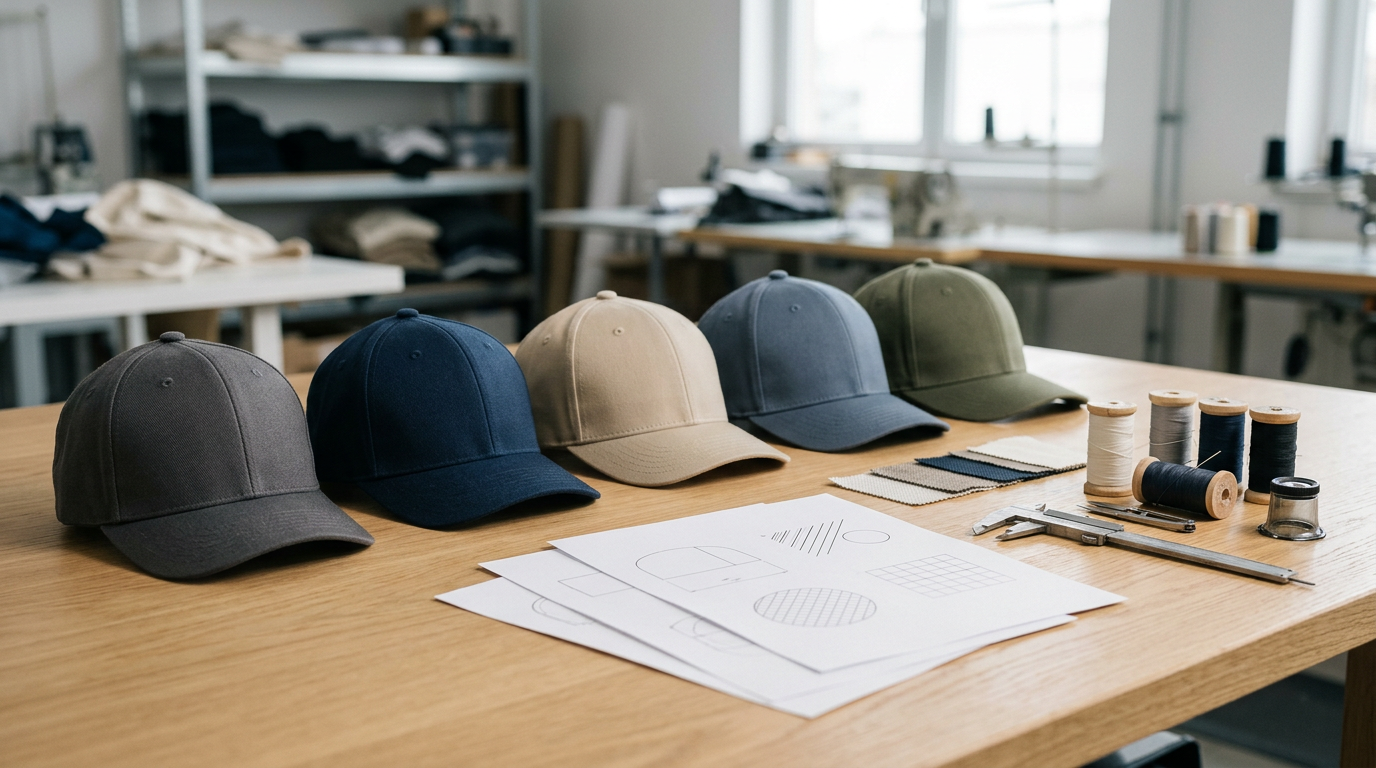
Fitted Cap OEM Artwork Proofing Signoff for Canada
Fitted cap oem artwork proofing signoff is the formal approval step where a buyer confirms that the artwork shown on a proof is exactly what should move into manufacturing. For Canada buyers sourcing fitted caps for a brand, team program, uniform program, or retail line, this step protects the order from avoidable errors in placement, spelling, color reference, decoration method, and panel alignment. A clear signoff does not replace a good brief, and a good brief does not replace a final proof review. Both are needed, and both should be recorded in writing before bulk production is authorized.
This guide focuses only on artwork proofing signoff for fitted cap manufacturing. It explains what to check on a digital proof and on a physical sample when one is requested, how to compare supplier responses, and which fields to lock in an RFQ so that approval is unambiguous. It is written as a buyer process, not as a promise about a specific factory, material, or production outcome. Where a detail depends on your artwork, decoration choice, or order plan, the buyer and supplier should agree that detail explicitly and keep the agreed version on file.
Artwork Proofing Signoff: What to Approve Before Manufacturing
A proof is a representation of your artwork on the fitted cap. It may be a digital mock-up, a photographed sample, or a physical sample sent for review, and each format shows different things well. A digital proof is useful for checking file version, overall layout, text accuracy, relative placement, and the relationship between front, side, and back artwork. A physical sample is useful for checking how the decoration sits on a curved crown, how it reads at a normal viewing distance, and how the artwork interacts with seams, panels, and the brim. Buyers should state in advance which format will be the basis for final signoff, so there is no confusion later about what was actually approved.
Start the review with identity checks. Confirm the artwork file name and version shown on the proof matches the latest file you supplied. Confirm the cap style on the proof is the fitted cap from your RFQ, not a different closure, profile, or panel construction used as a placeholder. Confirm every artwork element is present and in the intended position, including front artwork, side artwork if any, back artwork if any, and any inside or under-brim element you requested. If an element is missing, moved, or substituted, mark the proof as not approved and describe the correction in writing.
Next, review the artwork itself rather than the cap alone. Read all lettering character by character, including capitalization, punctuation, spacing, and any tagline. Check shapes, lines, and negative space against your source artwork, because small details can change when artwork is prepared for embroidery, printing, patch application, or another decoration method agreed for the order. Ask the supplier to state which decoration method the proof assumes, and require that any method change after signoff triggers a new proof and a new approval. Do not approve a proof that shows a different method from the one quoted and agreed.
Color needs a shared reference system, not a description alone. Words such as dark, bright, or matching the previous order leave room for different interpretations. Ask the supplier to record the color reference you supplied for the cap fabric, the thread or ink, and any patch or label element, and to note on the proof how those references were applied. If you review color from a screen, record that limitation in your approval notes and state whether a physical sample will be the final color reference. The signoff should make clear which reference controls if a digital image and a physical sample appear different.
Buyer Decision Table for Fitted Cap Manufacturing in Canada
Use this table to structure the proof review for a Canada order. Each row is a buyer-defined process check. The supplier response should be recorded in writing, and the signoff action should show whether the item is approved, approved with a noted correction, or not approved pending a revised proof.
| Decision Area | Buyer Check | Supplier Response to Record | Signoff Action |
|---|---|---|---|
| Artwork file version | Does the proof use the latest file and version you supplied? | File name, version identifier, and date of receipt as stated by the supplier | Approve only the named version and void earlier versions in writing |
| Cap style on proof | Does the proof show the fitted cap style, profile, and panel layout from the RFQ? | Confirmation of the style shown and any placeholder used | Require a revised proof if the style shown differs from the RFQ |
| Placement and position | Is each artwork element on the intended panel and in the intended relative position? | Written description of placement for front, side, and back elements | Approve placement element by element, not as a single general approval |
| Artwork scale intent | Does the artwork size on the proof match the size intent you described? | Record of the agreed size description for each element | Specify the agreed size description in the final approval note |
| Decoration method | Does the proof assume the embroidery, print, patch, or other method agreed for the order? | Named method for each artwork element | Require a new proof if the method changes after signoff |
| Color reference | Are fabric, thread, ink, and patch colors tied to a shared reference you supplied? | Record of each reference and how it was applied on the proof | State which reference controls for digital and physical proof differences |
| Text and spelling | Has all lettering been read character by character, including punctuation and spacing? | Confirmation that the proof text matches the supplied artwork | Do not approve until any text correction is shown on a revised proof |
| Seams and panel interaction | Does artwork cross, avoid, or align with seams as intended? | Note on how seams and panel joins affect the artwork | Approve the seam interaction explicitly or request repositioning |
| Proof format for final approval | Is final signoff based on a digital proof, a photographed sample, or a physical sample? | Statement of the proof format supplied for final review | Name the controlling proof format in the signoff record |
| Revision handling | Is the process for corrections, revised proofs, and re-approval clear? | Written revision steps and how versions will be labeled | Require re-approval of every revised proof before production |
A completed table gives both sides a shared record. Keep the table with the RFQ, the source artwork, and the final signed proof so that anyone reviewing the order later can see what was checked, what the supplier confirmed, and what the buyer approved.
Step-by-Step Proof Review Process
A repeatable process reduces missed details, especially when more than one person reviews the proof for a brand or organization. Assign one buyer contact as the final approver, even if colleagues or clients comment during review. Suppliers should receive one consolidated set of comments, not separate and possibly conflicting instructions.
- Ask the supplier to confirm receipt of your latest artwork file and to state the file name and version that will be used for the proof.
- Specify the proof format you expect for this stage, whether digital, photographed sample, or physical sample, and what that proof is intended to confirm.
- Require the supplier to label the proof with the artwork version, cap style, and decoration method assumed, using labels you can reference in written comments.
- Ask reviewers to check identity, placement, text, color reference, and seam interaction separately, using the decision table above as the review order.
- Specify all corrections in one written list, referencing the specific artwork element and the change required for each correction.
- Require a revised proof for any change to artwork, placement, method, color reference, or cap style, even when the change appears small.
- Ask the final approver to sign off on a single identified proof version and to state in writing that earlier versions are superseded.
- Specify how the signed proof and approval note will be stored and shared, so production, quality review, and the buyer all reference the same record.
During review, separate preference changes from errors. An error is a difference between the proof and the supplied artwork or RFQ. A preference change is new direction from the buyer. Both need a revised proof, but recording which type of change occurred keeps the approval history clear and avoids disputes about what was originally requested. If a reviewer wants to change artwork after signoff, treat that as a new version, issue a new proof, and obtain a new signoff rather than relying on an email comment alone.
Pay attention to how artwork behaves on a fitted cap compared with a flat design file. The crown is curved, panels meet at seams, and the front of the cap may not present artwork in the same flat plane as a screen image. Ask the supplier to show the artwork in context on the cap shape and, when a physical sample is part of your process, to keep that sample linked to the proof version it represents. If the sample and the digital proof differ, record the difference and state which one governs the final approval.
Common Proofing Gaps to Resolve Before Signoff
Several gaps appear repeatedly in headwear proofing and are worth checking even when a proof looks correct at first glance. The first is version drift, where comments are made on an older proof while the supplier prepares a newer file. Prevent this by naming the version in every comment and by withdrawing earlier versions from circulation. The second is partial approval, where a buyer approves the front artwork but does not mention side or back elements. Approve or reject each element explicitly, including elements that should remain blank.
A third gap is unrecorded verbal approval. A phone call or meeting comment may move a project forward, but it does not create a reliable production record. Follow any verbal discussion with a written approval that names the proof version, the cap style, the decoration method, and any conditions or corrections. A fourth gap is assuming a sample approves everything. A physical sample can confirm decoration appearance on that sample, while sizing program, fabric selection for bulk, packing, and delivery terms remain separate RFQ decisions. Keep artwork signoff focused on artwork, and keep other order decisions in their own written sections.
For buyers coordinating review across a team in Canada and with stakeholders in other approved locations, time and file handling also matter as process points. Agree who receives the proof, how comments are consolidated, and how the final signoff is sent back. State the language or languages to be used on labels, packing notes, and approval documents for your order when bilingual labeling is part of your own requirement, and ask the supplier to show that labeling on the relevant proof or packing mock-up for your review. Do not assume a labeling, compliance, or logistics detail is included unless it is written in the RFQ and reflected in the documents you approve. Buyers should request supplier documentation for any product or process claim they intend to rely on, and record what was received.
Landed cost and delivery planning should also stay separate from artwork approval but connected to the same order file. If freight, duties handling, taxes handling, or delivery location affect your Canada order, specify those requirements in the RFQ and ask the supplier to state what is and is not included in their offer. Artwork signoff should never be treated as acceptance of unstated commercial terms.
RFQ Checklist
- Ask the supplier to state the artwork file name and version that will be used for the fitted cap proof and to confirm receipt in writing.
- Specify the fitted cap style, panel layout, and profile required for the order and require the proof to show that exact style.
- Require the supplier to name the decoration method assumed for each artwork element on the proof.
- Ask the supplier to describe the placement of every artwork element, including any element that must remain blank.
- Specify the color reference system you are supplying for fabric, thread, ink, and patch elements and ask the supplier to record how each reference was applied.
- Require a revised proof and a new written signoff for any change to artwork, placement, method, color reference, or cap style after initial approval.
- Ask the supplier to confirm which proof format will control final approval, whether digital proof, photographed sample, or physical sample.
- Specify the name and role of the single buyer approver who will issue the final artwork proofing signoff.
- Require the supplier to keep the signed proof, approval note, and source artwork together as the production reference for the order.
- Ask the supplier to state in the offer what commercial and delivery terms are included for delivery to your Canada location and what is excluded.
- Specify any labeling or packing artwork that also needs proof review and require that it be approved separately from the cap artwork.
Final Approval Record and Next Steps
Close the proofing stage with a short approval record that another person could understand without reading the full email thread. The record should name the buyer organization, the supplier, the fitted cap style, the artwork file and version, the proof format approved, the decoration method for each element, the color references applied, and the date and name of the approver. It should also list any corrections that were completed and confirmed on the final proof, and state clearly that superseded versions must not be used.
Once signoff is complete, keep artwork decisions closed unless the buyer issues a new version. Any later change, however small it appears, should restart the proof and approval cycle for the affected element. That discipline is the value of fitted cap oem artwork proofing signoff for Canada buyers: it turns a visual impression into a written manufacturing instruction, gives both sides the same reference, and makes the final decision traceable from RFQ through proof review to production authorization.
Discuss Your Requirements
Review our manufacturing capabilities, then share your specifications for a supplier-fit review.