Best Custom Hat Manufacturer: B2B Buyer Guide
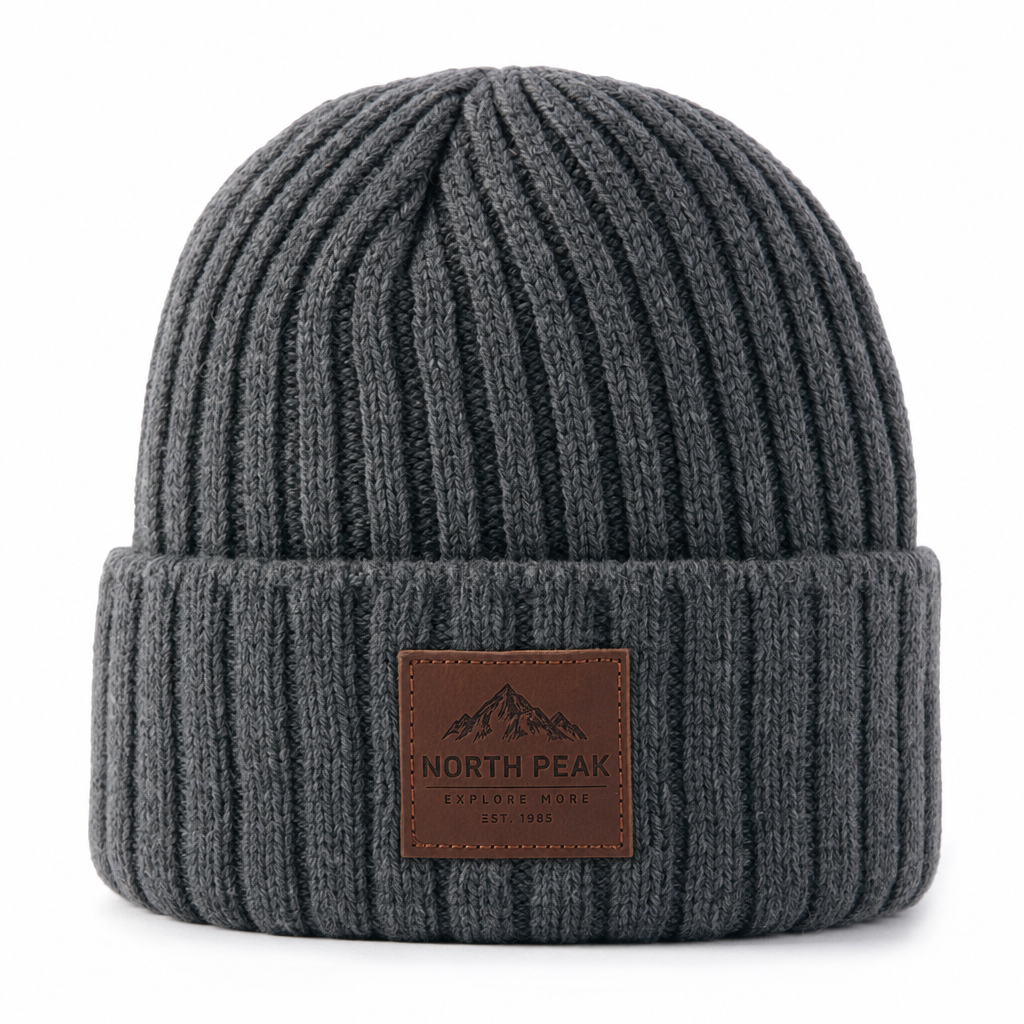
Best Custom Hat Manufacturer: B2B Buyer Guide
Choosing the **best custom hat manufacturer** is less about finding a universal winner and more about proving which supplier can make the hat you actually need. For B2B buyers, the right choice depends on a written specification, an approved sample, clear commercial terms, required documentation, and agreed inspection criteria.
This guide is for buyers sourcing custom caps, trucker hats, dad hats, snapbacks, beanies, bucket hats, and related headwear. It does not rank manufacturers or make supplier-specific claims about capacity, certifications, lead times, pricing, quality levels, or compliance status. Those details should be verified directly through current supplier documents, quotations, samples, and inspection results.
What the Sources Support
The supplied sources support several practical sourcing points, but they do not prove that any specific supplier is the best custom hat manufacturer.
| Source | Source-supported point | Buyer use | |---|---|---| | Purnaa | Purnaa discusses cap sizing and shape consistency and cites U.S. cap market context Purnaa. | Treat fit, crown shape, and sizing repeatability as controlled requirements. | | OTTO Cap | OTTO Cap discusses hat style choices such as relaxed hats, on-field styles, streetwear styles, workwear or uniform hats, and foam-front trucker caps; it also discusses materials including cotton, mesh, and polyester OTTO Cap. | Define the base hat before choosing decoration. Style, material, and structure affect the product brief. | | CNcaps | CNcaps presents a custom headwear sourcing page with categories such as baseball caps, trucker caps, beanies, bucket hats, recycled caps, and other headwear options CNcaps. | Ask suppliers for category-specific examples or samples rather than assuming one supplier is equally suitable for every headwear type. | | BrandsGateway | BrandsGateway’s article is framed around hat dropshipping suppliers and includes headwear market-growth context BrandsGateway. | Separate dropshipping or resale research from made-to-order custom manufacturing qualification. |
The sources do not support supplier-specific claims about ownership, factory capacity, compliance status, production speed, workmanship, pricing, defect rates, or guaranteed outcomes.
Market Context Is Not Supplier Qualification
Purnaa cites U.S. cap sales of **USD 19 billion in 2024** and compares the category with a cited **USD 42.8 billion** U.S. t-shirt sales figure for 2025 Purnaa. BrandsGateway cites a headwear market estimate of **over USD 50 billion by 2033** and a **6.53 percent CAGR** in its market discussion BrandsGateway.
Those figures may explain why buyers pay attention to headwear, but they do not qualify a supplier. A custom hat program still has to be evaluated through the buyer’s specification, physical samples, order documents, inspection plan, and approval process.
A Practical Definition of Best
For a B2B buyer, the best custom hat manufacturer is the supplier that can meet the written requirements for a specific order and provide evidence before bulk production. Claims such as “premium quality,” “fast delivery,” “factory direct,” or “certified” should not drive the decision unless they are backed by current, order-relevant proof.
A buyer-ready definition of “best” should cover:
| Requirement | Buyer should define | Evidence to request | |---|---|---| | Hat category | Baseball cap, snapback, trucker hat, dad hat, beanie, bucket hat, workwear cap, foam-front cap, or another category | Photos, samples, or production references for the same category | | Fit and shape | Crown height, panel structure, visor curve, circumference or fit range, closure type | Measurement chart, tolerance table, and approved physical reference sample | | Material | Cotton, polyester, mesh, foam, knit, blend, recycled material, or another specified material | Swatches, composition details, color reference, and sample on the selected structure | | Decoration | Flat embroidery, raised embroidery, patch, print, heat transfer, applique, label, or another method | Decoration sample on the same or comparable fabric and crown shape | | Commercial terms | MOQ, unit price, setup fees, sample fees, packaging, freight basis, payment terms, quote validity | Written quotation with assumptions stated clearly | | Quality control | Measurement checks, visual checks, decoration checks, labeling checks, packing checks | Inspection checklist and pre-shipment approval process | | Documentation | Buyer-required test reports, material declarations, audit documents, labeling information, or shipment records | Current documents tied to the supplier, material, product, or order as applicable | | Communication | Artwork approval, sample approval, change approval, shipment updates | Named contact and written approval workflow |
Start With the Hat Structure
Many custom hat RFQs are hard to compare because the buyer starts with a logo and asks several suppliers to “quote a custom cap.” That can produce quotes for different products. A quote-ready RFQ should begin with the base hat.
OTTO Cap discusses style choices including relaxed hats, on-field styles, streetwear styles, workwear or uniform hats, and foam-front trucker caps OTTO Cap. The same artwork may need different handling depending on the structure, fabric, front-panel shape, and placement.
Use the product purpose to narrow the brief:
| Use case | Buyer priority | Questions to ask | |---|---|---| | Uniform or workwear | Repeat appearance, fit, color control, reorder consistency | Can the supplier repeat the same crown shape, material, color, closure, and decoration across orders? | | Retail merchandise | Style, fit, finish, decoration quality, packaging | Does the physical sample match the intended structure, hand feel, and presentation? | | Event giveaway | Budget, schedule, carton accuracy, acceptable finish | What is included in the unit price, and what approval date is required to meet the event date? | | Outdoor or performance use | Material, sweatband, closure, comfort, breathability requirement | Which fabric and construction will be sampled, and what performance claims require documentation? | | Distributor or agency order | Spec control, artwork control, documentation, repeatable quoting | Can the supplier quote from a complete spec sheet and confirm all assumptions in writing? |
OTTO Cap also discusses materials including cotton, mesh, and polyester OTTO Cap. Use those material categories as starting points. Then verify exact fabric, color, structure, decoration behavior, and finish through swatches and samples.
Build a Quote-Ready Product Specification
A strong specification makes suppliers quote the same intended product. Without it, the lowest price may simply reflect a different hat.
Include these fields in the RFQ:
| Specification area | Buyer decision to document | |---|---| | Hat category | Baseball cap, snapback, trucker hat, dad hat, beanie, bucket hat, visor, foam-front cap, workwear cap, or other category | | Crown | Structured or unstructured, profile height, panel count, front-panel backing, seam layout | | Visor | Flat, pre-curved, sandwich visor, contrast underside, stitch-row count | | Fit and closure | Adjustable, fitted, snapback, strapback, hook-and-loop, elastic, one-size-fits-most, stated fit range | | Fabric | Fiber content, hand feel or weight target, color reference, mesh type if used | | Sweatband | Material, color, width, comfort requirement, performance requirement if applicable | | Decoration | Method, placement, width and height, thread or patch colors, backing, border or edge finish | | Branding | Inside label, woven label, printed label, hangtag, sticker, barcode, insert card | | Packing | Units per polybag, inner carton, master carton, crush protection, carton marks | | Quality | Measurement tolerance, shade-control process, stitch requirements, defect categories | | Documentation | Test reports, declarations, labeling records, audit documents, or other buyer-required records |
Decoration Questions Before Sampling
Decoration is not only an artwork decision. It interacts with fabric, crown structure, panel curve, backing, thread, patch material, print method, and stitch density.
Ask each shortlisted supplier:
| Decoration question | Why it matters | |---|---| | Which decoration method is recommended for this artwork, fabric, and crown shape? | Line weight, detail, texture, and placement can affect the result. | | What is the minimum readable letter height for the chosen method? | Small details may lose clarity depending on the method and fabric. | | Can the supplier sample the decoration on the same crown structure? | A flat sample does not prove how the decoration will behave on a curved cap panel. | | What are the placement tolerances? | Buyers need a written standard for centered logos, patches, side marks, and rear marks. | | Will bulk production use the same backing, thread, patch base, placement, and machine setup as the approved sample? | Sample-to-bulk consistency depends on controlled inputs. | | What happens if artwork changes after sample approval? | Written change rules reduce disputes and production delays. |
Do not rely on a general statement that a supplier can make embroidered hats, patches, or printed caps. Request a physical sample or a defined sample process using the selected hat structure, fabric, placement, and approximate artwork complexity.
Custom Hat Manufacturer Scorecard
Use this scorecard only after each supplier receives the same RFQ. Score each area based on evidence supplied, not sales language.
| Score area | 1 point | 3 points | 5 points | |---|---|---|---| | Category fit | Shows general hat examples only | Shows similar styles | Shows the same category, structure, and decoration type | | Spec discipline | Quotes from a short description | Confirms some specs | Returns a complete spec sheet with assumptions and tolerances | | Sample process | Offers photos or mockups only | Offers one physical sample | Defines prototype, correction, and pre-production approval steps if needed | | Fit control | Gives no measurement detail | Provides a basic size chart | Provides measurement chart, tolerances, and reference-sample process | | Decoration proof | Claims capability | Shows decoration examples | Provides decoration sample on comparable fabric and crown structure | | Documentation | Gives verbal assurance | Says some documents are available | Supplies current buyer-required documents before production or shipment | | Commercial clarity | Gives unit price only | Includes price plus some fees | Includes MOQ, setup, sample, packing, freight basis, payment terms, and quote validity | | Change control | Uses informal messages | Records some approvals | Defines written approval workflow for artwork, material, sample, and shipment changes | | Inspection | Gives vague QC statement | Offers basic visual check | Provides checklist covering measurements, shade, stitching, decoration, labeling, and packing | | Communication | Slow or unclear | Responsive but inconsistent | Provides named contact and written confirmations for critical approvals |
A high score does not eliminate risk. It only shows which supplier has made its process visible enough for a buyer to evaluate.
Sampling Plan Before Bulk Production
Purnaa discusses cap sizing and shape consistency as important sourcing considerations Purnaa. Custom hat sampling should therefore check more than logo appearance.
A practical sampling plan can include:
| Sample stage | Buyer decision | |---|---| | Digital mockup | Confirm artwork placement, size, color direction, and visible branding elements. Do not treat it as proof of fit or construction. | | Prototype sample | Check hat structure, fabric, closure, decoration method, and first-fit impression. | | Corrected sample | Confirm revisions if the prototype does not meet the specification. | | Pre-production sample | Approve the exact version intended for bulk production. Keep it as the reference sample. | | Bulk reference check | Compare production units against the approved reference sample before shipment. |
When approving a sample, record the approval in writing. Include photos, measurements, decoration dimensions, color references, packaging notes, and any accepted deviations.
Pre-Shipment Inspection Checklist
A custom hat inspection should cover fit, shape, construction, decoration, labeling, and packing. The checklist should be agreed before production or before the inspection booking.
| Inspection area | What to verify | |---|---| | Measurements | Crown height, circumference or fit range, visor length, panel symmetry | | Shape | Crown profile, front-panel structure, visor curve, foam shape if applicable | | Decoration | Position, size, thread color, patch alignment, print clarity, loose threads | | Materials | Fabric shade, mesh consistency, sweatband material, closure material | | Stitching | Seam straightness, stitch consistency, skipped stitches, loose threads | | Labels | Inside label, woven label, printed label, hangtag, barcode, size or fit information if required | | Packaging | Polybag, carton count, carton marks, crush protection, mixed-style separation | | Bulk consistency | Sample-to-bulk match and carton-to-carton shade variation | | Documentation | Buyer-required reports, declarations, labeling records, or shipment documents |
Do not assume a supplier follows a specific inspection standard unless that standard is named, documented, and accepted before production.
RFQ Checklist for Custom Hat Buyers
Send the same RFQ package to every shortlisted supplier.
**Company and order context**
- Buyer company, destination market, expected launch date, and channel or use case.
- Product purpose: retail merchandise, corporate uniform, event giveaway, sports team, outdoor program, staff issue, or distributor order.
- Target order quantity by style, color, and size or fit type.
- Expected reorder pattern, stated as an estimate rather than a commitment unless the buyer intends to commit.
**Product specification**
- Hat type: baseball cap, snapback, trucker hat, dad hat, beanie, bucket hat, visor, foam-front cap, workwear cap, or another category.
- Crown structure, profile, panel count, visor type, closure type, and fit range.
- Fabric composition, color reference, mesh type, sweatband material, and contrast details.
- Decoration method, artwork file type, placement, width and height, colors, backing, and edge finish.
- Branding package: woven label, printed label, hangtag, sticker, barcode, insert card, polybag, carton mark.
**Commercial quote requirements**
- MOQ by style, color, size, and decoration method.
- Unit price, sample fee, setup fee, patch or mold fee if applicable, packaging fee, and freight basis.
- Payment terms, quote validity date, and currency.
- Sample lead time after artwork approval.
- Bulk production lead time after pre-production sample approval.
- Transit estimate by shipping method and destination.
**Quality and documentation**
- Measurement chart with tolerances.
- Decoration tolerance for placement and size.
- Color standard and shade-control process.
- Internal QC checklist and final inspection availability.
- Current documents required by the buyer’s market or internal policy.
- Confirmation that certifications, audits, or test results will not be claimed unless current documents are provided.
**Approval and change control**
- Digital mockup approval process.
- Physical sample approval process.
- Pre-production sample requirement before bulk production.
- Rule for artwork, material, closure, decoration, or packaging changes after approval.
- Process for handling defects, shortages, delays, or remake requests.
Red Flags During Supplier Comparison
Slow down the sourcing process if a supplier:
- Quotes without confirming the hat structure, fabric, closure, decoration method, and packing method.
- Avoids measurement tolerances or cannot explain how fit is controlled.
- Provides sample photos that do not match the requested hat category.
- Claims certification, compliance, or audit status without current documents.
- Gives one unit price without stating MOQ, setup fees, sample fees, packaging, freight basis, or quote validity.
- Promises a timeline without tying it to artwork approval, sample approval, material availability, and shipment method.
- Cannot explain how sample changes are recorded before bulk production.
- Treats dropshipping availability as proof of made-to-order manufacturing capability.
The last point matters because supplier research can mix business models. BrandsGateway’s article is explicitly framed around hat dropshipping suppliers BrandsGateway. A made-to-order custom hat buyer usually needs a different qualification process: artwork approval, material confirmation, sample control, inspection criteria, and shipment documentation.
How to Compare Finalists
Once samples and quotes are available, compare finalists in this order:
1. Product match: Does the sample match the requested category, crown shape, fit, fabric, closure, and decoration? 2. Repeatability: Can the supplier explain how the approved sample will be matched in bulk? 3. Documentation: Are all required documents current, relevant, and tied to the order? 4. Commercial clarity: Does the quote include all fees, terms, assumptions, and validity dates? 5. Timeline structure: Are sample approval, production, inspection, and transit shown separately? 6. Risk response: Does the supplier explain how defects, shortages, delays, and changes are handled?
Only compare unit price after finalists are quoting the same specification. Otherwise, a lower price may reflect a different fabric, structure, decoration method, inspection level, or packing plan.
Bottom Line
The best custom hat manufacturer for a B2B buyer is the supplier that can turn a written brief into a controlled product specification and then support that specification with samples, documentation, and inspection criteria. The supplied sources support the importance of style choice, material choice, sizing consistency, category breadth, and channel distinction. They do not support rankings or supplier-specific performance claims.
For a lower-risk purchase, define the hat before the logo, quote every supplier against the same specification, approve a physical reference sample, write inspection criteria into the order, and verify required documents before shipment.