Baseball Cap Supplier RFQ Guide: Specs, Samples, QC, and Quote Comparison
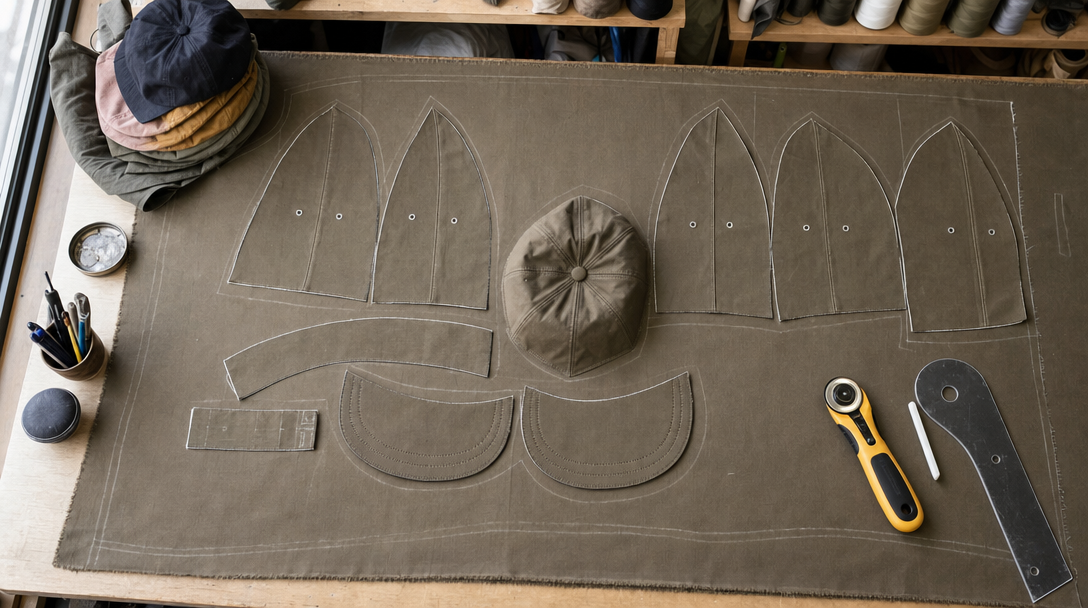
Baseball Cap Supplier RFQ Guide: Specs, Samples, QC, and Quote Comparison
A baseball cap supplier RFQ should turn a loose product idea into supplier-confirmed specifications. Do not rely on a catalog photo, style name, or general capability page. Ask each bidder to confirm the construction, materials, decoration method, sample process, inspection plan, packing, logistics, and commercial terms for the exact cap being quoted.
Source boundary: the cited bulk-sourcing guide supports checking supplier reputation, requesting samples, and agreeing on pricing, shipping windows, minimum order quantities, and return policies before committing to volume https://www.kbethos.com/blog/a-retailers-guide-to-sourcing-hats-in-bulk. The cited cap procurement guide supports using cap-component terms such as crown, brim or visor, closure, sweatband, and seam taping https://hats.sn-intl.com/baseball-cap-types-procurement-guide/. Manufacturer capability pages should be treated as supplier-specific context, not proof that every bidder can provide the same process for the quoted cap https://exploretex.com/baseball-cap-manufacturers/.
1. State the Buying Context
Start with the business facts that affect quoting. Each supplier should price the same use case, quantity, timing, and approval path.
Include:
- Intended use: retail resale, staff uniform, event merchandise, sports use, promotional giveaway, or another use case
- Destination market or target market
- Estimated order quantity by style, color, and size, if applicable
- Required delivery date, launch date, or event date
- Target price range, if the buyer has one
- Required labeling, documentation, testing, or compliance documents
- Required sample type: blank sample, decorated sample, pre-production sample, or size set
- Whether substitutions are allowed, and which changes require written approval
Ask suppliers to separate confirmed specifications from assumptions. This keeps a quote comparison from mixing firm commitments with supplier guesses.
2. Define the Cap Construction
Use cap-component language in the RFQ. The cited cap procurement guide identifies visible and internal cap elements including the crown, brim or visor, closure, sweatband, and seam taping https://hats.sn-intl.com/baseball-cap-types-procurement-guide/.
Crown and Panel Layout
Ask each supplier to confirm:
- Crown type: structured, unstructured, or supplier-proposed
- Panel layout: five-panel, six-panel, or another construction
- Crown profile or finished crown height, if required
- Front panel dimensions or usable decoration area
- Front support material, if any
- Whether the construction works with the requested artwork placement
- Whether approval will use a reference sample, supplier stock sample, or custom sample
Do not treat five-panel and six-panel caps as interchangeable. The cited cap guide distinguishes these cap types, so the RFQ should require the bidder to state which construction is included in the quote https://hats.sn-intl.com/baseball-cap-types-procurement-guide/.
Brim or Visor
Specify the brim or visor instead of accepting an unstated default.
Ask for:
- Brim shape: flat, pre-curved, slight curve, or supplier-proposed
- Brim insert material, if the supplier can disclose it
- Stiffness or flexibility description
- Finished brim dimensions, if required
- Reference sample match requirement, if any
- Packing method intended to preserve the brim shape during shipment
Closure and Fit
Ask suppliers to confirm the closure and fit system in writing.
Include:
- Closure type
- Adjustability or size range
- Closure material and color
- Hardware material or finish, if applicable
- Size chart for fitted or size-based caps
- Finished-size tolerance required by the buyer or proposed by the supplier
3. Specify Materials and Internal Components
The cited bulk-sourcing guide names broad hat material categories such as cotton, wool, polyester, and straw https://www.kbethos.com/blog/a-retailers-guide-to-sourcing-hats-in-bulk. For a baseball cap RFQ, broad material categories are not enough for repeatable quote comparison.
Request supplier-confirmed details for:
- Crown fabric composition
- Fabric weight or supplier material code, if available
- Color standard, color reference, or approved physical swatch requirement
- Whether fabric substitutions are allowed
- Lining, backing, or front support details, if applicable
- Sweatband material, color, width, and branding requirement
- Seam taping material, color, and branding requirement
- Eyelets, mesh, ventilation, or perforation requirements, if any
- Label, hangtag, sticker, barcode, SKU, or care label requirements
- Packaging material requirements, if the buyer has restrictions
If internal branding is required on the sweatband, taping, label, or closure, ask suppliers to quote the added cost and any lead-time effect as separate line items.
4. Treat Decoration as a Technical Requirement
Decoration should be quoted from exact inputs, not from a general request such as "add logo."
Provide:
- Artwork files
- Logo dimensions
- Placement location
- Color references
- Preferred decoration method
- Backup method, if the supplier recommends a change
- Placement tolerance required by the buyer or proposed by the supplier
- Approval requirement for stitch-out, patch, print, or other decoration sample
Ask the supplier to confirm method limits before quoting production:
- Can the requested method be applied to the chosen fabric and panel construction?
- Does the front panel seam, crown curve, or fabric texture require an artwork adjustment?
- What minimum size, line thickness, color count, or stitch-density limits apply?
- What backing, patch edge, attachment, or finishing method is included?
- Is decoration included in the unit price or quoted separately?
- Are setup, digitizing, mold, tooling, or artwork conversion charges included?
Do not assume a supplier can provide a process simply because a manufacturer page discusses capabilities. Add advanced decoration methods, prototype steps, or specialty ventilation only when the project needs them and the bidder confirms availability, cost, sample requirements, and lead time https://exploretex.com/baseball-cap-manufacturers/.
5. Put Sampling Inside the RFQ
The cited bulk-sourcing guide recommends requesting samples before a large order so buyers can evaluate material, fit, and durability before committing to volume https://www.kbethos.com/blog/a-retailers-guide-to-sourcing-hats-in-bulk. Put the sample path in the RFQ so approval is part of the quote, not a later negotiation.
Ask suppliers to confirm:
- Sample type: blank sample, decorated sample, pre-production sample, or size set
- Sample cost
- Whether sample cost is credited after bulk order placement
- Number of included revision rounds
- Sample lead time
- What starts bulk production lead time
- Required approval format: written approval, signed sample, approved photos, or another method
- Whether the approved sample becomes the production reference
Review samples against the RFQ fields: crown shape, panel layout, seam alignment, brim shape, closure function, sweatband, taping, label position, decoration size, placement, color, and workmanship.
Use clear approval statuses:
- Approved
- Approved with comments
- Revise and resubmit
- Rejected
6. Ask for a Defined Inspection Process
Avoid broad quality promises without inspection details. Ask suppliers to describe what is checked, when it is checked, who checks it, and what documentation is available.
Include these RFQ questions:
- Are materials checked before production?
- Is there in-line inspection during sewing or decoration?
- Is there final inspection before packing?
- Are pre-shipment photos available?
- Does the supplier classify defects, and if so, how?
- What defect level triggers corrective action or replacement discussion?
- What remedy process applies if production does not match the approved sample or approved specification?
- Can the buyer or a third-party inspector inspect before shipment if required?
Do not assume an inspection threshold. State the buyer's required standard if one exists, or require the supplier to propose the inspection plan in the quote.
7. Separate Supplier Vetting From Quote Pricing
The cited bulk-sourcing guide supports checking reputation, customer reviews, certifications where relevant, references, and ethical manufacturing alignment https://www.kbethos.com/blog/a-retailers-guide-to-sourcing-hats-in-bulk. Ask for evidence where it matters to the buyer's product, destination market, or sourcing policy.
For the quote itself, request a separated cost format:
- Unit price by quantity tier
- Minimum order quantity by style, color, and size, if applicable
- Sample cost
- Decoration setup cost
- Tooling or mold cost, if applicable
- Packaging cost
- Labeling or barcode cost
- Freight assumptions
- Payment terms
- Quote validity period
- Production lead time after approval
- Assumptions that may change price or timing
Require suppliers to show what is included in the unit price and what is quoted separately.
8. Confirm Logistics and Return Terms Before Award
The cited bulk-sourcing guide highlights agreeing on pricing, shipping windows, minimum order quantities, and return policies before committing to volume https://www.kbethos.com/blog/a-retailers-guide-to-sourcing-hats-in-bulk. Include those terms before purchase order placement.
Ask for:
- Packing method
- Individual bag or bulk pack preference
- Carton quantity
- Carton dimensions
- Gross weight
- Carton marks
- Shipment readiness date
- Shipping terms
- Shipping method
- Required delivery date
- Return policy
- Defect claim process and claim window
If delivery timing is tied to an event or launch, require the supplier to state the shipment readiness date and the assumptions behind that date.
9. Buyer Decision Table
| RFQ area | Evidence boundary | Supplier confirmation to request | |---|---|---| | Panel layout | The cited cap guide distinguishes cap construction types including five-panel and six-panel caps | Panel count, front panel dimensions, seam placement, decoration area, sample availability | | Crown structure | The cited cap-component vocabulary supports specifying the crown | Structured or unstructured crown, profile, front support, packing method | | Brim or visor | The cited cap-component vocabulary supports specifying the brim or visor | Shape, insert material if available, stiffness, dimensions, packing protection | | Closure | The cited cap-component vocabulary supports specifying the closure | Closure type, color, hardware, adjustability, size range | | Materials | The cited sourcing guide names broad material categories; exact cap material must be supplier-confirmed | Composition, weight or material code, color reference, substitution rule | | Sweatband and taping | The cited cap guide identifies these internal components | Material, color, width, branding, cost impact | | Decoration | Decoration feasibility is supplier-specific | Method limits, placement tolerance, sample approval, setup charges | | Optional technical processes | Manufacturer capability pages should not be treated as universal supplier capability | Written availability, cost, lead time, sample step, production limitation | | Samples | The cited sourcing guide supports requesting samples before volume | Sample type, sample cost, revision rounds, approval format, sample lead time | | Commercial terms | The cited sourcing guide supports agreeing on pricing, shipping windows, MOQs, and return policies | MOQ, price breaks, payment terms, lead time, freight assumptions, quote validity |
10. Practical Baseball Cap Supplier RFQ Checklist
Use this checklist when requesting quotes from shortlisted suppliers.
- [ ] Project name, buyer contact, target order date, and required delivery date
- [ ] Intended use and target market
- [ ] Estimated order quantity by style, color, and size, if applicable
- [ ] Cap construction: five-panel, six-panel, structured, unstructured, profile, or supplier-recommended option
- [ ] Crown fabric composition, fabric weight or supplier material code, color standard, and substitution rules
- [ ] Brim shape, brim insert if available, stiffness, dimensions, and reference sample requirement
- [ ] Closure type, closure color, hardware finish, fit range, or size chart
- [ ] Sweatband material, color, width, and branding requirement, if any
- [ ] Seam taping material, color, and branding requirement, if any
- [ ] Eyelets, mesh, ventilation, or perforation requirement, if any
- [ ] Decoration method, backup method, artwork files, dimensions, placement, colors, and tolerance
- [ ] Labeling requirements: woven label, printed label, hangtag, sticker, barcode, SKU, or care label
- [ ] Packaging requirements: individual bag, bulk pack, carton quantity, carton marks, and retail packing needs
- [ ] Sample request type, sample timeline, sample cost, revision rounds, and approval process
- [ ] Unit price, setup charges, packaging cost, freight assumptions, payment terms, and quote validity
- [ ] Minimum order quantity and price breaks by quantity
- [ ] Production lead time after approval and assumptions that could affect timing
- [ ] Inspection process, defect policy, documentation, and remedy process
- [ ] Compliance documents, material declarations, or testing requirements required by the buyer's market
- [ ] Shipping terms, shipping method, carton dimensions, gross weight, shipment readiness date, and return policy
11. Compare Supplier Responses With a Scorecard
Remove quotes that do not answer the required fields. Then compare the remaining responses against weighted categories chosen by the buyer.
Possible categories:
- Construction match
- Material match
- Decoration feasibility
- Sample clarity
- Inspection process
- Commercial transparency
- Logistics readiness
- Supplier evidence requested by the buyer
Before awarding the order, ask finalists to restate the approved specification in the quote, pro forma invoice, or order confirmation. Carry forward only supplier-confirmed specifications, approved samples, and agreed commercial terms.