Baseball Cap Manufacturer RFQ Checklist for B2B Buyers
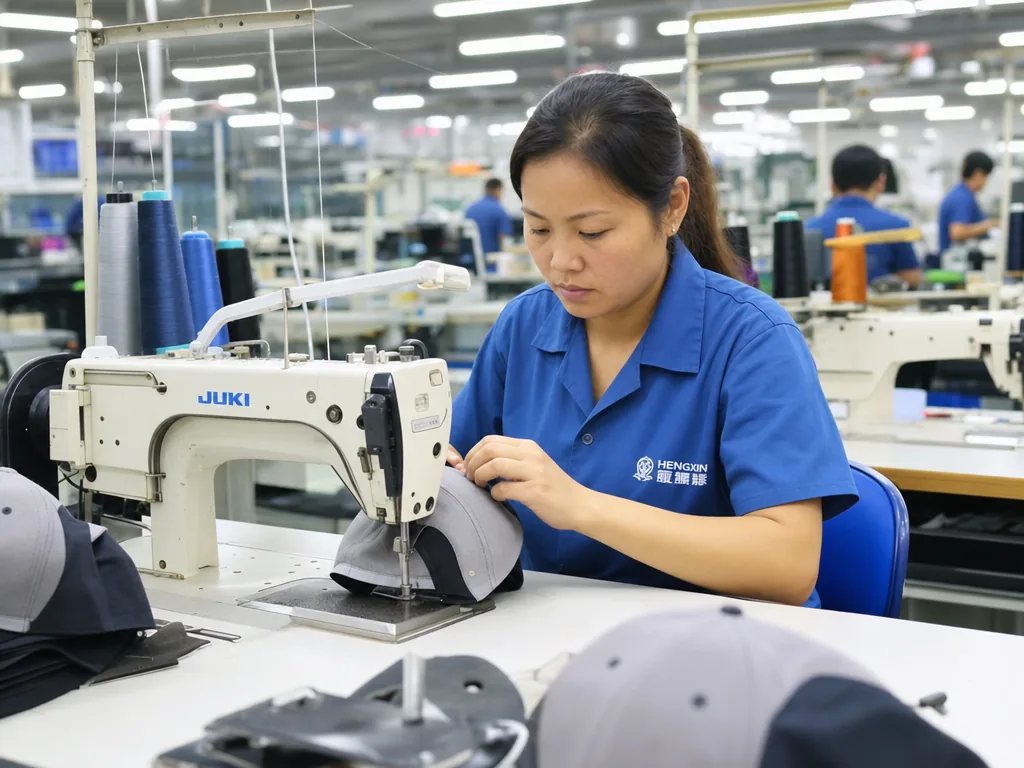
Baseball Cap Manufacturer RFQ Checklist for B2B Buyers
A baseball cap manufacturer RFQ is most useful when suppliers price the same product, approval path, and delivery assumptions. The goal is not only to collect a unit price. It is to make each quote, sample, and supplier claim easier to compare.
Fit deserves careful detail. Purnaa notes that caps are sensitive in sizing and that small changes can affect fit https://www.purnaa.com/post/how-to-find-a-custom-cap-manufacturer. In a B2B RFQ, turn fit expectations into measurements, tolerance ranges, and approved sample references before sampling or bulk production.
Use this checklist to separate confirmed requirements from items the supplier still needs to prove with samples, documents, or inspection evidence.
1. Start With the Buying Context
Start with the commercial and product context so suppliers do not fill gaps with different assumptions.
Include:
- Brand, program, or project name.
- Intended use: retail, uniform, event merchandise, teamwear, promotional use, subscription box, or another defined channel.
- Destination market.
- Target order quantity.
- Expected reorder potential, if relevant.
- Target launch date or required delivery date.
- Required quote currency.
- Requested delivery basis or Incoterms.
- Contact person for design, sourcing, approvals, and logistics.
Kbethos advises buyers sourcing hats in bulk to evaluate product-market fit, supplier reliability, and product quality before committing to larger orders https://www.kbethos.com/blog/a-retailers-guide-to-sourcing-hats-in-bulk.
2. Define the Cap Style and Construction
Name the cap type before asking for price. Purnaa identifies baseball caps, trucker hats, snapbacks, and dad hats as common custom cap categories https://www.purnaa.com/post/how-to-find-a-custom-cap-manufacturer.
Specify:
- Cap type: six-panel baseball cap, five-panel cap, dad hat, snapback, trucker cap, performance cap, or another defined silhouette.
- Crown structure: structured, semi-structured, or unstructured.
- Crown profile: low, mid, or high profile, with target crown height if available.
- Panel layout: five-panel, six-panel, foam front, mesh back, or hybrid construction.
- Size format: one-size-fits-most, fitted sizes, youth, adult, extended sizing, stretch-fit, or another defined format.
- Closure: plastic snap, metal buckle, fabric strap, hook-and-loop, fitted, elastic back, or another specified closure.
- Visor shape: flat, pre-curved, slightly curved, or custom curve.
- Reference standard: approved sample, photos, flat sketch, measurement chart, or tech pack.
Photos can support the RFQ, but they should not replace measurements, placement references, or tolerances when the finished cap must match a target sample.
3. List Materials, Colors, and Trims
Kbethos discusses cotton, wool, polyester, and straw as hat materials and relates material choice to seasonality and performance considerations https://www.kbethos.com/blog/a-retailers-guide-to-sourcing-hats-in-bulk. For baseball cap sourcing, state the requested materials and trims instead of leaving those choices open.
Include:
- Main fabric fiber content.
- Fabric construction, such as twill, brushed cotton, canvas, nylon, polyester, mesh, wool blend, or another specified material.
- Fabric weight or approved reference swatch, if available.
- Fabric finish, such as washed, brushed, coated, quick-dry, or plain finish, if required.
- Panel color references.
- Under-visor color.
- Stitching color.
- Eyelet color and material.
- Button color and material.
- Sweatband material, color, width, and stretch requirement.
- Closure material, color, and finish.
- Seam tape and inside binding requirements.
- Label, hangtag, barcode, and carton mark requirements.
For color-critical programs, request Pantone references, lab dips, strike-offs, or physical swatches before production. State whether trims must match the shell fabric or use contrast colors.
4. Put Fit and Visor Details Into Measurements
Use measured references wherever possible. Ask the supplier to confirm the measurement method and acceptable tolerance for each point of measurement.
Ask the supplier to confirm:
- Crown height.
- Cap circumference or size range.
- Adjustment range for closures.
- Panel dimensions or approved pattern reference.
- Visor length and width.
- Visor curve.
- Visor stiffness or material specification.
- Number of visor stitch rows.
- Under-visor material and color.
- Acceptable measurement tolerance by point of measurement.
If the order is based on an existing cap, send the approved physical sample or provide measured photos. Record the approved sample version and date so later samples and bulk goods can be compared against the same reference.
5. Specify Decoration and Branding
Decoration should be quoted with exact artwork, placement, approval, and production requirements.
Include:
- Decoration method: embroidery, patch, woven label, print, heat transfer, applique, or another specified method.
- Artwork file format.
- Artwork dimensions.
- Placement location and distance from reference points, such as center front, side panel, back arch, or visor.
- Thread colors, patch materials, print colors, or trim colors.
- Backing requirements for embroidery or patches.
- Maximum acceptable placement tolerance.
- Sew-out, strike-off, digital proof, or pre-production sample requirement.
- Requirements for inside labels, hangtags, barcodes, or retail stickers.
Ask the supplier to confirm whether the artwork can be produced at the requested size and by the requested method before bulk production starts.
6. Define Sample and Approval Gates
Kbethos recommends requesting product samples before committing to a large order so buyers can evaluate material, fit, and durability https://www.kbethos.com/blog/a-retailers-guide-to-sourcing-hats-in-bulk. A baseball cap RFQ can separate sample stages by purpose.
| Sample stage | Buyer purpose | What to approve | | --- | --- | --- | | Proto sample | Check whether the supplier understands the requested construction | Silhouette, panel layout, visor shape, basic material interpretation | | Fit sample | Check wear, sizing, and adjustment range | Crown depth, circumference, closure function, visor shape, comfort | | Decoration sample | Check logo or branding execution | Artwork size, placement, color, stitch or print result, patch finish | | Pre-production sample | Establish the approved bulk standard | Final materials, measurements, decoration, labels, packing assumptions | | Top-of-production sample | Check initial production against the approved standard | First production output compared with approved sample |
For every sample round, record:
- Sample version.
- Date received.
- Supplier comments.
- Buyer comments.
- Measurements.
- Photos.
- Approved changes.
- Open issues.
- Approval status.
State in the RFQ that bulk production should not begin until written approval is issued for the required sample stage.
7. Ask Quality Control Questions Before Production
Headwind Group lists material inspections, seam durability tests, and colorfastness checks as examples of quality procedures a buyer may look for in a manufacturer https://headwind-group.com/blogs/news/strategic-sourcing-for-baseball-caps-what-buyers-need-to-know.
Ask each supplier:
- How are incoming fabric and trims checked before cutting?
- How are color differences managed between panels, visors, closures, thread, and trims?
- How is crown shape controlled during stitching and finishing?
- How is cap sizing checked?
- How is visor shape and stiffness checked?
- How is decoration placement checked during production?
- Which defects are classified as critical, major, or minor?
- Are inline, final, or pre-shipment inspections used?
- Is third-party inspection allowed before shipment?
- How are nonconforming goods separated, corrected, or reported?
The RFQ should include the buyer's inspection criteria, including measurement tolerances, decoration placement tolerance, color standard, packaging standard, and approved-sample comparison process.
8. Request an Itemized Commercial Quote
The unit price should be tied to a defined product and service scope. Headwind Group recommends considering shipping costs, duties, third-party inspections, order volume, lead times, and production schedules when evaluating sourcing cost https://headwind-group.com/blogs/news/strategic-sourcing-for-baseball-caps-what-buyers-need-to-know.
Ask suppliers to provide:
- MOQ by style, color, and size.
- Price at the target quantity.
- Price at two additional quantity tiers.
- Sample cost.
- Decoration setup cost.
- Digitizing, mold, tooling, or plate cost, if applicable.
- Label and packaging cost.
- Unit price basis and delivery basis.
- Freight assumptions, if included.
- Payment schedule.
- Sample lead time.
- Bulk production lead time.
- Quotation validity period.
- Production calendar assumptions.
- Policy for changes after sample approval.
- Policy for deviations from the approved sample.
This format helps buyers compare what is included and excluded in each supplier's quote.
9. Evaluate Supplier Evidence Consistently
Headwind Group recommends assessing manufacturers by reputation, production capacity, regulatory requirements, quality standards, shipping costs, duties, third-party inspection needs, lead times, and production schedules https://headwind-group.com/blogs/news/strategic-sourcing-for-baseball-caps-what-buyers-need-to-know. Pechoter discusses manufacturer selection factors such as quality, pricing, MOQ, production capacity, communication, and certifications https://www.pechoter.com/how-to-find-a-baseball-cap-factory/.
Use the same evidence standard for each supplier:
| Evaluation area | Ask the supplier | Evidence to request | | --- | --- | --- | | Product capability | Have you made this cap type or similar construction before? | Similar product photos, samples, construction notes | | Quality process | How do you check materials, sizing, seams, decoration, and packing? | Inspection checklist, sample approval record, QC flow | | Capacity and schedule | Can you meet the target quantity and delivery date? | Production calendar, capacity statement, lead time confirmation | | Cost scope | What is included and excluded from the quote? | Itemized quotation, MOQ, setup costs, packaging costs | | Communication | Who owns sampling, production, QC, and shipping updates? | Named contacts and response process | | Compliance claims | Which certifications, tests, or audit documents are being claimed? | Copies of claimed certificates, test reports, or audit documents | | Logistics | What delivery basis, shipping documents, and handoff point are included? | Delivery terms, packing list format, carton marks |
Do not treat claimed certifications, audits, testing, or compliance statements as verified unless the supplier provides supporting documentation.
10. Assemble the RFQ Package
A complete baseball cap RFQ can include these attachments and instructions:
- Product brief.
- Technical sketch or reference photos.
- Measurement chart with tolerances.
- Material and color requirements.
- Artwork files.
- Decoration placement guide.
- Label and packaging requirements.
- Sample approval requirements.
- Inspection requirements.
- Quantity breaks for quotation.
- Delivery and payment assumptions.
- Required response deadline.
Purnaa mentions trade shows, sourcing platforms, and online search as possible ways to find cap manufacturers, while also advising vetting when using sourcing networks https://www.purnaa.com/post/how-to-find-a-custom-cap-manufacturer. After building an initial supplier list, use the RFQ package to compare supplier responses, samples, and documents against the same requirements.
Final Takeaway
A strong baseball cap manufacturer RFQ defines the product specification and the commercial basis for the quote. Buyers should document construction, materials, colors, fit, decoration, sampling, QC, packaging, delivery terms, and evidence requirements before comparing suppliers.
The goal is comparability. When the RFQ is specific, buyers can see what each supplier has quoted, what still needs confirmation, and which claims require samples, documents, or inspection evidence.